


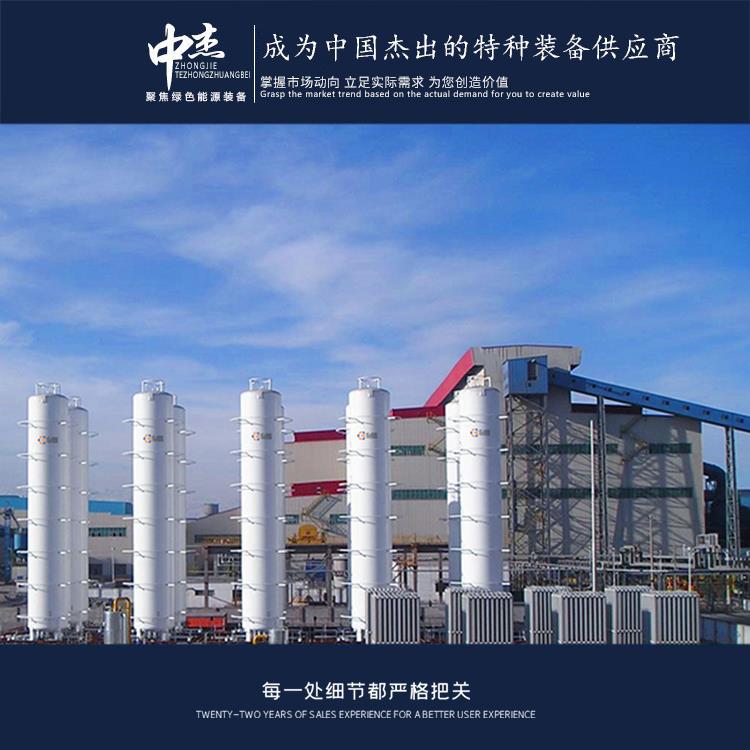

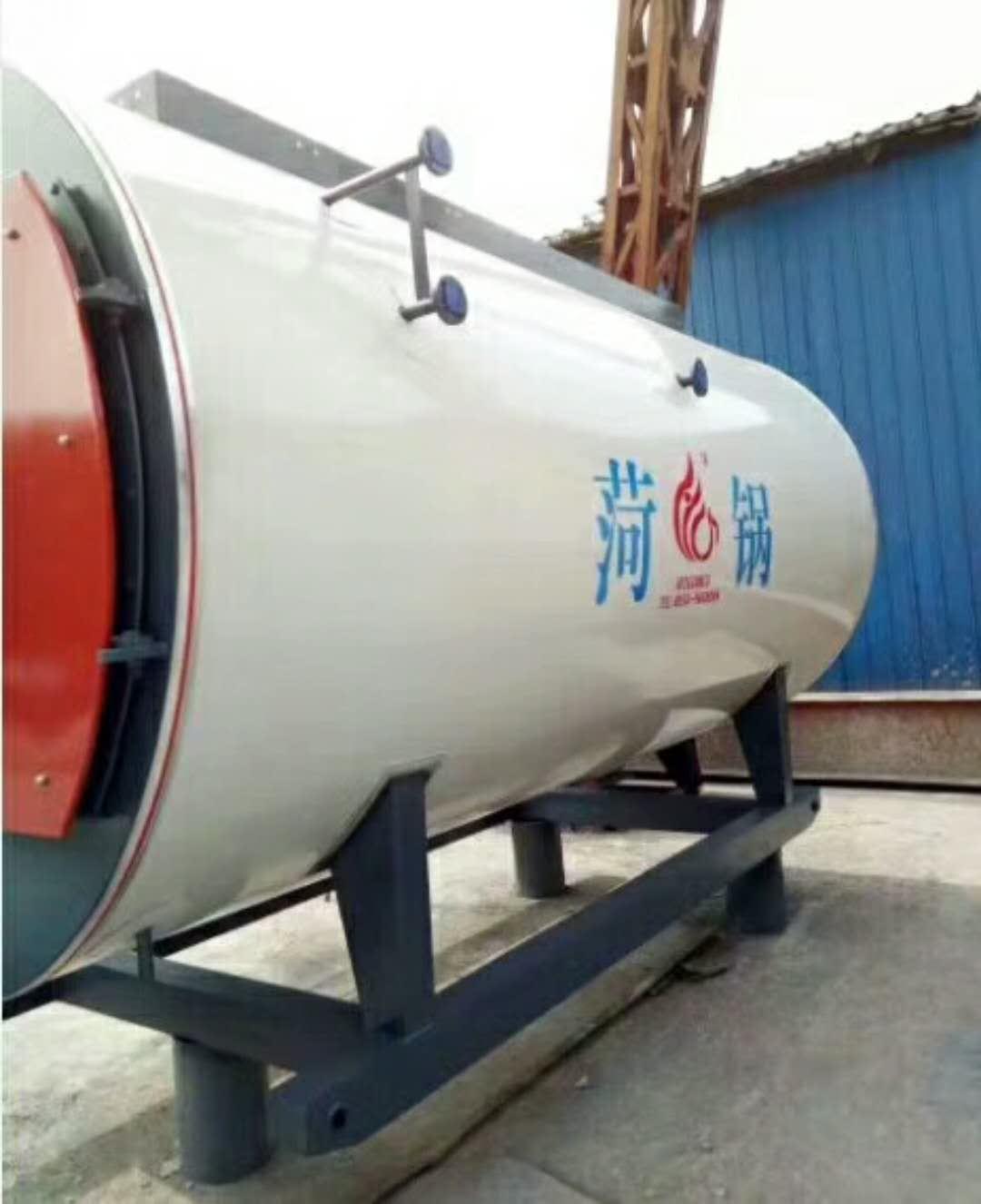


















Shandong Zhongjie Special Equipment (formerly Heze Boiler Factory Co., Ltd.) was established in 2001, located at No. 2218 Jinnan Road, Development Zone, Heze City. With a registered capital of 50 million yuan and total assets of 500 million yuan, the company has 7 business centers: boilers, deep-freeze containers, pressure vessels, central air conditioning, engineering installation, international trade, and Internet of Things. It has three factory sites on Jinnan Road, East Changjiang Road, and Bohai Road, covering a total of 200,000 square meters. The main workshop spans 83,000 square meters. Currently, there are 710 employees, including 247 engineering and technical personnel and 82 intermediate-level technicians. In December 2016, it was recognized as a "High-tech Enterprise" by the Science and Technology Department. In June 2021, it was identified as a "Specialized and New Enterprise in Shandong Province" by the Department of Industry and Information Technology. In June 2022, it was recognized as a "Gazelle Enterprise in Shandong Province" and in August 2022, as a "Specialized and New Small Giant Enterprise" by the Ministry of Industry and Information Technology.
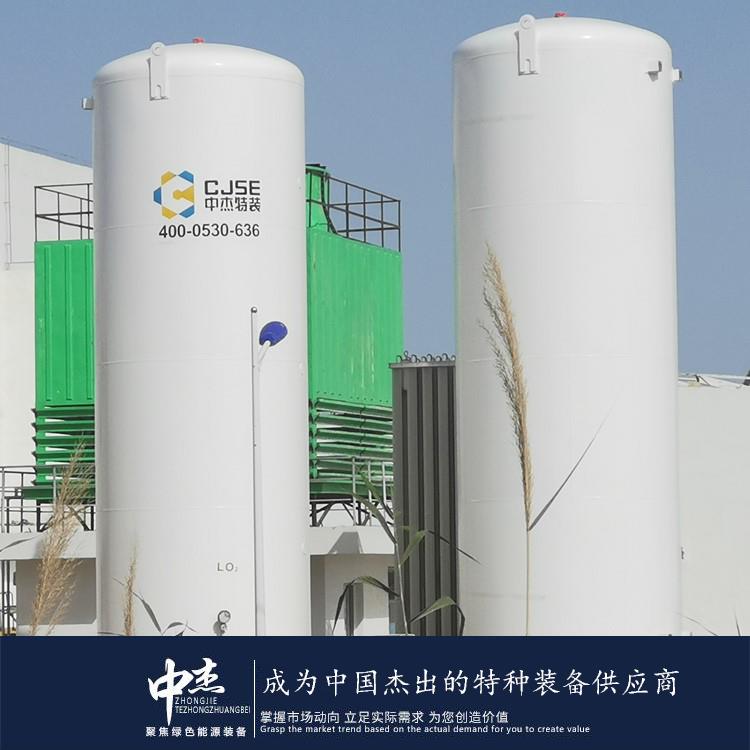
To ensure the quality of liquid oxygen storage tanks, the following measures can be taken:
选择可靠的供应商:选择有资质和经验的储罐制造商或供应商,确保其具备良好的声誉和可靠的质量管理体系。
Adhere strictly to relevant standards and regulations: The design, manufacturing, and installation of liquid oxygen tanks should comply with applicable standards and regulations, such as industry standards or.
Quality Control and Inspection: Strict quality control and inspection are conducted throughout the manufacturing process, including material inspection, process monitoring, and finished product testing. Ensure that the materials, welding, and sealing of the storage tanks meet the required standards.
Comprehensive Quality Management System: Establish and implement a comprehensive quality management system, including quality control plans, quality inspection records, and quality training, to ensure each stage meets quality requirements.
Regular maintenance and inspection: Regularly maintain and inspect the liquid oxygen storage tank, including cleaning, coating protection, and anti-corrosion treatment, to extend the lifespan of the tank and maintain its optimal operational condition.
Safety Operation and Management: Establish and implement a safety operation and management system, including the proper use of storage tanks, operational procedures, safety training, etc., to ensure the safety and reliability of storage tanks during use.
Regular inspections and evaluations: Conduct regular inspections and evaluations of liquid oxygen tanks, including visual inspections, pressure tests, leak detection, and as required, non-destructive testing and material analysis, to ensure the quality and safety of the tanks.
By implementing these measures, the quality, reliability, and safety of the liquid oxygen storage tanks can be effectively ensured, meeting usage requirements and standards.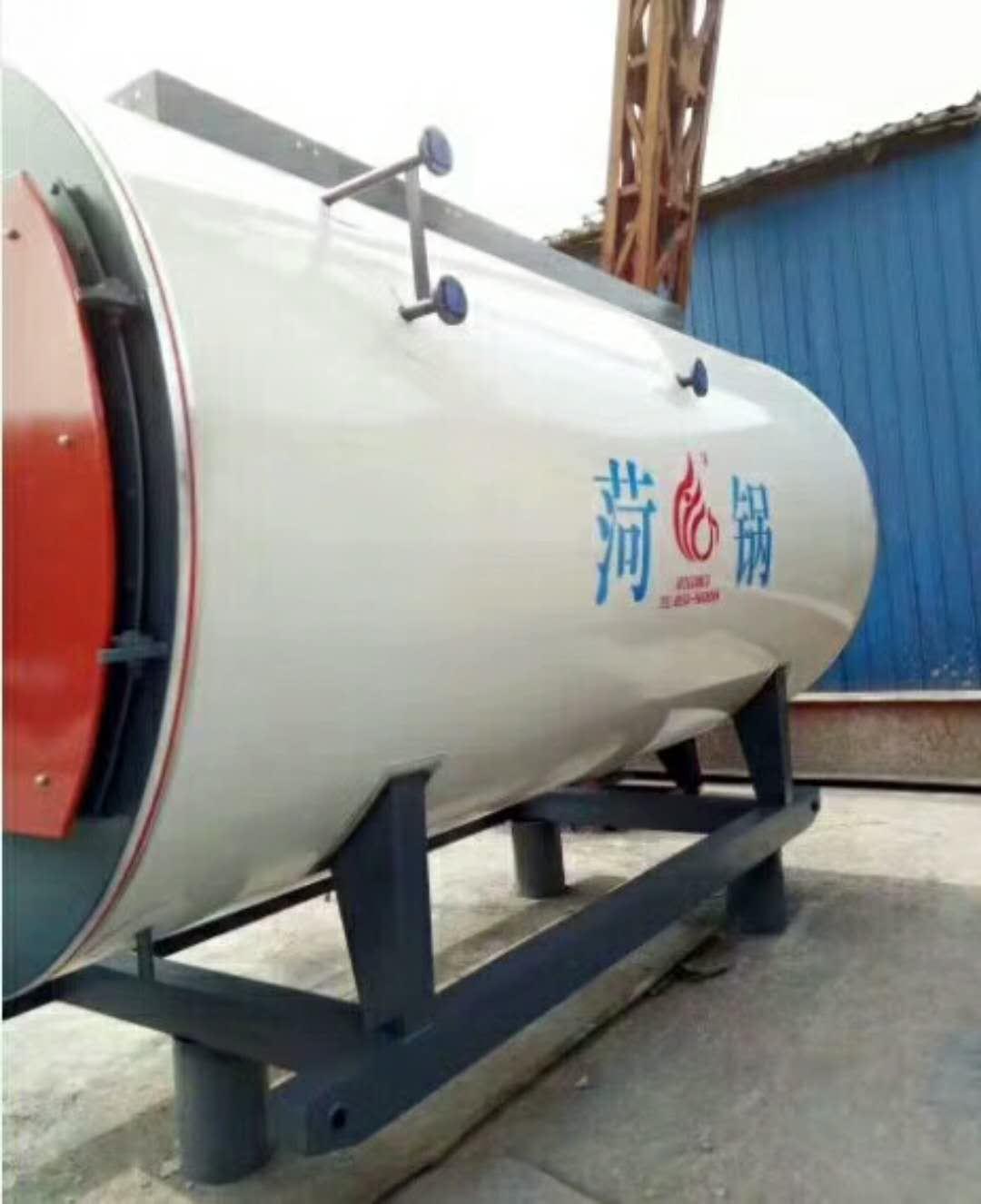
Liquid Argon Storage Tanks are specialized equipment designed for storing liquid argon, featuring the following parameters, functions, and characteristics:
Parameters:
Tank Capacity: The capacity of liquid argon tanks can be customized to meet requirements, typically available in various sizes such as 500L, 1000L, 2000L, and so on.
Work Pressure: The working pressure of liquid argon tanks is typically atmospheric or slightly above atmospheric pressure.
Storage Temperature: The storage temperature for liquid argon tanks is typically -196 degrees Celsius, which is the boiling point of argon, maintaining its liquid state.
Features:
Store Liquid Argon: Liquid argon tanks are primarily used for storing liquid argon, maintaining its liquid state at low temperatures for supply and use.
Insulation: The liquid argon storage tank utilizes advanced insulation materials and structural design to minimize heat conduction and retention, maintaining the low-temperature state of liquid argon.
Safety Control: The liquid argon tank is equipped with safety devices such as pressure relief valves and level alarms to ensure safe operation and use.
Features:
High Purity Supply: Liquid argon tanks provide high purity liquid argon supply to meet the requirements of applications such as cryogenic storage, gas shielded welding, and semiconductor manufacturing.
Long-term Storage: Liquid argon tanks are designed for long-term storage of liquid argon, extending their service life. By controlling the tank's internal temperature and the performance of the insulation layer, the evaporation and oxidation of the liquid argon are slowed down.
Multi-Domain Applications: Liquid Argon Storage Tanks are widely used in various fields such as industry and scientific research, including refrigeration and semiconductor manufacturing.
Environmental Protection & Energy Efficiency: Liquid argon storage tanks enable effective storage and utilization of liquid argon, reducing energy waste and environmental pollution.
In summary, liquid argon tanks are designed for storing liquid argon, thermal insulation, and safety.
The medical oxygen steel cylinder filling area, in addition to the liquid oxygen storage tank, includes the following components:
Oxygen Compressor: Oxygen compressors are used to compress gaseous oxygen into high-pressure oxygen. These compressors are typically made with special materials and designs to ensure safe handling and compression of oxygen.
Oxygen Purification System: The oxygen purification system is designed to remove impurities and contaminants from oxygen to ensure the purity and quality of the supplied oxygen. The system typically includes filters, adsorbents, and molecular sieves.
Oxygen Storage System: In addition to liquid oxygen tanks, the oxygen filling area may also include a gaseous oxygen storage system, used for temporary storage and supply of gaseous oxygen. The gaseous oxygen storage system typically includes high-pressure oxygen cylinders or gas storage tanks.
Filling Equipment: Filling equipment is used to transfer oxygen from liquid oxygen storage tanks or gaseous oxygen storage systems into medical oxygen steel cylinders. The filling equipment typically includes filling machines, filling pipelines, and filling control systems.
Oxygen Quality Monitoring System: The Oxygen Quality Monitoring System is used to monitor the quality and purity of oxygen being filled. Quality testing and surveillance of the filled oxygen are conducted through an oxygen analyzer or other detection equipment.
Safety Facilities: The filling area should be equipped with corresponding safety facilities, such as fire alarm systems, oxygen leak detection systems, and ventilation systems, to ensure the safety and protective measures during the filling process.
It is important to note that the design and equipment configuration of the medical oxygen cylinder filling area must comply with relevant regulations, standards, and specifications. During the filling process, strict adherence to operational procedures and safety requirements is essential to ensure the safe supply of oxygen.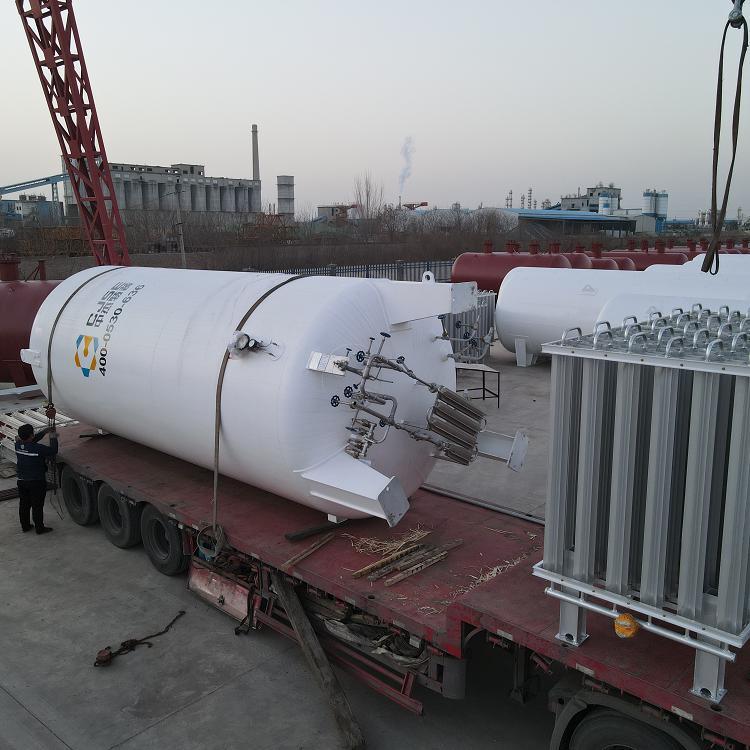
A liquid nitrogen tank is a device used for storing liquid nitrogen, widely used in the following fields: Frozen Food and Refrigerated Logistics: Liquid nitrogen tanks are used in the frozen food and refrigerated logistics industry to freeze or refrigerate food and other perishable items, extending their shelf life and freshness. The low temperature of liquid nitrogen can quickly freeze food, prevent bacterial growth and food spoilage. Biological Sample Storage: Liquid nitrogen tanks are widely used in the field to store biological samples, cells, tissues, and more. The low temperature of liquid nitrogen can effectively protect the integrity and viability of biological materials, used in fields such as medical research, biomedical engineering, and transplantation. Laboratory Research: Liquid nitrogen tanks are used in scientific research and laboratories to provide liquid nitrogen as a coolant and freezing medium. The low temperature of liquid nitrogen can be used for cooling laboratory equipment, material research, superconducting electronics, and low-temperature physics. Metal Processing and Welding: Liquid nitrogen tanks are used in metal processing and welding to cool and control the temperature of metals. Liquid nitrogen can quickly cool metals, improve their hardness and strength, and reduce deformation and stress. Gas Storage and Supply: Liquid nitrogen tanks are also used for storing and supplying nitrogen gas. Liquid nitrogen can be converted into gaseous nitrogen through evaporation and used in applications such as gas shielded welding, gas fire suppression systems, gas analysis, and laboratory gas supply. In summary, liquid nitrogen tanks are widely used in the fields of frozen food, laboratory research, metal processing, and gas supply, providing storage and supply functions for liquid nitrogen at application sites.
Zhejiang Zhetong Special Equipment adheres to the grand vision of "realizing employee dreams, creating customer value, and striving for the prosperity and strength of our motherland," wholeheartedly commits to the development of green energy equipment, and dedicates high-quality products and services with competitive pricing to society!
WeChat Official Account

Scan to follow Official Account



















