



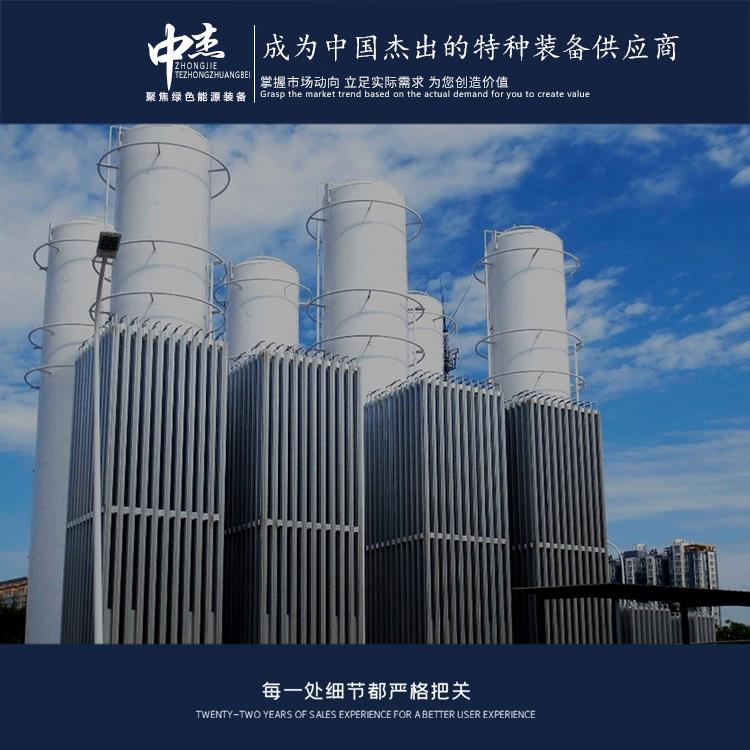
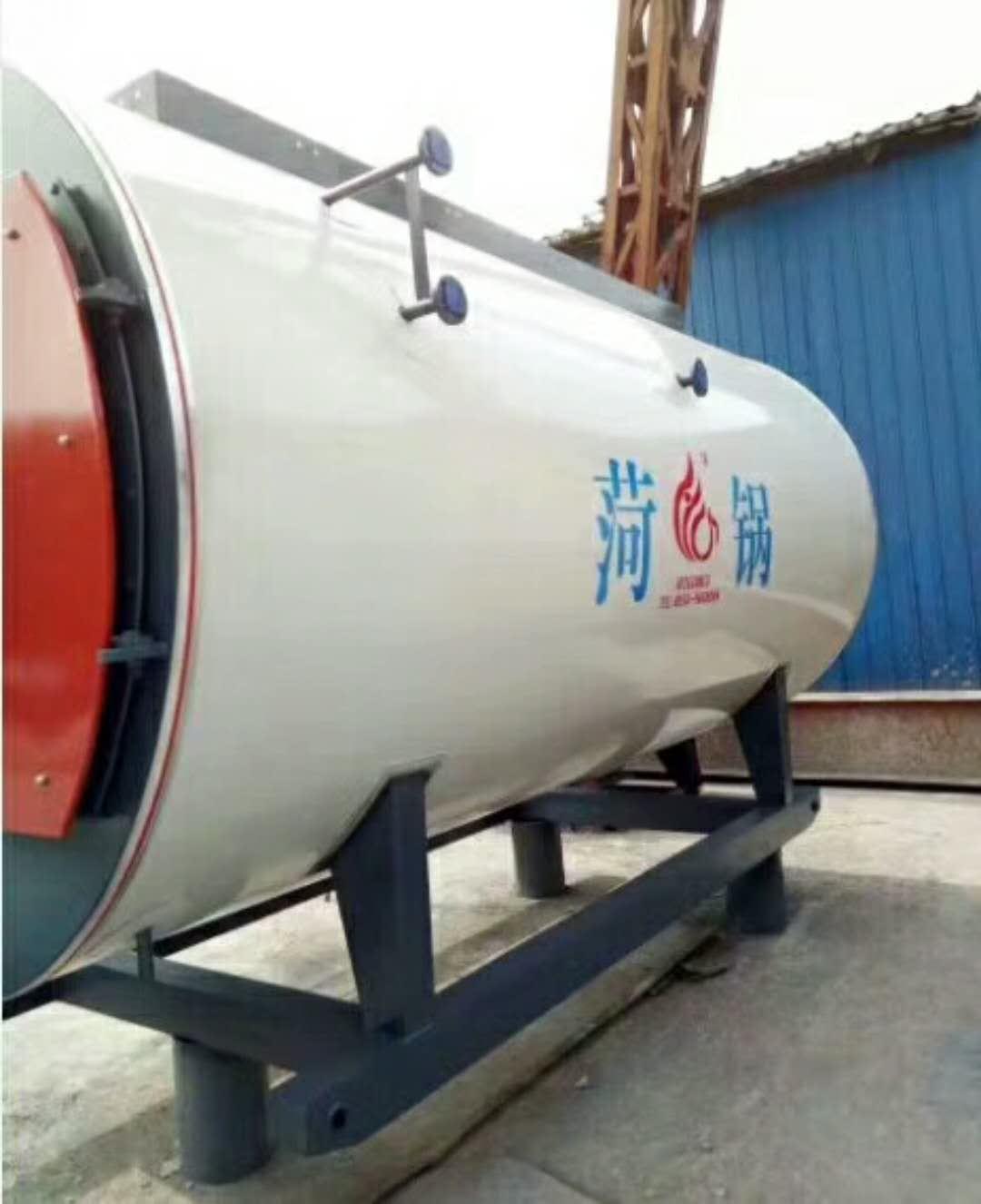


















Shandong Zhongjie Special Equipment (formerly Heze Boiler Factory Co., Ltd.) holds an A-grade boiler manufacturing license, an A2-grade pressure vessel manufacturing license, an A2-grade pressure vessel design license, a B-grade boiler installation license, and GB2/GB3-grade pressure pipeline installation licenses, as well as a mechanical and electrical equipment installation contracting qualification. It is a member of the China Boiler and Water Treatment Association, the China Chemical Equipment Association, and the council member of the Shandong Equipment Manufacturing Association. The company has also passed the ISO9001 Quality Management System, ISO14001 Environmental Management System, OHSAS18001 Occupational Health and Safety Management System certifications, and the American ASME/U2 certification.
Here are some common protection techniques for carbon dioxide storage tanks:
- Fire and Explosion Prevention Measures: A fire-resistant isolation zone should be set up around the tank, away from fire sources and flammable materials. The tank itself should adopt fire and explosion prevention measures, such as fire-resistant coatings and explosion-proof devices, to prevent fires and explosions.
- Leak Detection and Alarm Systems: The tank should be equipped with leak detection and alarm systems to promptly detect and alert of any leaks. Regularly inspect and maintain the leak detection equipment to ensure proper functioning.
- Regular Inspections and Maintenance: Regularly check the tank's exterior, valves, and fittings to ensure they are intact. Conduct regular leak detection and pressure tests to ensure the tank's safety performance meets requirements.
- Emission Treatment: Treat the exhaust gases produced by the carbon dioxide storage tank to prevent environmental pollution. Implement appropriate emission treatment measures, such as collecting and treating exhaust gases.
- Static Electricity Protection: Take static electricity protection measures to prevent the accumulation and discharge of static electricity. Use anti-static equipment and tools to ensure static safety during operations.
- Safety Training and Awareness: Train operators on safety procedures to enhance their awareness and ability to safely handle carbon dioxide storage tanks. Regularly conduct safety training and drills to prepare for emergencies.
- Management Records and Documentation: Establish comprehensive management records and documentation, including the tank's usage, inspection, and maintenance records. Regularly review and update management records to ensure safe management and maintenance of the tank.
Note that these are common protection techniques, and specific measures may vary depending on the type and application of the tank. When using carbon dioxide storage tanks, operate according to relevant regulations and standards and consult experts to ensure safety and effectiveness.
Carbon dioxide storage tanks offer several advantages:
- High storage density: These tanks can compress carbon dioxide gas into a liquid state, significantly increasing storage density. Compared to storing it in gas form, liquid carbon dioxide can be stored in a much smaller tank, saving space and costs.
- Multiple applications: Carbon dioxide storage tanks are widely used in various fields, including the food and beverage industry, manufacturing, fire suppression, and gas supply. Carbon dioxide serves as a preservative, carbonation agent, gas, and extinguishing agent, among other uses, with broad applications and market demand.
- Environmental friendly and renewable: Carbon dioxide is an environmentally friendly gas, and its increased concentration in the atmosphere can lead to warming and climate change. By storing and utilizing carbon dioxide, we can reduce its emissions into the atmosphere, promoting environmental protection and sustainable development.
- Safe and reliable: During design and manufacturing, carbon dioxide storage tanks are typically made of high-strength materials (such as carbon steel or stainless steel) with excellent pressure resistance and safety. The tanks are usually equipped with safety valves, pressure gauges, level indicators, and other accessories to ensure safe operation. Additionally, carbon dioxide is a non-flammable and non-explosive gas, making it relatively safe.
- Supply: Carbon dioxide storage tanks provide a stable supply of carbon dioxide. Through tank design and control systems, accurate measurement and supply of carbon dioxide can be achieved, meeting the needs of various industries and applications.
These advantages make carbon dioxide storage tanks a crucial storage and supply equipment, widely used in numerous industries. However, it is still necessary to follow relevant safety operation procedures and standards when using carbon dioxide storage tanks to ensure safe operation and use.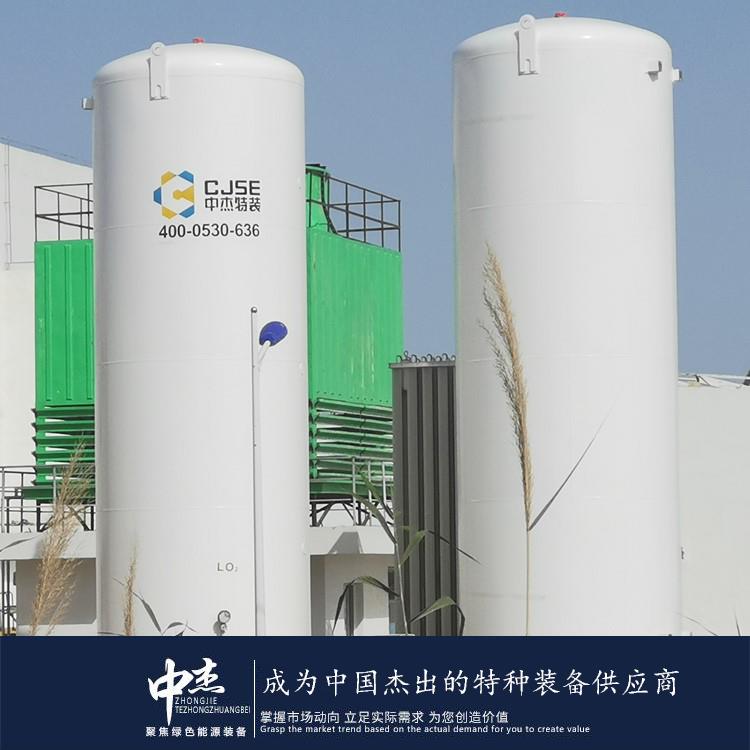
When using carbon dioxide storage tanks, the following points should be noted:
Safety Operation: When using carbon dioxide storage tanks, it is mandatory to follow relevant safety operation procedures and standards. Operators should receive training to understand the tank's characteristics, operational requirements, and safety measures, and operate strictly according to the procedures.
Tank Inspection: Regularly inspect the tank's appearance, sealing, valves, and pipeline connections to ensure the tank's integrity and safety. Any abnormalities or damage should be repaired or replaced promptly.
Tank Pressure Control: The tank's pressure should be controlled within a safe range. Regularly check and calibrate pressure sensors, safety valves, etc., to ensure the normal operation of the pressure control system.
Temperature Control: Carbon dioxide storage tanks typically require maintenance at low temperatures. Ensure the proper operation of cooling equipment, regularly check and calibrate temperature sensors to maintain appropriate storage temperatures.
Leak Protection: Carbon dioxide is a gas prone to leakage, which can lead to safety risks and environmental pollution. Ensure the tank and pipeline sealing, regularly inspect and replace sealing components, and promptly address any leakage situations.
Fire and Explosion Prevention: Avoid open flame operations near the tank to prevent fire sources from contacting carbon dioxide. Maintain good ventilation around the tank to prevent the accumulation of carbon dioxide.
Waste Disposal: Dispose of discarded carbon dioxide storage tanks or residues in accordance with relevant regulations and standards. Adhere to environmental protection requirements to ensure the safe disposal of waste and environmental protection.
Regular Maintenance: Regularly maintain and inspect the tank, including cleaning and painting.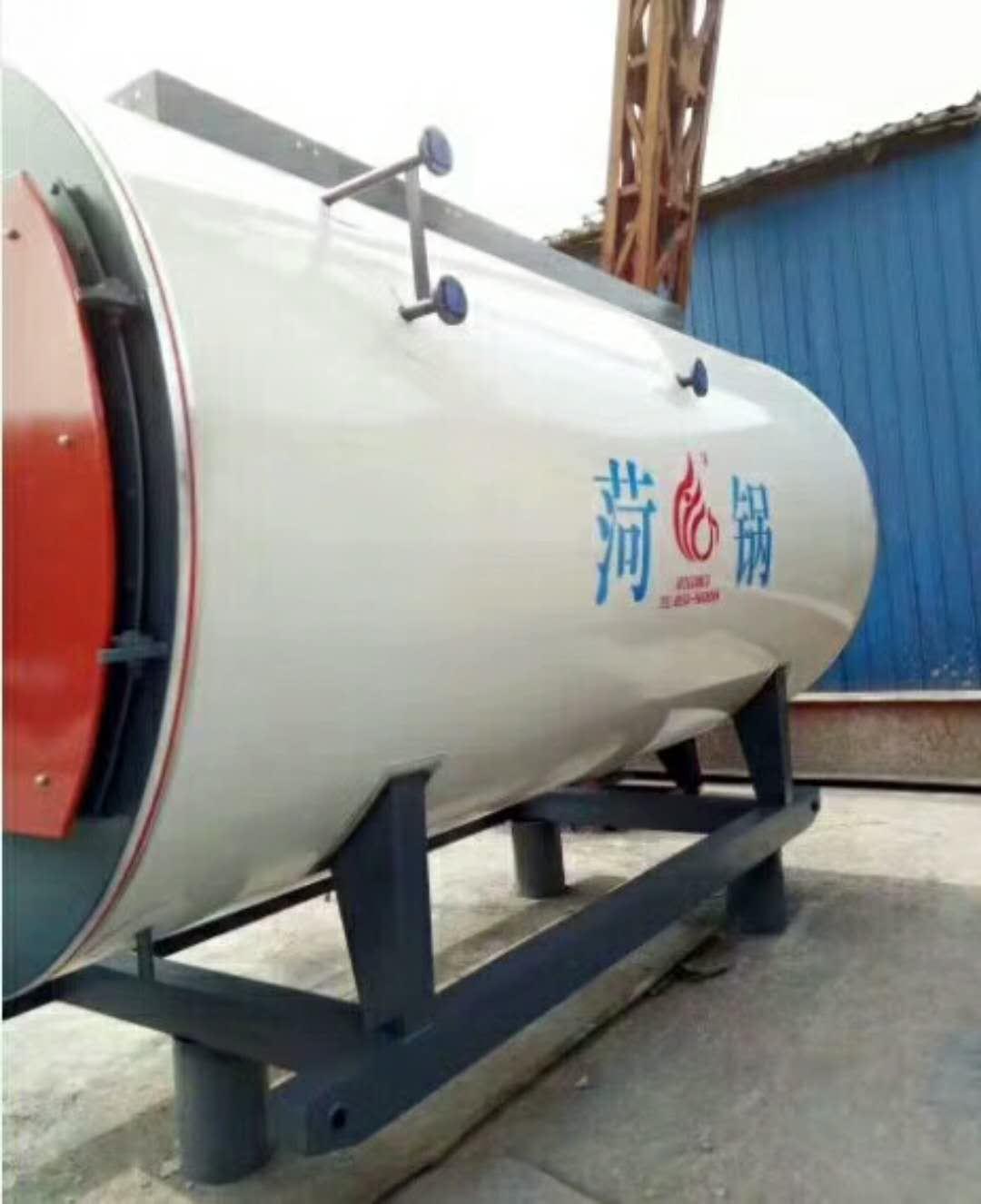
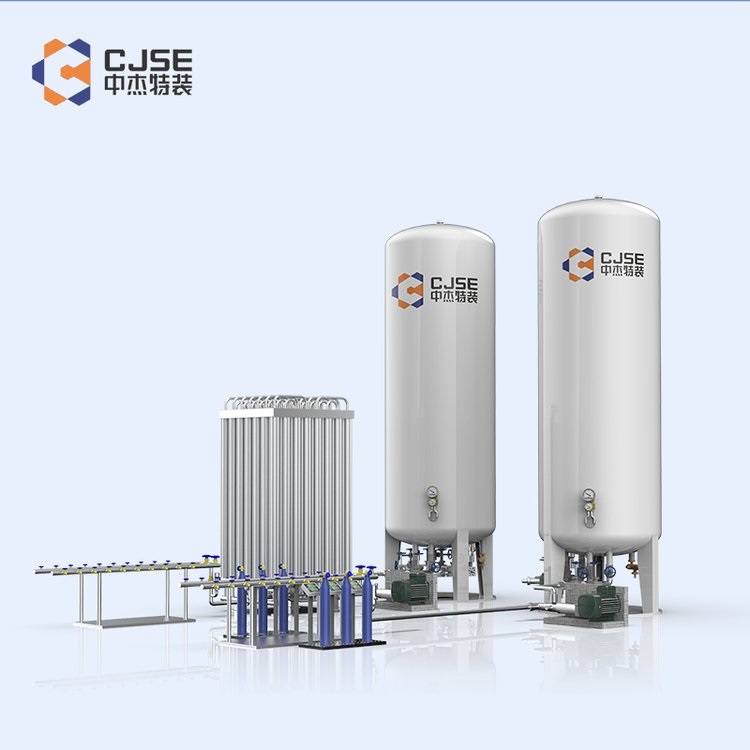
Carbon dioxide tanks are equipment used for storing and transporting carbon dioxide (CO2). They are typically sealed containers with specialized design and structure to ensure safe storage and use of CO2. Here are some common details about carbon dioxide tanks:
Storage Form: CO2 is in a gaseous state at room temperature but can be compressed into a liquid under high pressure for easier storage and transport. Carbon dioxide tanks usually store liquid CO2.
Storage Pressure: These tanks typically store high-pressure CO2 at around 20-25 bar. This high-pressure state helps maintain CO2 in a liquid state.
Storage Capacity: The capacity of carbon dioxide tanks can vary from small ones with a few thousand liters to large ones with tens of thousands of liters, depending on specific application needs.
Safety: CO2 is colorless, odorless, and non-toxic, but it can be dangerous at high concentrations, causing asphyxiation. Therefore, appropriate safety measures such as ventilation and protective gear must be taken when using carbon dioxide tanks to ensure the safety of operators.
Applications: Carbon dioxide tanks are widely used in various fields, including the food and beverage industry, manufacturing, fire suppression, and gas supply. They store and provide CO2 to meet diverse industrial needs.
It is important to note that the design, manufacturing, and use of carbon dioxide tanks must comply with relevant regulations, standards, and safety requirements. When using carbon dioxide tanks, operators should follow the operating manual and safety guidelines, and cooperate with local regulatory authorities to ensure the tank's safety and reliability.
Shandong Zhongjie Special Equipment, welcome customers to our factory for business discussions.
WeChat Official Account

Scan to follow Official Account



















