



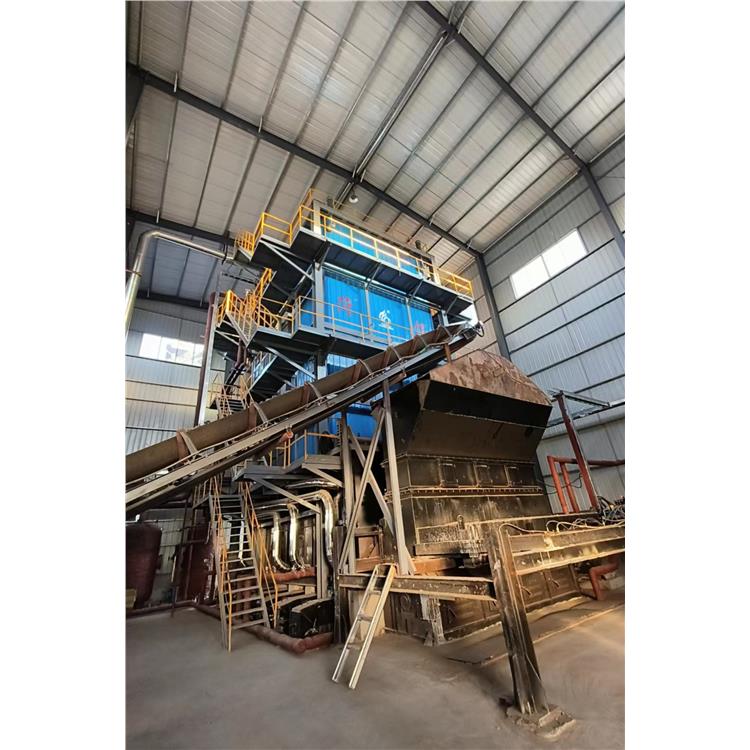
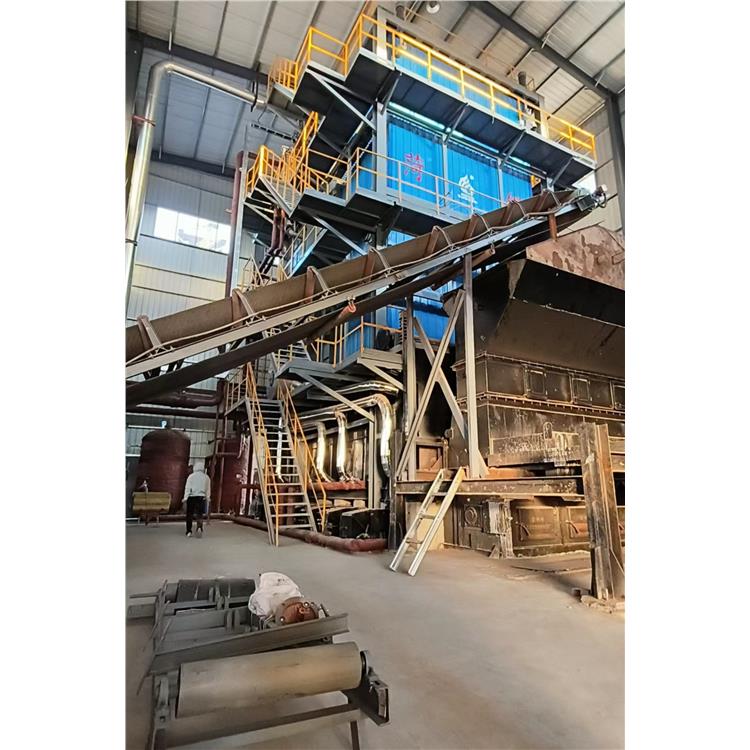


















Shandong Zhongjie Special Equipment (formerly Heze Boiler Factory Co., Ltd.) was established in 2001, located at No. 2218 Jinnan Road, Development Zone, Heze City, with a registered capital of 50 million yuan and total assets of 500 million yuan. The company has 7 business centers: boilers, deep-freeze containers, pressure vessels, central air conditioning, engineering installation, international trade, and Internet of Things. It has three factory sites on Jinnan Road, East Changjiang Road, and Bohai Road, covering a total of 200,000 square meters, with the main workshop spanning 83,000 square meters. It currently employs 710 people, including 247 engineers and technicians and 82 intermediate-level technicians. In December 2016, it was recognized as a "High-tech Enterprise" by the Science and Technology Department. In June 2021, it was identified as a "Specialized and New Enterprise in Shandong Province" by the Department of Industry and Information Technology. In June 2022, it was recognized as a "Gazelle Enterprise in Shandong Province" and in August 2022, it was identified as a "Specialized and New Small Giant Enterprise" by the Ministry of Industry and Information Technology.
High evaporation rate in biomass pellet boiler fuel may lead to the following issues:
Incomplete combustion: High-volatile fuel releases a large amount of steam during combustion, which lowers the combustion temperature and affects the completeness of combustion. Incomplete combustion leads to heat loss and increased emissions, reducing the boiler's thermal efficiency and environmental performance.
Poor combustion stability: Fuels with high volatility are prone to instability in the combustion process, potentially leading to flameout and uneven combustion. This can cause the boiler to operate unpredictably, affecting the stability of hot water supply.
To address the issues caused by high-evaporation fuel, the following measures can be taken:
Combustion System Optimization: Optimize the combustion system of biomass pellet boilers, including aspects such as combustion chamber design, combustion air supply, and mixing. Enhance combustion completeness and stability through measures like increasing combustion temperature and oxygen supply.
Combustion Adjustment Control: Utilizes a combustion adjustment control system that monitors and regulates parameters such as temperature and oxygen content in real-time during the combustion process. Adjusts the supply of combustion air according to actual conditions to maintain stability and completeness of combustion.
Fuel Pretreatment: Pre-treat biomass pellet fuel with high volatilization content, such as drying and crushing. By reducing the moisture content and particle size of the fuel, the content of volatiles is minimized, enhancing the efficiency and stability of combustion.
Burn parameter adjustment: Adjust the boiler's burn parameters, such as burn temperature and duration, based on actual conditions. Through reasonable parameter adjustments, make the burn process more suitable for the characteristics of high-evaporation fuel.
Many factors can affect the thermal efficiency of biomass boilers; here are some common factors analyzed:
Fuel Quality: The quality of biomass fuel directly impacts the combustion process and thermal efficiency. Characteristics such as fuel moisture, ash content, and volatile content affect the stability and efficiency of combustion. Higher quality fuel can improve combustion efficiency and reduce energy loss.
Combustion System: The design and operational status of the combustion system significantly impact thermal efficiency. A well-designed combustion system ensures complete combustion and utilization of fuel. Adjustments to parameters such as combustion air volume, combustion temperature, and combustion time can optimize the combustion process and enhance thermal efficiency.
Excess Air: Excess air leads to incomplete fuel combustion and energy waste. Properly controlling the air supply during the combustion process and preventing excess air from entering the furnace can improve combustion efficiency.
Temperature Control: Proper temperature control of the boiler significantly impacts thermal efficiency. Reasonably controlling parameters such as water temperature and steam temperature, avoiding both excessively high and low temperatures, can enhance thermal efficiency.
Cleaning and Maintenance: Regularly clean and maintain boiler equipment, including ash and soot in the furnace chamber, to maintain heat exchange efficiency and reduce thermal resistance and loss.
Flue Gas Heat Recovery: By utilizing heat recovery systems such as economical air preheaters and economizers, the waste heat from flue gas can be recovered and utilized, thereby enhancing the boiler's thermal efficiency.
Boiler design and equipment selection: Rational boiler design and the selection of equipment, such as burners, high
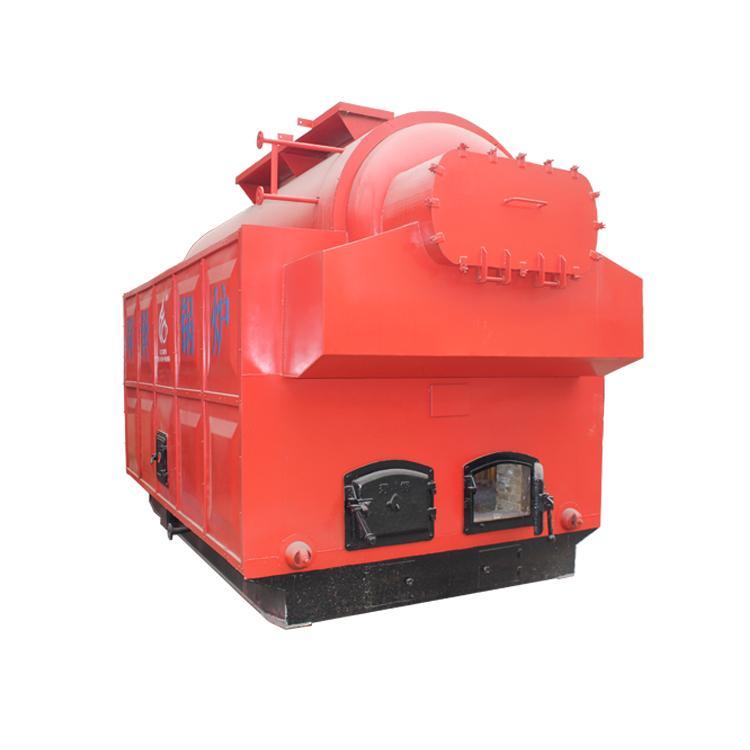
Biomass fuel boilers feature the following product characteristics:
Fuel Diversity: Biomass fuel boilers can accommodate a variety of biomass fuels, such as wood chips, straw, rice husks, etc. This diversity allows for greater flexibility and sustainability in energy utilization.
Eco-friendly Low Emission: Biomass fuel boilers burn biomass fuel, resulting in relatively low emissions during combustion, such as particulates and nitrogen oxides. Therefore, biomass fuel boilers have lower carbon emissions and environmental pollution.
Energy-saving: Biomass fuel boilers utilize advanced combustion technology and heat recovery techniques to achieve high combustion and heat utilization efficiency. They have high combustion efficiency and thermal efficiency, maximizing the energy utilization of biomass fuel.
Automated Control: The biomass fuel boiler is equipped with an automated control system that accurately controls and adjusts parameters such as temperature, pressure, and fuel supply. The control system features safety protection functions to ensure the safe operation of the boiler.
High Reliability and Stability: The materials and processes used in biomass fuel boilers offer excellent durability and stability. Rigorous quality control and testing ensure the boiler's high reliability and long-term stable operation.
Flexible Application: Biomass fuel boilers are widely applicable in industrial, commercial, and residential sectors, such as heating, heating systems, and steam generators. They offer flexible installation options and capacity choices, catering to the diverse needs of different users.
The occurrence of oil spray in thermal oil heaters may be related to the following operations:
Excessive oil pump pressure: If the oil pump pressure of the thermal oil furnace is set too high, exceeding the design requirements, it may lead to oil spraying. Excessive oil pump pressure increases the amount of oil sprayed by the nozzle, surpassing the combustion needs within the furnace.
Excessive nozzle orifice size: An oversized nozzle orifice in a thermal oil furnace can lead to excessive oil injection, causing oil spray issues. The nozzle orifice size should be selected rationally based on the combustion requirements within the furnace and design specifications.
Excessive furnace temperature: Overheating in the thermal oil furnace, exceeding the design requirements, may lead to oil jetting. Excessive temperature reduces the viscosity of the thermal oil, increasing the risk of oil jetting.
Low oil level: An excessively low oil level in the thermal oil furnace can cause the oil pump to intake air, potentially leading to fuel jetting. The oil level should be maintained within the normal range to prevent the oil pump from taking in air.
Oil Pump Failure: Faults in the thermal oil boiler's oil pump, such as clogging or oil leakage in the pump housing, can lead to the occurrence of oil spitting. Regularly inspect and maintain the oil pump to ensure its proper operation.
Oil Tube Clogging: Oil tube clogging in a thermal oil furnace, caused by accumulated impurities or sediments, may lead to oil spitting. Regularly clean and maintain the oil tubes to ensure smooth oil flow.
Improper Operation: Failure to follow the correct operating procedures when handling a thermal oil furnace, such as over-adjusting the oil pump pressure or arbitrarily changing nozzles, may lead to oil spray occurrences.
Zhongjie Special Equipment upholds the grand vision of "realizing employees' dreams, creating value for customers, and striving for the prosperity and strength of our motherland," and is dedicated to the development of the green energy equipment industry. We offer society high-value products and services!
WeChat Official Account

Scan to follow Official Account



















