


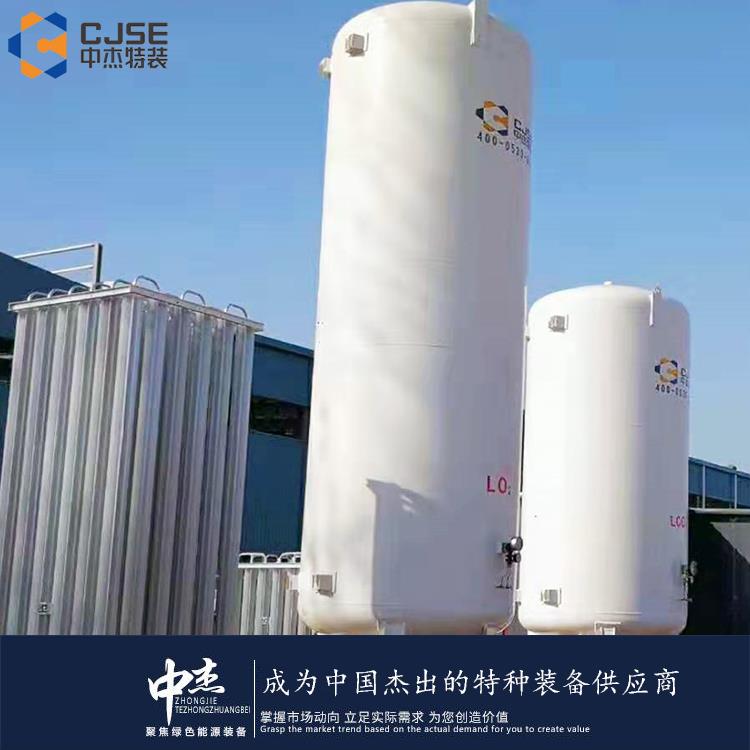

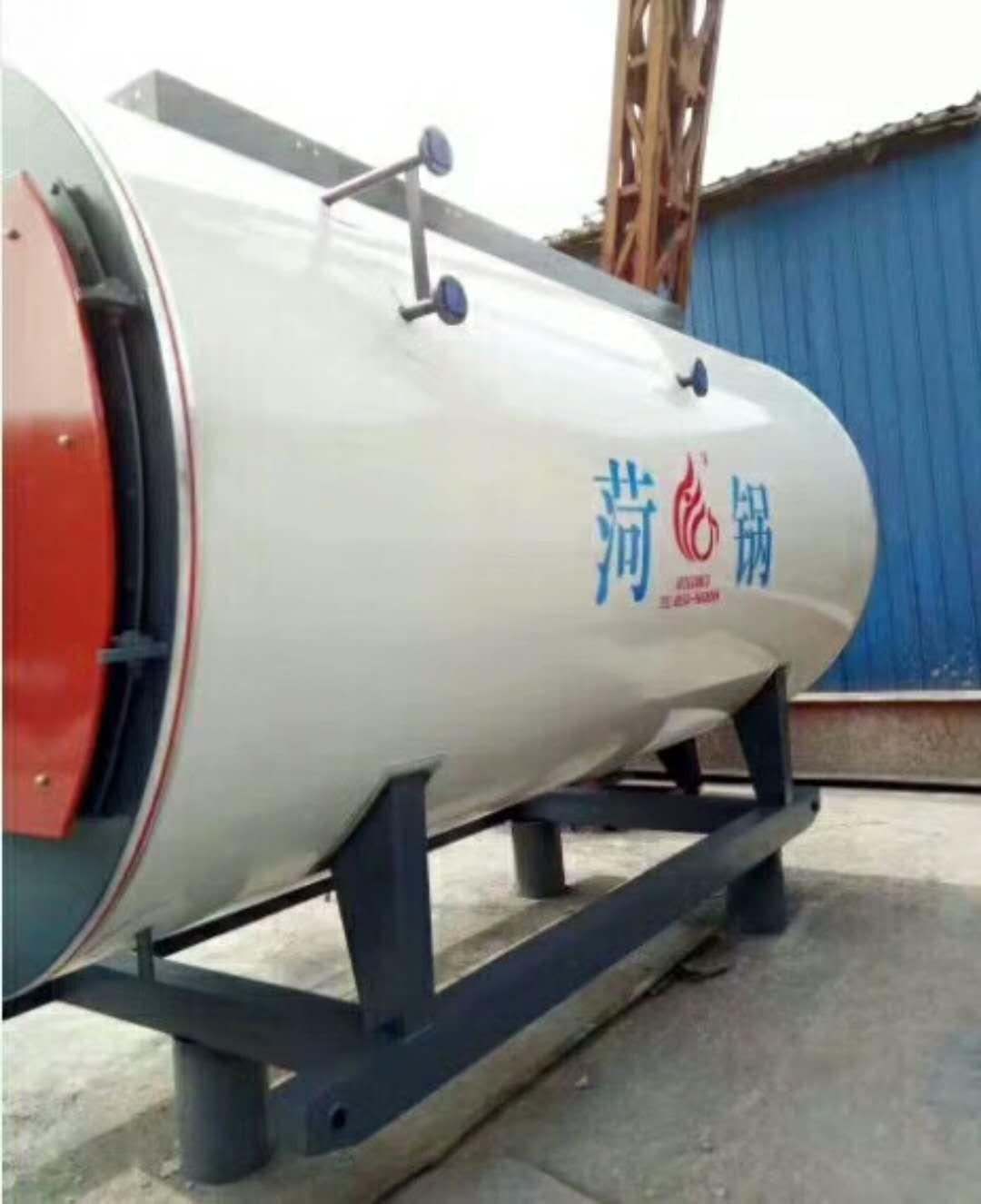


















Shandong Zhongjie Special Equipment's main products include: fuel (gas) boilers, organic heat carrier boilers, biomass boilers, waste heat boilers, and other boiler products; vacuum insulation cryogenic pressure vessels such as LNG tanks, oxygen/nitrogen/argon tanks, and CO2 tanks; pressure vessel products such as denitrification engineering equipment, heat storage and energy storage equipment, and complete chemical equipment; central air conditioning and HVAC equipment such as ground (water) source heat pumps, air source units, water-cooled screw units, and air-cooled modular units. Planned products include large-scale energy centers, LNG transport vehicles, LNG tank containers, and other green energy equipment.
When using CO2 storage tanks, the following points should be noted:
Safety Operation: Prior to operating a CO2 storage tank, it is mandatory to familiarize yourself with and comply with the relevant safety operation procedures and guidelines. Ensure that operators have received the necessary training and are aware of the tank's working principles, operational procedures, and emergency measures.
Tank Inspection: Regularly inspect the external and internal conditions of the CO2 storage tank, including checking for corrosion, leaks, and welds on the tank walls. If any abnormalities or damage are found, take prompt corrective or replacement actions.
Tank Pressure Control: Maintain the tank's internal pressure within a safe range. Monitor and control the tank's pressure to prevent damage or safety risks from excessive or low pressure.
Fire Prevention Measures: CO2 is a flammable gas, and fire prevention measures must be taken when using it. Avoid open flame operations near the tank and ensure there are no flames in the surrounding environment.
Leakage Management: In the event of a CO2 leak, appropriate emergency measures should be taken immediately. Quickly notify relevant personnel, ensure safe evacuation, and take steps to prevent the spread of the leak.
Tank Maintenance: Regularly maintain and service the tank, including cleaning, lubricating, and corrosion prevention. Follow the manufacturer's recommendations and guidelines to ensure the tank operates normally and has a long service life.
Compliance: Adhere to local regulations, standards, and specifications to ensure that the tank's design, manufacturing, installation, and use meet the corresponding requirements.
It is crucial to strictly adhere to safety operation procedures when using CO2 storage tanks and to cooperate with relevant personnel to ensure the tank's safety and reliability.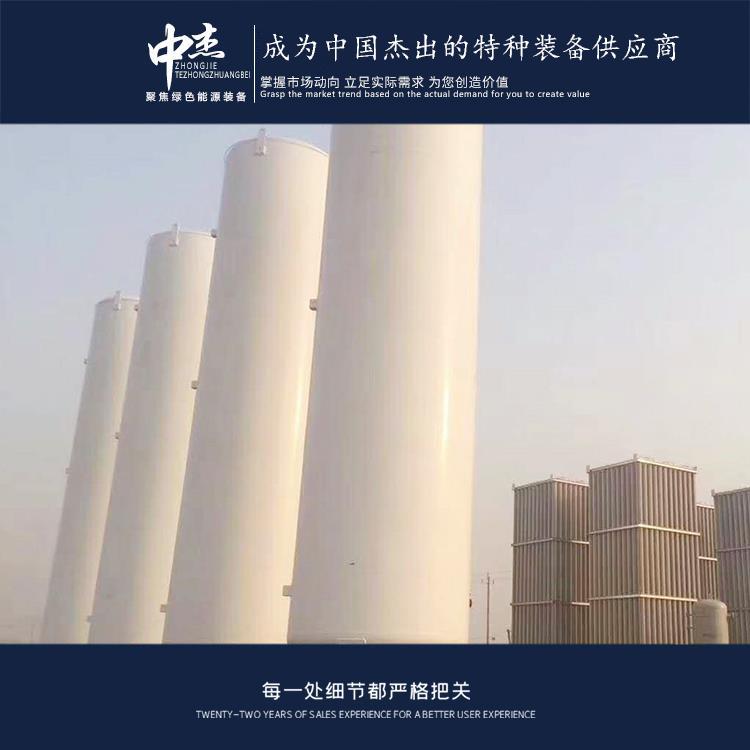
Urea synthesis from carbon dioxide is a crucial chemical reaction with several applications: Urea Production: Urea is a vital nitrogen fertilizer and chemical, widely used in both agricultural and industrial sectors. The synthesis of urea from carbon dioxide is one of the commonly used methods for producing urea. In this process, carbon dioxide reacts under high temperature and pressure to produce urea. This method utilizes carbon dioxide resources, reducing dependence on fossil fuels used in traditional urea production methods. Urea Fuel: Urea can also serve as a urea fuel for internal combustion engines and combustion equipment. By heating and decomposing urea, it releases a substance that then reacts with oxygen in the air to produce combustion heat. This combustion process only yields water vapor and nitrogen as by-products, minimizing environmental pollution. Chemical Synthesis: Urea is an essential raw material for the synthesis of many chemicals. The synthesis of urea from carbon dioxide provides a sustainable supply for the chemical industry, used to manufacture other chemicals like plastics, resins, coatings, etc. Energy Storage: Urea can also act as a medium for energy storage. By synthesizing urea from carbon dioxide, energy can be stored in the form of chemical bonds. When energy is needed, it can be released by decomposing urea, which then reacts with oxygen in the air to produce combustion heat and release the stored energy. The development of urea synthesis from carbon dioxide aims to reduce dependence on fossil fuels used in traditional urea production methods, lower greenhouse gas emissions, and promote the development of sustainable agriculture and the chemical industry. However, this technology is still in continuous development and research, requiring further technical breakthroughs and practical verification for large-scale application.
The application standards for liquid carbon dioxide storage tanks mainly include the following aspects:
Carbon dioxide storage tanks feature the following characteristics:
- High-pressure Storage: These tanks are commonly used for high-pressure storage and can withstand significant pressure. The CO2 inside the tank exists in a gaseous or liquid state, typically at pressures ranging from tens to hundreds of MPa.
- High-Density Storage: When stored in a liquid state, CO2 has a higher storage density, allowing for more CO2 to be stored in a smaller tank compared to gaseous storage, thereby enhancing storage efficiency.
- Corrosiveness: CO2 has some degree of corrosiveness, which can erode certain materials. Therefore, storage tanks are usually made from corrosion-resistant materials like stainless steel or alloy steel to ensure durability and safety.
- Temperature Sensitivity: CO2 is a gas at room temperature but can condense into a liquid at lower temperatures. As such, storage tanks often require insulation to maintain a低温 state inside.
- Safety Protection: Storage tanks are equipped with safety valves and pressure relief devices to control internal pressure and temperature, ensuring the safety of the storage process. Additionally, they must have good sealing properties to prevent leaks.
- Wide Application: Carbon dioxide storage tanks are widely used in various industries, including food and beverage, pharmaceutical, and chemical sectors. They can be used for freezing food, refrigeration equipment, gas supply, and more, meeting diverse industry needs.
- In summary, carbon dioxide storage tanks possess high-pressure storage, high-density storage, corrosiveness, temperature sensitivity, safety protection, and wide application. These features make them crucial equipment for storing and using CO2 in numerous industries.
Shandong Zhongjie Special Equipment, welcome customers to visit our factory for business discussions.
WeChat Official Account

Scan to follow Official Account



















