



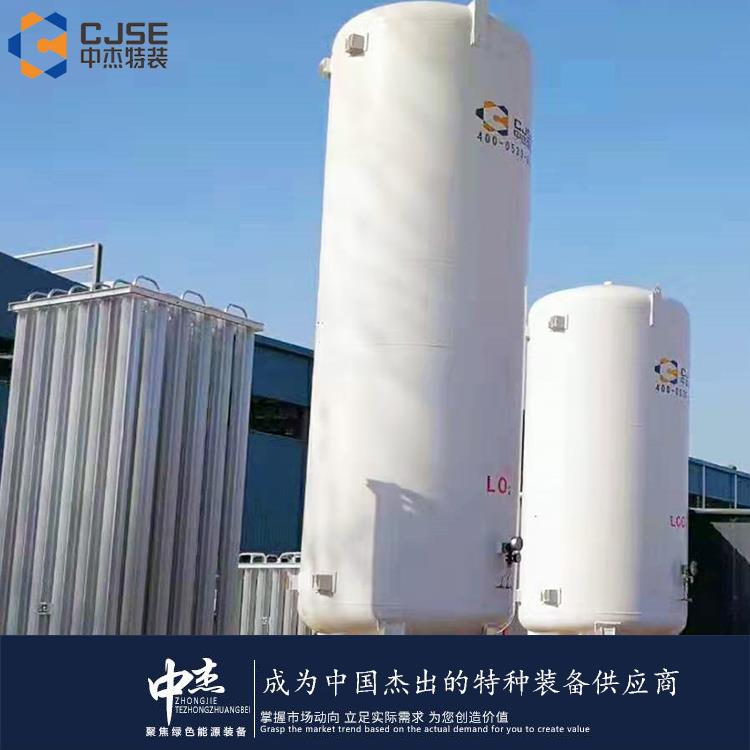
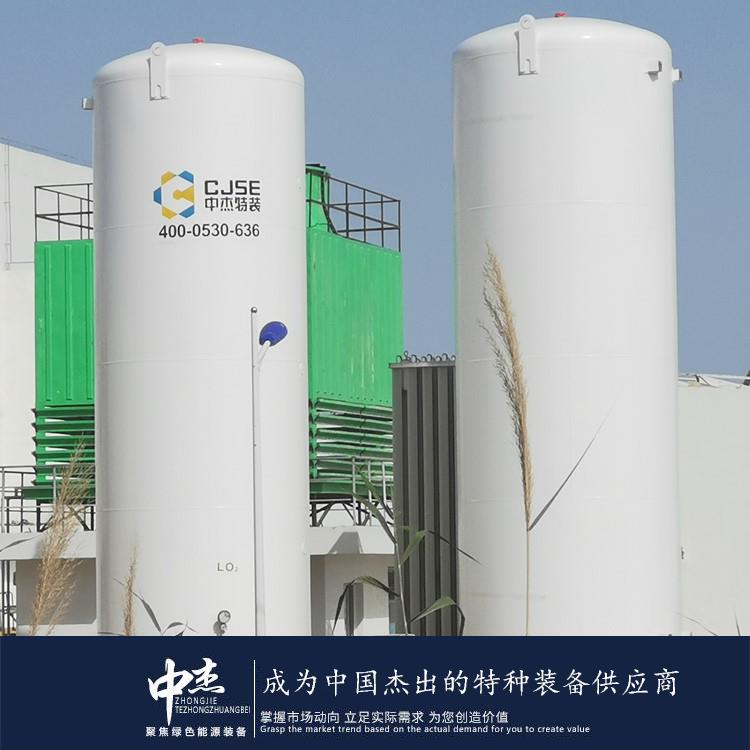


















Shandong Zhongjie Special Equipment (formerly Heze Boiler Factory Co., Ltd.) holds an A-grade boiler manufacturing license, A2-grade pressure vessel manufacturing license, A2-grade pressure vessel design license, B-grade boiler installation, and GB2/Class, GC2/Class pressure pipeline installation licenses, as well as equipment and mechanical installation contracting qualifications. It is a member of the China Boiler and Water Treatment Association, the China Chemical Equipment Association, and a director unit of the Shandong Equipment Manufacturing Association. The company has also passed certifications for the ISO9001 Quality Management System, ISO14001 Environmental Management System, OHSAS18001 Occupational Health and Safety Management System, and the U.S. ASME/U2 certification.
When using CO2 storage tanks, pay attention to the following aspects:
- Safe Operation: Adhere to relevant safety operation procedures and standards, ensuring operators have the necessary safety knowledge and skills. When using the tank, be mindful of safety risks such as leaks, explosions, and fires.
- Tank Pressure Control: Monitor and control the tank's pressure to ensure it remains within a safe range. Avoid exceeding the tank's rated pressure to prevent rupture or leakage.
- Level Monitoring: Regularly monitor the liquid level within the tank to ensure adequate CO2 supply. Avoid overfilling or underfilling to maintain an appropriate level.
- Static Electricity Measures: Implement static electricity prevention measures to avoid static buildup and discharge. Use anti-static equipment and tools to ensure static safety during operations.
- Tank Maintenance: Regularly inspect and maintain the tank, including its appearance, valves, and fittings. Ensure the tank is intact to prevent leaks and damage.
- Waste Gas Treatment: Handle waste gases produced by CO2 storage tanks to avoid environmental pollution. Take appropriate waste gas treatment measures, such as collecting and processing the waste gases.
- Storage Records: Document the tank's usage, including filling dates, quantities, and inspection records. Regularly conduct tank inspections and maintenance, and retain relevant records.
- Training and Awareness: Train operators to enhance their awareness and ability in safe CO2 tank operation. Conduct regular safety training and drills to prepare for emergencies.
- Note: The above are common precautions; specific considerations may vary depending on tank type and application. When using CO2 storage tanks, operate according to relevant regulations and standards, and consult experts to ensure safety and effectiveness.
There are several types of carbon dioxide storage tanks: Atmospheric Storage Tanks: These are containers for storing carbon dioxide at pressures close to atmospheric pressure. They are suitable for low-pressure applications such as the beverage industry and gas fire suppression systems. High-Pressure Storage Tanks: These tanks store carbon dioxide at pressures above atmospheric pressure and are commonly used in industrial fields like chemical processing and refrigeration. Liquid Storage Tanks: These tanks liquefy and store carbon dioxide at temperatures below room temperature. They are typically used for large-scale storage of liquid carbon dioxide, such as in food freezing and pharmaceutical manufacturing. Vapor Storage Tanks: These tanks store liquid carbon dioxide in a gaseous state, with temperatures and pressures suitable for vaporization. They are often used where liquid carbon dioxide needs to be vaporized for supply, such as in beverage carbonation and welding. Insulated Storage Tanks: These tanks have excellent thermal insulation properties to reduce heat transfer and liquid evaporation. They are commonly used for long-term storage of liquid carbon dioxide, such as in scientific research and cold storage. It's essential to select the appropriate type of carbon dioxide storage tank based on specific application needs and scenarios, and to operate and manage them in accordance with relevant regulations and standards.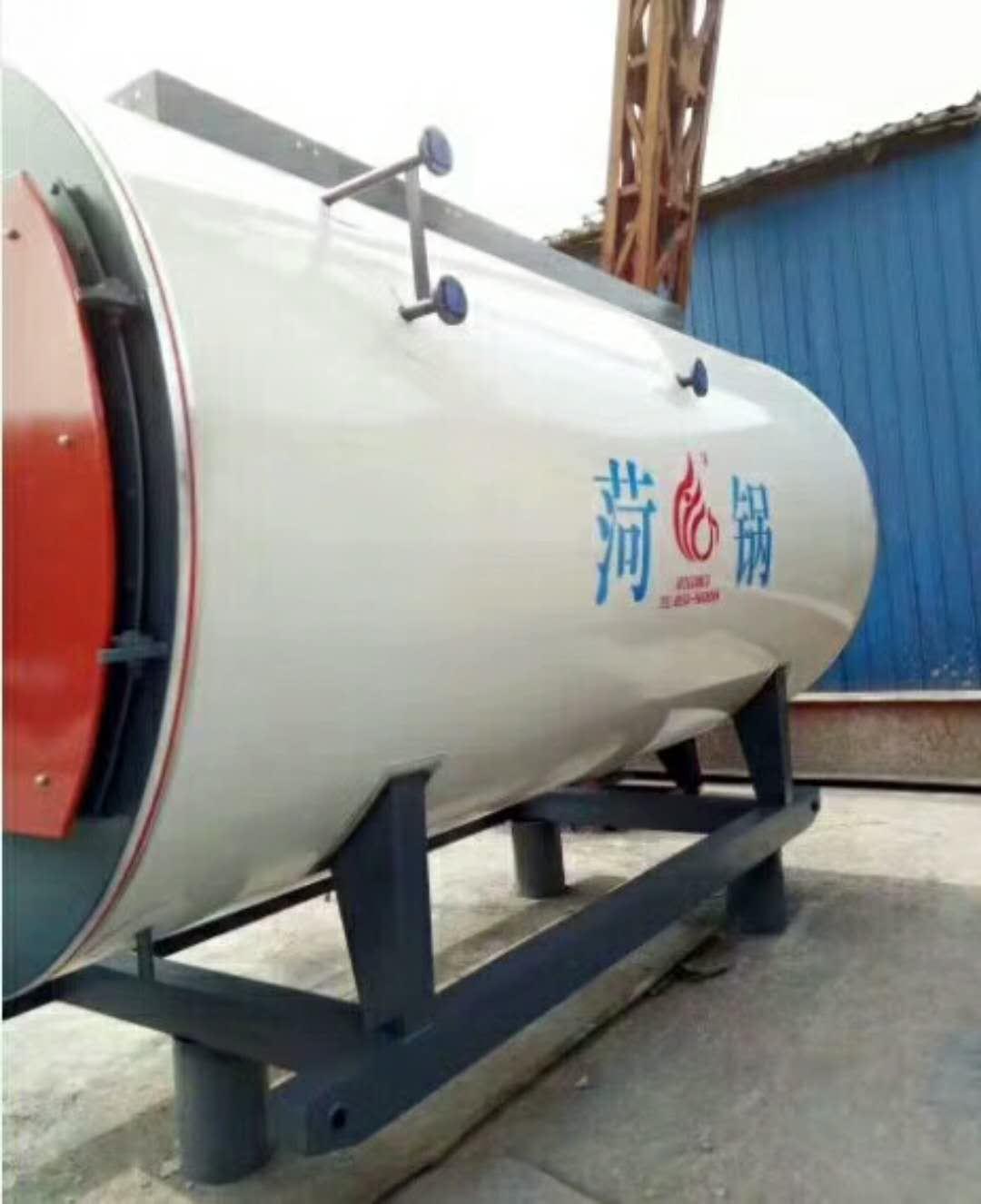
CO2 flooding is a commonly used enhanced oil recovery technique to increase the recovery rate of oil fields. It works by injecting CO2 gas into the reservoir to alter its physical and chemical properties, thereby promoting flow and enhancing recovery. The working principle of CO2 flooding is as follows:
Dissolution Principle: CO2 has a high solubility in oil. When CO2 gas is injected into the reservoir, it dissolves in the oil, reducing its viscosity and surface tension, making it more fluid.
Expansion Displacement Principle: After CO2 gas is injected into the reservoir, it expands to form a gas phase, increasing the internal pressure of the reservoir, thereby pushing the oil towards the wellbore. Additionally, CO2's high permeability can improve the reservoir's permeability, enhancing fluidity.
Chemical Reaction Principle: CO2 reacts with certain components in the oil, producing soluble substances, further reducing viscosity and improving fluidity.
CO2 flooding technology offers certain advantages in oil field development, such as:
Environmental Friendliness: CO2 is a clean, non-toxic, and renewable gas. Using CO2 flooding can reduce environmental pollution.
Economic Efficiency: CO2 flooding can increase the recovery rate of oil fields, boost production, and thus enhance economic benefits.
Sustainability: CO2 can be separated from air or captured and stored from industrial flue gases, enabling the recycling of CO2 and ensuring sustainability.
It is important to note that the application of CO2 flooding technology requires consideration of reservoir characteristics, geological conditions, and economic feasibility factors. A thorough reservoir evaluation and engineering design must be conducted before implementing CO2 flooding to ensure the effectiveness and safety of the technology.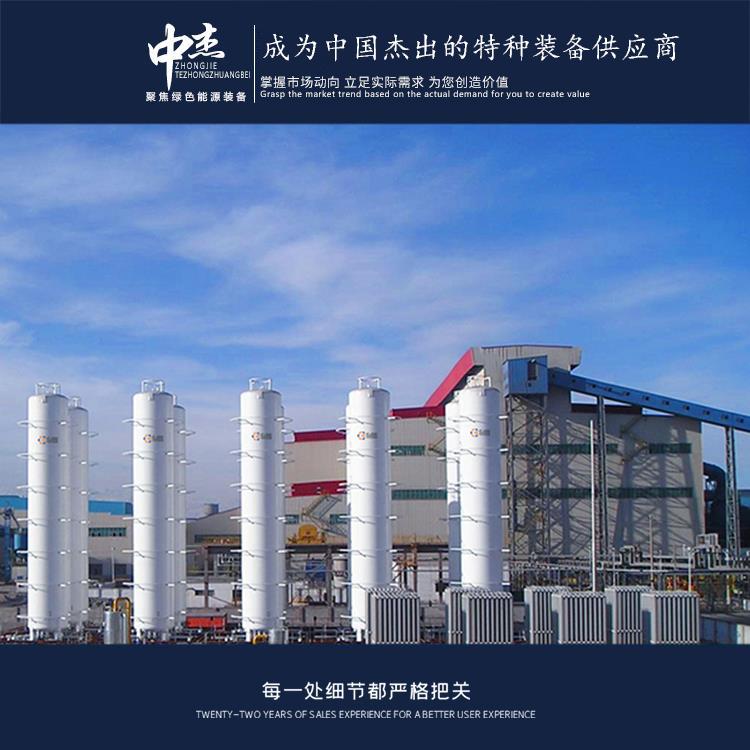
Carbon dioxide storage tanks feature the following characteristics and advantages: High Storage Density: These tanks can compress carbon dioxide gas into a liquid state, significantly increasing storage density. Compared to storing in its gaseous form, liquid carbon dioxide can be stored in a smaller tank, saving space and costs. Versatile Applications: Carbon dioxide tanks are widely used across various industries, including food and beverage, industrial, fire suppression, and gas supply. Carbon dioxide serves as a preservative, effervescent agent in beverages, gas, and fire extinguisher, with broad applications and market demand. Eco-friendly and Renewable: Carbon dioxide is an environmentally friendly gas, and its increased concentration in the atmosphere contributes to warming and climate change. By storing and utilizing carbon dioxide, we can reduce its emission into the atmosphere, promoting environmental protection and sustainable development. Safe and Reliable: In the design and manufacturing process, carbon dioxide tanks typically use high-strength materials (such as carbon steel or stainless steel), offering excellent pressure resistance and safety. The tanks are usually equipped with safety valves, pressure gauges, and level indicators to ensure safe operation. Moreover, carbon dioxide is a non-flammable and non-explosive gas, making it relatively safe. Supply: Carbon dioxide storage tanks provide a stable supply of carbon dioxide. Through tank design and control systems, accurate measurement and supply of carbon dioxide can be achieved, meeting various industrial and application needs. In summary, carbon dioxide storage tanks offer high storage density, versatile applications, eco-friendliness, safety, and reliability, making them an essential storage and supply equipment widely used across multiple industries. However, when using carbon dioxide storage tanks, it is still necessary to follow relevant safety operating regulations.
Zhongjie Special Equipment adheres to the great vision of "realizing employees' dreams, creating value for customers, and striving for the prosperity and strength of our motherland," focusing solely on the development of green energy equipment. We dedicate products and services with high cost-performance to society!
WeChat Official Account

Scan to follow Official Account



















