


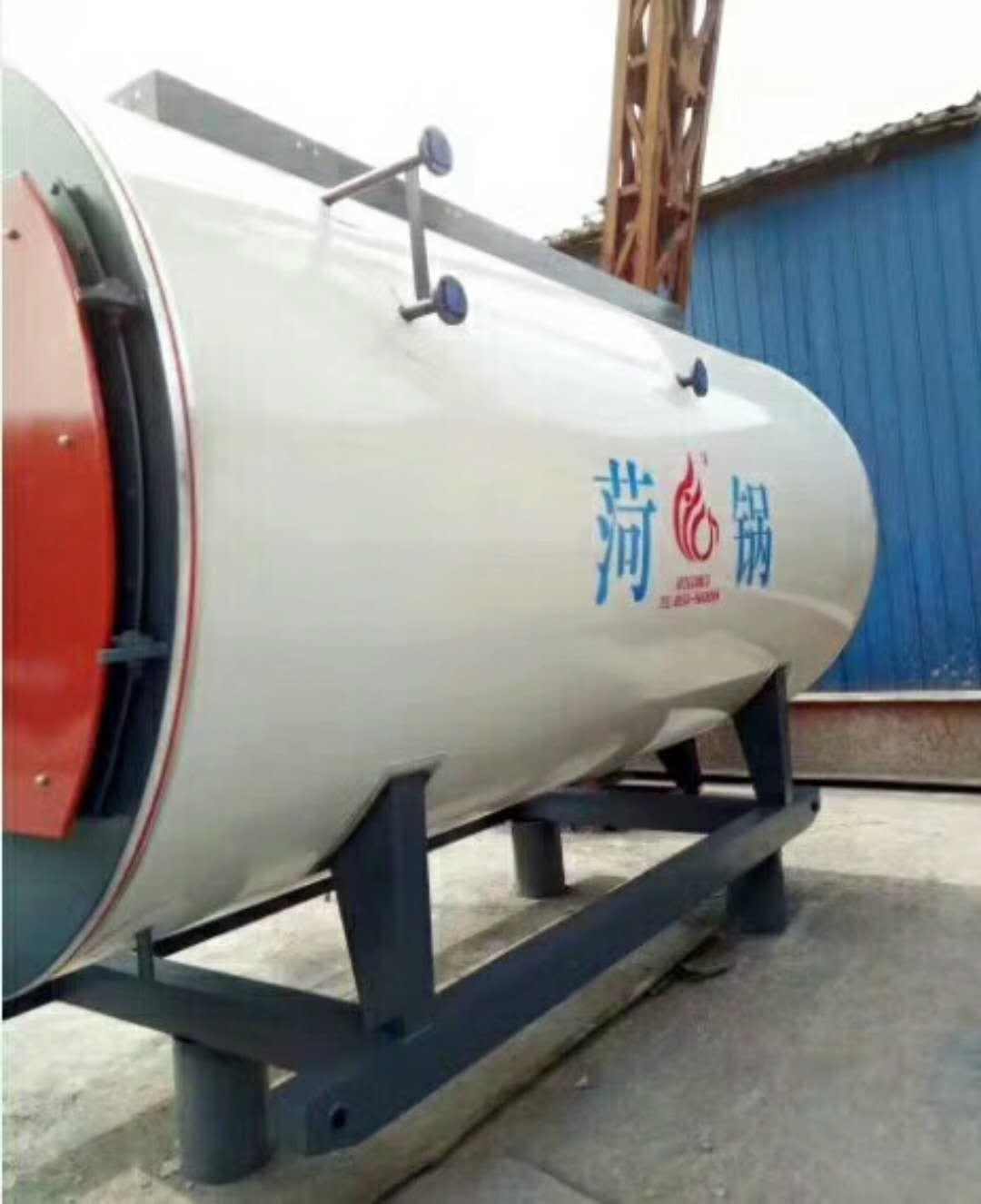

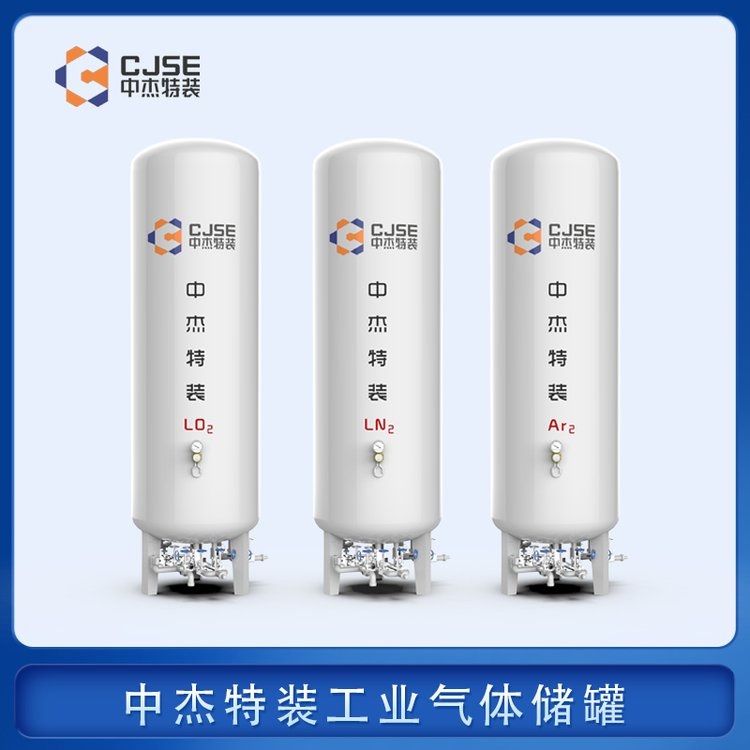
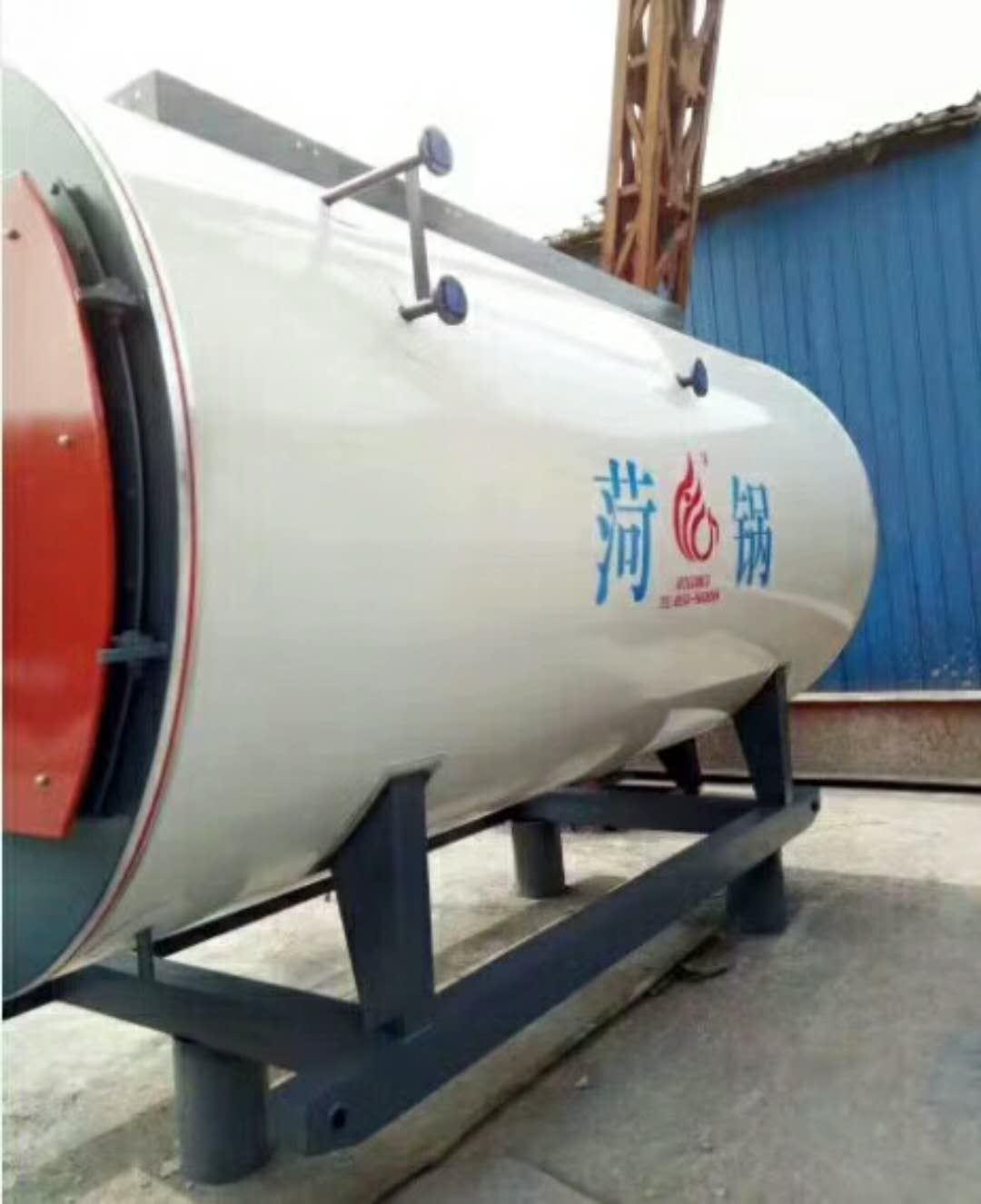


















Shandong Zhongjie Special Equipment Co., Ltd. (formerly Heze Boiler Factory Co., Ltd.) was established in 2001, located at No. 2218 Jinnan Road, Economic and Technological Development Zone, Heze City. With a registered capital of 50 million yuan and total assets of 500 million yuan, the company has seven business centers: boiler manufacturing, deep-freezing containers, pressure vessels, central air conditioning, engineering installation, international trade, and Internet of Things. It operates three factory sites on Jinnan Road, East Changjiang Road, and Bohai Road, covering a total area of 200,000 square meters, with the main workshop spanning 83,000 square meters. It currently employs 710 staff, including 247 engineers and technicians, and 82 intermediate-level technical personnel. In December 2016, it was recognized as a "High-Tech Enterprise" by the Science and Technology Department. In June 2021, it was named a "Specialized and New Enterprise in Shandong Province" by the Ministry of Industry and Information Technology. In June 2022, it was identified as a "Deer Enterprise in Shandong Province" and in August 2022, it was recognized as a "Specialized and New Small Giant Enterprise" by the Ministry of Industry and Information Technology.
The cooling process for carbon dioxide storage tanks can vary based on specific application needs and process design. Below is an example of a general cooling process for carbon dioxide storage tanks: Initial cooling: When carbon dioxide enters the tank, it is typically subjected to initial cooling to reduce its temperature. This can be achieved by passing the carbon dioxide through a condenser or cooler. The cooling medium can be cold water or refrigerant. Tank cooling: After carbon dioxide enters the tank, it is necessary to continue cooling the tank itself to maintain the liquid state of the carbon dioxide. This can be done by setting up coolers or cooling pipes externally and circulating the cooling medium (such as cold water or refrigerant). Temperature control: During the tank cooling process, the temperature inside the tank needs to be controlled to ensure that carbon dioxide remains within an appropriate temperature range. This can be achieved through temperature sensors and control systems for automatic control based on set temperature ranges. Insulation: To minimize heat transfer and energy loss, tanks are often insulated. This can be done by setting up insulating materials (such as polyurethane foam or glass wool) externally to reduce heat conduction. Regular inspections and maintenance: In the tank cooling process, regular inspections and maintenance of cooling equipment and insulating materials are required to ensure proper operation and effectiveness. This includes cleaning coolers, inspecting the integrity and effectiveness of insulating materials, etc. It should be noted that the specific cooling process for carbon dioxide storage tanks may vary due to different application scenarios and process requirements. In actual application, process design and operation should be based on specific circumstances to ensure the safety and performance of the tank. Consult an engineer or storage tank expert.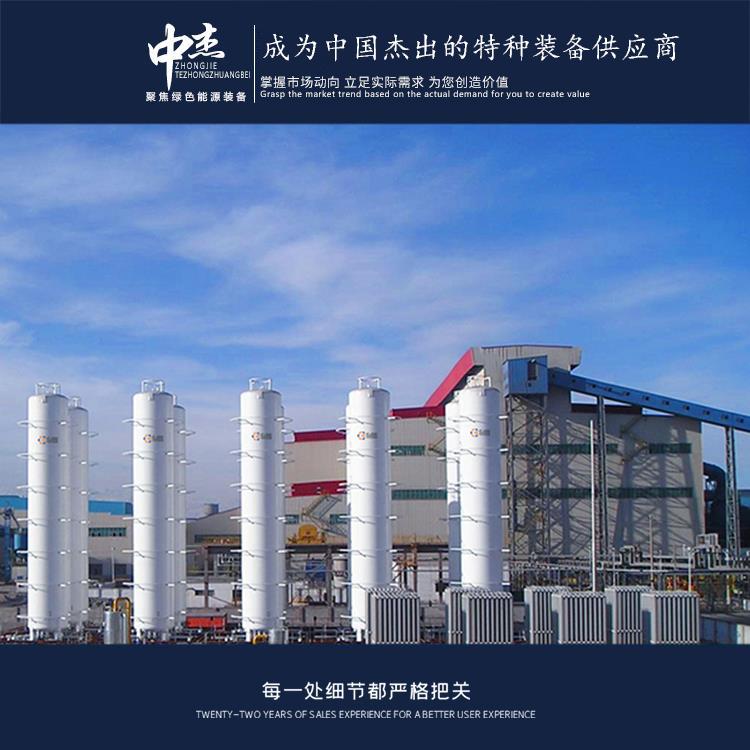
Carbon Dioxide Applications in the New Energy Field
Carbon Capture and Storage (CCS): This technology reduces carbon dioxide emissions by capturing CO2 from industrial sources and storing it underground, preventing it from entering the atmosphere. It aids in decreasing greenhouse gas emissions and mitigating climate change.
Carbon Utilization: CO2 can be utilized to produce valuable chemicals and fuels. For instance, through carbon dioxide catalytic conversion technology, CO2 can be transformed into fuels like ethanol. This method of CO2 utilization helps reduce reliance on traditional fossil fuels and promotes sustainable energy development.
Carbon Dioxide Batteries: These are a new type of battery technology that uses CO2 as the battery's electroactive material. By converting CO2 into electrical energy, these batteries can serve as a sustainable energy storage solution, fostering the development of electric vehicles and renewable energy.
Carbon Dioxide Photocatalysis: This technology uses solar energy to convert CO2 into useful chemicals. With the help of photo catalysts, CO2 and water can be transformed into combustible gases or organic compounds, thereby achieving resourceful utilization of CO2.
These applications aim to decrease CO2 emissions, enhance energy efficiency, and drive sustainable energy development. However, these technologies are still in continuous development and research, requiring further technical breakthroughs and practical validation.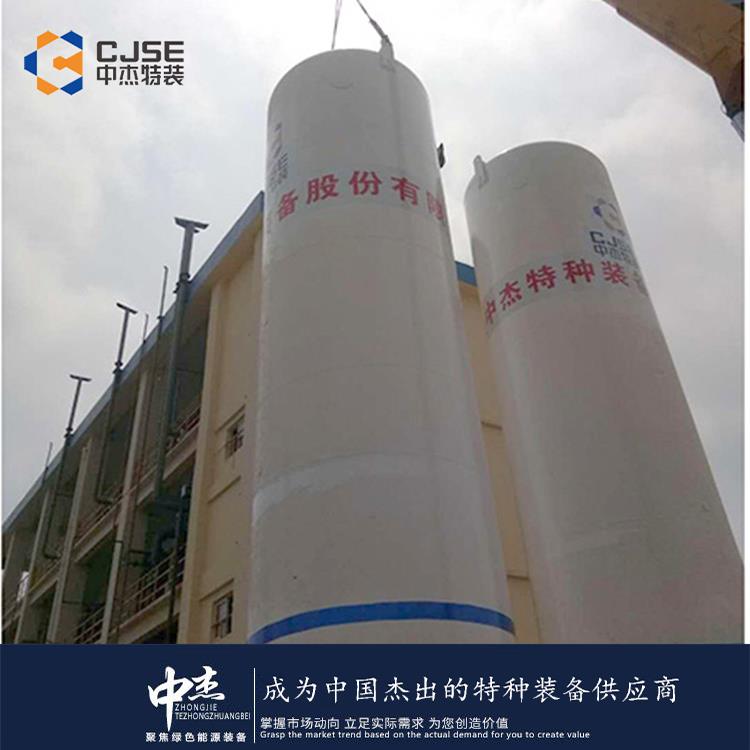
Common defects that may occur during the use of CO2 storage tanks include deformation. Here are some reasons that might cause the tank to deform: Overpressure: When the internal pressure of the tank exceeds its design pressure, deformation may occur. This could be due to operational errors, system failures, or other causes. Temperature Changes: CO2 storage tanks undergo thermal expansion and contraction with temperature changes. If the temperature fluctuates too much or too rapidly, deformation of the tank may result. Internal Corrosion: If there is internal corrosion in the tank, it can damage the structural integrity of the tank, leading to deformation. External Damage: External impacts, compressions, or other physical damages may cause the tank to deform. Incorrect Installation or Use: Improper installation or use methods may lead to uneven stress on the tank, causing deformation. Tank deformation can weaken the structural integrity of the tank and even pose risks of leakage or rupture. Therefore, it is important to regularly inspect and maintain the integrity of the tank, as well as to follow proper operational and installation procedures. If tank deformation or other defects are detected, or if there is suspicion of defects, the tank should be immediately discontinued from use and assistance from professionals should be sought for inspection and repair. Do not attempt to repair or continue using a defective tank yourself to ensure operational safety.
The testing and maintenance of liquid oxygen storage tanks are crucial for ensuring safe operation and extending their service life. Below is a general outline of the testing and maintenance procedures for liquid oxygen storage tanks:
- External Inspection: Regularly inspect the exterior of the liquid oxygen storage tank for corrosion, wear, and cracks. Address any abnormalities promptly by repairing or replacing as necessary.
- Internal Cleaning: Regularly clean the interior of the liquid oxygen storage tank to remove accumulated impurities and dirt. Be cautious with the use of appropriate cleaning agents and tools to prevent damage to the tank.
- Level Measurement: Conduct regular level measurements to ensure the liquid level within the storage tank is within a safe range. Use a level gauge or other measuring equipment, and record the results.
- Pressure Testing: Regularly perform pressure tests to verify the tank's pressure resistance. Monitor pressure and time control during testing to ensure safety and accuracy.
- Leak Detection: Regularly check for leaks to ensure the tank's sealing integrity. Use leak detection equipment such as gas detectors or foam leak detection agents.
- Valve and Pipeline Inspection: Regularly inspect the valves and pipeline connections of the liquid oxygen storage tank to ensure proper sealing and no leakage. Address any issues by repairing or replacing promptly.
- Maintenance Records: Keep records of the testing and maintenance activities, including dates, inspection items, and results. These records help track the tank's maintenance history and issue resolution.
- Scheduled Maintenance: Develop a regular maintenance plan based on the tank's usage and requirements. Maintenance tasks include lubrication, bolt tightening, and replacement of seals to ensure smooth operation.
Shandong Zhongjie Special Equipment, welcome customers to visit our factory for cooperation negotiations.
WeChat Official Account

Scan to follow Official Account



















