



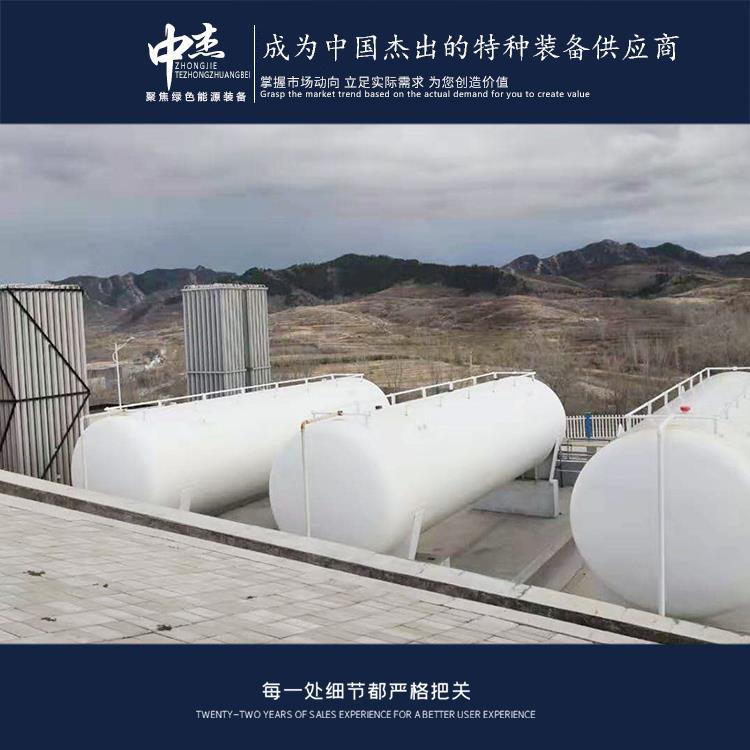
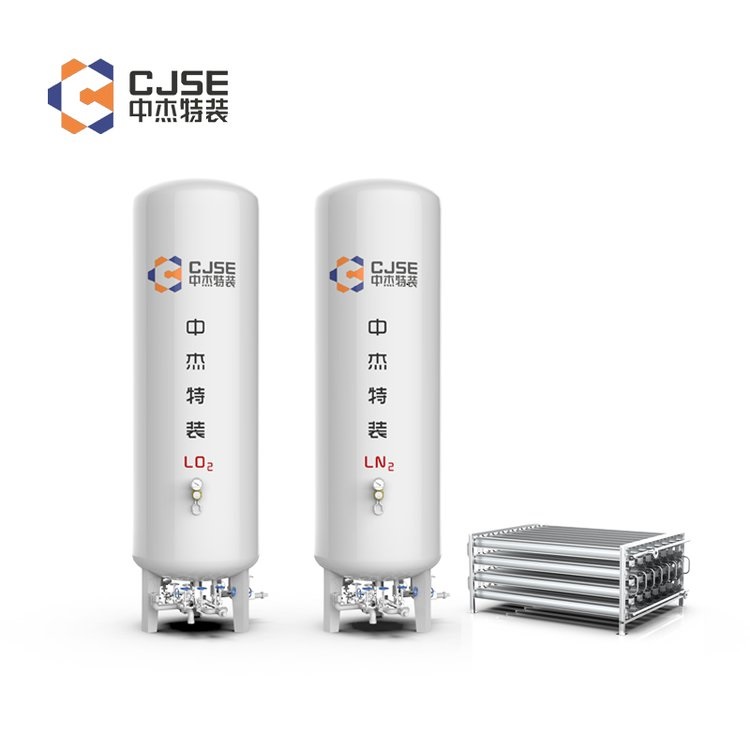


















Shandong Zhongjie Special Equipment's main products include: fuel (gas) boilers, organic heat carrier boilers, biomass boilers, waste heat boilers, and other boiler products; vacuum insulation cryogenic pressure vessels such as LNG storage tanks, oxygen/nitrogen/argon storage tanks, and CO2 storage tanks; pressure vessel products such as denitrification engineering equipment, heat storage and energy storage equipment, and complete chemical equipment; central air conditioning and HVAC equipment such as ground (water) source heat pumps, air source units, water-cooled screw units, and air-cooled modular units. Planned products include large-scale energy centers, LNG transport vehicles, LNG tank containers, and other green energy equipment.
Dry ice is a frozen agent obtained by directly converting carbon dioxide gas into a solid under high pressure. It has several applications:
Freezing food and pharmaceuticals: Dry ice is widely used for the transportation and storage of food and pharmaceuticals. Due to its low temperature and rapid cooling speed, it can effectively maintain the freshness and quality of food and medicines.
Special effects and stage performances: Dry ice is also extensively used in special effects and stage performances. When it comes into contact with environmental heat, it rapidly transforms into gas, producing a large amount of white smoke effect, creating a mysterious and dramatic atmosphere.
Cleaning and disinfection: Dry ice can also be used for cleaning and disinfection. When it comes into contact with surfaces, the low temperature and physical impact of the vaporization process can effectively remove dirt, bacteria, and viruses without leaving residues.
Laboratories and scientific research: Dry ice also finds applications in laboratories and scientific research. It can be used for freezing samples, preparing low-temperature experimental environments, and creating cold traps and condensers, among others.
It is important to note that safety should be a priority when using dry ice, avoiding direct contact with skin and eyes, and not using it in enclosed spaces to prevent the accumulation of carbon dioxide and the risk of oxygen deficiency.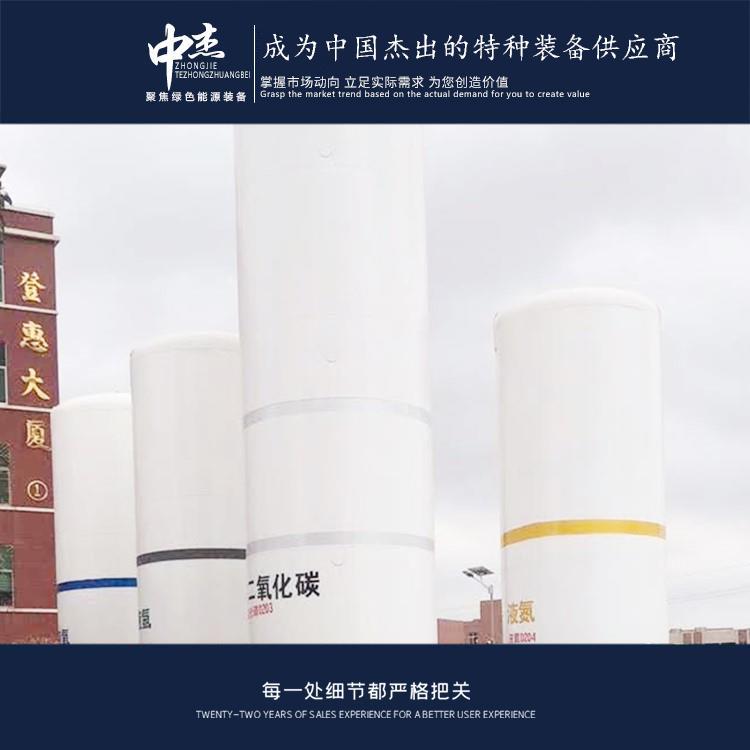
Carbon dioxide tanks are widely used in many industries. Here are some common sectors with examples of carbon dioxide tank usage:
- Beverage and Food Industry: Carbon dioxide is used as a carbonating agent for beverages and food, for producing soda, beer, soft drinks, etc. Tanks are used for storing and supplying carbon dioxide to meet production line demands.
- Industry: Carbon dioxide has various applications in the industry, such as anesthesia, respiration, tissue freezing, etc. Tanks are used for storing and supplying medical-grade carbon dioxide to meet facility needs.
- Fire Extinguishing: Carbon dioxide is extensively used in fire suppression systems, particularly in extinguishing electrical and sensitive equipment. Tanks are used for storing and supplying carbon dioxide for fire extinguishing purposes.
- Gas Industry: Carbon dioxide is also a significant product in the gas industry, used in the production of chemicals, metal processing, welding, gas shielding, etc. Tanks are used for storing and supplying industrial-grade carbon dioxide.
- Greenhouse Agriculture: Carbon dioxide can be used to promote plant growth in greenhouses, providing additional carbon dioxide concentration. Tanks are used to supply the required carbon dioxide for greenhouses.
- Automotive Industry: Carbon dioxide is used for tire inflation and airbag systems in cars. Tanks are used for storing and supplying carbon dioxide to meet the needs of car manufacturing and maintenance.
These are just some common industry examples. In reality, carbon dioxide tanks are also widely used in many other sectors, such as chemicals and frozen food. Specific applications may vary depending on industry requirements and scenarios.
Carbon dioxide has various applications in the new energy field, including some common ones such as:
1. Carbon Capture and Storage (CCS): This technology reduces CO2 emissions by capturing CO2 from industrial sources and storing it in underground formations, preventing it from entering the atmosphere. It aids in reducing greenhouse gas emissions and mitigating climate change.
2. Carbon Utilization: CO2 can be utilized to produce valuable chemicals and fuels. For instance, through CO2 catalytic conversion technology, CO2 can be transformed into fuels like ethanol or chemical raw materials. This carbon utilization technology helps reduce reliance on traditional fossil fuels and promotes sustainable energy development.
3. Carbon Dioxide Batteries: This is a new battery technology that uses CO2 as the battery's material. By converting CO2 into electrical energy, these batteries can serve as a sustainable energy storage solution, contributing to the advancement of electric vehicles and renewable energy.
4. Carbon Dioxide Photocatalysis: This technology uses solar energy to convert CO2 into useful chemicals. By employing photocatalysts, CO2 and water can be transformed into combustible gases or organic compounds, realizing the resource utilization of CO2.
These applications aim to reduce CO2 emissions, enhance energy efficiency, and promote the development of sustainable energy. However, these technologies are still under development and research, requiring further technical breakthroughs and practical verification.
The testing and maintenance of liquid oxygen storage tanks are crucial for ensuring safe operation and extending their lifespan. Below is a general outline of the testing and maintenance procedures for liquid oxygen storage tanks:
- Visual Inspection: Conduct regular visual inspections of the liquid oxygen storage tank to check for corrosion, wear, cracks, and other issues on the surface. If any anomalies are found, promptly repair or replace them.
- Internal Cleaning: Regularly clean the interior of the liquid oxygen storage tank to remove accumulated impurities and dirt. Pay attention to using appropriate cleaning agents and tools to avoid damaging the tank.
- Level Measurement: Regularly measure the level to ensure the liquid oxygen in the storage tank is within a safe range. Use a level gauge or other measurement equipment and record the results.
- Pressure Testing: Conduct regular pressure tests to verify the tank's pressure resistance. Control pressure and time during testing to ensure safety and accuracy.
- Leak Detection: Regularly perform leak detection to ensure the tank's seal integrity. Use leak detection equipment such as gas detectors or foam leak detection agents.
- Valve and Pipe Inspection: Regularly inspect the valves and pipe connections of the liquid oxygen storage tank to ensure they are sealed properly with no leakage. If issues are found, promptly repair or replace them.
- Maintenance Records: Keep records of the testing and maintenance activities, including inspection dates, contents, and results. These records help track the tank's maintenance history and issue resolution.
- Scheduled Maintenance: Develop a scheduled maintenance plan based on the tank's usage and requirements. Maintenance includes lubrication, bolting down, and replacing seals to ensure normal operation.
Shandong Zhongjie Special Equipment, welcome customers to our factory for business discussions.
WeChat Official Account

Scan to follow Official Account



















