


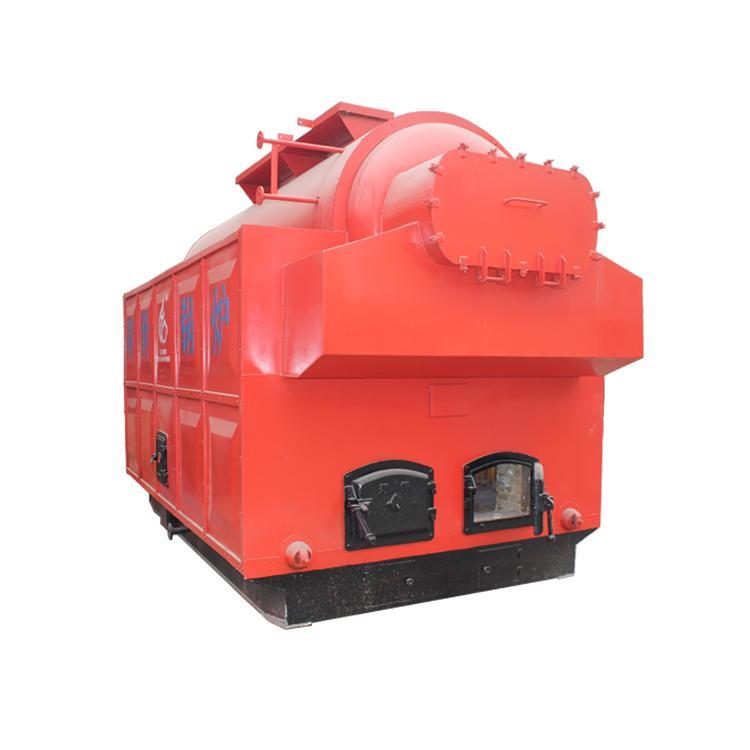

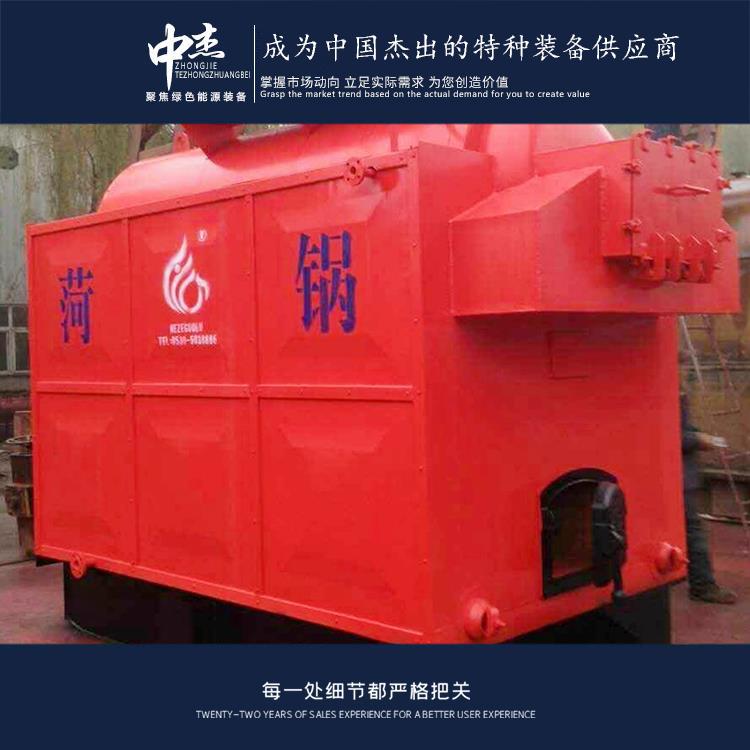
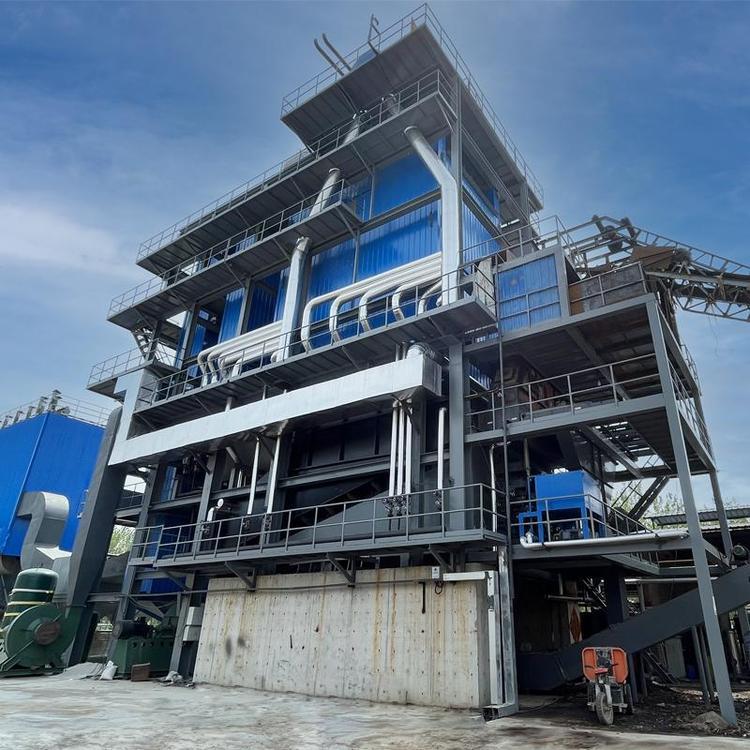


















Shandong Zhongjie Special Equipment (formerly Heze Boiler Factory Co., Ltd.) holds an A-grade boiler manufacturing license, an A2-grade pressure vessel manufacturing license, an A2-grade pressure vessel design license, a B-grade boiler installation license, and GB2/Class, GC2/Class pressure pipeline installation licenses, as well as a mechanical and electrical equipment installation contracting qualification. It is a member of the China Boiler and Water Treatment Association, the China Chemical Equipment Association, and the director unit of the Shandong Equipment Manufacturing Association. The company has also passed the ISO9001 Quality Management System, ISO14001 Environmental Management System, OHSAS18001 Occupational Health and Safety Management System certifications, and the American ASME/U2 certification.
During operation, biomass thermal oil heaters are prone to scaling due to the high temperatures and prolonged use of the thermal oil. To prevent the formation of scale, manufacturers typically take the following measures:
Selecting the appropriate thermal oil: Manufacturers choose thermal oils with good thermal stability and antioxidant properties to minimize scale formation. The selection of thermal oil should be reasonably matched according to the actual operating conditions and requirements.
Regulate oil temperature and flow speed: Manufacturers will control the temperature and flow rate of the heat transfer oil based on its characteristics and operational requirements. Excessive temperature and rapid flow can easily lead to scale formation, so proper adjustment is necessary.
Regular Cleaning and Maintenance: Manufacturers recommend users to regularly clean and maintain the biomass thermal oil boiler to remove scale buildup. Suitable cleaning agents and equipment can be used during the cleaning process to remove the scale, restoring the boiler to normal operation.
Install filters and descaling devices: Manufacturers may install filters and descaling devices in biomass thermal oil heaters to filter out impurities and scale from the thermal oil. These devices effectively prevent scale formation, extending the service life of the thermal oil heater.
Regular Monitoring and Analysis: Manufacturers may advise users to regularly monitor and analyze the properties and quality of thermal oil to promptly identify any anomalies and take appropriate actions.
To prevent high-temperature corrosion issues in biomass boilers, the following measures can be taken:
Select appropriate materials: Choose corrosion-resistant metal materials for boiler components, such as stainless steel and heat-resistant steel. These materials offer excellent corrosion resistance and maintain stability in high-temperature and corrosive environments.
Control combustion conditions: Reasonably control parameters such as the temperature, oxygen content, and combustion rate of biomass combustion to avoid excessive temperatures and oxygen, thereby reducing corrosion.
Pre-treatment Fuel: Pre-process biomass fuel, including drying, screening, and decontamination, to reduce ash and salt content in the fuel, thereby lowering the risk of corrosion.
Regulate acidic substances in flue gas: By adding corrosion inhibitors or flue gas treatment devices, control the acidity levels in flue gas to minimize corrosion on metal surfaces.
Regular cleaning and maintenance: Periodically clean the internal ash and dirt in the boiler to keep it clean. During the cleaning process, appropriate cleaning agents and tools can be used to remove internal dirt and prevent corrosion.
Regular Inspections and Maintenance: Regularly inspect and maintain biomass boilers to promptly identify and address corrosion issues. You may entrust the maintenance personnel with scheduled inspections and maintenance work.
Biomass boilers emit nitrogen oxides (NOx) during the combustion process, which are harmful to the environment. Therefore, controlling the NOx emissions from biomass boilers is a significant challenge. Here are some difficulties in NOx control for biomass boilers:
Fuel Characteristics: The composition and properties of biomass fuels are diverse, containing varying nitrogen content and volatile fractions. This makes it difficult to accurately predict and control NOx emissions during the combustion process of biomass boilers.
Combustion Temperature: The formation of NOx is closely related to the combustion temperature, with both excessively high and low temperatures increasing NOx production. The combustion temperature of biomass boilers is influenced by various factors, such as fuel moisture and oxygen supply, making it challenging to control and manipulate NOx emissions.
Proper combustion air supply helps control NOx generation, but excessive or insufficient air supply can affect combustion efficiency and NOx emissions. The air supply for biomass boilers must be adjusted rationally based on fuel characteristics and combustion conditions, which poses certain requirements for operators and controllers.
Combustion System Design: The design of the combustion system in biomass boilers also has an impact on NOx emissions control. For instance, the adopted combustion technologies and burner designs, such as low-NOx combustion technology and optimized combustion chamber structure, can effectively reduce NOx emissions.
Operation and Maintenance: Proper operation and regular maintenance of biomass boilers are crucial for controlling NOx emissions. Rational operation and scheduled maintenance ensure the smooth operation and combustion of the combustion system, thereby reducing NOx generation.
In summary, the challenges in NOx control for biomass boilers primarily include fuel characteristics.
The application methods for biomass boilers can be chosen and adjusted according to specific application needs and scenarios. Here are some common application methods:
Heating Systems: Biomass boilers can be used in heating systems to provide hot water or steam for buildings, industrial factories, etc. Heat can be transferred through pipes to the areas in need of heating, meeting requirements for heating and hot water supply.
Industrial Production: Biomass boilers can be utilized for thermal energy supply in industrial production processes, such as food processing, pulp and papermaking, and chemical industries. The thermal energy provided by biomass boilers meets the heating and steam requirements in industrial production.
Greenhouse Heating: Biomass boilers can be used in greenhouse heating systems to provide hot water or steam for greenhouses, maintaining suitable temperature and humidity within the greenhouse to promote plant growth.
Rural Heating: Biomass boilers can be used in rural heating systems to provide heating and hot water for rural residents. They can meet the heating needs of rural areas through centralized or decentralized heating.
Hot Water Pump Drying: Biomass boilers can be used in hot water pump drying systems for drying wood, grains, and other materials. By providing hot water or steam, it accelerates the drying process and improves efficiency.
Biomass Power Generation: Biomass boilers can be integrated with power generation equipment for biomass power generation. By burning biomass fuel to produce steam, it drives the generator to generate electricity, achieving energy utilization and conversion.
Above are some common application methods for biomass boilers. Depending on specific needs and scenarios, suitable application methods can be chosen, and configurations and adjustments can be made in conjunction with relevant equipment and systems.
ZJ Special Equipment adheres to the great vision of "realizing employees' dreams, creating value for customers, and striving for the prosperity and strength of our motherland," wholeheartedly devoting itself to the development of green energy equipment. We offer the society high-quality and cost-effective products and services!
WeChat Official Account

Scan to follow Official Account



















