


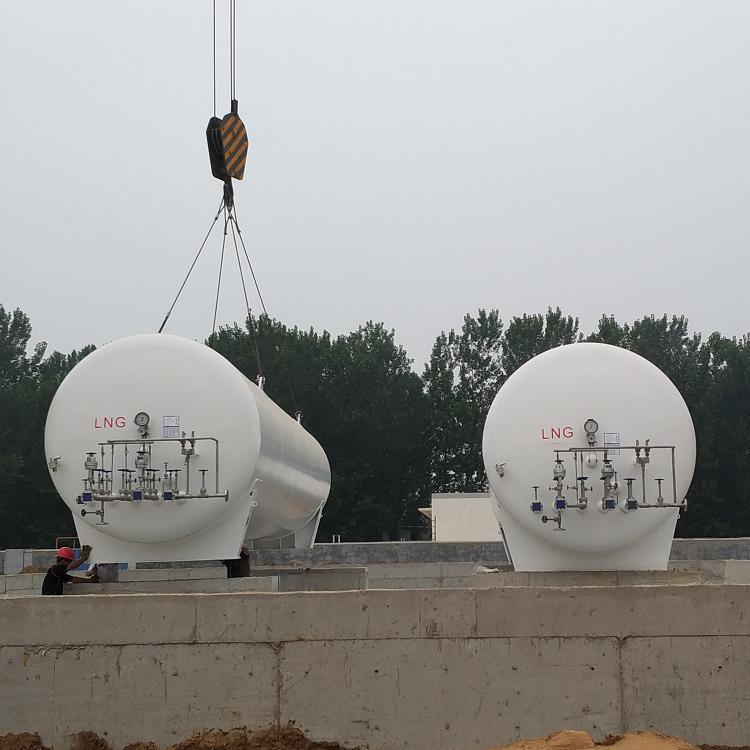

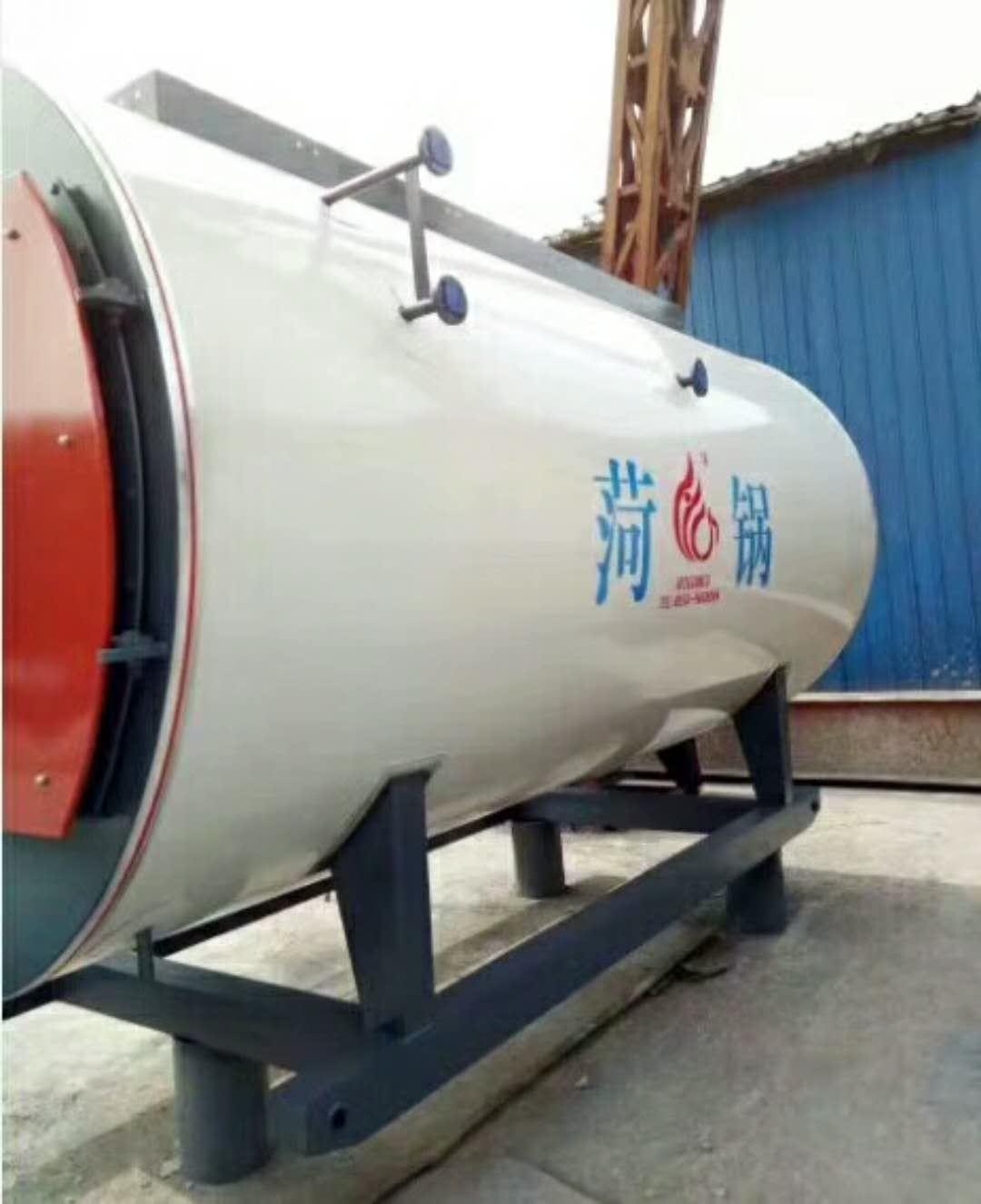
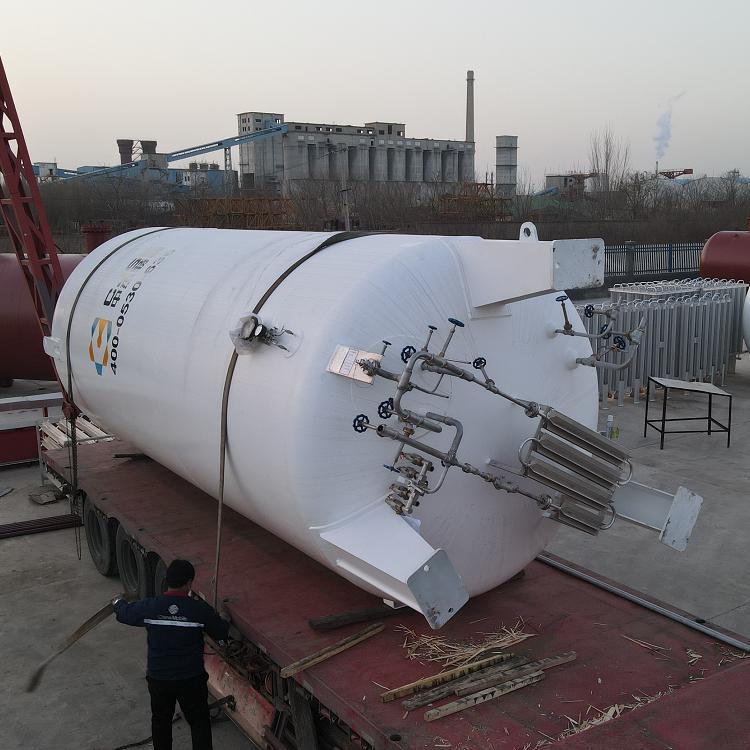


















Shandong Zhongjie Special Equipment (formerly Heze Boiler Factory Co., Ltd.) holds an A-grade boiler manufacturing license, an A2-grade pressure vessel manufacturing license, an A2-grade pressure vessel design license, B-grade boiler installation and GB2, GC2 class pressure pipeline installation licenses, as well as an electromechanical equipment installation contracting qualification. It is a member of the China Boiler and Water Treatment Association, the China Chemical Equipment Association, and the council unit of the Shandong Equipment Manufacturing Association, and has passed the ISO9001 Quality Management System, ISO14001 Environmental Management System, OHSAS18001 Occupational Health and Safety Management System certifications, and the American ASME/U2 certification.
The safety distance for liquid oxygen storage tanks refers to the distance that must be maintained around the tank to ensure the safety of personnel and equipment. Specific requirements for safety distances may vary depending on different regions and application sites. Here are some common principles for safety distances:
Buildings and Equipment: Liquid oxygen storage tanks should be kept at a certain safe distance from buildings, equipment, and other storage tanks to prevent the spread of fires, explosions, and leaks. The specific safety distance requirements should be assessed and determined based on local regulations and standards.
Fire Sources and Heat Sources: Liquid oxygen is highly oxidizing and can easily cause fires and explosions. Therefore, liquid oxygen storage tanks should be kept at a sufficient safe distance from fire sources, heat sources, and flammable materials to prevent fires and explosions.
Ventilation and Exhaust: Good ventilation and exhaust should be maintained around liquid oxygen storage tanks to prevent the evaporation of liquid oxygen from accumulating and forming explosive mixtures. The design and operation of the ventilation and exhaust systems should comply with relevant safety standards and regulations.
Personnel and Traffic: Personnel and traffic around liquid oxygen storage tanks should be restricted and controlled to ensure personnel safety and the normal operation of the tank. Warning signs, safety fences, and restricted areas should be established to prevent unauthorized personnel from entering the tank area.
It is important to note that the safety distance for liquid oxygen storage tanks should be assessed and determined based on specific application sites and safety requirements. When designing, installing, and operating liquid oxygen storage tanks, relevant regulations, standards, and safety guidelines should be followed to ensure the safety and reliability of the tank.
Liquid nitrogen tanks have extensive applications in meat freezing. Here are several main aspects of their use in meat freezing:
Quick Freezing: Liquid nitrogen tanks can provide low temperatures to rapidly freeze meat to the required temperature. Due to the low-temperature characteristics of liquid nitrogen, the temperature of the meat can be quickly reduced in a short period, effectively preserving the quality and texture of the meat.
Cold Storage: Liquid nitrogen tanks are suitable for long-term freezing storage of meat products. Placing meat in a liquid nitrogen tank helps maintain low temperatures, preventing the growth of bacteria and microorganisms, thereby extending the shelf life of the meat.
Chilled Transportation: Liquid nitrogen tanks are suitable for the cold transport of meat products. Placing meat in the liquid nitrogen tank maintains its low temperature, ensuring the quality and freshness of the meat throughout transportation.
Chilled Processing: Liquid nitrogen tanks can be used for meat chilling. By exposing meat to liquid nitrogen, the surface can be quickly frozen, forming a frozen layer, thereby preserving the meat's moisture and nutritional content.
Chilled Processing: Liquid nitrogen tanks are suitable for meat freezing processing. Placing meat in liquid nitrogen makes it harder and crispier, which is easier for cutting, slicing, and processing.
Be mindful that when using liquid nitrogen tanks for meat freezing, it is crucial to adhere to the relevant safety operating procedures and guidelines. Ensure that operators possess the necessary safety awareness and skills to prevent accidents. Additionally, consult with food safety experts.
When storing liquid nitrogen in low-temperature storage tanks, the following points should be noted:
Protective Gear: When operating low-temperature storage tanks, appropriate protective gear must be worn, including protective gloves, overalls, and non-slip shoes. This equipment can protect the skin from the low temperatures of liquid nitrogen and other hazards.
Avoid direct contact: Liquid nitrogen is extremely cold and can cause frostbite. Therefore, avoid direct contact with liquid nitrogen, especially with the skin. Use tools or utensils for handling to prevent direct hand contact with liquid nitrogen.
Ventilation Requirements: In the operation area of low-temperature tanks, adequate ventilation is mandatory to expel gases produced by the evaporation of liquid nitrogen. Maintain air circulation to avoid excessive oxygen concentration and reduce the risk of fire and explosion.
Prevent Leaks: Regularly inspect the low-temperature storage tanks for leaks and equip them with leak detectors and alarm systems. In case of a leak, take immediate action to control and repair it. Avoid the hazards of liquid nitrogen leaks to personnel and the environment.
Fire Prevention Measures: Liquid nitrogen has a low boiling and freezing point, which is prone to fire. To prevent fires and their spread, firewalls and fire-resistant coatings are set up around low-temperature storage tanks.
Electrostatic Protection: Electrostatic buildup in low-temperature storage tanks may cause sparks, increasing the risk of fire. Measures should be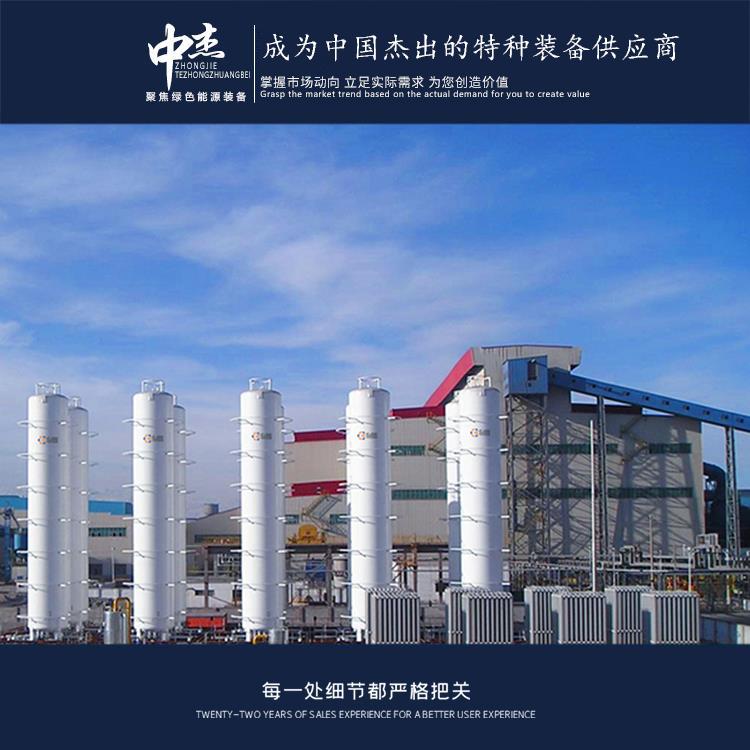
Maintaining and caring for liquid nitrogen tanks is crucial for ensuring their safe operation and extending their lifespan. Here are the maintenance and care methods for liquid nitrogen tanks:
Regular Inspections: Conduct regular inspections of the liquid nitrogen tank's exterior and interior, including checking for leaks, corrosion, wear, or other damage. Pay special attention to the tank's interfaces, valves, and pipelines, ensuring they are functioning properly.
Cleaning and Defrosting: Regularly clean the exterior surface of the liquid nitrogen tank to remove dust and dirt. If there is ice or frost inside the tank, defrosting is required to maintain the normal operation of the tank.
Level Monitoring: Regularly monitor the liquid nitrogen tank's level to ensure the stored amount is within a safe range. In case of an abnormal level, adjust or replenish the liquid nitrogen promptly.
Regular maintenance and replacement of components: Conduct regular maintenance and replacement of critical parts of the liquid nitrogen storage tank, such as safety valves, pressure sensors, and temperature sensors, to ensure their proper operation and accuracy.
Inspect the Insulation Layer: Regularly check the liquid nitrogen tank's insulation layer to ensure its integrity and insulating properties. If any damage or aging is found in the insulation layer, it should be repaired or replaced promptly.
Regular Calibration: Regularly calibrate the gauges and sensors of liquid nitrogen tanks to ensure accuracy and reliability. Calibration should be conducted according to relevant standards and specifications.
Safety Training and Operating Procedures: Conduct regular safety training for liquid nitrogen tanks, ensuring operators are familiar with the safe operation procedures and emergency response measures.
Note that maintenance and care of liquid nitrogen tanks should be performed by trained and authorized personnel. Adhere to relevant safety standards and operational guidelines to ensure the safety and effectiveness of the maintenance work.
Zhongjie Special Equipment adheres to the great vision of "realizing employee dreams, creating customer value, and striving for the prosperity and strength of our motherland," and is dedicated to the development of the green energy equipment industry. We offer society high-value products and services!
WeChat Official Account

Scan to follow Official Account



















