


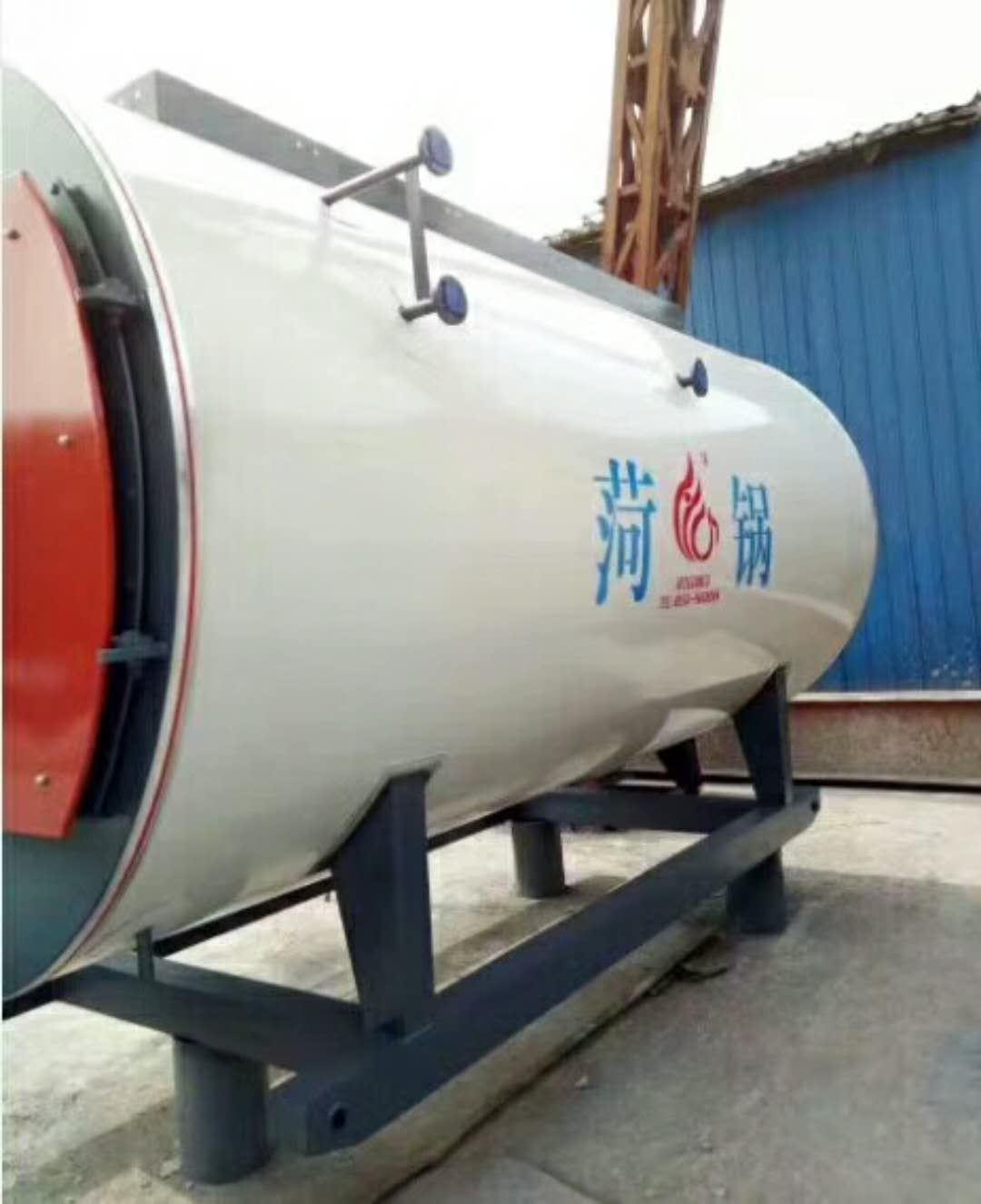

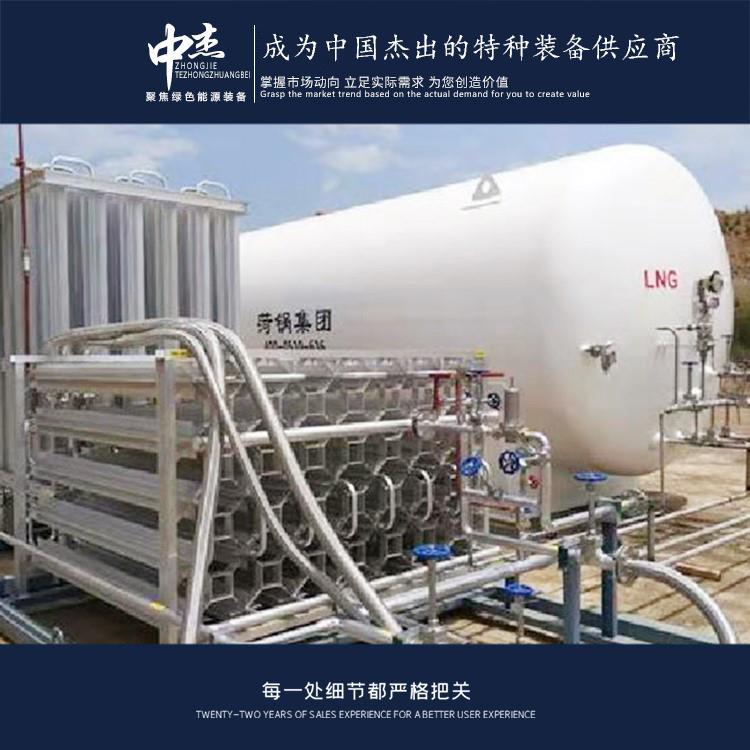
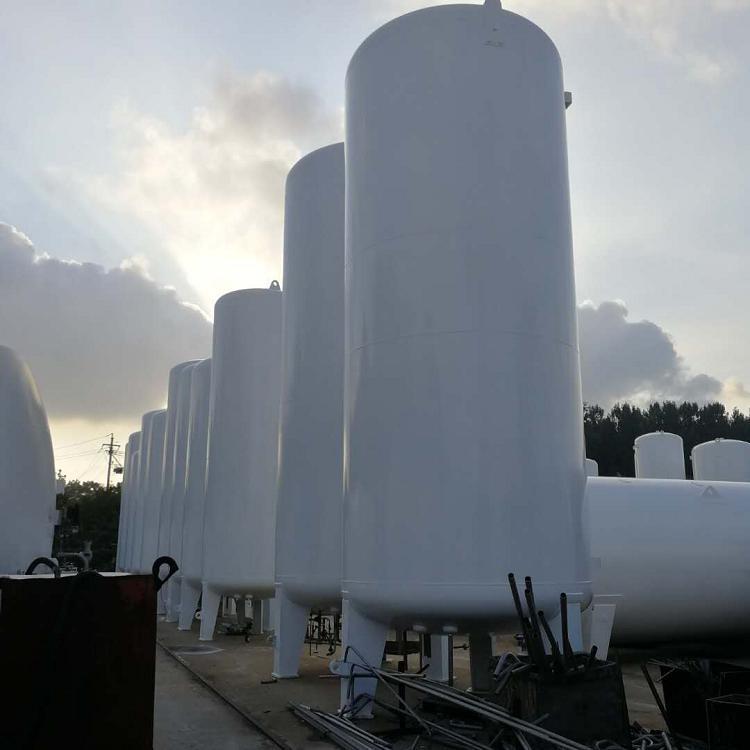


















Shandong Zhongjie Special Equipment (formerly Heze Boiler Factory Co., Ltd.) was established in 2001, located at No. 2218 Jinnan Road, Development Zone, Heze City, with a registered capital of 50 million yuan and total assets of 500 million yuan. The company has 7 business centers: boilers, deep-freezing containers, pressure vessels, central air conditioning, engineering installation, international trade, and Internet of Things. It has three factory sites on Jinnan Road, East Changjiang Road, and Bohai Road, covering a total of 200,000 square meters. The main workshop spans 83,000 square meters. It currently employs 710 people, including 247 engineers and technicians and 82 intermediate-level technical personnel. In December 2016, it was recognized as a "High-tech Enterprise" by the Science and Technology Department. In June 2021, it was identified as a "Specialized and New Enterprise in Shandong Province" by the Ministry of Industry and Information Technology. In June 2022, it was recognized as a "Gazelle Enterprise in Shandong Province" and in August 2022, it was identified as a "Specialized and New Small Giant Enterprise" by the Ministry of Industry and Information Technology.
The medical oxygen steel cylinder refilling facility, in addition to the liquid oxygen storage tanks, includes the following sections:
Oxygen Compressor: Oxygen compressors are used to compress gaseous oxygen into high-pressure oxygen. These compressors are typically made with special materials and designs to ensure safe handling and compression of oxygen.
Oxygen Purification System: The oxygen purification system is used to remove impurities and contaminants from oxygen to ensure the purity and quality of the supplied oxygen. The purification system typically includes filters, adsorbents, and molecular sieves, among other components.
Oxygen Storage System: In addition to liquid oxygen tanks, the oxygen filling area may also include a gaseous oxygen storage system for temporary storage and supply of gaseous oxygen. The gaseous oxygen storage system typically includes high-pressure oxygen cylinders or gas storage tanks.
Filling Equipment: Filling equipment is used to transfer oxygen from liquid oxygen storage tanks or gaseous oxygen storage systems into medical oxygen steel cylinders. The filling equipment typically includes a filling machine, filling pipelines, and a filling control system.
Oxygen Quality Monitoring System: The oxygen quality monitoring system is used to monitor the quality and purity of oxygen being filled. Quality checks and monitoring are conducted on the filled oxygen through an oxygen analyzer or other detection equipment.
Safety Facilities: The filling area should be equipped with corresponding safety facilities, such as fire alarm systems, oxygen leak detection systems, and ventilation systems, to ensure the safety and protective measures during the filling process.
Note that the design and equipment configuration of the medical oxygen cylinder refilling area should comply with relevant regulations, standards, and specifications. During the refilling process, strict adherence to operational procedures and safety operating requirements is essential to ensure the safe supply of oxygen.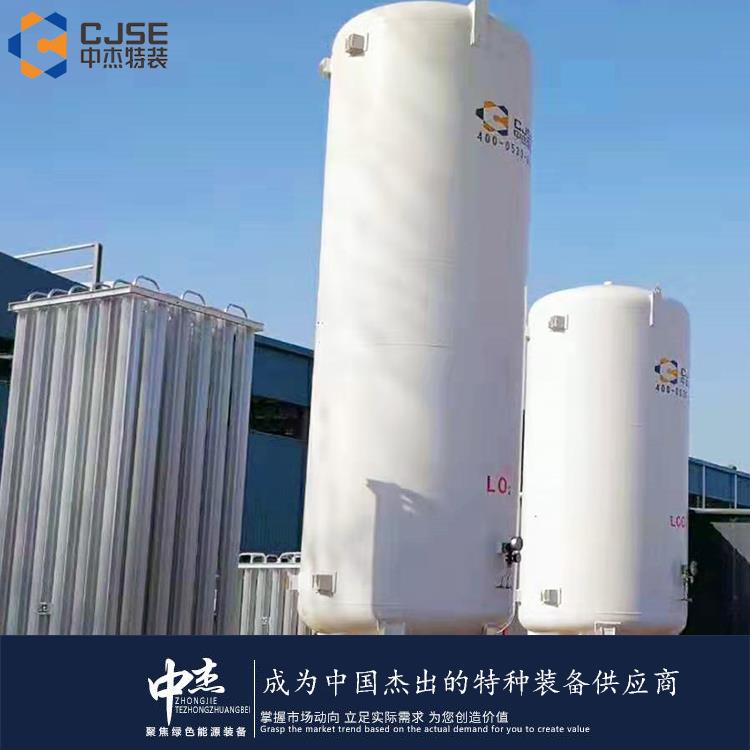
The primary reason for pre-cooling a liquid oxygen tank before use is to lower the tank's internal temperature to below the boiling point of liquid oxygen, enabling the conversion of oxygen into a liquid state.
The boiling point of liquid oxygen is -183°C; at room temperature, oxygen exists in a gaseous state. To store and supply it, the liquid oxygen tank needs to cool the oxygen below its boiling point to convert it into a liquid form.
The pre-cooling process typically involves the following steps:
Clean Storage Tank: First, the tank must be thoroughly cleaned to ensure there are no impurities or contaminants inside, to avoid affecting liquid oxygen.
Drainage and Exhaust: Empty the gas inside the tank and expel it through the exhaust system to reduce the gas content within the tank.
Add Liquid Nitrogen: Inject liquid nitrogen into the tank, which will rapidly cool the air and walls inside the tank due to its low temperature, thereby reducing the tank's temperature.
Waiting for Cooling: The liquid nitrogen inside the storage tank will gradually lower the temperature of the tank through heat conduction until it reaches below the boiling point of liquid oxygen.
The purpose of pre-cooling is to ensure that the tank's temperature is sufficiently low to meet the storage and supply requirements for liquid oxygen. Pre-cooling can reduce the evaporation and loss of liquid oxygen, while also helping to maintain the tank's safety and stability.
The maintenance and precautions for liquid nitrogen tanks are crucial; here are some key points:
Maintenance:
Regular Inspections: Conduct regular inspections of the liquid nitrogen tank's exterior, valves, pipes, and other components to ensure they are intact and undamaged. Pay special attention to check for any leaks, corrosion, or other forms of damage.
Clean Storage Tanks: Regularly clean liquid nitrogen storage tanks to remove internal dirt and sediment. Use appropriate cleaning agents and tools, following the cleaning procedures and safety operational protocols.
Liquid Nitrogen Refill: Refill liquid nitrogen on a regular basis as needed. Ensure that the storage tank maintains an adequate supply to meet usage requirements.
Maintain Pressure: Regularly inspect the liquid nitrogen tank's pressure to ensure it remains within the safe range. Conduct pressure tests and adjustments as necessary.
Corrosion Protection: Depending on the material of the storage tank and its operating environment, appropriate corrosion prevention measures are taken to extend the service life of the tank. For instance, applying corrosion-resistant coatings and conducting regular corrosion treatments.
Cautionary Notes:
Safe Operation: When using liquid nitrogen tanks, strict adherence to safety operating procedures and standards is mandatory. Operators must be trained, familiar with the properties of liquid nitrogen and safety operation requirements, and acquainted with the tank equipment and operational procedures.
Protective Measures: When using liquid nitrogen tanks, it is mandatory to take necessary protective measures, such as wearing protective gloves and suits. Avoid direct contact with liquid nitrogen to prevent frostbite.
Leak Control: Regularly inspect the liquid nitrogen storage tank for leaks and equip with leak detectors and alarm systems. In the event of a leak, immediate action should be taken to control the leak and carry out repairs.
Ventilation Requirements: In enclosed spaces where liquid nitrogen storage tanks are in use, it must be ensured that there is adequate ventilation.
Operation procedures for liquid oxygen storage tanks should be established based on the specific tank design and usage requirements. The following are some common contents of general operation procedures for liquid oxygen storage tanks:
- Operator Training: Ensure operators have received relevant training for liquid oxygen storage tanks, understanding the tank's structure, performance, operation procedures, and safety precautions.
- Safety Inspections: Conduct necessary safety checks before operating the liquid oxygen storage tank, including checking the tank's integrity, the sealing of valves and pipes, and the condition of the insulation layer.
- Liquid Oxygen Supply: Ensure the liquid oxygen supply system is functioning properly, including checking the status of liquid oxygen supply pipes, valves, and pressure gauges to ensure an adequate supply.
- Tank Pressure Control: Monitor the pressure of the liquid oxygen storage tank to ensure it remains within a safe range. Adjust pressure valves or pressure relief devices as necessary to control the tank's pressure.
- Leak Control: Regularly inspect the sealing of the tank and pipes to ensure there are no leaks. If a leak is detected, take immediate measures to control the leak and notify relevant personnel.
- Fire Prevention Measures: Prohibit open flames and prevent sparks and high-temperature objects from contacting the tank around the liquid oxygen storage tank. Establish fire prevention facilities and fire extinguishing equipment, and conduct regular inspections and maintenance.
- Safety Distance: Maintain a certain safety distance around the liquid oxygen storage tank to prevent the spread of fires, explosions, and leaks.
- Maintenance and Repair: Regularly perform maintenance and repairs on the tank, including cleaning the tank, inspecting the insulation layer, valves, and pipes to ensure the tank operates normally.
- Waste Disposal: Properly dispose of waste generated by the liquid oxygen storage tank, including liquid oxygen residues, waste gases, and waste liquids, following relevant environmental protection regulations and standards.
Note that operation procedures for liquid oxygen storage tanks should be established based on the specific tank design and usage requirements and should comply with applicable regulations, standards, and safety guidelines. When operating liquid oxygen storage tanks, cooperate with local regulatory agencies and individuals to ensure the safety and reliability of the tank.
Zhongjie Special Equipment upholds the great vision of "Realizing employee dreams, creating customer value, and striving for the prosperity and strength of our motherland," and is dedicated to the development of the green energy equipment industry. We offer society high-quality and cost-effective products and services!
WeChat Official Account

Scan to follow Official Account



















