


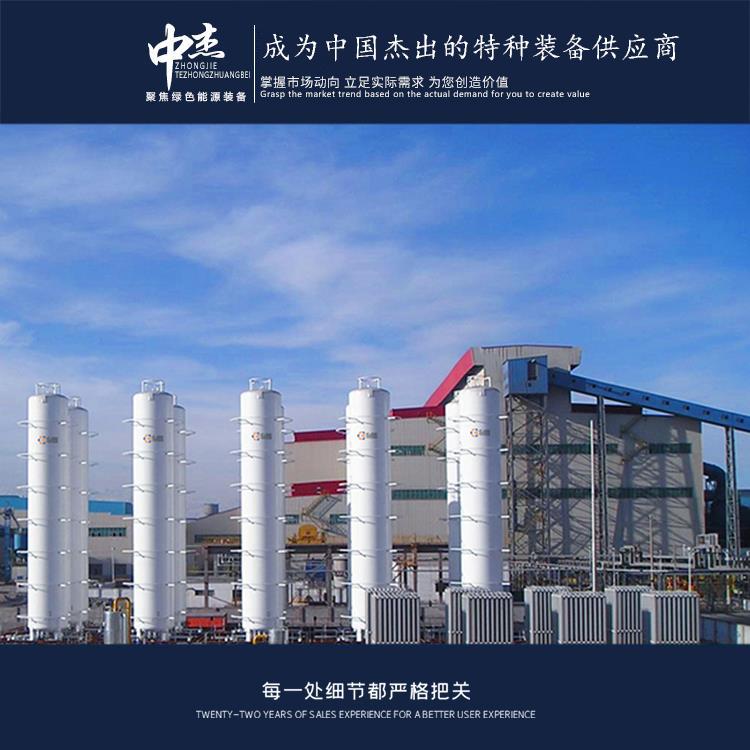

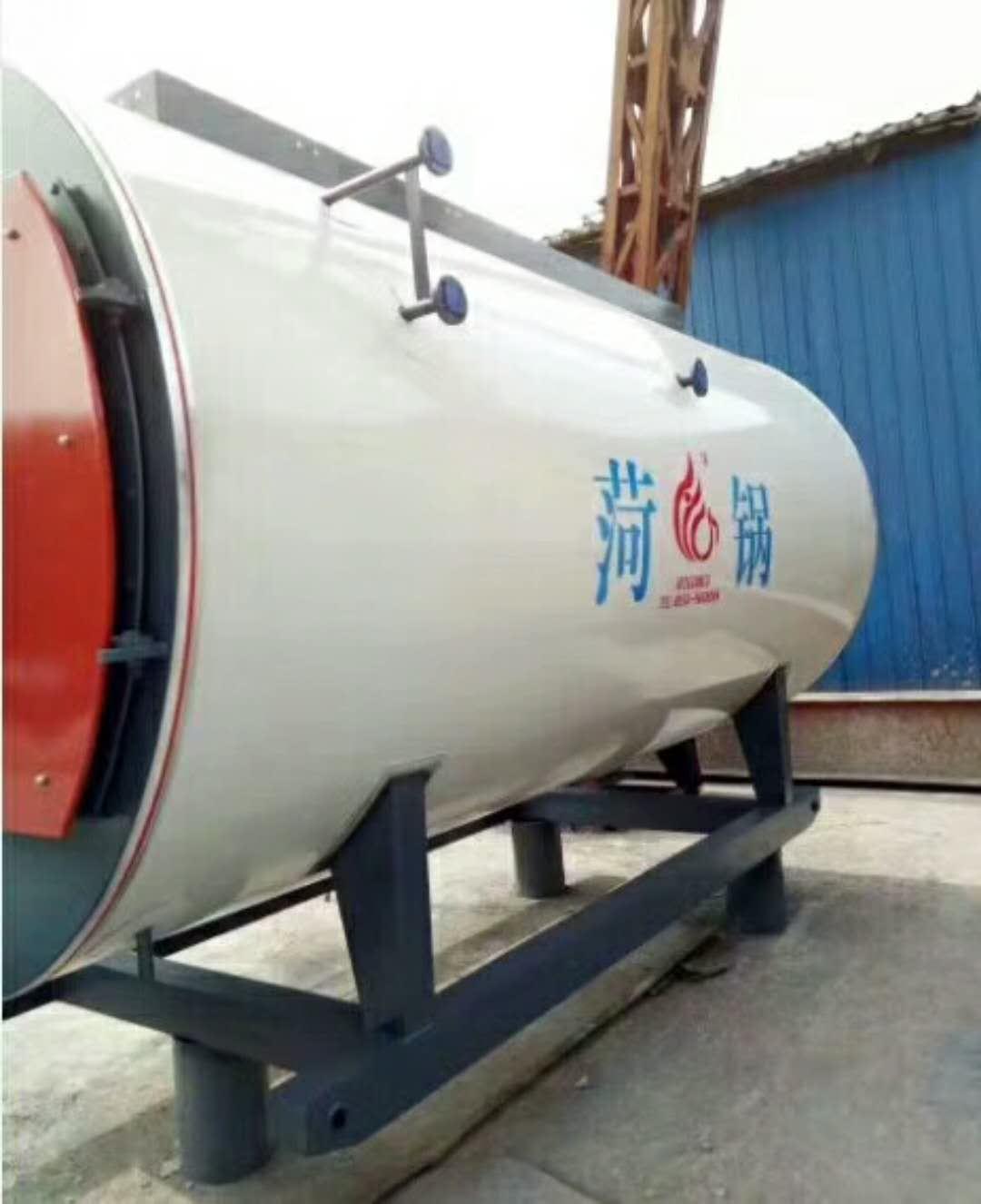
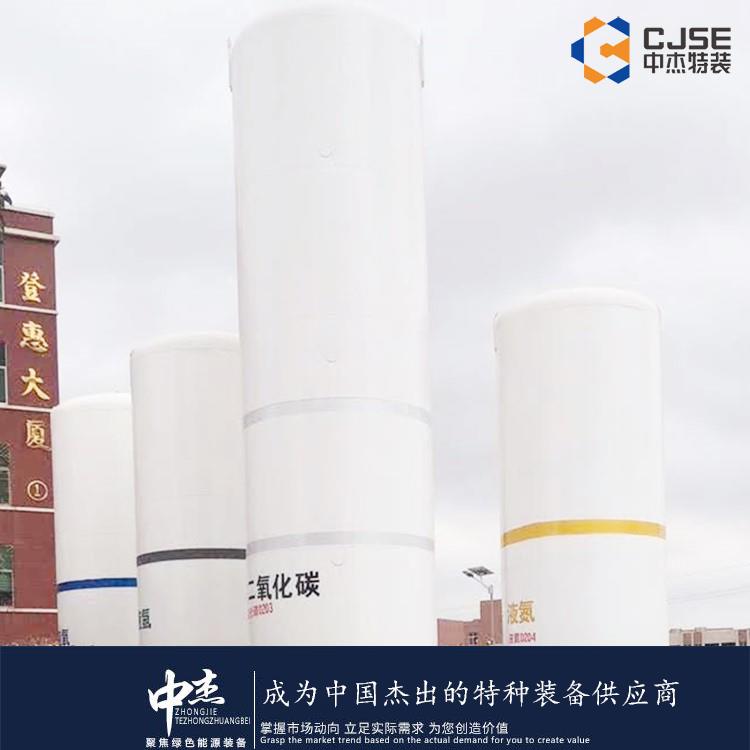


















Shandong Zhongjie Special Equipment Co., Ltd. (formerly Heze Boiler Factory Co., Ltd.) was established in 2001, located at No. 2218 Jinnan Road, Development Zone, Heze City, with a registered capital of 50 million yuan and total assets of 500 million yuan. The company has 7 major business centers: boilers, deep-freezing containers, pressure vessels, central air conditioning, engineering installation, international trade, and Internet of Things. It has three factory sites on Jinnan Road, East Changjiang Road, and Bohai Road, covering a total of 200,000 square meters, with the main workshop area being 83,000 square meters. It currently employs 710 people, including 247 engineering and technical personnel and 82 intermediate-level technical personnel. In December 2016, it was recognized as a "High-Tech Enterprise" by the Science and Technology Department. In June 2021, it was identified as a "Specialized and New Enterprise in Shandong Province" by the Industry and Information Technology Department. In June 2022, it was recognized as a "Gazelle Enterprise in Shandong Province" by the Industry and Information Technology Department, and in August 2022, it was identified as a "Specialized and New Small Giant Enterprise" by the Ministry of Industry and Information Technology.
The pressure maintenance design for a 15 cubic meter liquid argon tank should consider the following aspects:
Tank Pressure: Determine the design pressure of the tank to meet the storage and supply requirements for liquid argon. Establish an appropriate design pressure range based on the characteristics and usage conditions of liquid argon.
Stabilization System: Select an appropriate stabilization system to maintain stable pressure within the storage tank. The stabilization system typically includes components such as pressure regulators, pressure sensors, and control valves, which are used to monitor and adjust the pressure inside the tank.
Pressure Sensor: Install a pressure sensor to monitor the pressure changes inside the storage tank in real-time. The sensor transmits pressure signals to the pressure regulation system, allowing for timely adjustment of the control valve to maintain stable pressure within the tank.
Control Valve: Select an appropriate control valve for regulating the gas flow and pressure within the storage tank. The control valve should have excellent regulating performance and stability to ensure the pressure within the tank remains within the set range.
Safety Valve: Install a safety valve to automatically release gas when the pressure inside the storage tank exceeds the set value, preventing overpressure. The safety valve should be selected and installed based on the design pressure and capacity of the tank.
Voltage Stabilization System Control: Configure an appropriate control system for monitoring and controlling the operation of the voltage stabilization system. The control system can enable automatic adjustment and alarm functions to ensure stable and safe pressure within the storage tank.
Note that the design of the voltage stabilization should be tailored to the specific engineering requirements and operating conditions of the liquid argon storage tank, adhering to relevant local laws, regulations, and standards. When designing and installing the voltage stabilization system, it is recommended to consult with an engineer or a relevant institution for guidance to ensure the reliability and safety of the system.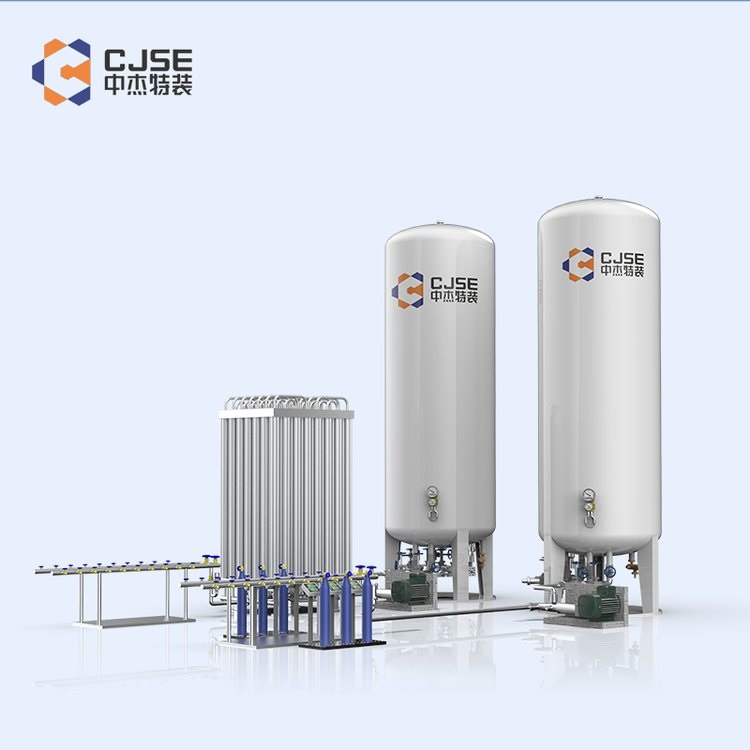
To extend the service life of low-temperature liquid storage tanks, the following measures can be taken:
Regular Inspections and Maintenance: Conduct regular visual inspections of the tank, including the shell, welds, valves, and fasteners. Check for any abnormalities such as cracks, corrosion, or deformation, and promptly repair or replace damaged parts.
Maintain Insulation Layers: Insulation is crucial for the thermal preservation of low-temperature liquid storage tanks. Regularly inspect the integrity and insulating properties of the insulation, repair or replace any damaged insulation materials to ensure the tank's insulating effectiveness.
Control temperature and pressure: The temperature and pressure of low-temperature liquid storage tanks should be maintained within a safe range. Avoid excessive or low temperatures and pressures that could damage the tank. Employ suitable cooling or heating measures to ensure stable temperature and pressure of the liquid.
Corrosion Protection: The exterior shell and internal structure of the tank should be protected against corrosion and oxidation. Regular inspections and maintenance of the protective coating are essential to ensure its integrity.
Avoid excessive pressure and overfilling: Prevent the internal pressure of the tank from becoming too high or too low, as well as overfilling with liquid. Excessive pressure and overfilling can lead to structural cracks or damage in the tank.
Regular cleaning and waste removal: Regularly clean the interior of the tank to remove accumulated impurities and dirt. Regularly remove waste to prevent damage to the tank from impurities and sediments in the liquid.
Safety Operation and Training: Ensure operators have knowledge and skills for safe handling of low-temperature liquid storage tanks. Enhance safety training to improve operators' safety awareness and emergency response capabilities.
Manage records and documents: Establish comprehensive management records and documents, including the usage status of storage tanks.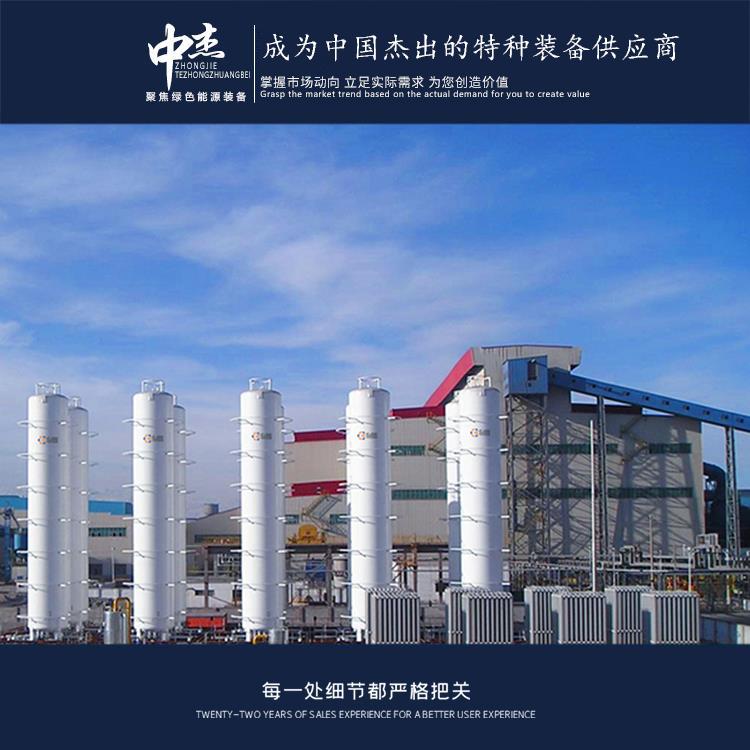
The daily inspection of liquid nitrogen tanks primarily includes the following aspects:
Visual Inspection: Check for any obvious damage, deformation, or corrosion on the tank's exterior, including the tank walls, valves, pipes, and joints.
Sealability Inspection: Verify the tank's sealing performance, including checking for leaks at valve and pipe connections, and ensuring the tank's exhaust valve and safety valve are functioning properly.
Pressure Check: Verify that the storage tank's pressure gauge is functioning correctly and that the pressure is within the normal range to ensure the tank's proper operational status.
Level Inspection: Check the liquid nitrogen tank's level to ensure it is within the normal range, avoiding issues caused by levels that are too high or too low.
Insulation Layer Inspection: Check for any damage or detachment in the storage tank's insulation layer to ensure effective insulation and reduce evaporation losses of liquid nitrogen.
Leak Inspection: Check for signs of liquid nitrogen leakage around the storage tank, including frost, ice, or liquid nitrogen stains on the ground.
Safety Equipment Inspection: Verify that the storage tank's safety equipment, such as leak detectors, alarm systems, and safety valves, are functioning properly to ensure the tank's safety.
Cleaning Inspection: Regularly clean the interior of the tank to remove accumulated impurities and dirt, maintaining the tank's cleanliness and hygiene.
The above outlines the daily inspection requirements for liquid nitrogen tanks. Specific inspection details should be adjusted and supplemented based on the tank's model, usage, and relevant regulations. During the inspection process, adhere strictly to the operational procedures and safety requirements to ensure the safe operation of the tank.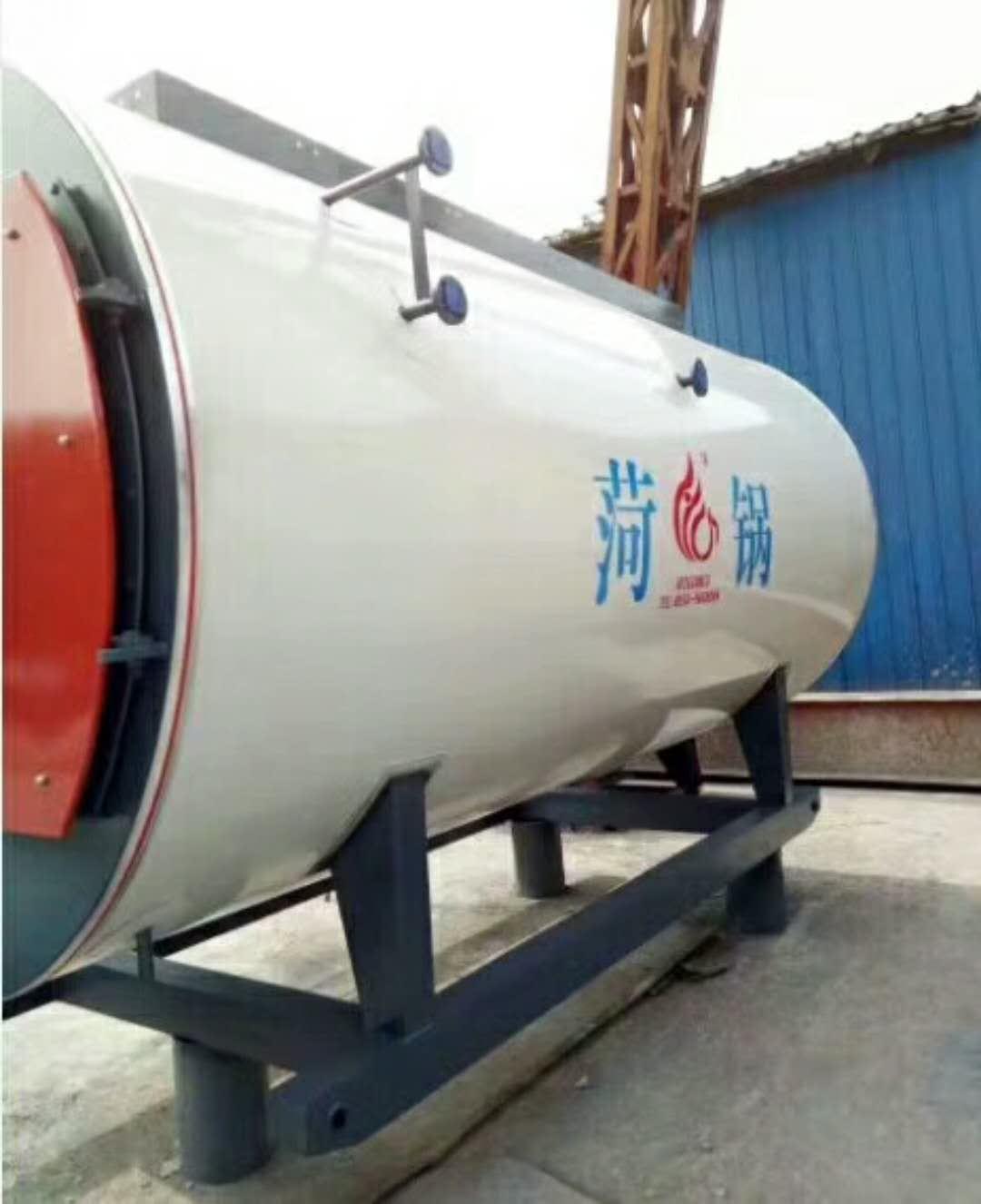
The liquid oxygen storage tank has the following characteristics:
High Purity: The liquid oxygen tanks store high-purity liquid oxygen, typically achieving a purity of over 99.5%. This makes the liquid oxygen tanks essential for applications requiring high-purity oxygen, such as medical, industrial, and research fields.
Low Temperature: Since the boiling point of liquid oxygen is -183°C, the liquid oxygen storage tank must have excellent insulation properties to maintain the low temperature of the liquid oxygen. Tanks are typically designed with double or multi-layer structures, filled with insulating material in between to reduce heat transfer and the evaporation of liquid oxygen.
High Pressure: Liquid oxygen storage tanks typically need to withstand high pressure to maintain their liquid state. The design and material selection of the tank must consider the pressure requirements of liquid oxygen to ensure the tank's safety and reliability.
Flammability: Liquid oxygen is highly flammable and supports combustion. Consequently, fire prevention measures must be implemented in the design and operation of liquid oxygen storage tanks, ensuring there are no ignition sources in the vicinity and appropriate firefighting equipment is provided.
High Density: Liquid oxygen has a higher density than gaseous oxygen, allowing liquid oxygen tanks to store more oxygen. This gives liquid oxygen tanks an advantage in applications requiring large amounts of oxygen supply, such as in the field.
Corrosiveness: Liquid oxygen has certain...
Shandong Zhongjie Special Equipment, welcome customers to our factory for business discussions.
WeChat Official Account

Scan to follow Official Account



















