


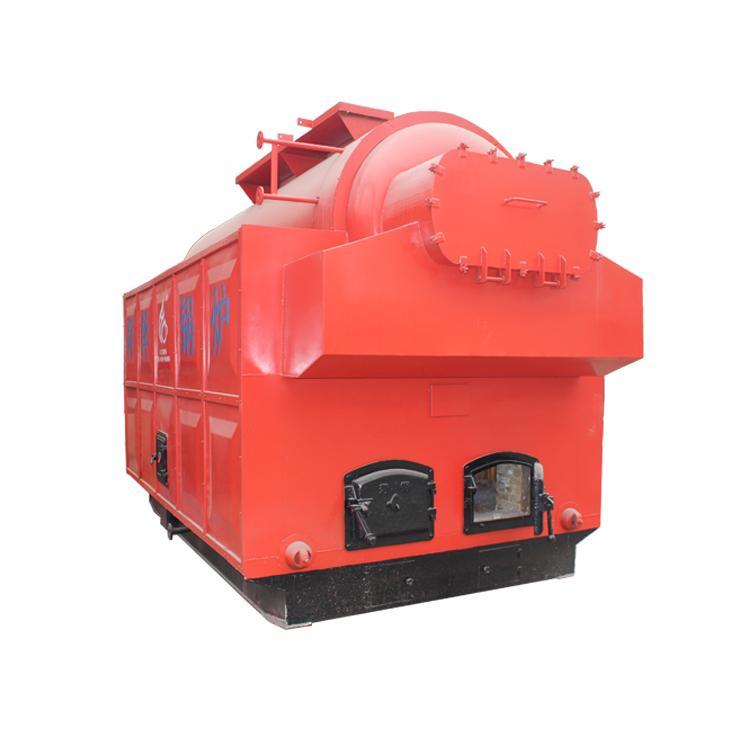

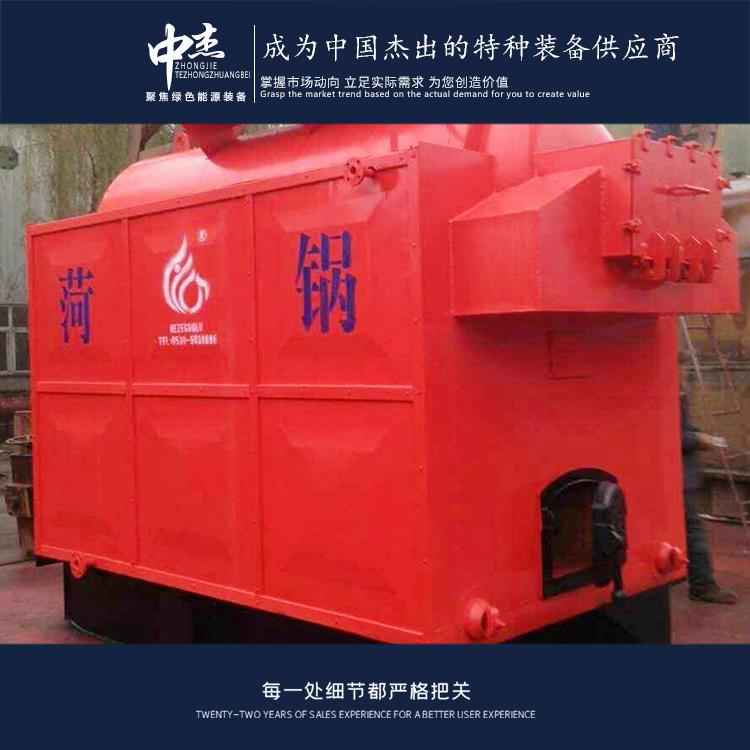
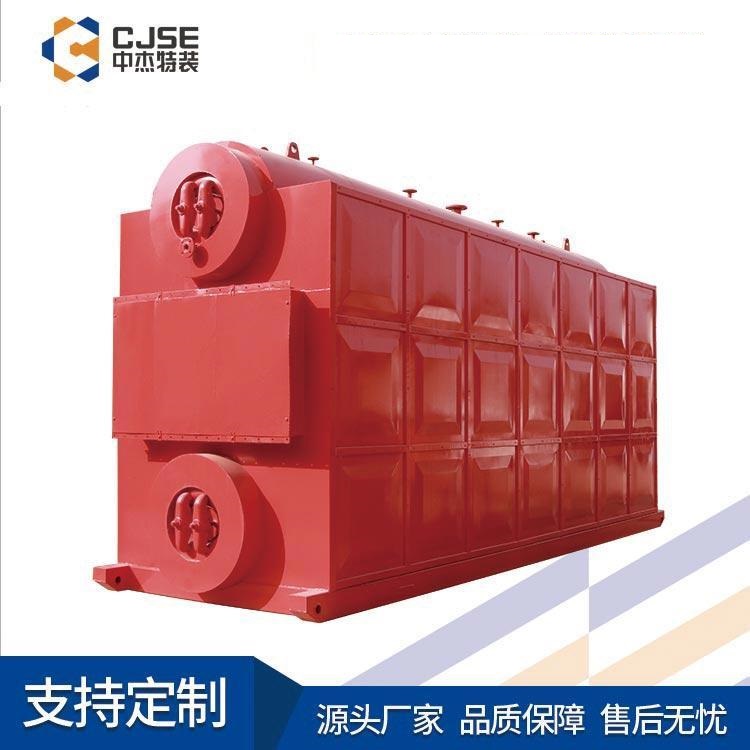


















Shandong Zhongjie Special Equipment Co., Ltd. (formerly Heze Boiler Factory Co., Ltd.) was established in 2001, located at No. 2218 Jinnan Road, Economic Development Zone, Heze City, with a registered capital of 50 million yuan and total assets of 500 million yuan. The company has 7 business centers: boilers, deep-freezing vessels, pressure vessels, central air conditioning, engineering installation, international trade, and Internet of Things. It has three factory areas on Jinnan Road, East Changjiang Road, and Bohai Road, covering a total of 200,000 square meters. The main workshop is 83,000 square meters, with 710 employees, including 247 engineering and technical personnel and 82 intermediate-level technical personnel. In December 2016, it was recognized as a "High-tech Enterprise" by the Science and Technology Department. In June 2021, it was identified as a "Specialized and New Enterprise in Shandong Province" by the Ministry of Industry and Information Technology. In June 2022, it was recognized as a "Gazelle Enterprise in Shandong Province" and in August 2022, as a "Specialized and New Small Giant Enterprise" by the Ministry of Industry and Information Technology.
To enhance the thermal efficiency of biomass boilers, the following measures can be taken:
Optimize the combustion system: Ensure the biomass boiler's combustion system operates effectively with high combustion efficiency. Adoptable combustion technologies include fluidized bed combustion and chain grate combustion to enhance combustion efficiency and thermal energy utilization.
Control Fuel Quality: Select biomass fuels in controlled quantities, such as dried wood chips, straw, etc., and avoid fuels with excessive moisture content. High moisture fuels consume additional heat for evaporation, reducing combustion efficiency.
Properly Adjust Fuel Supply: Adjust the fuel supply quantity according to actual needs to avoid excess or shortage. Excessive supply leads to fuel waste, while insufficient supply affects combustion efficiency.
Control combustion temperature: Maintain an appropriate range of combustion temperature to avoid excessively high or low temperatures. Excessive high temperature can lead to heat loss of fuel, while low temperature may affect the combustion efficiency.
Regular cleaning and maintenance: Regularly clean the combustion chamber, flue, heat exchanger, and other components of the biomass boiler to keep them clean and unobstructed. Accumulated ash and dirt can affect heat conduction and heat exchange efficiency, reducing thermal efficiency.
Utilize waste heat recovery technology: Employ waste heat recovery units to utilize the residual heat from combustion for heating systems or other applications.
Biomass boilers offer several advantages:
Renewable Energy: Fuel for biomass boilers comes from organic matter such as plants, animals, and microorganisms, making it a renewable energy source. Compared to traditional fossil fuels, biomass fuel has lower carbon emissions and environmental impact, contributing to the reduction of greenhouse gas emissions and being more environmentally friendly.
Diverse Fuel Sources: Biomass fuel sources are extensive, encompassing wood, straw, waste crops, food scraps, and urban solid waste, among others. This diversity in fuel sources provides biomass boilers with flexibility and adaptability, allowing for the utilization of waste and by-products from plants and animals.
Environmental Friendliness: The carbon dioxide emitted during the combustion process of biomass boilers can be absorbed by plants, forming a cycle that reduces air pollution. Additionally, the emissions and ash produced by biomass boilers are relatively low, resulting in minimal environmental impact.
Energy Security: Biomass, as a native renewable energy source, can reduce dependence on imported energy and enhance energy security. In areas with scarce resources, the use of biomass boilers can provide a reliable energy supply.
Economic viability: Biomass fuel is relatively cost-effective and can reduce energy costs. Furthermore, the technology and equipment for biomass boilers are continuously evolving and maturing, making them more economically competitive.
Waste Utilization: Biomass boilers can utilize agricultural residues like straw and wood waste, effectively utilizing waste resources and reducing resource waste.
In summary, biomass boilers offer advantages such as renewable energy, diverse fuel sources, environmental friendliness, energy security, cost-effectiveness, and waste utilization, making them a sustainable energy option.
Several factors need to be considered when selecting a suitable biomass boiler:
Fuel Type: Firstly, determine the available biomass fuel types, such as sawdust, straw, etc. Different biomass fuels have varying characteristics, including moisture content, ash content, and calorific value, so select a boiler suitable for the fuel type.
Boiler Capacity: Determine the required steam or hot water output based on actual needs and select an appropriate boiler capacity. Over-sizing leads to energy waste, while undersizing fails to meet demands.
Combustion Efficiency: Focus on the boiler's combustion efficiency, which is the ratio of fuel converted to thermal energy. High combustion efficiency improves energy utilization and reduces operating costs.
Equipment Quality and Reliability: Choose biomass boilers and suppliers with excellent quality and reliability to ensure long-term stable operation and ease of maintenance.
Environmental Performance: Focus on the environmental performance of the boiler, including emission standards and reduction of pollutants. The selected biomass boiler is conducive to environmental protection and compliance with relevant regulations.
Economic viability: Choose a cost-effective biomass boiler by considering the overall purchase, operation, and maintenance costs of the boiler.
Adaptability and Flexibility: Select biomass boilers with strong adaptability and flexibility, tailored to specific requirements and application scenarios, capable of accommodating various fuel types and operational conditions.
When selecting biomass boilers, consult boiler suppliers or engineers to conduct technical assessments and economic analyses based on specific situations, and choose the appropriate type and specification of biomass boiler.
Controlling slagging in biomass boilers is a crucial measure to ensure the normal operation of the boiler and extend its lifespan. Here are some common methods for controlling slagging in biomass boilers:
Select fuel wisely: Opt for high-quality, properly humidified biomass fuel to avoid using overly moist or excessively contaminated fuel, which can reduce the likelihood of coking.
Regulate Combustion Temperature: Reasonably control the combustion temperature of biomass boilers to avoid excessively high temperatures, reducing the fuel's residence time in the furnace and minimizing the risk of slagging.
Enhance furnace cleaning: Regularly clean the furnace to remove ash and dust inside, ensuring the furnace remains unobstructed and reducing the likelihood of coking.
Regulate Excess Air: Properly control the air supply during the combustion process of biomass boilers to prevent excessive air from entering the furnace, thereby reducing the risk of fuel oxidation and slagging.
Regular Ash Blowing: Conduct regular ash blowing on biomass boiler components such as economizers and superheaters to remove ash and soot, maintaining heat exchange efficiency and reducing the likelihood of fouling.
Enhanced Monitoring and Inspection: Regularly monitor and inspect biomass boilers, including parameters such as furnace temperature, flue gas composition, and furnace pressure, to promptly identify any anomalies and take appropriate actions.
These measures can help control the fouling issue in biomass boilers, maintain normal boiler operation, and extend the service life of the boiler. Additionally, based on specific circumstances, other appropriate measures can be adopted in conjunction with actual operating experience and technical requirements.
Zhongjie Special Equipment adheres to the grand vision of "realizing employees' dreams, creating value for customers, and striving for the prosperity and strength of our motherland," and is dedicated to the development of the green energy equipment industry. We commit to society with high-quality, cost-effective products and services!
WeChat Official Account

Scan to follow Official Account



















