


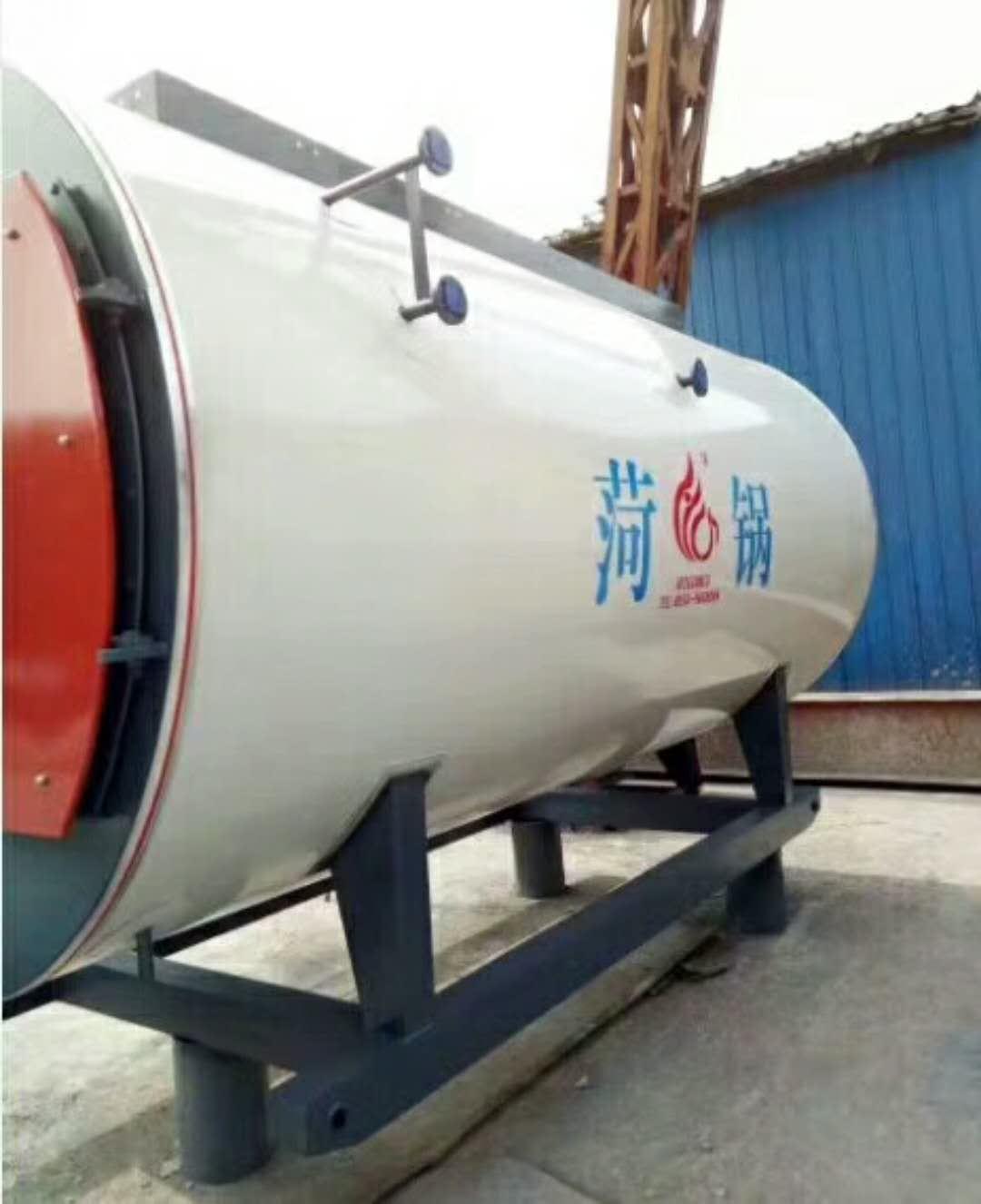

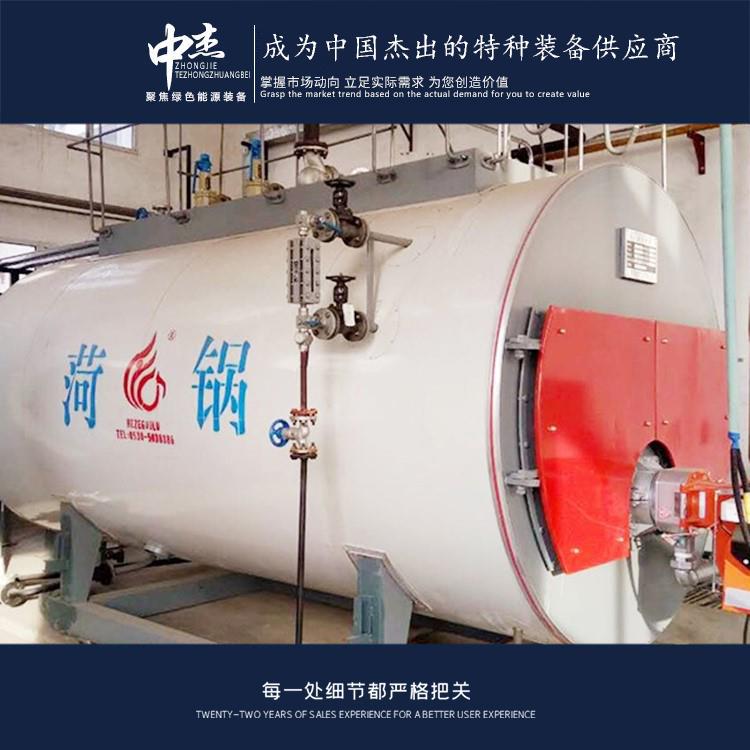
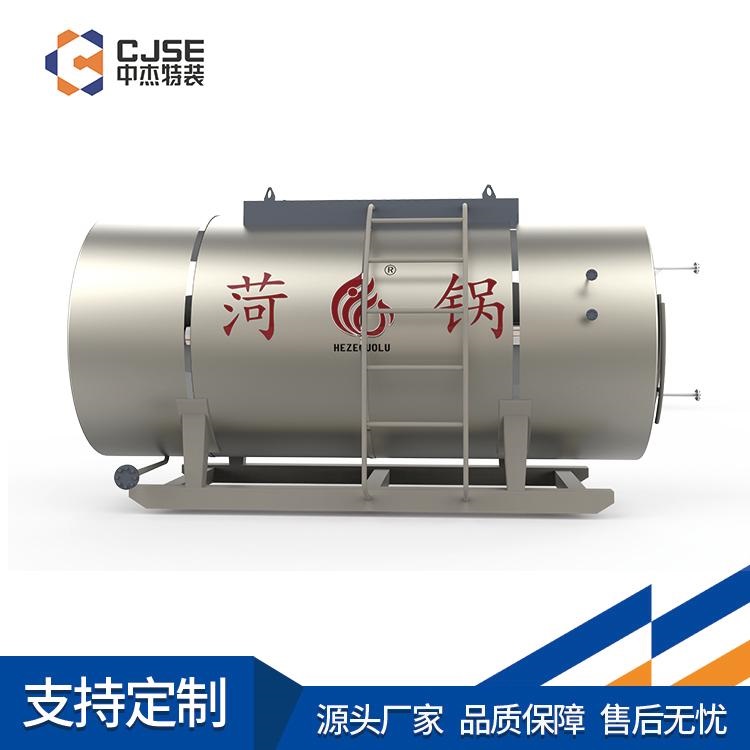


















Shandong Zhongjie Special Equipment (formerly Heze Boiler Factory Co., Ltd.) holds an A-grade boiler manufacturing license, an A2-grade pressure vessel manufacturing license, an A2-grade pressure vessel design license, a B-grade boiler installation license, and GB2/Class and GC2/Class pressure pipeline installation licenses, as well as a qualification for electromechanical equipment installation contracts. It is a member of the China Boiler and Water Treatment Association, the China Chemical Equipment Association, and the理事 member of the Shandong Equipment Manufacturing Association. The company has also passed certifications for the ISO9001 Quality Management System, ISO14001 Environmental Management System, OHSAS18001 Occupational Health and Safety Management System, and the American ASME/U2 certification.
A gas boiler is a heating equipment that uses gas or similar fuels. It produces heat by burning gas, heating water into steam or hot water, and is used for heating, hot water supply, or industrial production, among other applications. The working principle of a gas boiler involves mixing gas with air, igniting the mixture, and then burning to create high-temperature combustion gases. These gases are then used to transfer heat to the water through a heat exchanger, thereby raising the water temperature. Gas boilers offer advantages such as environmental friendliness, safety, and are widely used in residential, commercial, and industrial settings.
For the maintenance of industrial gas-fired boilers, here are some common methods and precautions:
* Clean the burner: Regularly clean the internal parts and nozzles of the burner to ensure normal combustion of gas and avoid carbon buildup and blockages.
* Inspect the gas supply system: Regularly check the gas supply system, including gas pipes, valves, and pressure regulators, to ensure normal supply with no leaks or blockages.
* Clean the flue and heat exchanger: Regularly clean the flue and heat exchanger to remove ash and dirt, maintaining heat exchange efficiency and preventing overheating and energy loss.
* Check water level and pressure: Regularly inspect the boiler's water level and pressure to ensure safe operation within the specified range. Top up water and adjust pressure to avoid issues caused by low or high water levels.
* Inspect safety devices: Regularly check the safety devices of the boiler, including safety valves, pressure switches, and water level controllers, to ensure proper functioning and safe operation.
* Check the control system: Regularly inspect the boiler's control system, including automatic controllers, sensors, and instruments, to ensure accuracy and reliability, and to detect and repair faults in a timely manner.
* Regular maintenance: Perform regular maintenance, including lubricating parts, replacing worn components, and checking electrical connections, to extend the lifespan and stability of the boiler.
* Keep records: Document the boiler's operating parameters, maintenance records, and fault situations to help identify issues and analyze operating conditions.
* Train operators: Ensure operators are sufficiently trained.
Prior to starting the heating gas hot water boiler, the following correct procedures must be followed:
- Inspect the gas supply system: Ensure the gas supply system is operating properly, check gas pipes, valves, and pressure regulators, ensuring no leaks or blockages in the gas supply.
- Inspect the water system: Check the water circulation system of the heating system, including pumps, valves, and pipes, ensuring the waterways are clear with no leaks or blockages.
- Inspect the electrical system: Check the boiler's electrical system, including power connections, controllers, and sensors, ensuring electrical equipment is functioning normally.
- Inspect the safety devices: Check the boiler's safety devices, including safety valves, pressure switches, and water level controllers, ensuring they are working properly to ensure safe boiler operation.
- Prepare for ignition: According to the boiler's operating instructions, prepare the tools and equipment needed for ignition, including igniters and ignition electricity.
- Open the gas valve: Slowly open the gas valve to ensure a steady gas supply and avoid gas surges.
- Ignition start-up: Follow the boiler's operating instructions for ignition start-up. Perform the appropriate actions based on the boiler model and control system to ensure smooth ignition.
- Monitor operational status: After start-up, closely monitor the boiler's operational status, including combustion, water level, and pressure, ensuring normal operation without any abnormalities.
- Adjust parameters: Adjust the boiler's parameters as needed, including temperature, pressure, and water level, to meet the requirements of the heating system.
- Regular maintenance: After start-up, perform regular maintenance, including cleaning the burner, checking water level and pressure, and replacing worn parts, to ensure normal and safe boiler operation.
- It is recommended to refer to the boiler's operation manual and manufacturer's guidance before starting the heating gas hot water boiler to ensure correct and safe operation. If necessary, request personnel for operation and maintenance.
The necessity of flow control in thermal oil heaters is mainly reflected in the following aspects: Heat transfer efficiency: The heat transfer efficiency of thermal oil heaters is closely related to the flow rate of the thermal oil. Appropriate flow rates ensure that heat is fully transferred in the heat exchanger, enhancing the efficiency of heat utilization. Excessive low flow rates can lead to insufficient heat exchange and affect the heat transfer effect, while excessive high flow rates will increase energy consumption and operating costs. Temperature control: The flow control of thermal oil heaters is also closely related to temperature control. By adjusting the flow rate of thermal oil, the temperature inside the furnace can be controlled, ensuring stable operation within the set working temperature range. Excessive low flow rates can cause temperatures to rise too high, and excessive high flow rates can cause temperatures to drop too low, both of which can affect the normal operation of the equipment. System stability: Appropriate flow rates of thermal oil can enhance system stability. Flow control can balance the supply and demand of heat energy, prevent overheating or cooling, and maintain stable system operation. Stable operation helps to extend the service life of the equipment and reduce the frequency of failures and repairs. Safety: The flow control of thermal oil heaters is also closely related to safety. Appropriate flow control can prevent excessive accumulation of thermal oil in the system, reducing the risk of leaks and explosions. Additionally, flow control can ensure that the system pressure remains within a safe range, avoiding overpressure and other safety issues. In summary, flow control in thermal oil heaters is necessary for improving heat transfer efficiency, temperature control, system stability, and safety. Through reasonable flow control, the operation of thermal oil heaters can be optimized, energy utilization efficiency can be increased, operating costs can be reduced, and the safety and stable operation of the equipment can be ensured.
Shandong Zhongjie Special Equipment, welcome customers to visit our factory for business discussions.
WeChat Official Account

Scan to follow Official Account



















