


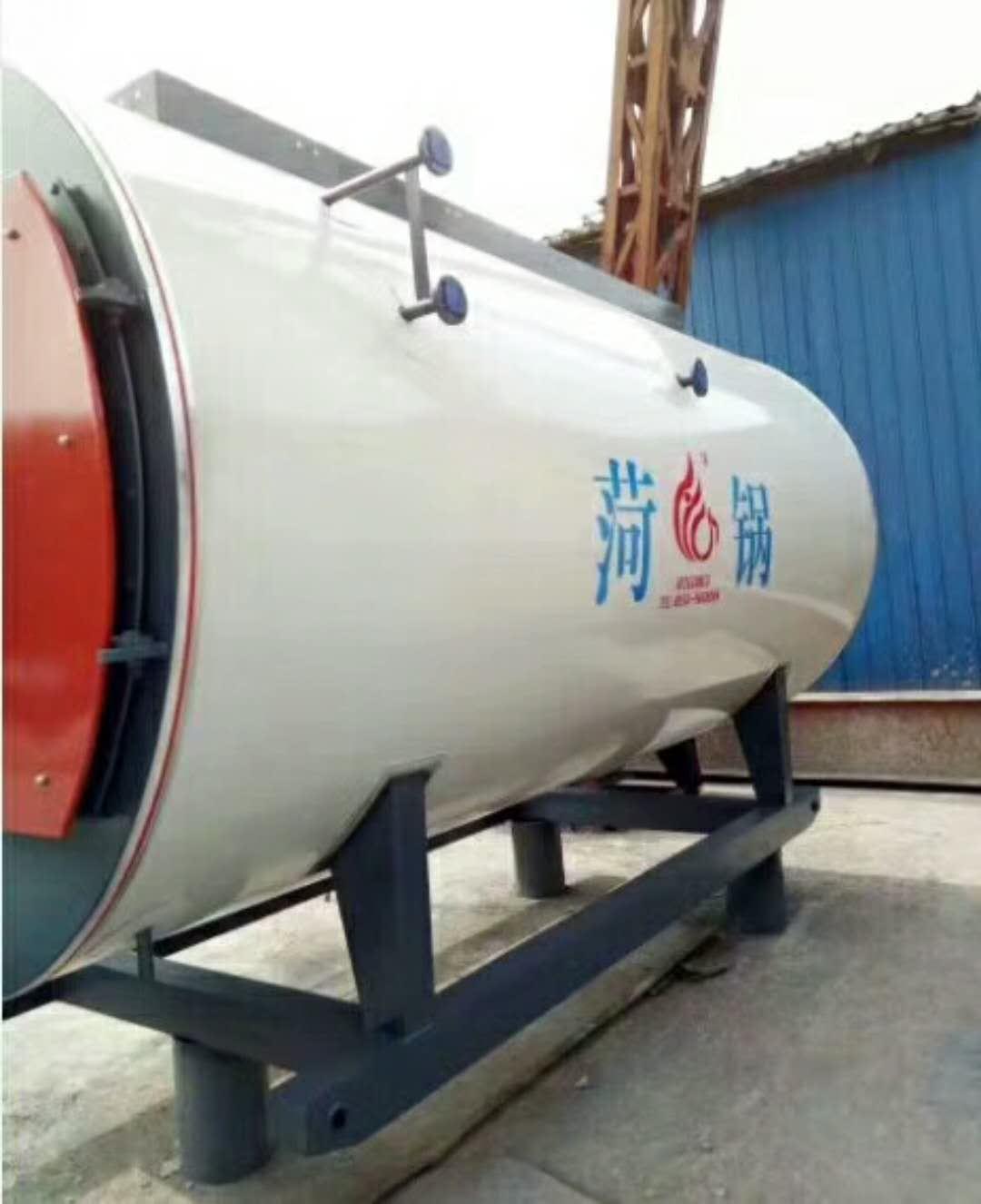

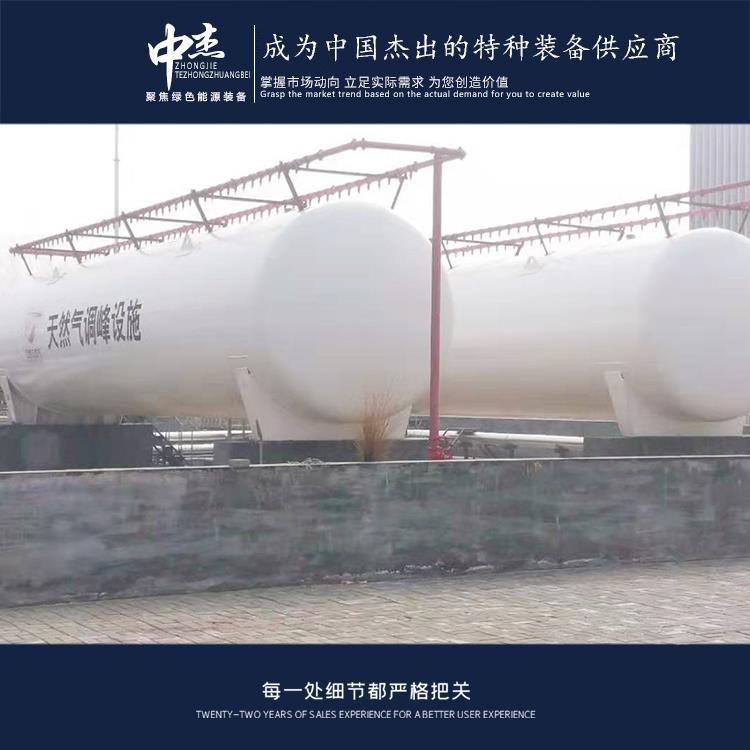
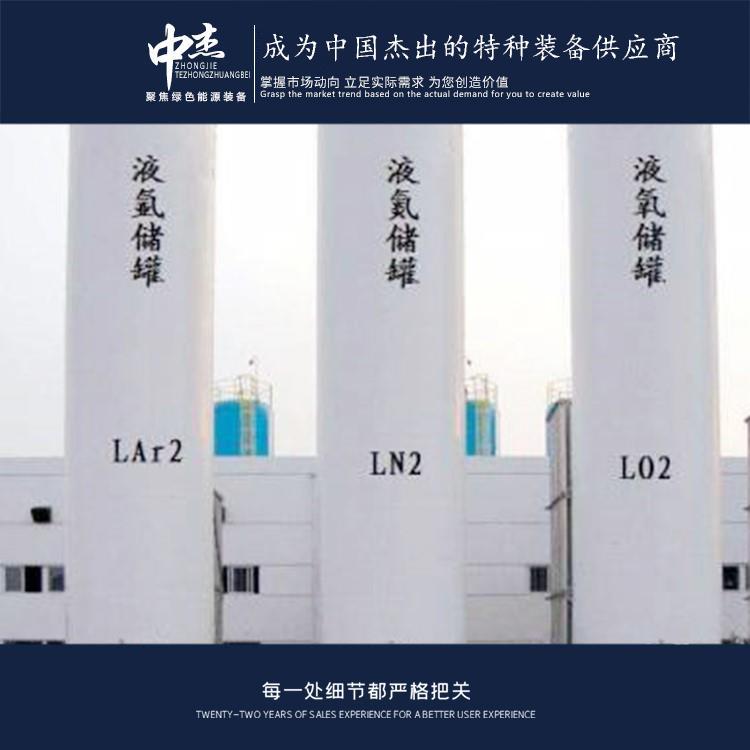


















Shandong Zhongjie Special Equipment's main products include: fuel (gas) boilers, organic heat carrier boilers, biomass boilers, waste heat boilers, and other boiler products; vacuum insulation cryogenic pressure vessels such as LNG tanks, oxygen/nitrogen/argon tanks, and CO2 tanks; pressure vessel products such as denitrification engineering equipment, heat storage equipment, and complete chemical equipment sets; central air conditioning and HVAC equipment such as ground (water) source heat pumps, air source units, water-cooled screw units, and air-cooled modular units. Planned products include large-scale energy centers, LNG transport vehicles, LNG tank containers, and other green energy equipment.
When applying coatings to carbon dioxide storage tanks, attention should be given to the following issues:
Surface Preparation: Prior to coating, thorough surface preparation of the tank is essential. This involves cleaning the surface, removing oils, dirt, and old coatings to ensure proper adhesion and quality of the coating.
Choosing the Right Paint: Selecting the appropriate paint for carbon dioxide storage tanks is crucial. The paint should be corrosion-resistant, heat-resistant, and chemically-resistant to protect the tank surface from corrosion and damage.
Spraying Techniques: The choice and operation of spraying techniques are critical for the quality and uniformity of the coating. Appropriate spraying equipment and methods should be selected to ensure even coverage of the entire tank surface and avoid drips and sagging of the paint.
Coating Thickness: The thickness of the coating is vital for the protective effect of the tank. The thickness should be controlled according to the paint requirements and the tank's operating environment to ensure the protective performance and lifespan of the coating.
Drying and Curing: After the coating is applied, sufficient time for drying and curing is necessary. Follow the correct drying time and conditions as required by the paint to ensure the quality and performance of the coating.
Safety Measures: Appropriate safety measures must be taken during the spraying process, including wearing protective eyewear, respirators, and protective clothing to ensure the safety of the operators.
Quality Inspection: After coating, a quality inspection should be conducted, including the appearance, adhesion, and thickness of the coating. Any issues or defects should be repaired and addressed promptly.
It should be noted that the coating of carbon dioxide storage tanks should be performed by professionals.
Before using the carbon dioxide storage tank, the following preparations must be made:
- Inspect the tank: Check the tank's appearance for any damage, corrosion, or signs of oil leakage. Ensure the structural integrity and safety of the tank.
- Check valves and pipelines: Verify that the tank's inlets and outlets, as well as pipeline connections, are functioning normally with no leaks or loose fittings. Ensure valves operate smoothly and reliably.
- Inspect safety accessories: Check the operation of safety accessories like safety valves, pressure sensors, and temperature sensors. Confirm that their set parameters meet requirements.
- Check the level measurement system: Assess the accuracy and reliability of the level measurement system. Calibrate the level sensors to ensure precise level readings.
- Inspect pressure relief devices: Check that the tank's pressure relief devices (such as safety valves) are working properly. Verify that the set pressure of the relief devices meets specifications.
- Check gas quality: Ensure the carbon dioxide gas in the tank meets quality requirements with no impurities or contaminants.
- Check fire protection equipment: Confirm that fire protection equipment around the tank is in good condition and that extinguishers, sprinkler systems, etc., are functioning properly.
- Train operators: Operators should receive training on the characteristics, operational requirements, and safety measures of the carbon dioxide storage tank. Training should include safe operation, leak handling, and emergency procedures.
- These preparations ensure the tank is in good condition before use and guarantee operational safety and reliability. Follow relevant safety operation procedures and have personnel handle the preparations.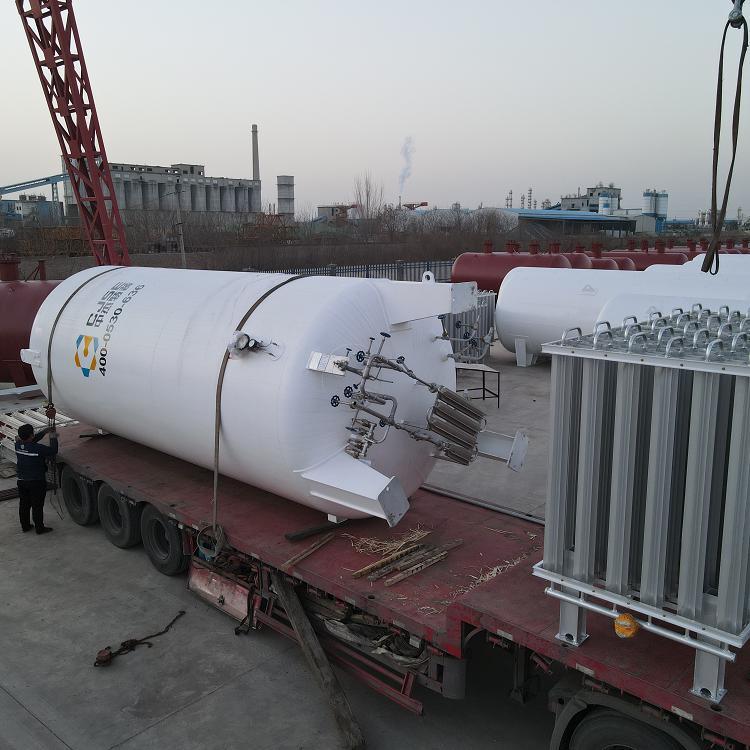
Carbon dioxide tanks fall under the category of pressure vessels. Pressure vessels are sealed containers capable of withstanding internal pressure, used for storing and transporting gases, liquids, or mixtures. A carbon dioxide tank is a pressure vessel designed for storing and transporting carbon dioxide, featuring special design and structure to ensure safe storage and use of carbon dioxide. Depending on design and application, carbon dioxide tanks can be vertical or horizontal, with varying capacities and pressure ratings. When using carbon dioxide tanks, it is necessary to comply with relevant regulations and standards to ensure their safe operation and use.
Urea synthesis from carbon dioxide is a significant chemical reaction with several applications: Urea Production: Urea is a crucial nitrogen fertilizer and chemical, widely used in both agricultural and industrial sectors. Carbon dioxide-based urea synthesis is one of the commonly used methods for producing urea. In this process, carbon dioxide reacts under high temperature and pressure to produce urea. This method leverages carbon dioxide resources, reducing reliance on fossil fuels used in traditional urea production. Urea Fuel: Urea can also serve as a urea fuel for internal combustion engines and combustion equipment. By heating and decomposing urea, energy is released, which then reacts with oxygen in the air to produce combustion heat. This combustion process yields only water vapor and nitrogen as byproducts, reducing environmental pollution. Chemical Synthesis: Urea is a key raw material for the synthesis of many chemicals. Carbon dioxide-based urea synthesis provides a sustainable supply of urea for the chemical industry, used in the production of other chemicals such as plastics, resins, paints, etc. Energy Storage: Urea can also act as a medium for energy storage. By synthesizing urea from carbon dioxide, energy can be stored in the form of chemical bonds. When energy is needed, it can be released by decomposing urea, which then reacts with oxygen in the air to produce combustion heat, releasing stored energy. The development of carbon dioxide-based urea synthesis technology aims to reduce dependence on fossil fuels used in traditional urea production methods, lower greenhouse gas emissions, and promote the development of sustainable agriculture and the chemical industry. However, this technology is still under development and research, requiring further technical breakthroughs and practical validation for large-scale application.
Our company highly values technological innovation and R&D design, boasting 1 city-level enterprise technology center in Heze City. We have established testing facilities for non-destructive testing, physical and chemical testing, welding testing, hydrostatic testing, etc., and are equipped with over 600 various instruments and equipment, including CNC machine tools, X-ray flaw detectors, digital ultrasonic flaw detectors, mechanical property testing machines, chemical analyzers, spectrometers, tensile testing machines, plasma welding machines, and more. The key products and technologies we have developed, such as thermal pressure vessel welding, biomass boiler emission reduction, and waste heat utilization, have successively been selected for multiple Shandong Provincial Department of Industry and Information Technology innovation projects, Shandong key projects, and Heze City innovation and excellence projects. We have accumulated 27 authorized utility models, 16 authorized inventions, participated in drafting 2 standards, 2 industrial standards, and registered 15 trademarks. Our technical team, in collaboration with Professor Yajiang Li of Shandong University, has developed deep cryogenic vessel processing technology using the international plasma arc + wire feeding argon arc welding (PAW-GTAW) technology, which has been appraised as reaching international standards in the field of deep cryogenic vessel manufacturing at the provincial level. Choose Zhongjie Special Equipment, and let's create brilliance together!
WeChat Official Account

Scan to follow Official Account



















