


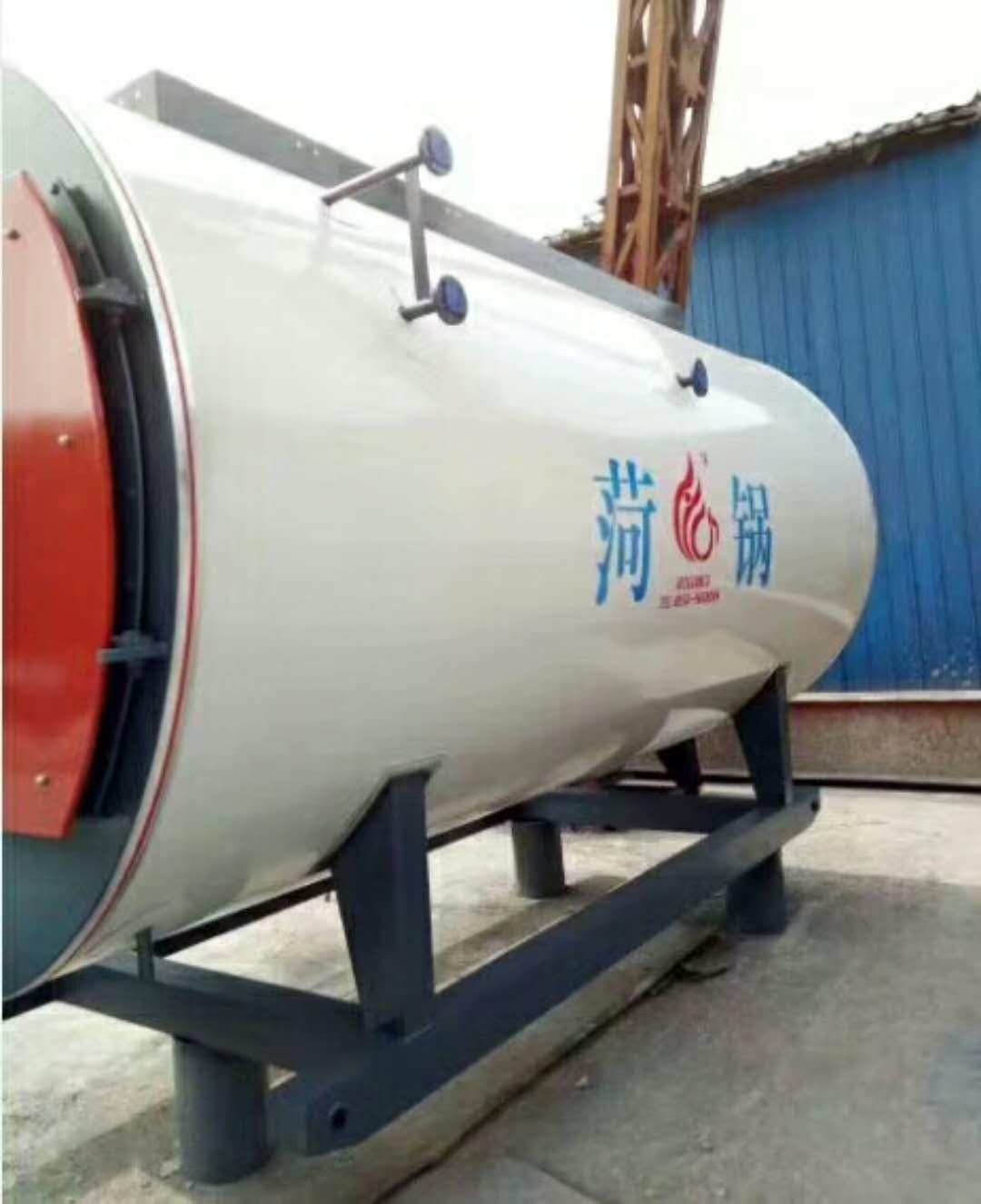

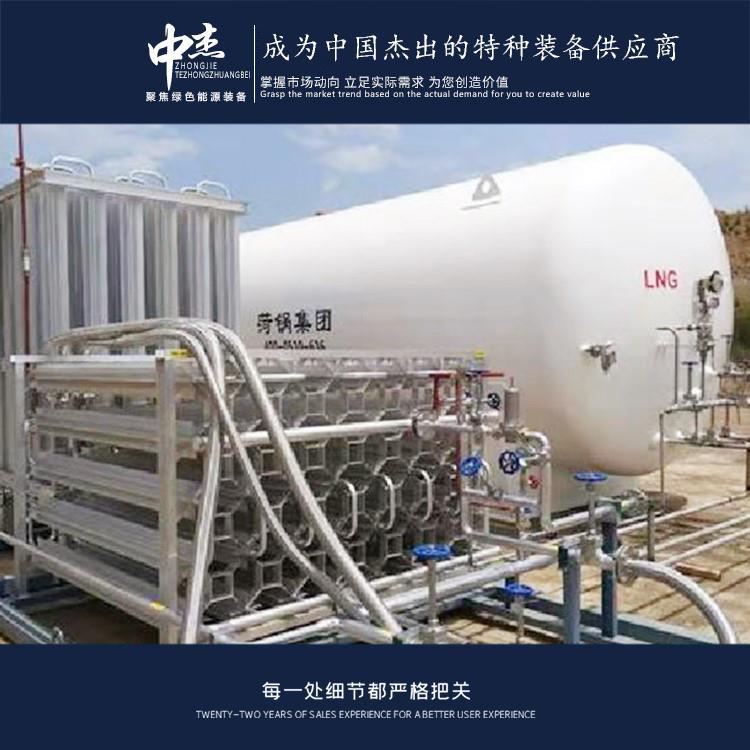
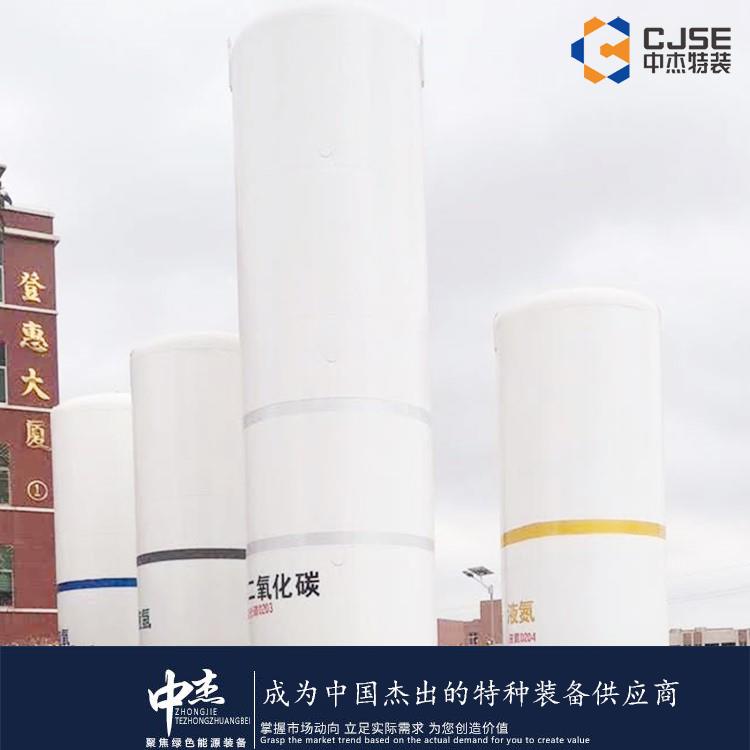


















Shandong Zhongjie Special Equipment's main products include: fuel (gas) boilers, organic heat carrier boilers, biomass boilers, waste heat boilers, and other boiler products; vacuum insulation cryogenic pressure vessels such as LNG tanks, oxygen-nitrogen-aragonite tanks, and CO2 tanks; pressure vessel products like denitrification engineering equipment, heat storage and energy storage equipment, and complete chemical equipment; central air conditioning and HVAC equipment such as ground (water) source heat pumps, air source units, water-cooled screw units, and air-cooled modular units. Planned products include large-scale energy centers, LNG transport vehicles, LNG tank containers, and other green energy equipment.
Liquid nitrogen tanks are equipment used for storing liquid nitrogen, widely applied in the following fields:
1. Frozen Food and Refrigerated Logistics: Liquid nitrogen tanks are utilized in the frozen food and refrigerated logistics industry to freeze or refrigerate food and other perishable items, extending their shelf life and maintaining freshness. The low temperature of liquid nitrogen can rapidly freeze food, preventing bacterial growth and spoilage.
2. Biological Sample Storage: Liquid nitrogen tanks are extensively used for freezing and storing biological samples, cells, tissues, and more. The low temperature of liquid nitrogen effectively preserves the integrity and viability of biological materials, used in medical research, biomedical engineering, and transplantation fields.
3. Laboratory Research: In scientific research and laboratories, liquid nitrogen tanks are employed to provide liquid nitrogen as a coolant and freezing medium. The low temperature of liquid nitrogen can be used for cooling laboratory equipment, material research, superconducting electronics, and low-temperature physics.
4. Metal Processing and Welding: Liquid nitrogen tanks are used in metal processing and welding for cooling and controlling the temperature of metals. Liquid nitrogen can rapidly cool metals, improving their hardness and strength, and reducing deformation and stress.
5. Gas Storage and Supply: Liquid nitrogen tanks are also used for storing and supplying nitrogen gas. Liquid nitrogen can be converted into gaseous nitrogen through evaporation, used in applications such as gas shielded welding, gas fire suppression systems, gas analysis, and laboratory gas supply.
In summary, liquid nitrogen tanks are widely used in frozen food, laboratory research, metal processing, and gas supply fields, providing storage and supply functions for liquid nitrogen at application sites.
The filling of a low-temperature liquid nitrogen tank refers to the process of transferring liquid nitrogen from an external supply source into the tank. Below is an explanation of the filling process for low-temperature liquid nitrogen tanks:
Preparation: Prior to filling the liquid nitrogen tank, preparatory work must be conducted. This includes inspecting the tank's condition and safety, ensuring the tank is clean, free of impurities, and contaminants. Additionally, check the quality of the liquid nitrogen from the supply source and the safety of the supply pipeline.
Connect supply source: Attach the liquid nitrogen supply source to the liquid inlet of the storage tank. Ensure the connection is secure and reliable to prevent leaks.
Control Liquid Level: During the bottling process, it is necessary to control the liquid nitrogen level to prevent overfilling or overflow. A liquid level gauge or a liquid level control system can be used to monitor and control the level.
Slow Injection: The injection of liquid nitrogen should be done slowly to prevent rapid vaporization and increased pressure. Appropriate valves and flow control devices can be used to regulate the injection rate.
Monitor Pressure: During the canning process, it is essential to monitor the tank's pressure to ensure it remains within a safe range. Pressure gauges or pressure sensors and similar equipment can be used for monitoring.
Canning Complete: Stop injecting liquid nitrogen when the liquid level reaches the predetermined filling amount or the tank's capacity limit. Disconnect from the supply source and ensure the sealing integrity of the filling port.
Safe Operation: Throughout the bottling process, relevant safety regulations and operating guidelines must be followed. Liquid nitrogen is highly flammable and extremely cold, so operators must wear appropriate personal protective equipment and ensure the operating environment is free of any ignition sources.
When bottling liquid nitrogen, be mindful of its low-temperature properties and safety. Ensure safe operation and control throughout the bottling process to guarantee the safe operation of the storage tank and effective storage of the liquid nitrogen.
To maintain the stability of liquid argon tanks, the following details should be noted:
Basic Design: The foundation design of the tank should comply with relevant standards and regulations to ensure stability and load-bearing capacity. The foundation must possess sufficient strength and seismic resistance to withstand the impact of external forces and natural disasters such as earthquakes.
Foundation Construction: During the foundation construction process, it is crucial to ensure the flatness and levelness of the foundation to prevent tilting or uneven settlement. Additionally, the concrete pouring for the foundation must comply with construction specifications, guaranteeing the quality and strength of the concrete.
Installation Process: During the installation of the tank, appropriate lifting equipment and safety measures must be employed to ensure the vertical installation and stability of the tank. Avoid severe vibrations and collisions during the installation process to prevent damage or deformation to the tank.
Support Structure: The support structure of the tank should be designed reasonably to ensure the stability and load-bearing capacity of the tank. It should be made of sturdy materials and use appropriate connection methods to withstand external forces and the pressure of the liquid inside the tank.
Safety Equipment: Tanks should be equipped with safety devices such as pressure relief valves and level alarms to ensure timely measures can be taken in abnormal situations, ensuring the safety of the tank.
Regular Inspections and Maintenance: Conduct regular checks and maintenance on liquid argon tanks, including visual inspections, pressure tests, leak detection, and as required, non-destructive testing and material analysis. Promptly identify and address any issues with the tanks to ensure their stability and safety.
Note that the installation of liquid argon tanks should be carried out by experienced personnel and in accordance with relevant safety operating procedures and standards. During installation, operations should strictly follow the manufacturer's installation guidelines and requirements to ensure the stability and safety of the tank.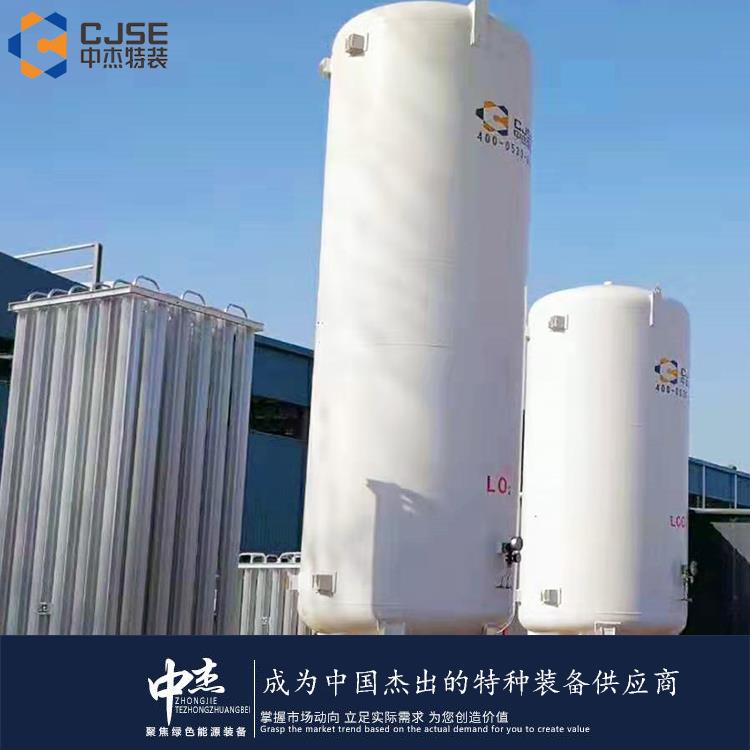
Safe operation and transportation of liquid oxygen storage tanks should be mindful of the following points:
Safe Application Methods:
Tank Selection: Choose liquid oxygen tanks that meet specifications and standards, ensuring their quality and safety performance.
Tank Installation: Tanks should be installed on a sturdy foundation to ensure stability. Additionally, good ventilation around the tank is required, and it should be kept away from flammable materials and heat sources.
Sealability Inspection: Regularly check the sealing performance of the storage tank to ensure there are no leakage issues at the valve and pipeline connections.
Pressure Control: Tanks should be equipped with pressure gauges and safety valves, and regularly inspected and maintained to ensure pressure remains within safe limits.
Fire Prevention Measures: Liquid oxygen contains a high oxygen content and is highly flammable. Install firewalls around the storage tank, ban smoking and open flames, and ensure safety.
Static protection: During the transportation and use of liquid oxygen, static electricity may cause sparks, increasing the risk of fire. Measures such as using static-conductive materials and anti-static equipment should be taken to reduce the accumulation and release of static electricity.
Shipping Precautions:
Transportation Vehicle Selection: Choose transportation vehicles that meet the requirements for liquid oxygen transport, ensuring their safety and sealing.
Loading and Unloading: During the transportation of liquid oxygen, appropriate loading and unloading procedures should be adopted.
ZJ Special Equipment adheres to the great vision of "realizing employees' dreams, creating value for customers, and striving for the prosperity and strength of our motherland," wholeheartedly devoting itself to the development of green energy equipment industry, offering products and services with high cost-performance to the society!
WeChat Official Account

Scan to follow Official Account



















