


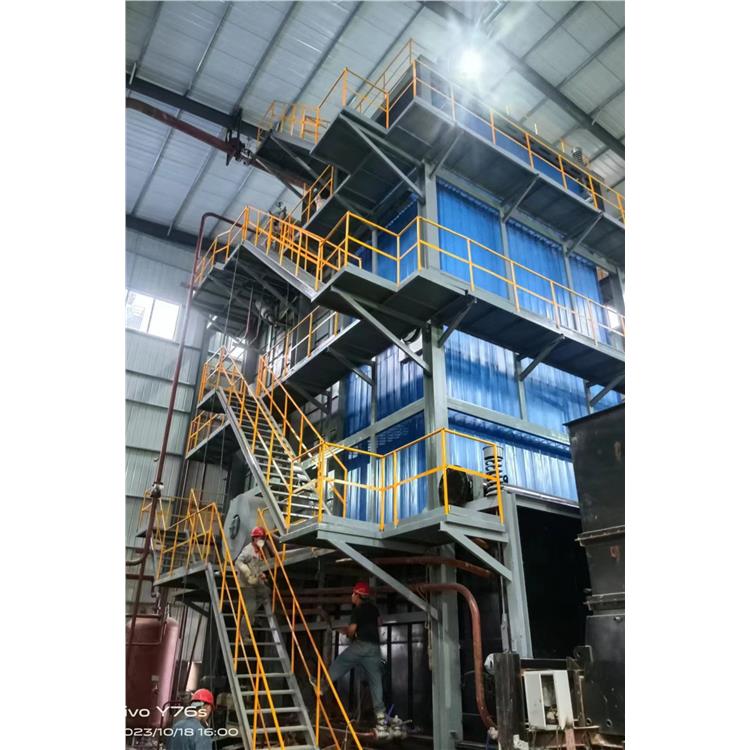

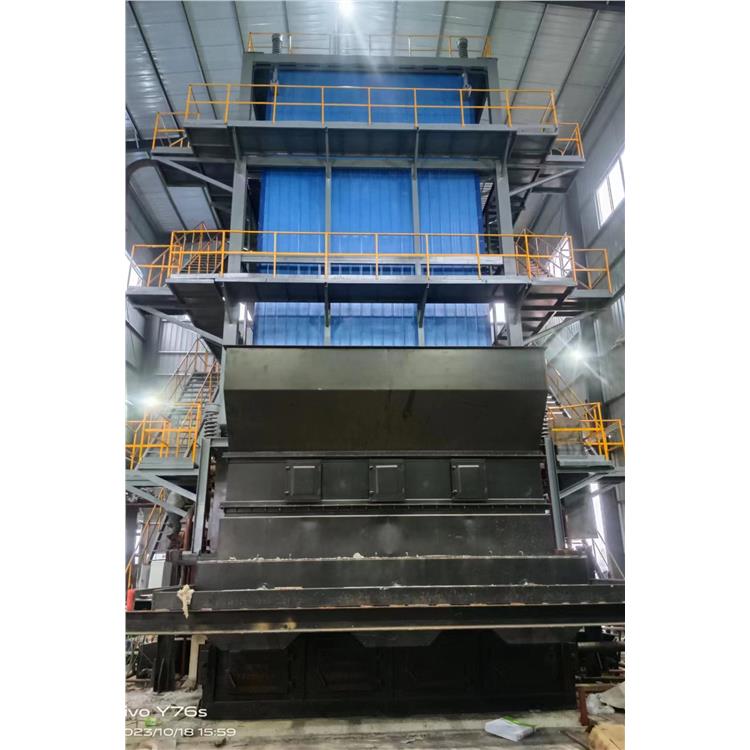
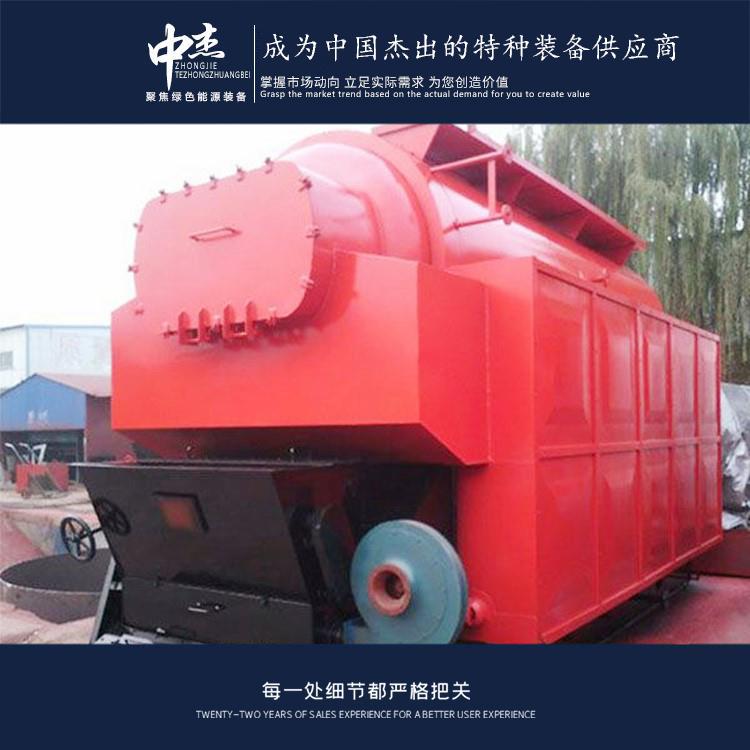


















Shandong Zhongjie Special Equipment (formerly Heze Boiler Factory Co., Ltd.) holds an A-grade boiler manufacturing license, an A2-grade pressure vessel manufacturing license, an A2-grade pressure vessel design license, a B-grade boiler installation license, and GB2/Class, GC2/Class pressure pipeline installation licenses, as well as an equipment and machinery installation contracting qualification. It is a member of the China Boiler and Water Treatment Association, the China Chemical Equipment Association, and the council unit of the Shandong Equipment Manufacturing Association. The company has also passed the ISO9001 Quality Management System, ISO14001 Environmental Management System, OHSAS18001 Occupational Health and Safety Management System certifications, and the American ASME/U2 certification.
Biomass boilers offer several advantages:
Renewable Energy: Fuel for biomass boilers comes from organic matter such as plants, animals, and microorganisms, making it a renewable energy source. Compared to traditional fossil fuels, biomass fuel has lower carbon emissions and a smaller environmental impact, contributing to reduced greenhouse gas emissions and being more environmentally friendly.
Diverse fuel sources: Biomass fuel sources are widely varied, including wood, straw, waste crops, food scraps, and municipal solid waste. This diversity of fuel sources gives biomass boilers flexibility and adaptability, enabling them to utilize waste and by-products from plants and animals.
Environmental Friendliness: The carbon dioxide emitted during the combustion process of biomass boilers can be absorbed by plants, forming a cycle that reduces air pollution. Additionally, the emissions and ash produced by biomass boilers during combustion are relatively low, resulting in less environmental impact.
Energy Security: Biomass, as a native renewable energy source, can reduce dependence on imported energy and enhance energy security. In regions with scarce resources, the use of biomass boilers can provide a reliable energy supply.
Economic Efficiency: Biomass fuel is relatively cost-effective and can reduce energy costs. Furthermore, the technology and equipment for biomass boilers are continuously evolving and maturing, making them more economically competitive.
Waste Utilization: Biomass boilers can utilize agricultural by-products such as crop straw, wood waste, etc., effectively utilizing waste resources and reducing resource waste.
In summary, biomass boilers offer advantages such as renewable energy, diverse fuel sources, environmental friendliness, energy security, economic efficiency, and waste utilization, making them a sustainable energy option.
Blowing ash refers to the process of removing dust and scale from the flue, furnace, and heat exchange surfaces of a boiler during its operation, through methods such as injecting high-pressure steam or compressed air. The function of blowing ash and its impact on the operation of biomass boilers are as follows:
Function:
Dust and soot: During biomass combustion, a significant amount of dust and soot is produced, which can adhere to the flue, furnace, and heat exchange surfaces of the boiler, affecting the efficiency of heat transfer. Blowing dust can remove these accumulations, maintaining the boiler's cleanliness.
Increase heat transfer efficiency: Ash and dirt on the flue, furnace, and heat exchange surfaces create thermal resistance, hindering the transfer of heat. Blowing off the soot can reduce this thermal resistance, enhancing heat transfer efficiency, and minimizing energy waste.
Prevent Coking and Corrosion: Ash and dirt buildup on boiler flues and furnaces can lead to excessively high local temperatures, causing coking and corrosion issues. Blowing dust can reduce local temperatures and prevent the occurrence of coking and corrosion.
Impact:
Boiler Heat Efficiency: The blowing ash process can remove accumulated ash and dirt from the boiler flue, furnace, and heat exchange surfaces, enhancing the heat transfer efficiency and thereby improving the boiler's overall heat efficiency.
Boiler Safety: Blowing ash prevents scaling and corrosion in the boiler flue and furnace, reducing safety hazards and ensuring the safe operation of the boiler.
Boiler Stability: Blowing ash helps maintain the boiler's cleanliness, reducing the impact of accumulated dust and dirt on the boiler's operation, and enhancing its efficiency.
Several factors should be considered when selecting a suitable biomass boiler:
Fuel Type: First, determine the available biomass fuel types, such as sawdust, straw, etc. Different biomass fuels have varying characteristics, including moisture content, ash content, and calorific value, and it is necessary to select a boiler suitable for the fuel type.
Boiler Capacity: Determine the required steam or hot water output based on actual needs and select an appropriate boiler capacity. Over-sizing leads to energy waste, while undersizing fails to meet demand.
Combustion Efficiency: Focus on the boiler's combustion efficiency, which is the ratio of fuel converted to heat energy. High combustion efficiency enhances energy utilization and reduces operating costs.
Equipment Quality and Reliability: Choose biomass boilers and suppliers with excellent quality and reliability to ensure long-term stable operation and ease of maintenance.
Environmental Performance: Focus on the environmental performance of the boiler, including emission standards and reduction of pollutant emissions. The chosen biomass boiler is beneficial for environmental protection and compliance with relevant regulations.
Economicity: Choose a cost-effective biomass boiler by considering the purchase, operation, and maintenance costs of the boiler.
Adaptability and flexibility: Select biomass boilers with high adaptability and flexibility based on actual needs and application scenarios, ensuring they can accommodate various fuel types and operational requirements.
When selecting biomass boilers, consult with boiler suppliers or engineers to conduct technical assessments and economic analyses based on specific circumstances, and choose the appropriate type and specification of biomass boiler.
slagging in biomass boiler furnace is caused by the ash and other impurities in biomass fuel forming slag during the combustion process and settling in the furnace. The following are some operating factors that affect slagging in biomass boiler furnace:
Fuel Characteristics: Different types of biomass fuel have varying ash content, ashing temperature, and ashing properties. Fuel with high ash content tends to produce a large amount of ash residue, while fuel with a lower ashing temperature is prone to slagging inside the furnace.
Combustion Temperature: Combustion temperature is a significant factor affecting slagging in biomass boiler furnace. Excessively low combustion temperatures can lead to incomplete fuel combustion and insufficient melting of ash, increasing the likelihood of slag formation.
Air Supply: Excessive air supply can lower the combustion temperature, increase the fuel's residence time in the furnace, and raise the risk of slagging. At the same time, insufficient air supply can also lead to incomplete fuel combustion, increasing the generation of ash and slag.
Furnace Chamber Design: The design of the furnace chamber significantly influences the airflow distribution and temperature distribution within it. A well-designed furnace chamber promotes complete combustion of fuel and the discharge of ash, reducing the likelihood of slagging.
Ash Cleaning System: The performance and operation of the ash cleaning system also affect the slagging condition in the furnace. Regularly cleaning the ash and slag inside the furnace, maintaining good ventilation in the furnace.
ZJ Special Equipment adheres to the grand vision of "realizing employee dreams, creating customer value, and striving for the prosperity and strength of our motherland," and is dedicated to the development of the green energy equipment industry. We offer society high-quality and cost-effective products and services!
WeChat Official Account

Scan to follow Official Account



















