


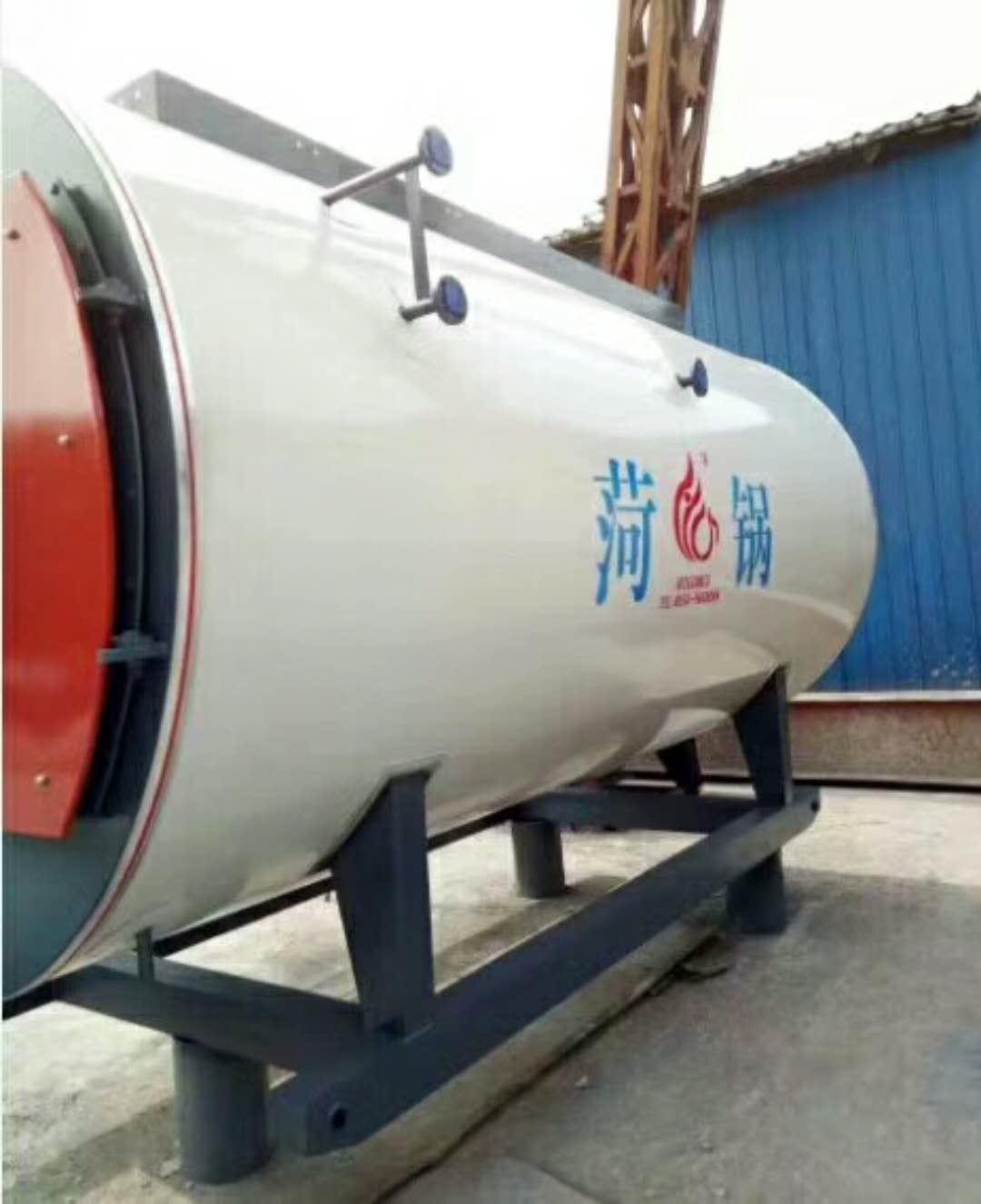

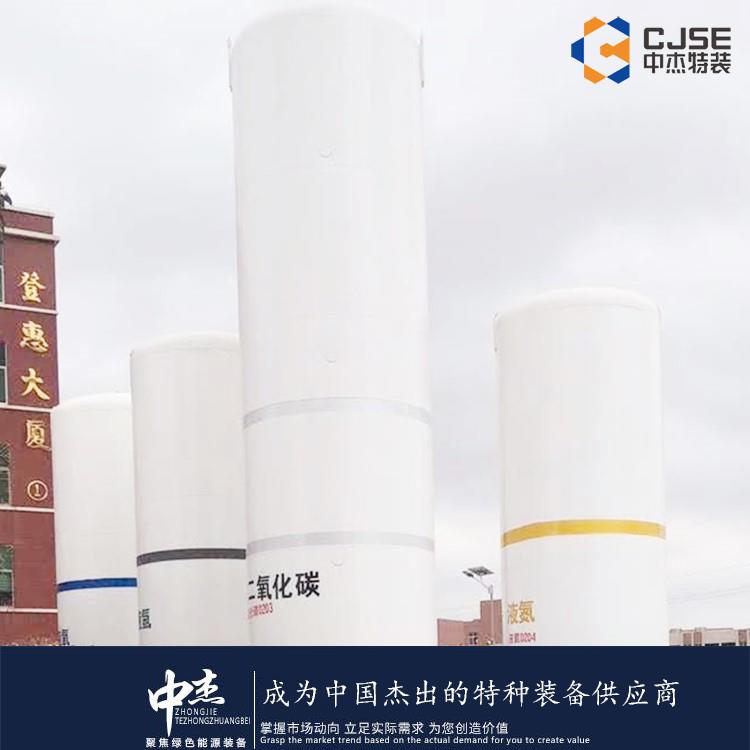
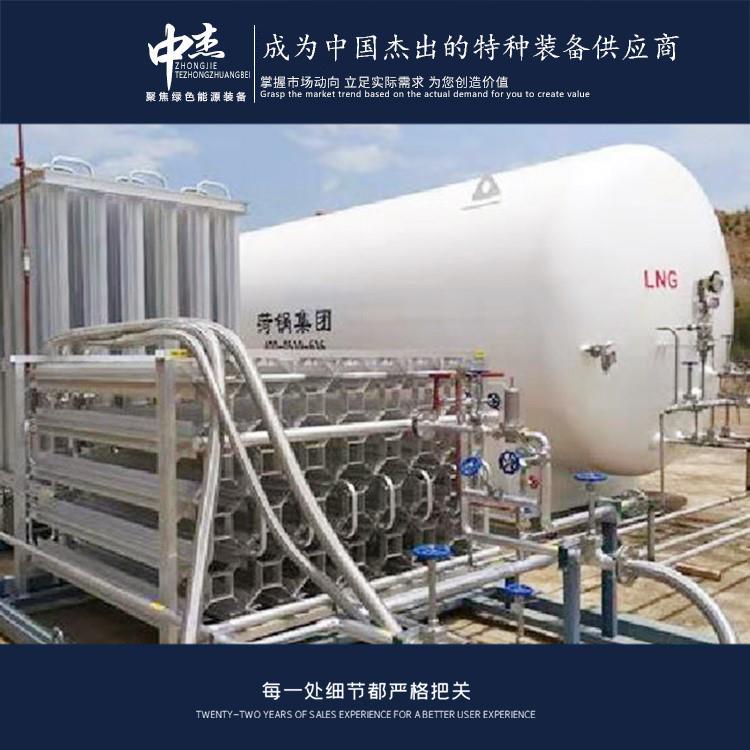


















Shandong Zhongjie Special Equipment (formerly Heze Boiler Factory Co., Ltd.) was established in 2001, located at No. 2218 Jinnan Road, Economic and Technological Development Zone, Heze City, with a registered capital of 50 million yuan and total assets of 500 million yuan. The company has 7 business centers: boilers, deep-freezing containers, pressure vessels, central air conditioning, engineering installation, international trade, and the Internet of Things. It operates three factory sites on Jinnan Road, East Changjiang Road, and Bohai Road, covering a total area of 200,000 square meters, with the main workshop spanning 83,000 square meters. It currently employs 710 people, including 247 engineers and technicians and 82 intermediate-level technical personnel. In December 2016, it was recognized as a "High-tech Enterprise" by the Science and Technology Department. In June 2021, it was identified as a "Specialized, Fine, and New Enterprise of Shandong Province" by the Department of Industry and Information Technology. In June 2022, it was named a "Gazelle Enterprise of Shandong Province" and in August 2022, it was recognized as a "Specialized, Fine, and New Small Giant Enterprise" by the Ministry of Industry and Information Technology.
Protection tips for liquid nitrogen tanks include the following:
Wear protective gear: When operating liquid nitrogen tanks, appropriate protective equipment must be worn, including protective gloves, suits, and non-slip shoes. This gear safeguards the skin from the low temperatures of liquid nitrogen and other hazards.
Avoid direct contact: Liquid nitrogen is extremely cold and can cause frostbite. Therefore, it is essential to avoid direct contact with liquid nitrogen, especially with the skin. Use tools or utensils for handling and prevent direct hand contact with liquid nitrogen.
Note Ventilation: Ensure adequate ventilation in the operational area of the liquid nitrogen tank to expel gases produced by evaporation. Maintain air circulation to avoid high oxygen concentrations and reduce the risk of fire and explosion.
Prevent Leaks: Regularly inspect liquid nitrogen tanks for leaks and equip with leak detection and alarm systems. In case of a leak, take immediate action to control the leak and perform repairs. Avoid harm to personnel and the environment from the leakage of liquid nitrogen.
Fire Prevention Measures: Liquid nitrogen has a low boiling and freezing point, which makes it easily flammable. Measures such as setting up fire barriers around liquid nitrogen storage tanks and using fire-retardant coatings are taken to prevent fires from occurring and spreading.
Electrostatic Protection: The accumulation of static electricity in liquid nitrogen tanks may cause sparks, increasing the risk of fire. Measures such as using electrostatic conductive materials and anti-static equipment should be taken to reduce the accumulation and release of static electricity.
Regular inspections and maintenance: Conduct regular checks on the condition of liquid nitrogen tanks and related equipment, including valves, pipes, pressure gauges, etc. Ensure that the equipment is in perfect condition without any damage, and promptly repair or replace any damaged parts.
Waste Gas Treatment: Liquid nitrogen tanks produce waste gas during operation, proper waste gas treatment must be implemented.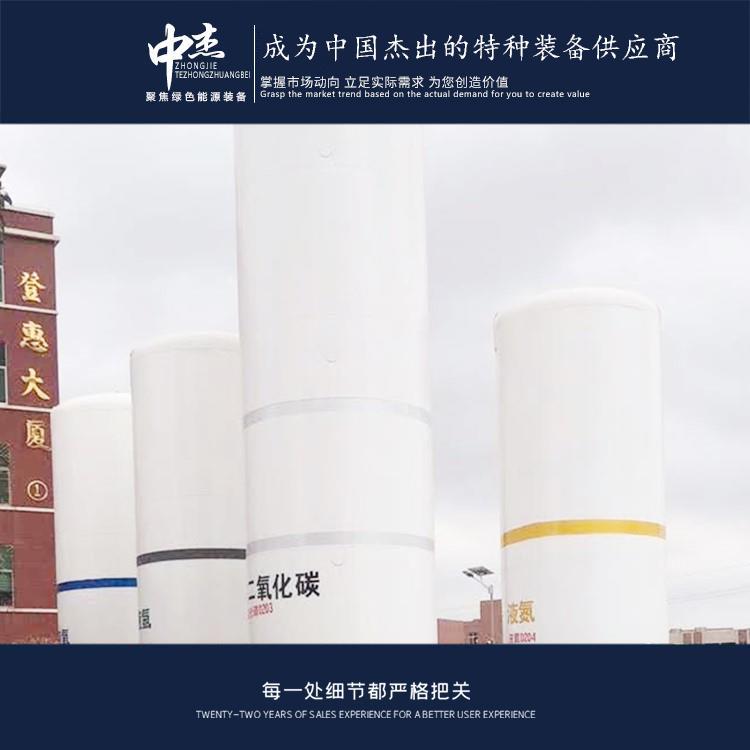
The cooling process and precautions for liquid argon cylinders are as follows:
Cooling Process Analysis:
Ensure Tank Cleanliness: Prior to cooling the liquid argon tank, it's crucial to ensure the interior is clean, free of impurities and contaminants. Use an appropriate cleaner for washing and rinse thoroughly.
De-airing and exhaust: To remove gas from the tank and expel it through the exhaust system to reduce the gas content within the tank.
Add Liquid Nitrogen: Inject liquid nitrogen into the tank, which can rapidly cool the air and walls inside the tank due to its low temperature, thereby reducing the tank's temperature.
Cooling Off: Liquid nitrogen gradually lowers the temperature inside the container through the process of heat conduction, until it reaches the required low temperature.
Cautionary Notes:
Safety Protection: Necessary safety precautions must be taken during the cooling process of liquid argon cylinders. Liquid argon has low temperatures and high flammability, so operators should wear protective suits, gloves, and other personal protective equipment to ensure safe operation.
Fire Prevention Measures: Liquid argon is highly flammable; thus, during the cooling process of the liquid argon tank, it is essential to ensure there are no ignition sources in the surrounding environment and appropriate fire extinguishing equipment is provided.
Temperature Control: During the cooling process of the liquid argon cylinder, it is necessary to control the cylinder's temperature to prevent overcooling or insufficient cooling. Temperature sensors and a temperature control system can be used to monitor and regulate the cylinder's temperature.
Insulation and Heat Retention: Liquid argon cylinders are typically designed with double or multi-layer structures, filled with insulating material in the middle to minimize heat transfer and evaporation of the liquid argon. Ensure the integrity and excellent insulating properties of the insulation layer.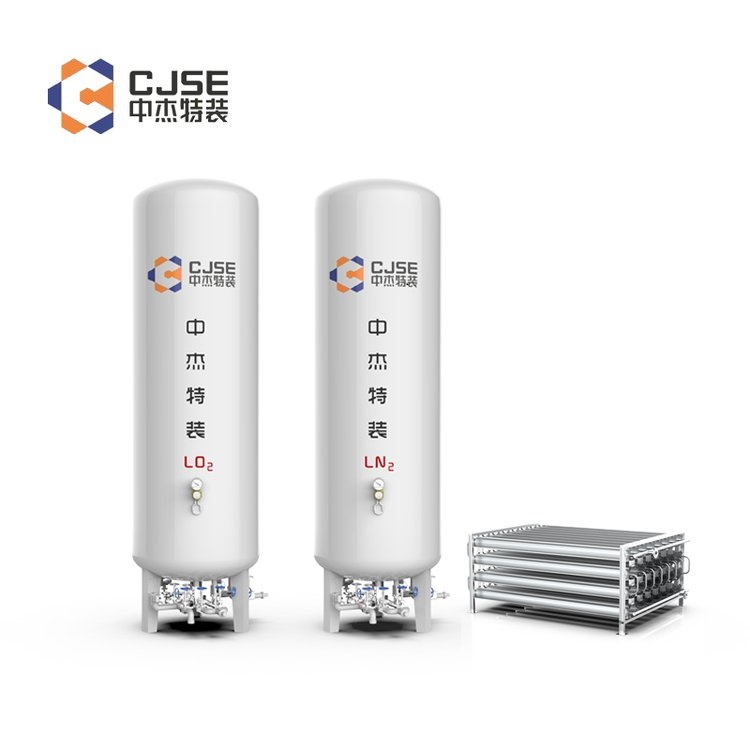
The use of liquid oxygen storage tanks requires particular attention to the following safety precautions:
Training: Personnel operating liquid oxygen tanks must receive training on the properties of liquid oxygen, safe operating procedures, and emergency response measures. Only trained personnel are authorized to operate liquid oxygen tanks.
Safety Operating Procedures: Establish and adhere to safe operating procedures for liquid oxygen tanks, including proper operational procedures, protective measures, and emergency response plans. Ensure operators follow the procedures to minimize accident risks.
Protection Measures: When using liquid oxygen tanks, it is essential to take necessary protective measures, such as wearing protective gloves and suits. Avoid direct contact with liquid oxygen to prevent frostbite.
Leak Control: Regularly inspect the liquid oxygen storage tank for leaks and equip with leak detectors and alarm systems. In case of a leak, immediate measures should be taken to control the leak and carry out repairs.
Fire Prevention Measures: Liquid oxygen contains a high concentration of oxygen, which is prone to causing fires. Measures such as setting up fire barriers around liquid oxygen storage tanks and using fire-retardant coatings are taken to prevent fires from occurring and spreading.
Static Protection: The accumulation of static electricity in liquid oxygen storage tanks may cause sparks, increasing the risk of fire. Measures such as using conductive materials and static dissipative equipment are taken to reduce the buildup and release of static electricity.
Ventilation Requirements: Ensure adequate ventilation within the enclosed space of the liquid oxygen storage tank to expel vapors produced by the evaporation of liquid oxygen.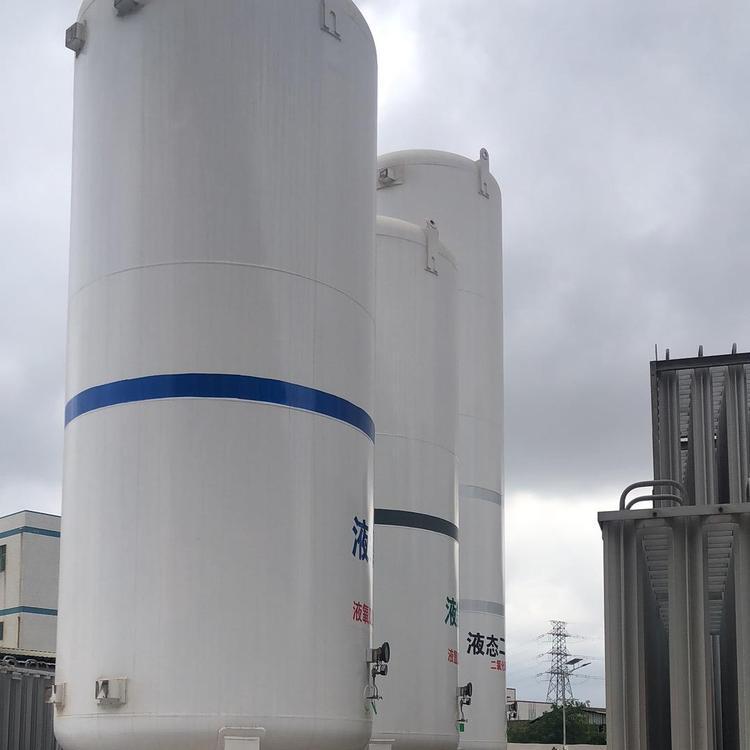
Possible causes of leakage in liquid argon storage tanks include:
Design or Manufacturing Defects: Defects in the design or manufacturing process, such as poor welding, inappropriate material selection, or inadequate sealing, lead to leakage issues in the tank.
Corrosion and Oxidation: Long-term exposure of liquid argon tanks to low temperatures can lead to corrosion and oxidation. These can damage the tank's surface protective layer, resulting in leakage issues.
Fatigue and stress cracking: During long-term use, tanks may experience fatigue and stress cracking due to temperature and pressure variations. These cracks can lead to a decrease in the tank's sealing performance, causing leaks.
Improper Operation: Failure to follow proper procedures during the storage tank operation, such as overfilling with liquid argon or applying excessive pressure, can result in tank damage and leakage.
External Damage: The tank may sustain damage from external factors, such as mechanical impact or objects
ZJ Special Equipment adheres to the grand vision of "realizing employees' dreams, creating customer value, and striving for the prosperity and strength of our motherland," and is dedicated to the development of the green energy equipment industry. We commit to society with high-quality and cost-effective products and services!
WeChat Official Account

Scan to follow Official Account



















