


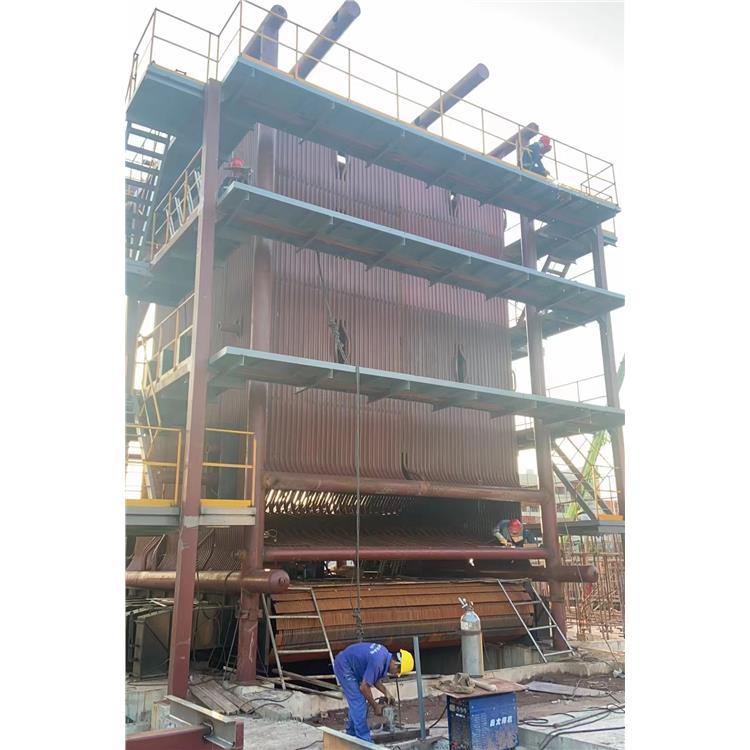

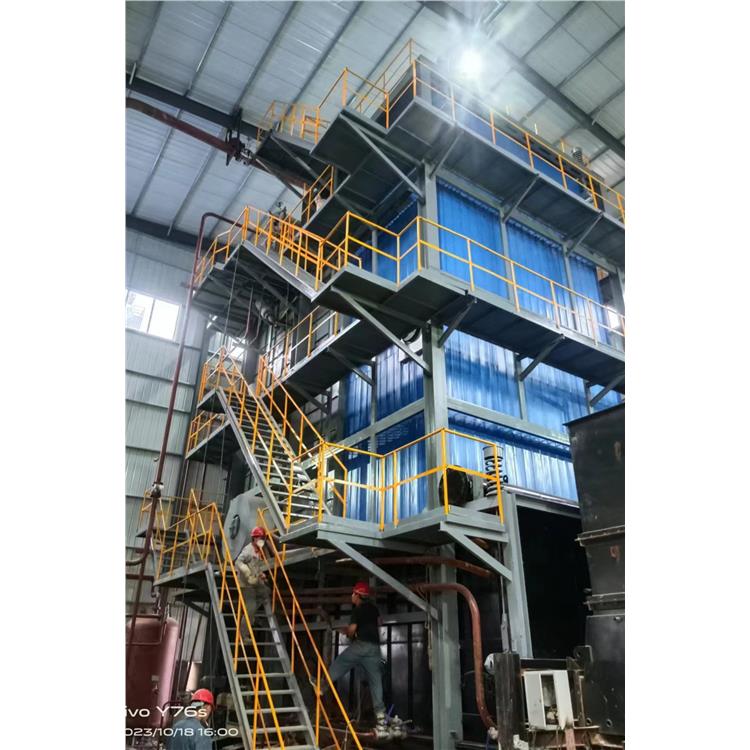
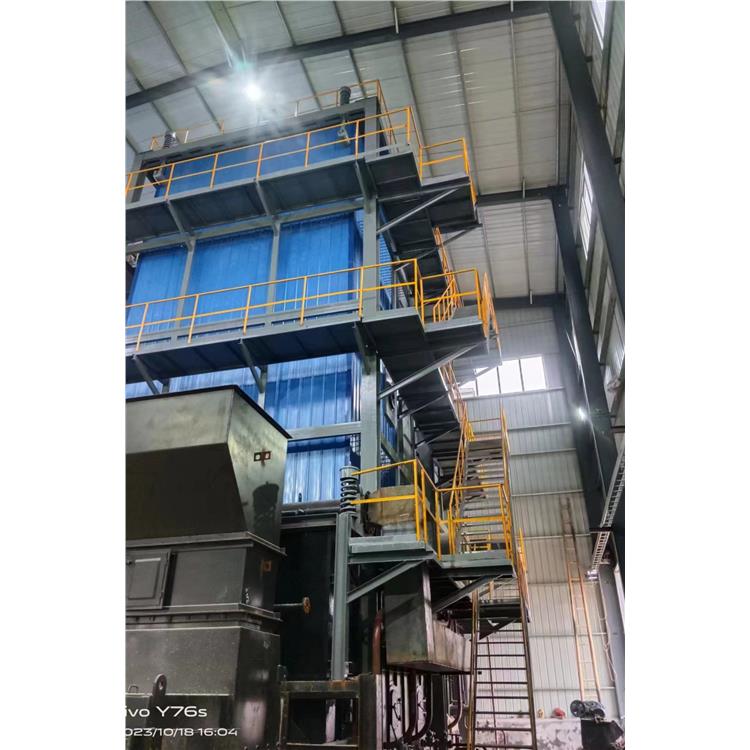


















Shandong Zhongjie Special Equipment's main products include: fuel (gas) boilers, organic heat carrier boilers, biomass boilers, waste heat boilers, and other boiler products; vacuum insulation cryogenic pressure vessels such as LNG storage tanks, oxygen/nitrogen/argon storage tanks, and CO2 storage tanks; pressure vessel products such as denitrification engineering equipment, heat storage and energy storage equipment, and complete chemical equipment sets; central air conditioning and HVAC equipment such as ground (water) source heat pumps, air source units, water-cooled screw units, and air-cooled modular units. Planned products include large-scale energy centers, LNG transport vehicles, LNG tank containers, and other green energy equipment.
Biomass boiler drying kiln refers to the process of using a biomass boiler for kiln heating. Here are the brief steps:
Prepare Fuel: Select appropriate biomass fuel such as wood chips, straw, etc., and conduct pretreatment like drying and sieving to ensure the quality of the fuel and its suitability for the furnace.
Ignition and ignition adjustment: Place the fuel into the combustion chamber of the biomass boiler, ignite, and adjust the ignition. Ignition adjustment includes adjusting the oxygen supply, fuel supply, and combustion temperature parameters of the combustion chamber to ensure stable combustion.
Heating and Temperature Control: As the fuel burns, biomass boilers produce high-temperature flue gas, which transfers its heat energy to the drying oven through a heat exchanger. During the heating process, it is necessary to control the temperature of the drying oven to ensure that the material inside receives adequate heating.
Furnace Operation and Monitoring: During the furnace heating process, it is necessary to operate and monitor the furnace. Operations include controlling fuel supply, heat transfer, and movement of materials inside the furnace. Monitoring involves tracking parameters such as furnace temperature, pressure, and combustion efficiency to ensure normal operation and safety.
Furnace shutdown and cleaning: Upon completion of heating or achieving the desired furnace effect, cease fuel supply and heating to perform the furnace shutdown procedure. Post-operation, cleaning of the furnace and biomass boiler, as well as the ash and dirt in the combustion chamber and flue, is required to maintain the equipment's cleanliness and smooth operation.
To prevent the occurrence of re-burning accidents at the tail of biomass boilers, the following operational measures can be taken:
Properly adjust combustion parameters: Ensure the stability and completeness of the combustion process, avoiding fuel accumulation and re-combustion in the tail-end region. Reasonably control combustion temperature, air flow, and duration to maintain a smooth and thorough combustion process.
Enhance combustion chamber mixing and air flow distribution: By optimizing the combustion chamber structure and combustion system design, ensure thorough fuel and air mixing, and prevent fuel accumulation and re-burning at the chamber's rear. Reasonably design the air flow distribution within the chamber to guarantee even fuel combustion.
Regularly clean the furnace chamber and flue: Regularly remove ash and soot buildup from the furnace chamber to maintain its cleanliness. Clean the flue and waste heat recovery equipment to prevent particle accumulation and ash in the flue gas, reducing the risk of re-combustion.
Install Flue Gas Recirculation (FGR) System: Install a FGR system at the boiler tail to reignite the exhaust flue gas, enhancing combustion efficiency, and reducing the likelihood of secondary combustion at the tail.
Enhance operational monitoring and maintenance: Regularly monitor and maintain biomass boilers to promptly identify and address any anomalies. Monitor combustion parameters, flue gas emissions, and temperatures to ensure the boiler operates normally.
Ensure safety training and operational procedures: Conduct safety training for operators, enhancing their understanding of biomass boiler operation and safety.
Yes, the biomass boiler market is expected to continue expanding. Here are some factors driving the growth of the biomass boiler market:
Rising Demand for Renewable Energy: As the demand for renewable energy continues to grow, biomass, as a type of renewable energy, holds broad application prospects. Government and corporate support and promotion of renewable energy will drive the expansion of the biomass boiler market.
Increased environmental awareness: Biomass boilers have lower carbon emissions and environmental impact compared to traditional fossil fuel boilers. With the rising environmental awareness, more and more users are opting for biomass boilers to reduce their environmental footprint.
Policy Support: Many regions have implemented policies and measures to support the development of renewable energy, including tax incentives and energy regulations. The promotion of these policies will drive the growth of the biomass boiler market.
Energy Security Demand: Biomass, as a local renewable energy source, can reduce reliance on imported energy and enhance energy security. In regions with scarce resources, the demand for biomass boilers will be even more pronounced.
Technological advancement and cost reduction: With continuous technological progress and cost reductions, biomass boilers have seen improvements in performance and efficiency, making them more competitive and viable.
In summary, the biomass boiler market is expected to expand continuously, driven by factors such as the increasing demand for renewable energy, enhanced environmental awareness, policy support, energy security needs, as well as technological advancements and cost reductions.
Biomass boilers offer the following environmental benefits:
Renewable Energy: The fuel used in biomass boilers is renewable, such as wood chips, straw, waste materials, etc. Compared to fossil fuels, the use of biomass fuel can reduce reliance on limited resources and lower energy consumption.
Low carbon emissions: The amount of carbon dioxide released during the combustion of biomass fuel is roughly equivalent to the amount absorbed during its growth, forming a closed carbon cycle. Compared to the combustion of fossil fuels, biomass boilers have lower carbon emissions, contributing significantly to the reduction of greenhouse gas emissions.
Reducing Pollutant Emissions: The combustion of biomass fuel produces relatively fewer pollutants. Compared to coal combustion, biomass boilers emit lower amounts of nitrogen oxides, sulfur oxides, and particulate matter, resulting in less pollution to the atmosphere.
Waste Utilization: Biomass boilers can use waste materials as fuel, such as crop straw and wood waste. If these wastes are not utilized, they may affect the environment. By utilizing biomass boilers, we can achieve the resourceful use of waste, reducing the issues of waste storage and disposal.
Heat Recovery Utilization: Biomass boiler flue gas contains a large amount of heat energy, which can be recovered and utilized through flue gas waste heat recovery equipment. Using the excess heat in the flue gas for heating, hot water, etc., improves energy utilization efficiency and reduces energy waste.
Sustainable Development: High sustainability of biomass fuel
Shandong Zhongjie Special Equipment, welcome customers to visit our factory for business discussions.
WeChat Official Account

Scan to follow Official Account



















