


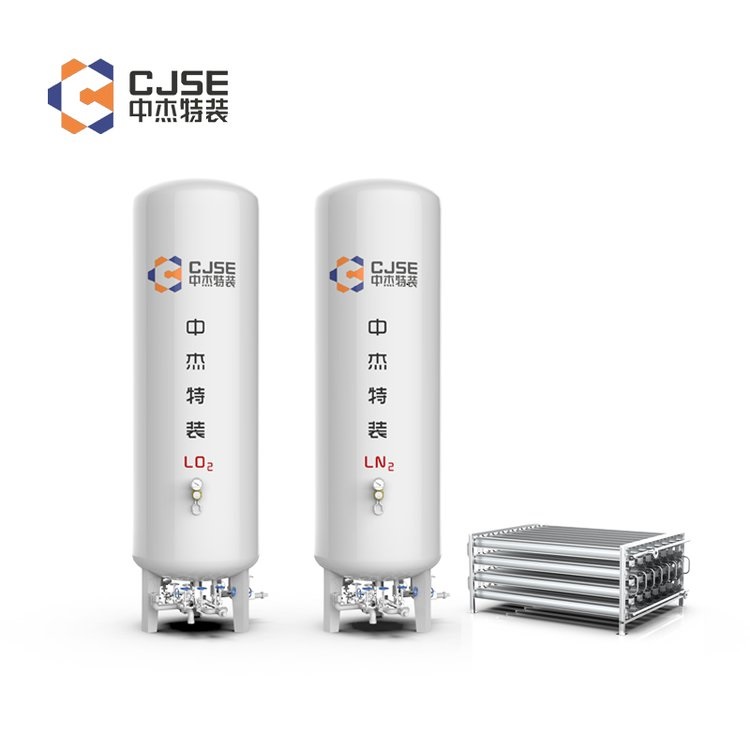

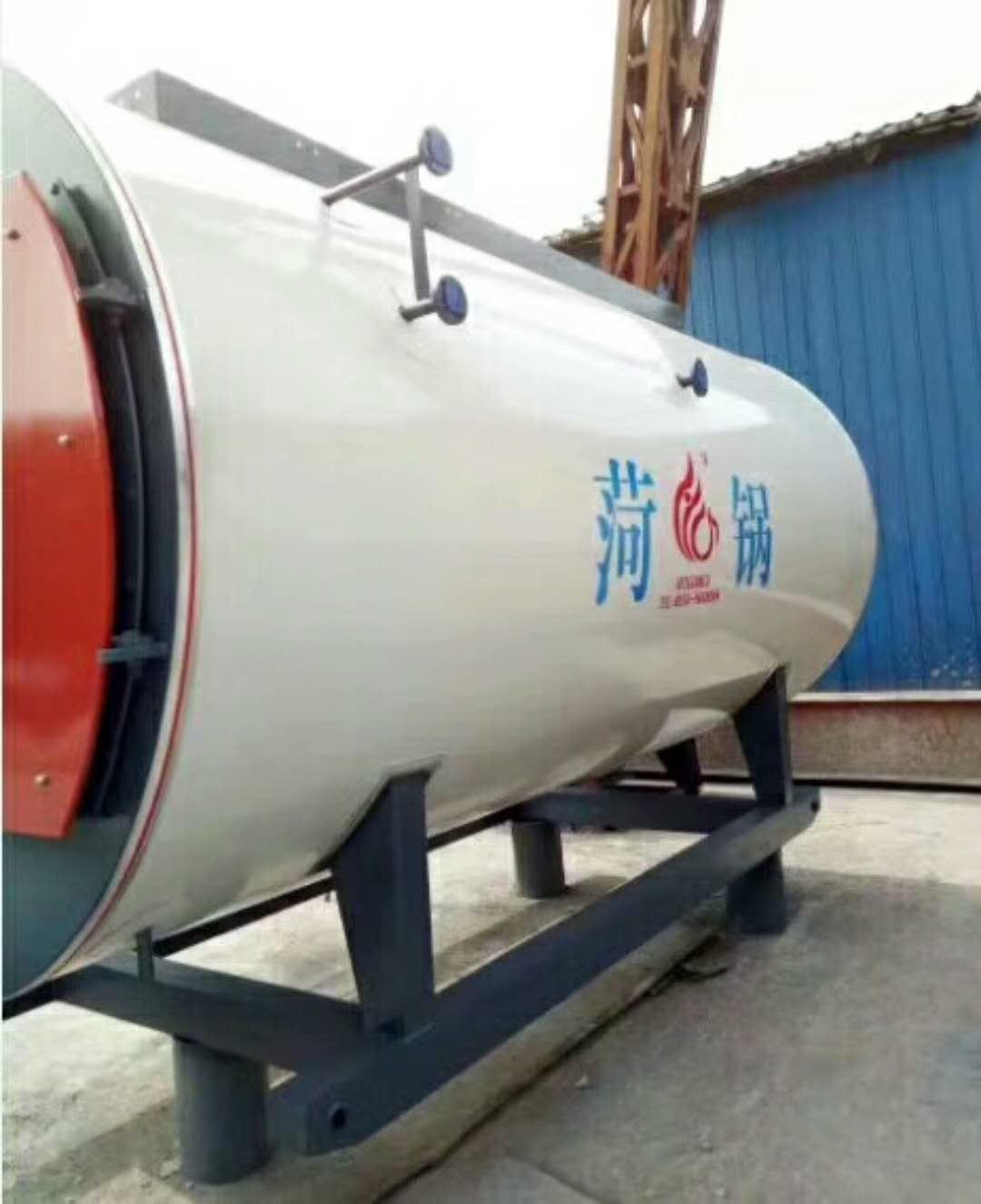
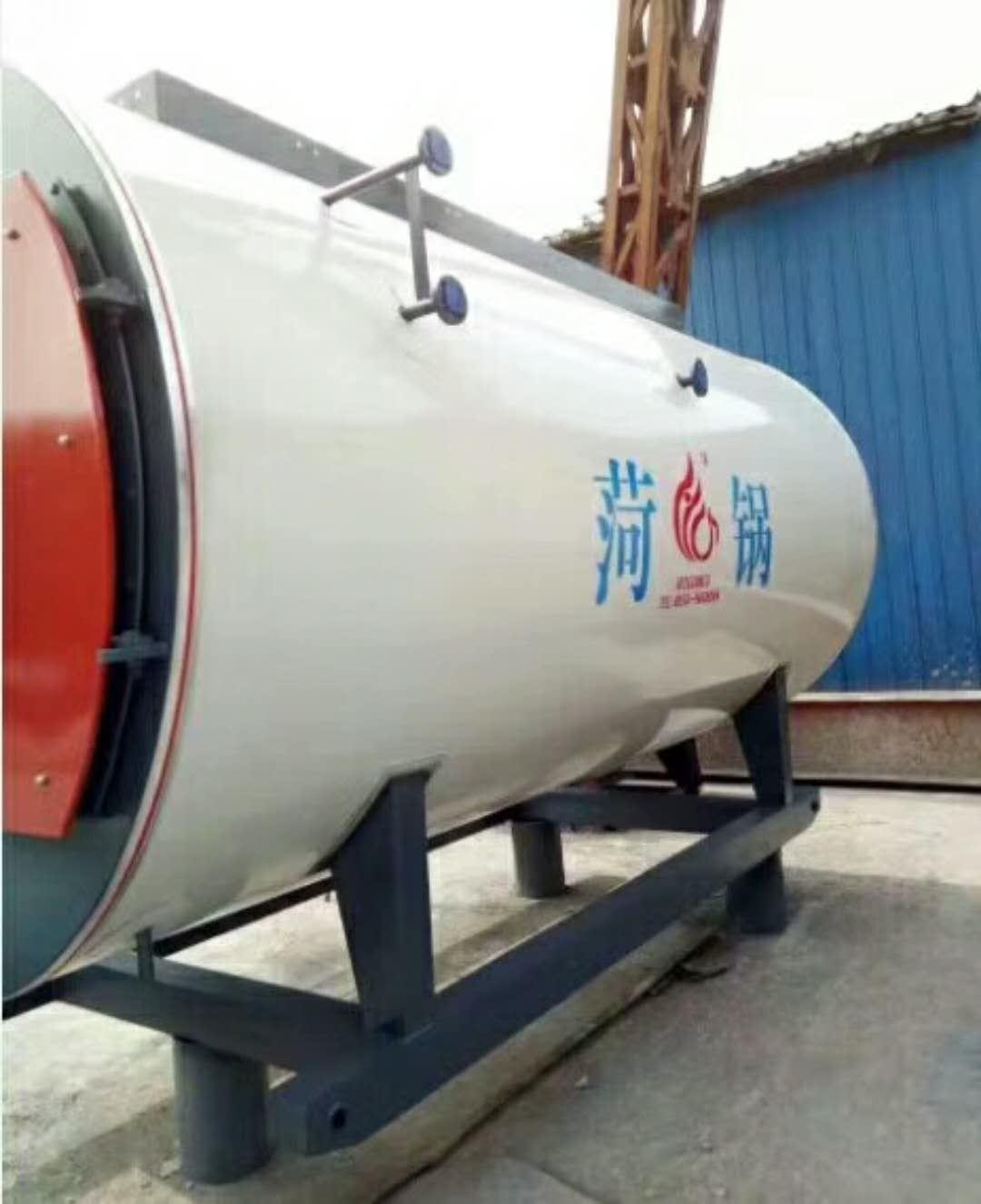


















Shandong Zhongjie Special Equipment (formerly Heze Boiler Factory Co., Ltd.) was established in 2001, located at No. 2218 Jinnan Road, Development Zone, Heze City. With a registered capital of 50 million yuan and total assets of 500 million yuan, the company has 7 business centers: boilers, deep-freezing containers, pressure vessels, central air conditioning, engineering installation, international trade, and the Internet of Things. It has three factory sites on Jinnan Road, East Changjiang Road, and Bohai Road, covering a total of 200,000 square meters. The main workshop spans 83,000 square meters. The company currently employs 710 people, including 247 engineers and technicians, and 82 middle-level technical personnel. In December 2016, it was recognized as a "High-tech Enterprise" by the Science and Technology Department. In June 2021, it was identified as a "Specialized and New Enterprise in Shandong Province" by the Ministry of Industry and Information Technology. In June 2022, it was recognized as a "Gazelle Enterprise in Shandong Province" and in August 2022, as a "Specialized and New Small Giant Enterprise" by the Ministry of Industry and Information Technology.
The working principle of a carbon dioxide storage tank involves the compression and liquefaction of carbon dioxide. Below is a brief description of how a carbon dioxide storage tank operates:
Compression: Carbon dioxide gas is first compressed to a higher pressure by a compressor. This process compresses the gas to a high-pressure state, allowing it to be converted into a liquid.
Cooling: The compressed carbon dioxide gas then enters a cooler, where it is rapidly cooled by the coolant or cooling system within the cooler. This process cools the gas to temperatures below its boiling point, converting it into a liquid.
Storage: The cooled carbon dioxide liquid is stored in a sealed tank, typically with an insulating layer to reduce the evaporation of liquid carbon dioxide and maintain a low temperature. The pressure inside the tank is maintained within a certain range to ensure stable storage of the liquid carbon dioxide.
Supply: When carbon dioxide is needed, it can be extracted from the tank through valves and piping systems. By controlling the opening and flow of the valves, liquid carbon dioxide can be supplied to the required equipment or system.
It should be noted that the working principle of carbon dioxide storage tanks may vary depending on the specific design and manufacturing. When using a carbon dioxide storage tank, it is essential to follow the operating manual and safety guidelines, and to cooperate with local regulatory agencies and personnel to ensure the safety and reliability of the tank.
Prior to using the CO2 storage tank, the following preparations must be made:
- Inspect the tank: Check for any visible damage, corrosion, or oil leakage on the tank's exterior. Ensure the structural integrity and safety of the tank.
- Check valves and piping: Verify that the tank's inlet and outlet valves and pipe connections are functioning normally with no leaks or loose fittings. Ensure the valves operate smoothly and reliably.
- Inspect safety accessories: Check that safety accessories such as relief valves, pressure sensors, and temperature sensors are working properly. Confirm that their set parameters meet requirements.
- Examine the level measurement system: Assess the accuracy and reliability of the level measurement system. Calibrate the level sensors to ensure accurate level readings.
- Inspect pressure relief devices: Check that the tank's pressure relief devices (e.g., relief valves) are operating correctly. Verify that the set pressure of the relief devices meets specifications.
- Check gas quality: Ensure the CO2 gas in the tank meets quality requirements, with no impurities or contaminants.
- Inspect fire protection equipment: Ensure that fire protection equipment around the tank is in good condition and that extinguishers, sprinkler systems, etc., are functioning properly.
- Train operators: Operators should receive training on the characteristics, operation requirements, and safety measures of the CO2 storage tank. Training should include safe operation, leak handling, and emergency procedures.
- These preparatory steps ensure the CO2 storage tank is in good condition before use and guarantees the safety and reliability of operation. When conducting preparations, follow relevant safety operating procedures and have personnel handle the operations.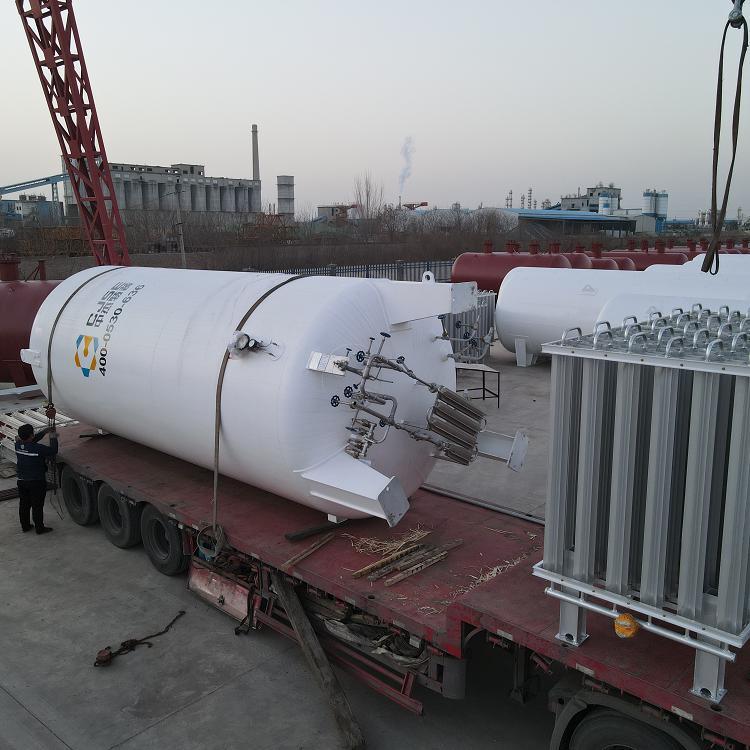
Key measures to ensure the quality of CO2 storage tanks include the following aspects:
1. Selecting qualified suppliers: Choose suppliers with a good reputation and experience, ensuring that the tanks they provide meet relevant quality standards and regulations. This can be achieved by evaluating the supplier's qualifications, referencing customer reviews, and conducting on-site inspections to select the appropriate supplier.
2. Strict quality control: Implement strict quality control measures during the manufacturing process of the tanks. This includes selecting and inspecting raw materials, controlling production processes, monitoring process parameters, product testing and verification, to ensure the tanks meet quality requirements.
3. Compliance with standards and regulations: The design, manufacturing, and installation of the tanks should comply with relevant standards and regulations, such as industry standards and specifications. These standards and regulations cover aspects like structural design, material selection, welding processes, corrosion prevention measures, and the configuration of safety valves and pressure sensors.
4. Regular inspections and maintenance: Tanks should undergo regular inspections and maintenance during use to ensure safety and reliability. This involves checking the tank's appearance, sealing, valves, and pipeline connections, conducting regular pressure tests and leak detection, and promptly addressing any anomalies.
5. Establishing a quality management system: Set up a comprehensive quality management system, including quality control procedures, document records, quality training, and internal audits. By establishing a quality management system, tank quality control and continuous improvement can be ensured.
6. Third-party testing and certification: Delegate tank testing and certification to third-party agencies to verify their quality and compliance. Third-party testing and certification bodies are typically independent and objective, providing impartial assessment and certification results.
7. Through the implementation of these measures, the quality of CO2 storage tanks can be effectively ensured, enhancing their safety and reliability.
Carbon dioxide storage tanks offer several advantages:
- High storage density: These tanks can compress carbon dioxide gas into a liquid state, significantly increasing storage density. Compared to storing it in a gaseous state, liquid carbon dioxide can be stored in smaller tanks, saving space and costs.
- Multiple application fields: Carbon dioxide storage tanks are widely used in various industries, including food and beverage, industrial, fire suppression, and gas supply. Carbon dioxide serves as a preservative, beverage effervescent agent, gas, and fire extinguisher, with broad applications and market demand.
- Environmental friendly and renewable: Carbon dioxide is an eco-friendly gas, and its increased concentration in the atmosphere can lead to warming and climate change. By storing and utilizing carbon dioxide, we can reduce its emissions into the atmosphere, achieving environmental protection and sustainable development.
- Safe and reliable: During design and manufacturing, carbon dioxide storage tanks typically use high-strength materials (such as carbon steel or stainless steel) with excellent pressure resistance and safety. The tanks are usually equipped with safety valves, pressure gauges, level indicators, and other accessories to ensure safe operation. Moreover, carbon dioxide is a non-flammable and non-explosive gas, making it relatively safe.
- Supply: These tanks provide a stable supply of carbon dioxide. Through tank design and control systems, precise measurement and supply of carbon dioxide can be achieved, meeting the needs of various industries and applications.
These advantages make carbon dioxide storage tanks a crucial storage and supply equipment, widely used across multiple industries. However, it is essential to follow relevant safety operation procedures and standards when using carbon dioxide storage tanks to ensure safe operation and usage.
Zhongjie Special Equipment upholds the grand vision of "realizing employees' dreams, creating value for customers, and striving for the prosperity and strength of our motherland," and is dedicated to the development of the green energy equipment industry. We offer society products and services with high cost-performance!
WeChat Official Account

Scan to follow Official Account



















