


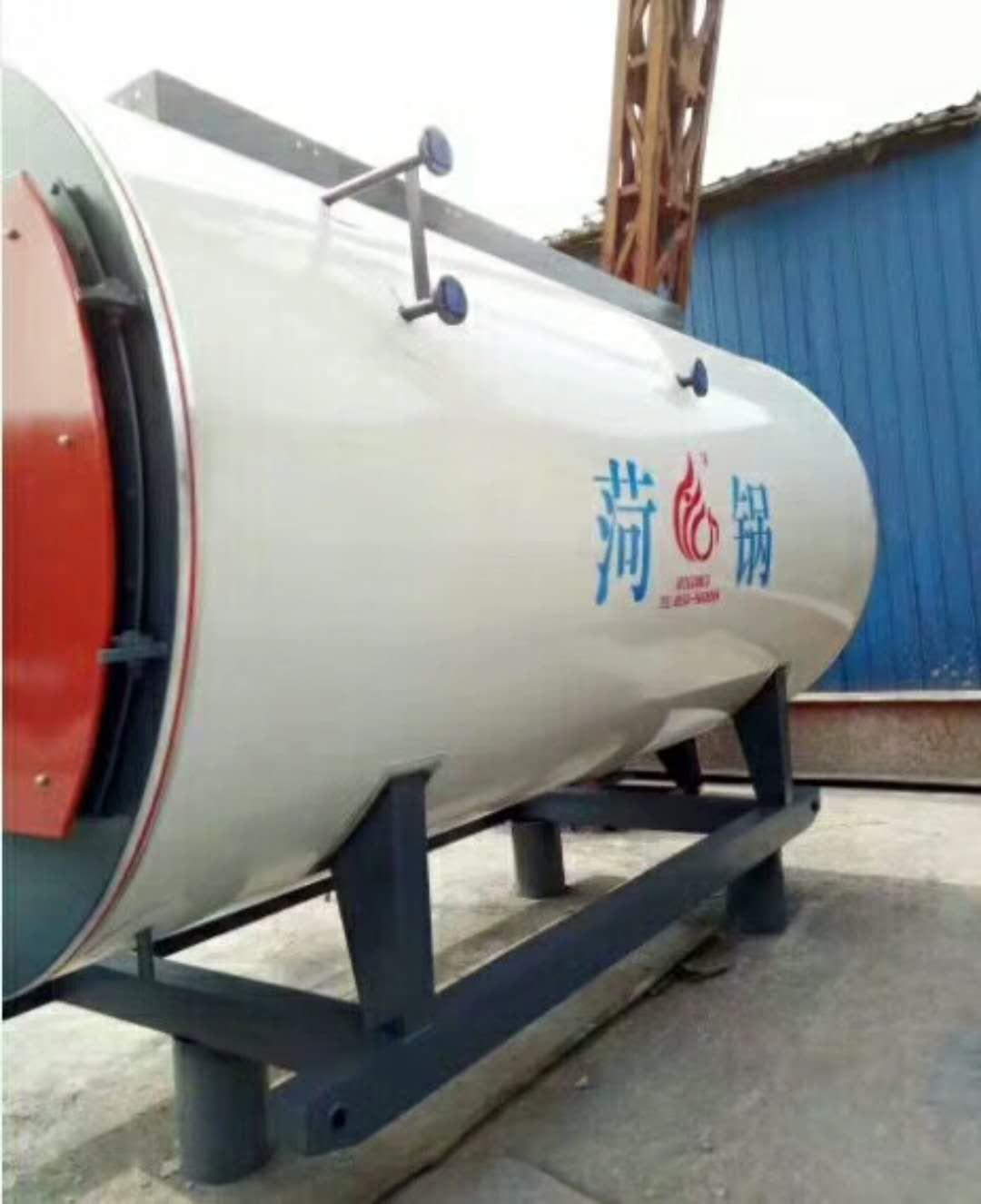

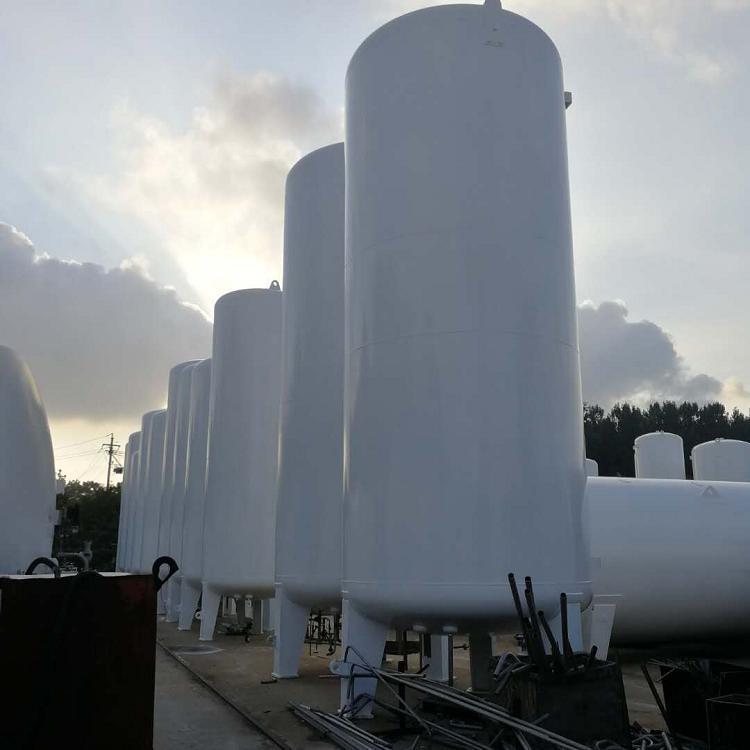
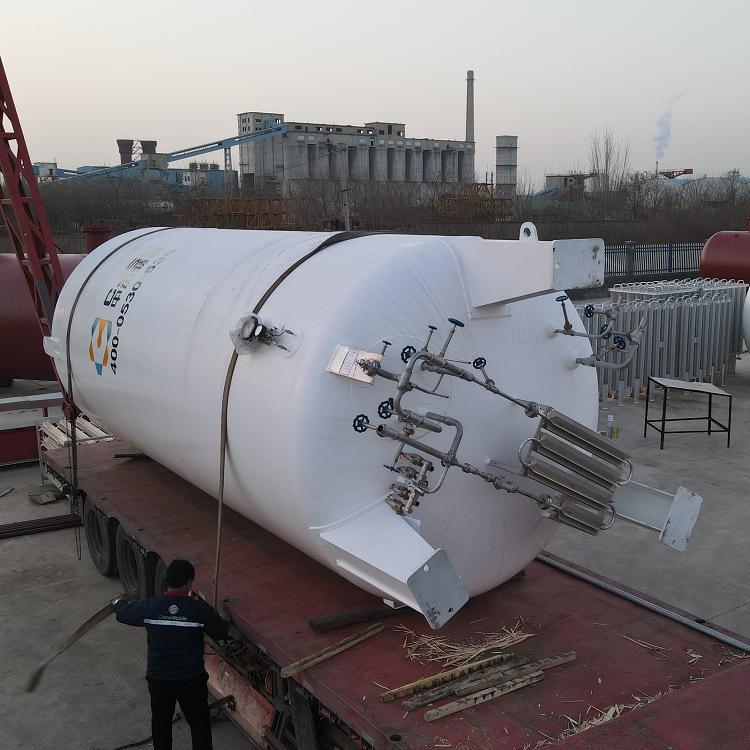


















Shandong Zhongjie Special Equipment (formerly Heze Boiler Factory Co., Ltd.) was established in 2001, located at No. 2218 Jinnan Road, Economic and Technological Development Zone, Heze City, with a registered capital of 50 million yuan and total assets of 500 million yuan. The company has 7 business centers: boilers, deep-freeze containers, pressure vessels, central air conditioning, engineering installation, international trade, and Internet of Things. It has three factory sites on Jinnan Road, East Yangtze Road, and Bohai Road, covering a total area of 200,000 square meters, with the main workshop spanning 83,000 square meters. Currently, it employs 710 staff, including 247 engineers and technicians and 82 intermediate-level technicians. In December 2016, it was recognized as a "High-tech Enterprise" by the Science and Technology Department. In June 2021, it was identified as a "Specialized and New Enterprise in Shandong Province" by the Ministry of Industry and Information Technology. In June 2022, it was recognized as a "Gazelle Enterprise in Shandong Province." In August 2022, it was identified as a "Specialized and New Small Giant Enterprise" by the Ministry of Industry and Information Technology.
以下是一些常见的二氧化碳储罐管理守则: 安全管理:建立完善的安全管理制度,包括安全操作规程、应急预案和事故处理程序等。确保操作人员具备必要的安全知识和技能,并定期进行安全培训和演练。 储罐检查和维护:定期检查储罐的外观、阀门、连接件等,确保其完好无损。定期进行泄漏检测和压力测试,确保储罐的安全性能符合要求。 液位监测和控制:定期监测储罐内的液位,确保储罐内的二氧化碳充足。根据需要进行充填或放空操作,维持适当的液位。 废气处理:处理二氧化碳储罐产生的废气,避免对环境造成污染。采取适当的废气处理措施,如收集和处理废气。 防火防爆措施:采取防火防爆措施,确保储罐周围的环境安全。远离火源、高温区域和易燃物质,定期检查和维护防火设施。 标识和警示:储罐应明确标识,包括储存的气体类型、压力等信息。周围应设置警示标志,提醒人员注意储罐的存在和相关安全注意事项。 储存记录:记录储罐的使用情况,包括充填日期、充填量、检查记录等。定期进行储罐的检测和维护,并保留相关记录。 定期审查和改进:定期审查储罐管理制度和操作流程,及时发现问题并进行改进。根据实际情况进行风险评估和管理,提高管理水平和安全性能。 需要注意的是,具体的管理守则可能会因不同的储罐类型和应用而有所不同。在管理二氧化碳储罐时,应根据相关的规范和标准进行操作,并咨询人士以确保安全和有效性。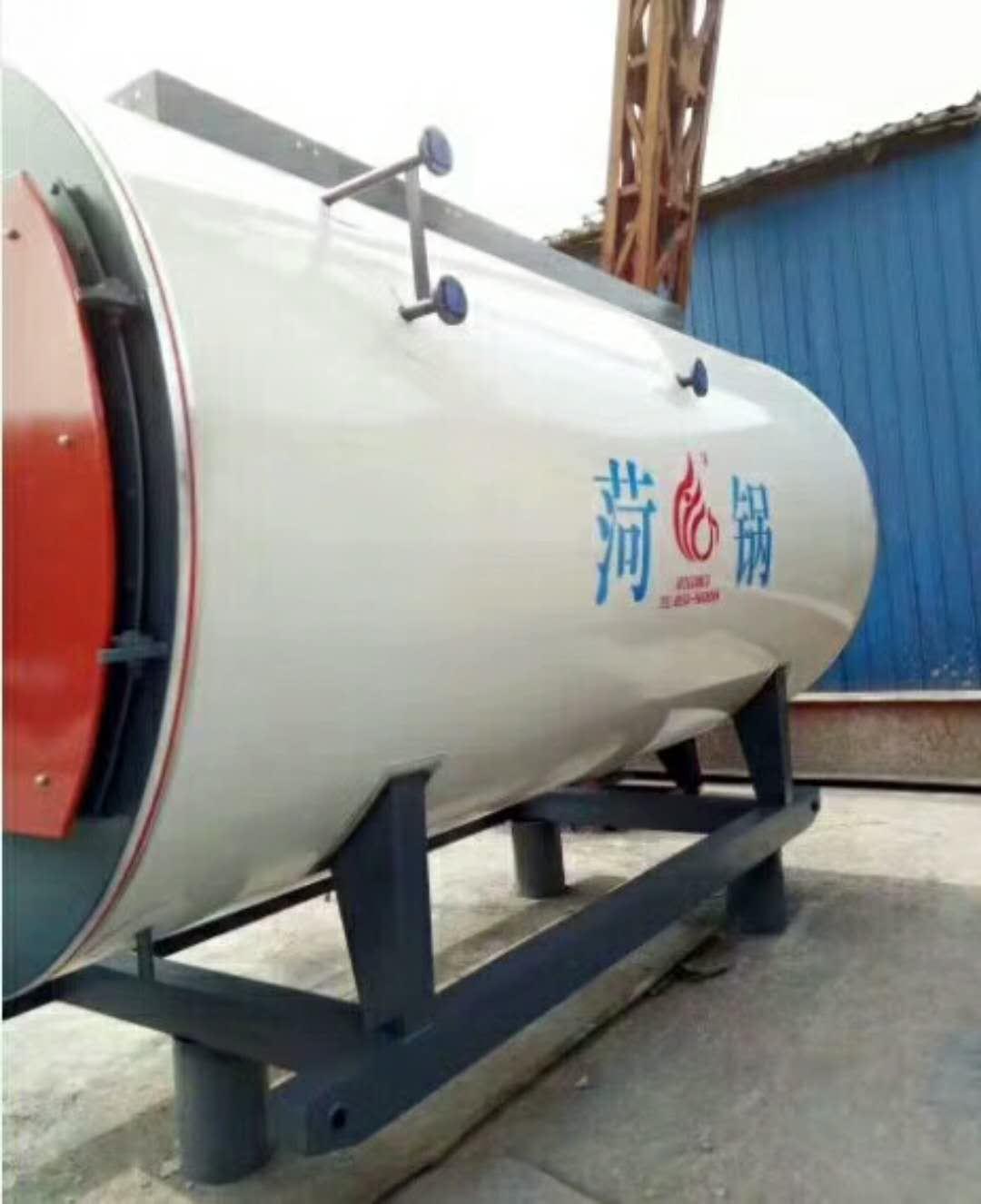
Carbon dioxide tank level gauges are devices used to measure and monitor the liquid level of carbon dioxide within the tank. Depending on different working principles and application requirements, common types of carbon dioxide tank level gauges include the following:
- Buoy Level Gauge: Uses the buoyancy of a float to indicate liquid level, measured by a mechanical device or an electrical signal sensor connected to the float.
- Pressure Level Gauge: Measures liquid level by utilizing the relationship between liquid pressure and level. Liquid pressure changes on a pressure sensor are used to calculate the liquid level height.
- Ultrasonic Level Gauge: Measures liquid level by using the propagation time of ultrasound. An ultrasonic transmitter emits waves, and when the beam encounters the liquid surface, part of it is reflected back. The liquid level height is calculated by measuring the reflection time.
- Capillary Level Gauge: Utilizes the capillary principle to measure liquid level. By inserting a thin tube into the liquid, the liquid rises within the tube, and the liquid level height is calculated based on the rise.
- Level Gauge: Measures liquid level using wave reflection. A transmitter emits waves, and when the beam meets the liquid surface, part of it is reflected back. The liquid level height is calculated by measuring the reflection time.
These level gauges can be chosen for application in carbon dioxide tanks based on specific needs and tank design. When selecting and installing level gauges, factors such as liquid properties, working environment, and precision requirements should be considered, ensuring they match the tank's safe operation and monitoring system.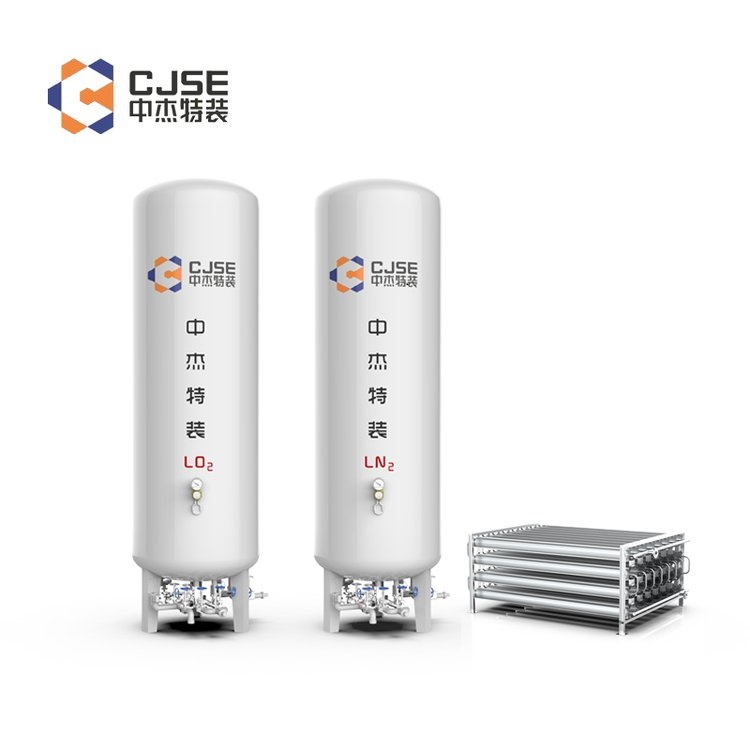
When planning CO2 storage tanks, the following requirements should be considered:
- Safety Distance: Tanks should maintain adequate safety distances from surrounding buildings, equipment, and personnel to prevent injuries and losses in case of accidental incidents. Specific safety distance requirements can be stipulated according to local regulations and standards.
- Tank Capacity: Determine the tank's capacity based on actual needs and usage. The choice of capacity should consider factors such as CO2 usage, storage duration, and supply requirements.
- Tank Layout: The layout should facilitate operation and maintenance while meeting safety and environmental protection requirements. There should be sufficient spacing between tanks for ease of operation and maintenance.
- Tank Material: Select appropriate materials for tank construction to ensure corrosion and pressure resistance. Common materials include carbon steel and stainless steel.
- Safety Equipment: Tanks should be equipped with necessary safety equipment, such as safety valves, pressure sensors, and temperature sensors, to ensure safe operation.
- Leak Prevention: Measures should be taken to prevent CO2 leaks, such as sealed valves and leak detection systems. Corresponding leak handling measures and emergency response plans should also be in place.
- Environmental Impact Assessment: An environmental impact assessment should be conducted when planning tanks to evaluate their impact on the surrounding environment and implement measures for environmental protection.
- Regulations and Standards: Adhere to local regulations and standards, including building codes, safety specifications, and environmental protection requirements, when planning tanks.
It is important to note that planning CO2 storage tanks should be carried out by engineers or relevant agencies to ensure compliance with safety and environmental protection requirements. Consulting with local authorities for advice and guidance is also necessary.
Carbon dioxide tanks are classified as pressure vessels. Pressure vessels are sealed containers designed to withstand internal pressure, used for storing and transporting gases, liquids, or mixtures. Carbon dioxide tanks are pressure vessels specifically designed for storing and transporting carbon dioxide, featuring unique designs and structures to ensure safe storage and use. Depending on design and application, carbon dioxide tanks can be either vertical or horizontal, with varying capacities and pressure ratings. When using carbon dioxide tanks, it is necessary to comply with relevant regulations and standards to ensure their safe operation and use.
Zhongjie Special Equipment upholds the grand vision of "realizing employees' dreams, creating customer value, and striving for the prosperity and strength of our motherland," and is dedicated to the development of the green energy equipment industry. We commit to society with high-quality, cost-effective products and services!
WeChat Official Account

Scan to follow Official Account



















