



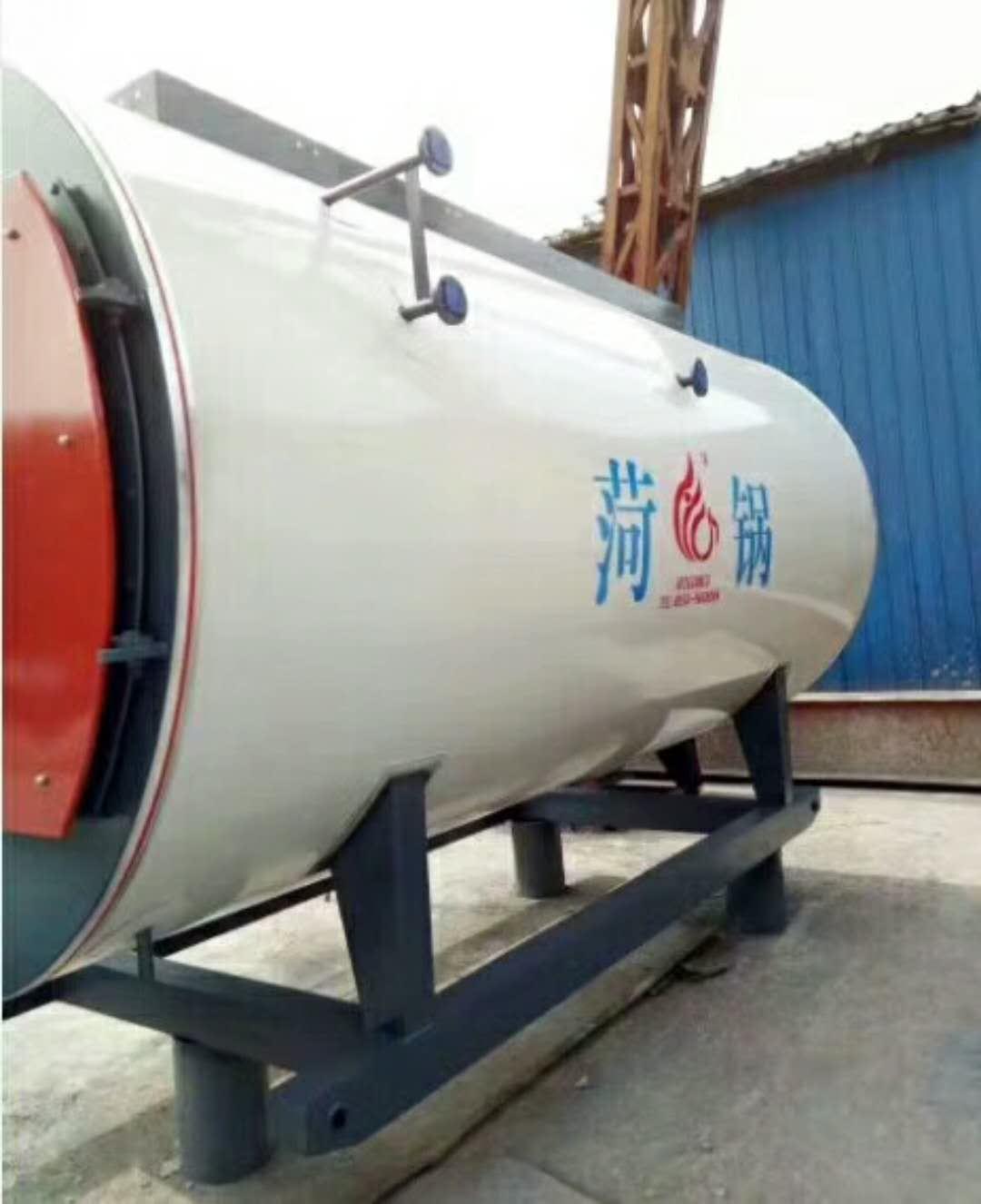
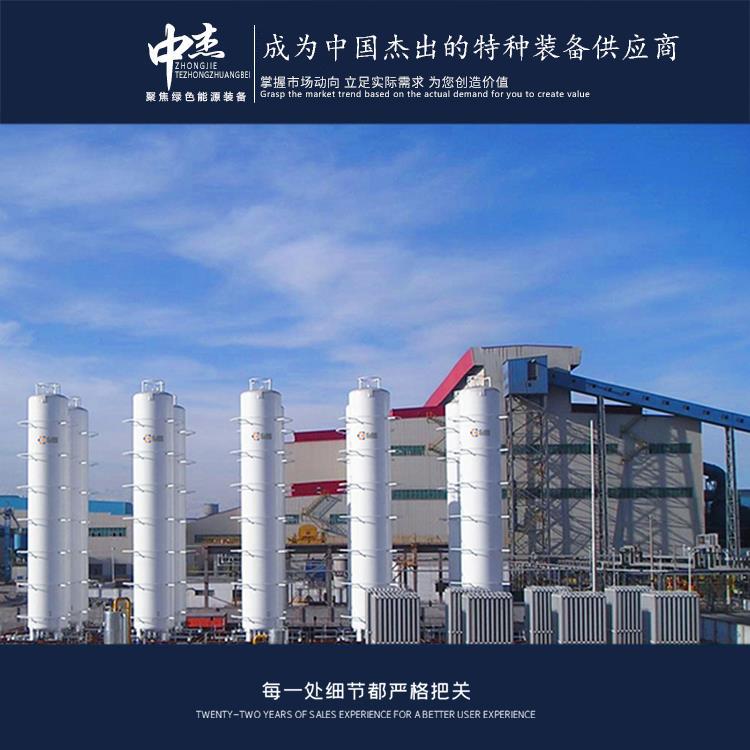


















Shandong Zhongjie Special Equipment (formerly Heze Boiler Factory Co., Ltd.) was established in 2001, located at No. 2218 Jinnan Road, Development Zone, Heze City, with a registered capital of 50 million yuan and total assets of 500 million yuan. The company has 7 business centers: boilers, deep-freeze containers, pressure vessels, central air conditioning, engineering installation, international trade, and Internet of Things. It has three factory sites on Jinnan Road, East Changjiang Road, and Bohai Road, covering a total of 200,000 square meters, with the main workshop spanning 83,000 square meters. It currently employs 710 people, including 247 engineers and technicians, and 82 intermediate-level technicians. In December 2016, it was recognized as a "High-tech Enterprise" by the Science and Technology Department. In June 2021, it was identified as a "Specialized and New Enterprise in Shandong Province" by the Ministry of Industry and Information Technology. In June 2022, it was recognized as a "Gazelle Enterprise in Shandong Province" and in August 2022, it was identified as a "Specialized and New Small Giant Enterprise" by the Ministry of Industry and Information Technology.
Carbon dioxide capture and recovery is a technology designed to capture carbon dioxide from industrial emission sources or the atmosphere and store or utilize it to reduce CO2 emissions. Below are some common carbon dioxide recovery techniques:
1. Coal-fired Power Plant CO2 Capture: In coal-fired power plants, the CO2 produced by burning coal can be captured and recovered. A common method is to use carbon capture technology to separate CO2 from flue gas and then store or utilize it.
2. Industrial Emission Source CO2 Capture: CO2 produced by many industrial processes can be treated through capture and recovery techniques. For example, CO2 generated during the production processes of steel, cement, and chemical industries can be recovered to reduce emissions.
3. Atmospheric CO2 Capture: CO2 in the atmosphere can also be recovered using direct air capture technology. This technique uses adsorbents or chemical reactions to capture and separate CO2 from the atmosphere, followed by storage or utilization.
4. CO2 Utilization: Captured CO2 can be used to produce valuable chemicals and fuels. For instance, through CO2 catalytic conversion technology, CO2 can be converted into fuels like ethanol or other chemical raw materials.
The development of CO2 recovery technology aims to reduce greenhouse gas emissions and mitigate climate change. However, these technologies are still under development and research, requiring further technical breakthroughs and practical verification to achieve large-scale application.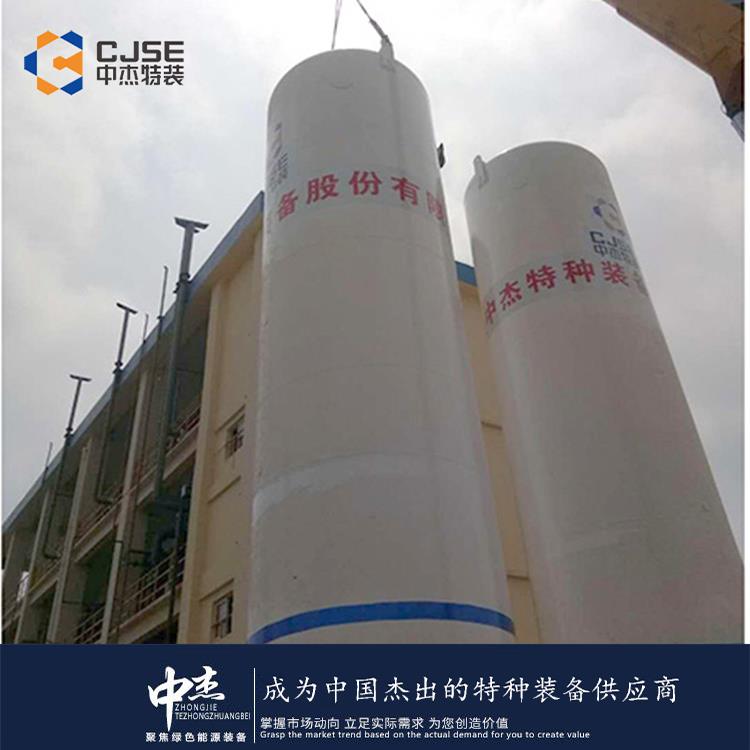
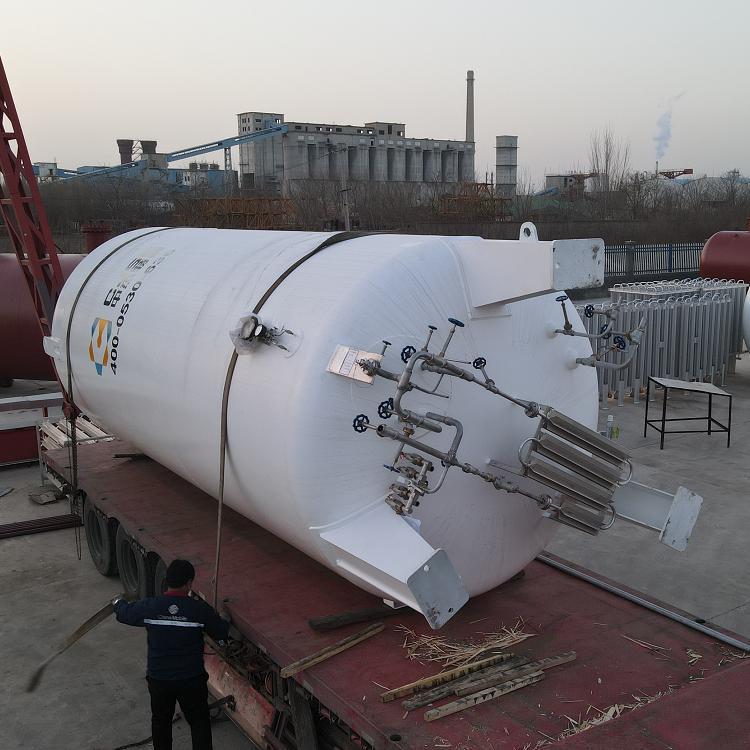
Carbon Dioxide Storage Tank Commissioning typically involves the following steps and contents: Tank Installation Inspection: Check if the tank's installation location, foundation, and support structure meet design requirements, ensuring stability and safety. Pipeline Connection Inspection: Verify the tank's connections to inlet and outlet pipelines are secure, and that valves and pipelines open and close properly, ensuring the integrity and normal operation of the pipeline system. Tank Cleaning and Emptying: Before commissioning, clean and empty the tank to ensure no impurities, residues, or other gases/liquids are inside. Tank Pressure Testing: Conduct pressure tests on the tank, including static pressure and leak tests. Static pressure tests involve increasing pressure to check the tank's sealing and pressure resistance. Leak tests check for any leaks in the tank and pipeline system. Control System Commissioning: Calibrate and adjust the tank's control system, including pressure, temperature, and level sensors, to ensure accuracy and reliability. Safety System Testing: Test the tank's safety system, including safety valves, pressure gauges, and level indicators, to ensure proper operation and response. Operating Parameter Adjustment: Adjust the tank's operating parameters, such as pressure, temperature, and level, based on actual needs and process requirements, to meet process demands and safe operation. Documentation and Reporting: Record and organize data, test results, and operational records during commissioning, generate a commissioning report for future reference and management. The above are general steps and contents for carbon dioxide storage tank commissioning. Specific commissioning activities may vary based on tank design requirements and application scenarios. During commissioning, strictly adhere to relevant safety operation procedures and standards to ensure safety and effectiveness of the process.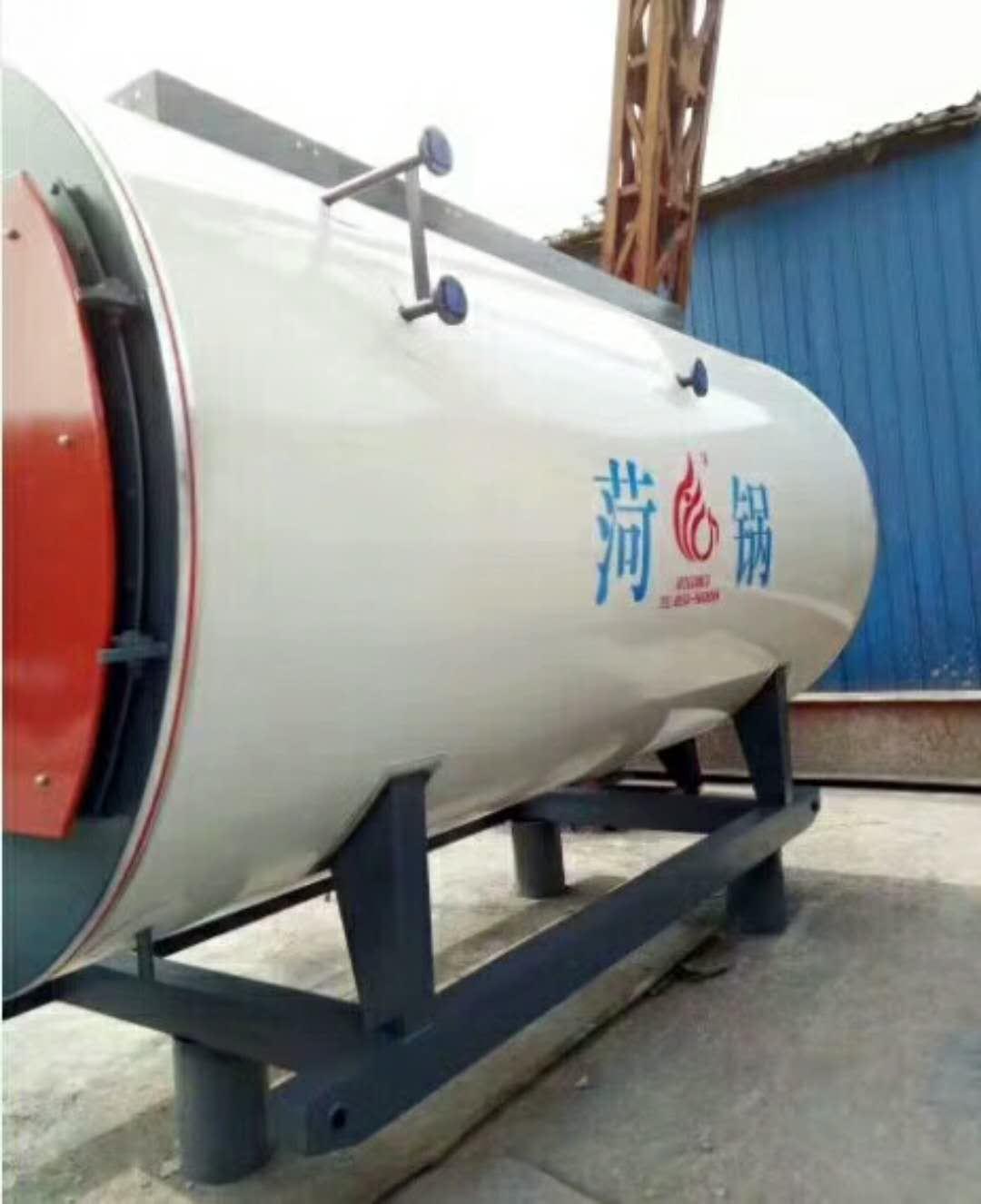
Additionally, the use of liquid carbon dioxide tanks must adhere to specific industry standards and regulations based on the particular industry and application scenario. For instance, when using liquid carbon dioxide tanks in the food and beverage industry, compliance with food safety and hygiene standards is required. It's important to note that different regions may have varying standards and regulations applicable to the use of liquid carbon dioxide tanks. Therefore, operations and usage should be conducted in accordance with local laws and standards.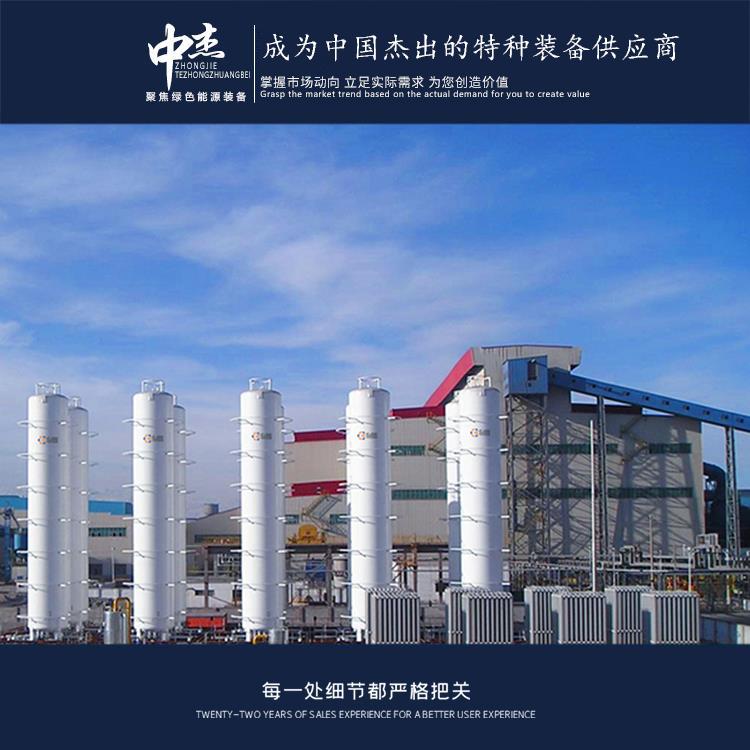
Carbon dioxide storage tanks offer several advantages: High storage density: CO2 storage tanks can compress CO2 gas into a liquid state, significantly increasing storage density. Compared to storing in gas form, liquid CO2 can store more CO2 in relatively smaller tanks, saving space and costs. Multiple application fields: CO2 storage tanks are widely used in various industries, including food and beverage, manufacturing, fire suppression, and gas supply. CO2 can serve as a preservative, carbonation agent, gas, and extinguishing agent, with broad applications and market demand. Eco-friendly and renewable: CO2 is an eco-friendly gas, and its increased concentration in the atmosphere can lead to warming and climate change. By storing and utilizing CO2, we can reduce its emissions into the atmosphere, achieving environmental protection and sustainable development. Safe and reliable: During design and manufacturing, CO2 storage tanks typically use high-strength materials (such as carbon steel or stainless steel), offering good pressure resistance and safety. The tanks are usually equipped with safety valves, pressure gauges, level gauges, and other accessories to ensure safe operation. Moreover, CO2 is a non-flammable and non-explosive gas, making it relatively safe. Supply: CO2 storage tanks can provide a stable supply of CO2. Through tank design and control systems, accurate measurement and supply of CO2 can be achieved, meeting various industry and application needs. These advantages make CO2 storage tanks a crucial storage and supply equipment, widely used across multiple industries. However, it is essential to follow relevant safety operation procedures and standards when using CO2 storage tanks to ensure safe operation and use.
Our company attaches great importance to technological innovation and R&D design. We possess 1 municipal-level enterprise technology center in Heze City, equipped with non-destructive testing, physical and chemical testing, welding testing, hydrostatic testing, and other testing facilities. We have over 600 various equipment and instruments, including CNC machine tools, X-ray flaw detectors, digital ultrasonic flaw detectors, mechanical property testing machines, chemical analyzers, spectrometers, tensile testing machines, plasma welding machines, etc. The key products and technologies we have developed, such as temperature and pressure vessel welding, biomass boiler emission reduction, and waste heat recovery, have successively been shortlisted for multiple Shandong Provincial Department of Industry and Information Technology Science and Technology Innovation projects, Shandong Provincial key projects, and Heze City innovative and excellent projects. We have cumulatively obtained 27 authorized utility model patents, 16 authorized invention patents, participated in drafting 2 standards, 2 industry standards, and registered 15 trademarks. The technical team of our company, in collaboration with Professor Yajiang Li of Shandong University, has developed deep cryogenic container processing technology using the international plasma arc + wire filling tungsten inert gas arc welding (PAW-GTAW) technology. After being appraised as a provincial-level scientific and technological achievement, our technology level has reached an international standard in the field of deep cryogenic container manufacturing. Choose Zhongjie Special Equipment, and let's create brilliance together!
WeChat Official Account

Scan to follow Official Account



















