


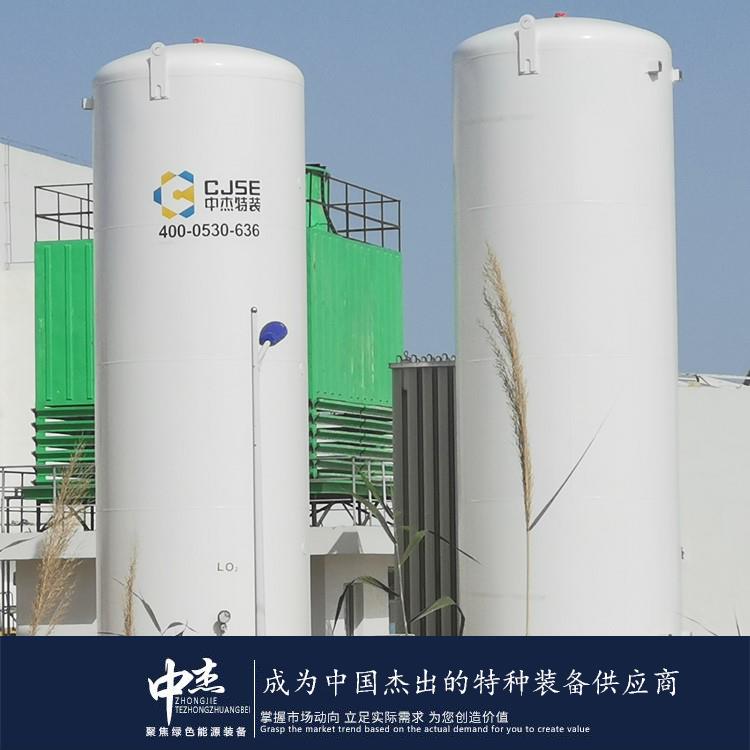

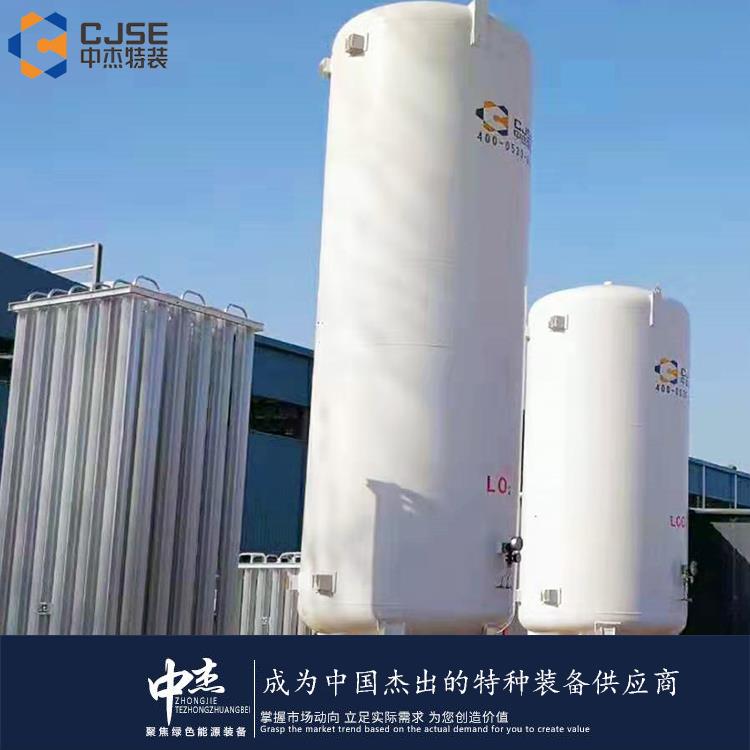
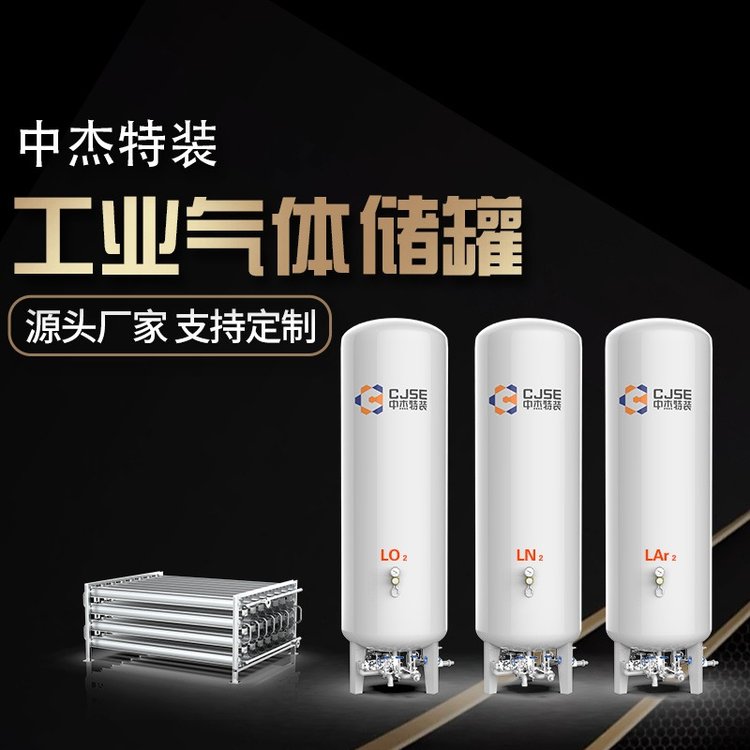


















Shandong Zhongjie Special Equipment Co., Ltd. specializes in the following products: fuel (gas) boilers, organic heat carrier boilers, biomass boilers, waste heat boilers, and other boiler products; vacuum insulation cryogenic pressure vessels such as LNG tanks, oxygen/nitrogen/argon tanks, and CO2 tanks; pressure vessel products including denitrification engineering equipment, heat storage and energy storage equipment, and complete chemical equipment; central air conditioning and HVAC equipment such as ground (water) source heat pumps, air source units, water-cooled screw units, and air-cooled modular units. Planned products include large-scale energy centers, LNG transport vehicles, LNG tank containers, and other green energy equipment.
The application standards for liquid carbon dioxide storage tanks mainly include the following aspects: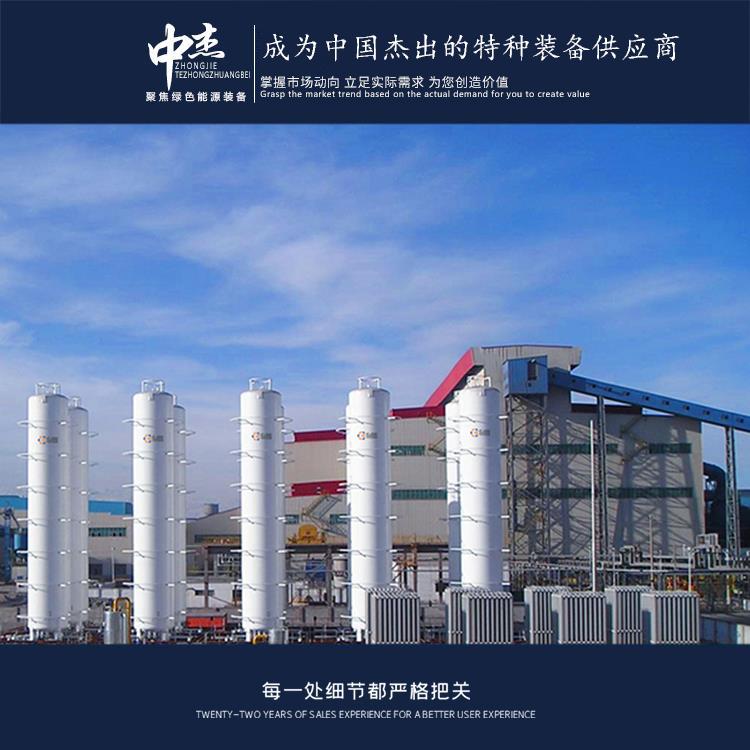
Carbon dioxide storage tanks fall under the category of pressure vessels. Pressure vessels are sealed containers capable of withstanding internal pressure, used for storing and transporting gases, liquids, or mixtures. A carbon dioxide storage tank is a pressure vessel specifically designed for storing and transporting carbon dioxide, featuring unique design and structure to ensure safe storage and use of the gas. Depending on design and application, carbon dioxide storage tanks can be vertical or horizontal, with varying capacities and pressure ratings. When using carbon dioxide storage tanks, it is necessary to comply with relevant regulations and standards to ensure their safe operation and use.
Before using a CO2 storage tank, certain inspection and filling points must be addressed. Here are some common precautions:
- Inspect the tank exterior: Check for any signs of visible damage, corrosion, or leakage. Ensure the tank shell is intact.
- Check valves and fittings: Verify that the valves and fittings on the tank are securely fastened and there are no leaks. Ensure proper operation.
- Inspect the pressure gauge: Confirm the pressure gauge on the tank is functioning correctly and readings are accurate. Replace or repair if abnormal.
- Check the level indicator: Ensure the level indicator on the tank is working correctly and accurately displays the level. Repair or replace if abnormal.
- Inspect the pressure relief device: Check the tank's pressure relief device (e.g., safety valve) for proper operation and set pressure meets requirements. Repair or replace if abnormal.
- Inspect the filling equipment: Verify that the filling equipment (e.g., filling pipes, pumps) is functioning correctly with no leaks or blockages. Ensure safety and reliability.
- Filling operations: During the filling process, pay attention to the following:
- Control the filling speed to avoid too fast or too slow.
- Control the filling pressure to prevent exceeding the tank's rated pressure.
- Monitor the level to ensure proper filling.
- Regularly inspect filling equipment and valves to ensure they are operating correctly.
- Safety measures: Adhere to relevant safety regulations and procedures during the filling process. Operators should wear appropriate protective gear, such as static-resistant clothing, gloves, etc.
- Note that specific inspection and filling points may vary depending on the type of tank and application. Before using a CO2 storage tank, conduct inspections and operations according to relevant specifications and standards, and consult with experts to ensure safety and effectiveness.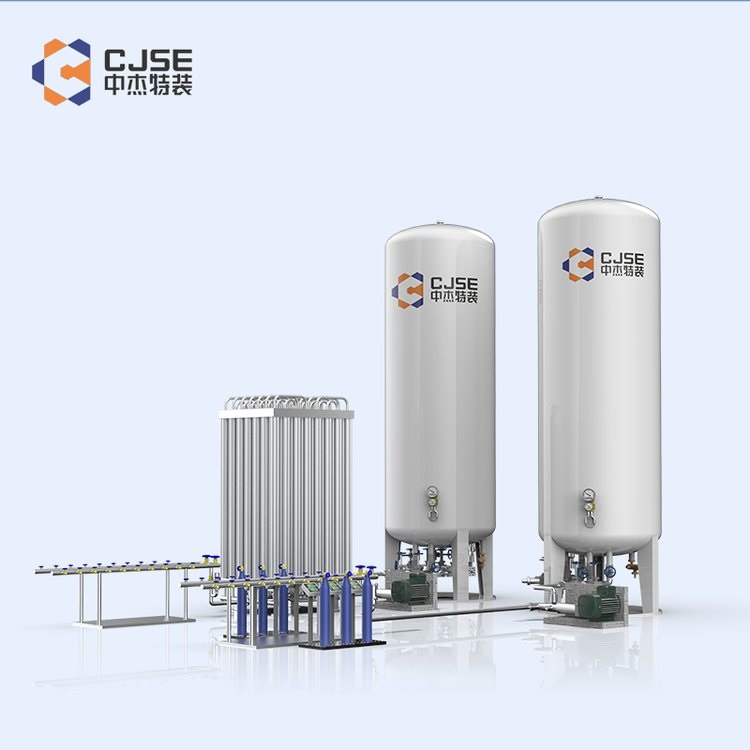
Carbon dioxide tanks are widely used in numerous industries. Here are some common applications:
Food and Beverage Industry: Carbon dioxide tanks are used in the production process of carbonated beverages, beer, soda, etc. in the food and beverage industry. Carbon dioxide is infused into the drinks to enhance their fizz and taste.
Medical Industry: Carbon dioxide tanks are used for applications such as anesthesia, respiration, and emergency care. Liquid carbon dioxide can be used to produce refrigerants for freezing and preserving biological samples and tissues.
Fire Suppression: In the fire industry, carbon dioxide tanks are utilized in fire suppression systems. Carbon dioxide is released at the scene of a fire to extinguish flames by inhibiting oxygen supply.
Gas Supply: Carbon dioxide tanks also supply CO2 gas in industrial and commercial settings. These gases can be used for welding, gas shielding, semiconductor manufacturing, water treatment, and more.
Climate Control: In greenhouses and indoor farming, carbon dioxide tanks are used to control and increase the concentration of CO2 for plant growth.
Furthermore, carbon dioxide tanks can be used in other industries such as the automotive industry (for airbag systems) and various industries (for propellants and gas supply).
It should be noted that different industries may have varying requirements and applications for carbon dioxide tanks. When using carbon dioxide tanks, it is essential to follow relevant regulations and standards and ensure that the design, manufacture, and use of the tanks comply with the respective requirements.
Shandong Zhongjie Special Equipment, welcome customers to visit our factory for business discussions.
WeChat Official Account

Scan to follow Official Account



















