





















Shandong Zhongjie Special Equipment (formerly Heze Boiler Factory Co., Ltd.) holds an A-grade boiler manufacturing license, A2-grade pressure vessel manufacturing license, A2-grade pressure vessel design license, B-grade boiler installation, and GB2/Class, GC2/Class pressure pipeline installation licenses, as well as equipment and machinery installation contracting qualifications. It is a member of the China Boiler and Water Treatment Association, the China Chemical Equipment Association, and the director unit of the Shandong Equipment Manufacturing Association. The company has also passed certifications for the ISO9001 Quality Management System, ISO14001 Environmental Management System, OHSAS18001 Occupational Health and Safety Management System, and the U.S. ASME/U2 certification.
Controlling the carbonization in biomass boilers is a crucial measure to ensure the normal operation of the boiler and extend its lifespan. The following are some common methods for controlling carbonization in biomass boilers:
Choose fuel wisely: Opt for high-quality, properly moisture-content biomass fuel, avoiding overly wet or high-contaminant fuel to minimize the risk of coking.
Regulate combustion temperature: Reasonably control the combustion temperature of biomass boilers to avoid excessively high temperatures, reducing the fuel's residence time in the furnace and lowering the risk of slagging.
Enhance Furnace Cleaning: Regularly clean the furnace to remove ash and dust, maintaining the furnace's openness and reducing the likelihood of coking.
Regulate Excess Air: Properly control the air supply during the combustion process of biomass boilers to prevent excessive air from entering the furnace, reducing the risk of fuel oxidation and slagging.
Regular Ash Blowing: Perform regular ash blowing on biomass boiler components such as economizers and superheaters to remove ash and slag, maintaining heat exchange efficiency and reducing the likelihood of fouling.
Enhanced Monitoring and Inspection: Regularly monitor and inspect biomass boilers, including parameters such as furnace temperature, flue gas composition, and furnace pressure, to promptly identify any anomalies and take appropriate actions.
These measures can help control the slagging issue in biomass boilers, maintain normal boiler operation, and extend the boiler's service life. Additionally, based on specific circumstances, other appropriate measures can be taken in conjunction with actual operating experience and technical requirements.
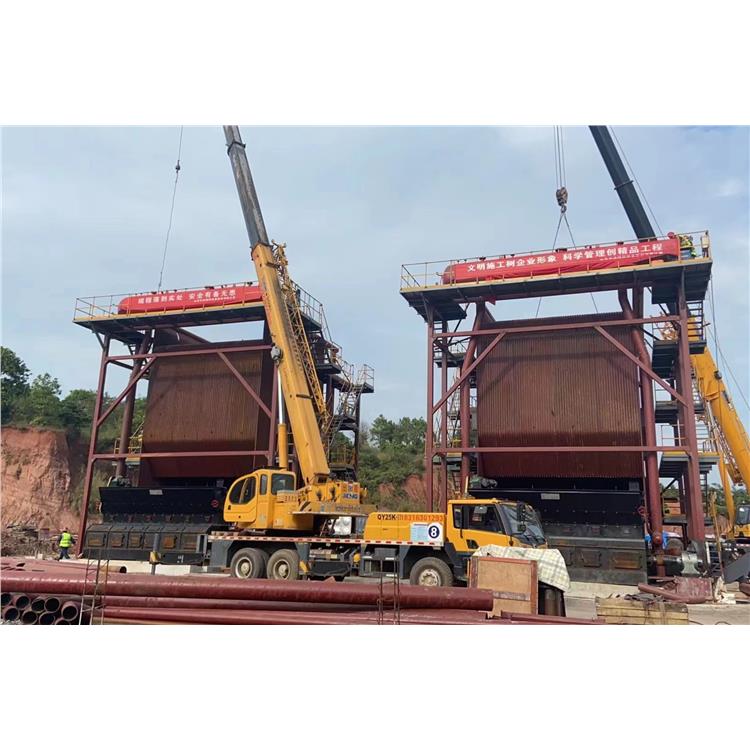
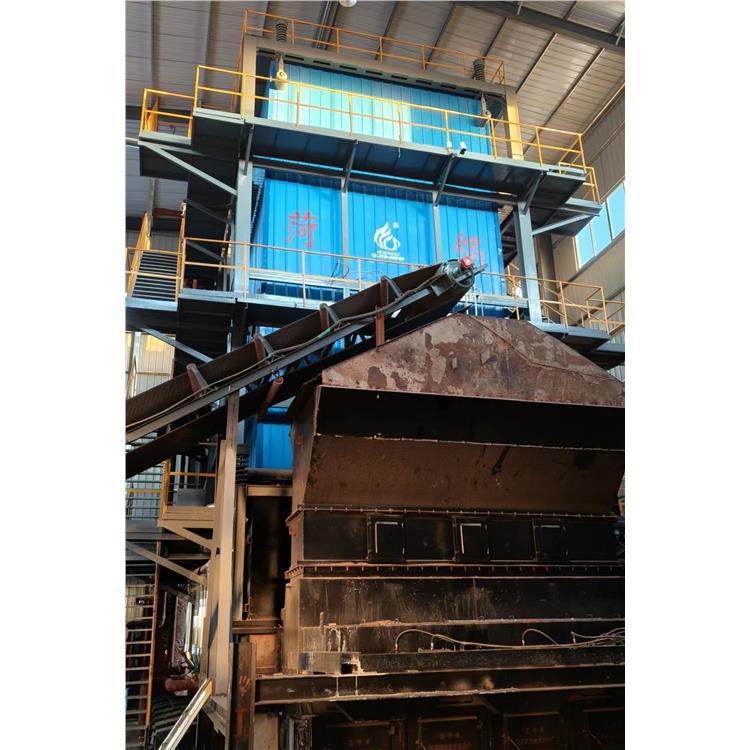
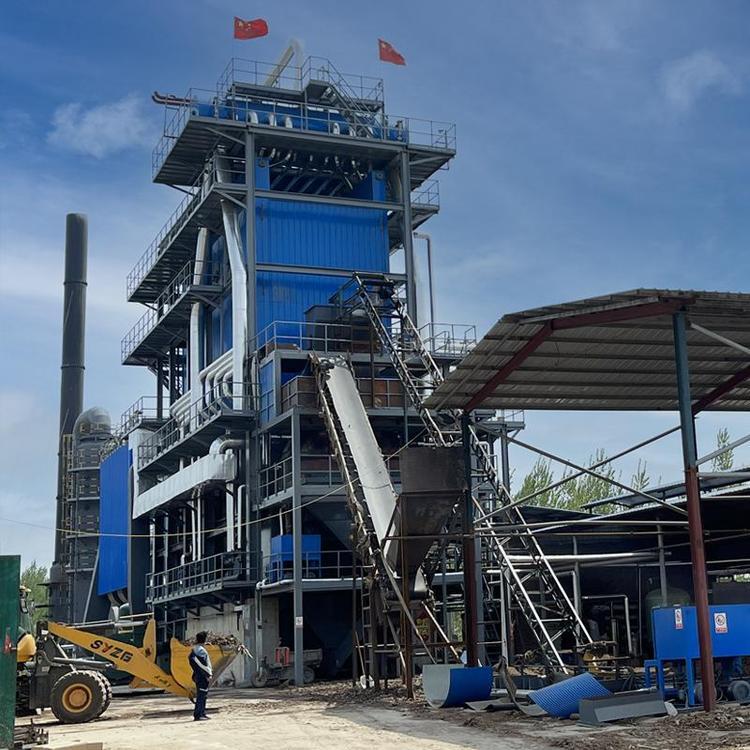
Chain biomass boiler, also known as a chain grate biomass boiler, is a special type of biomass boiler. It utilizes a chain grate as the fuel conveying and combustion device.
The grate chain consists of a series of interconnected chains, with evenly spaced grate plates distributed along them. Fuel is transported from one end of the furnace to the other through the movement of the grate chain, while simultaneously combusting within the furnace.
The working principle of the chain biomass boiler is: the fuel is evenly distributed on the chain grate, and as the chain moves, the fuel gradually moves towards the outlet of the furnace chamber. Inside the furnace, the fuel is thoroughly mixed with air, releasing thermal energy through combustion reactions. Additionally, the design of the grate plates and the movement of the chain ensure uniform and complete combustion of the fuel.
Chain biomass boiler features include:
Adaptable: Chain grate burners are capable of accommodating various biomass fuels such as wood chips and straw, demonstrating strong fuel adaptability.
High combustion efficiency: The design of the chain grate ensures even and complete combustion of fuel, improving combustion efficiency.
Operation Stable: The chain grate movement is stable, fuel feeding and combustion process is reliable, and the boiler operates with high stability.
Suitable for Large Capacity Boilers: Chain biomass boilers are designed for large-scale boiler systems, catering to the needs of industrial and heating sectors.
Chain biomass boilers are widely used in the field of biomass energy utilization, effectively utilizing biomass fuel to achieve sustainable energy use.
The Zhongjie Special Equipment biomass boiler body boasts the following technical advantages:
Our combustion technology: The Zhongjie biomass boiler adopts advanced combustion technologies such as fluidized bed combustion and chain grate combustion, enabling the combustion of biomass fuel. It boasts high combustion efficiency and high thermal energy utilization, reducing energy waste.
Multiple Fuel Compatibility: The Zhongjie customized biomass boiler is adaptable to various biomass fuels such as wood chips, straw, and waste crops, demonstrating strong fuel versatility. Suitable fuel options can be chosen based on actual conditions to achieve diversified energy utilization.
Heat Exchanger Design: The heat exchangers for Zhongjie's biomass boiler installations are designed to maximize the thermal energy from flue gases, enhancing heat efficiency. The material and structural design of the heat exchangers have been optimized for optimal heat conduction and exchange.
The control system: The control system of the Zhongjie biomass boiler, equipped with advanced technology, ensures precise control and adjustment of parameters such as temperature, pressure, and fuel supply. It features safety protection functions, including overheat protection and low water level protection, to guarantee the safe operation of the boiler.
Low Emission Environmental Protection: The Zhongjie biomass boiler adopts combustion and purification technologies that effectively control emissions generated during the combustion process, such as particulates and nitrogen oxides. It boasts lower carbon and environmental pollutant emissions.
High Reliability and Stability: The materials and processes used in the Zhongjie customized biomass boiler ensure excellent durability and stability. Rigorous quality control and testing ensure the boiler's high reliability and long-term stable operation.
Biomass fuel boilers may encounter the following issues during use:
Fuel quality inconsistency: The quality of biomass fuel is affected by factors such as raw material source, processing methods, and storage conditions, leading to inconsistent fuel quality. Inconsistent fuel quality may impact combustion efficiency and the stable operation of the boiler.
Ash disposal issue: Biomass fuel combustion generates a large amount of ash, including waste, ash content, and unburned materials. The handling and disposal of ash may pose environmental pollution and cost concerns.
High-Temperature Corrosion: Ash and elements like chlorine in biomass fuel can easily cause corrosion at high temperatures, damaging the metal components of boilers. Measures need to be taken to protect and treat against high-temperature corrosion issues.
Low combustion efficiency: Biomass fuel has different combustion characteristics from traditional fossil fuels, which may result in lower combustion efficiency. It is necessary to optimize the combustion system and control strategies to enhance combustion efficiency and reduce energy waste.
Gas emissions from combustion: The combustion of biomass fuel produces certain emissions, such as carbon dioxide, nitrogen oxides, and particulates. These emissions have an impact on the environment and air quality, necessitating appropriate control measures.
Transport and Storage Costs: The transportation and storage costs for biomass fuel are high, particularly for areas far from the source of supply. This may increase the operational costs for biomass fuel boilers.
In summary, biomass fuel boilers face issues such as inconsistent fuel quality, ash and slag disposal, and high temperatures.
Shandong Zhongjie Special Equipment, welcome customers to our factory for cooperation discussions.
WeChat Official Account

Scan to follow Official Account



















