


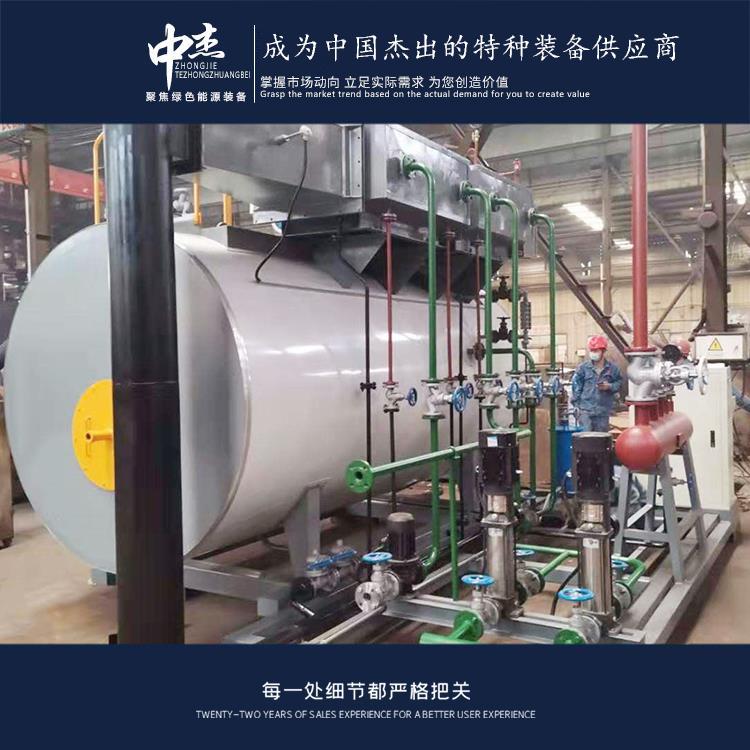

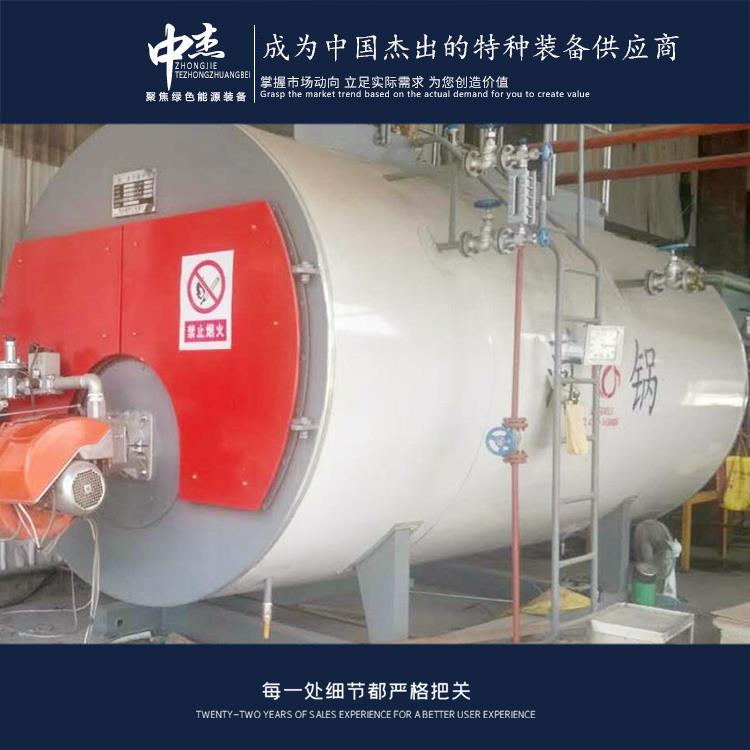
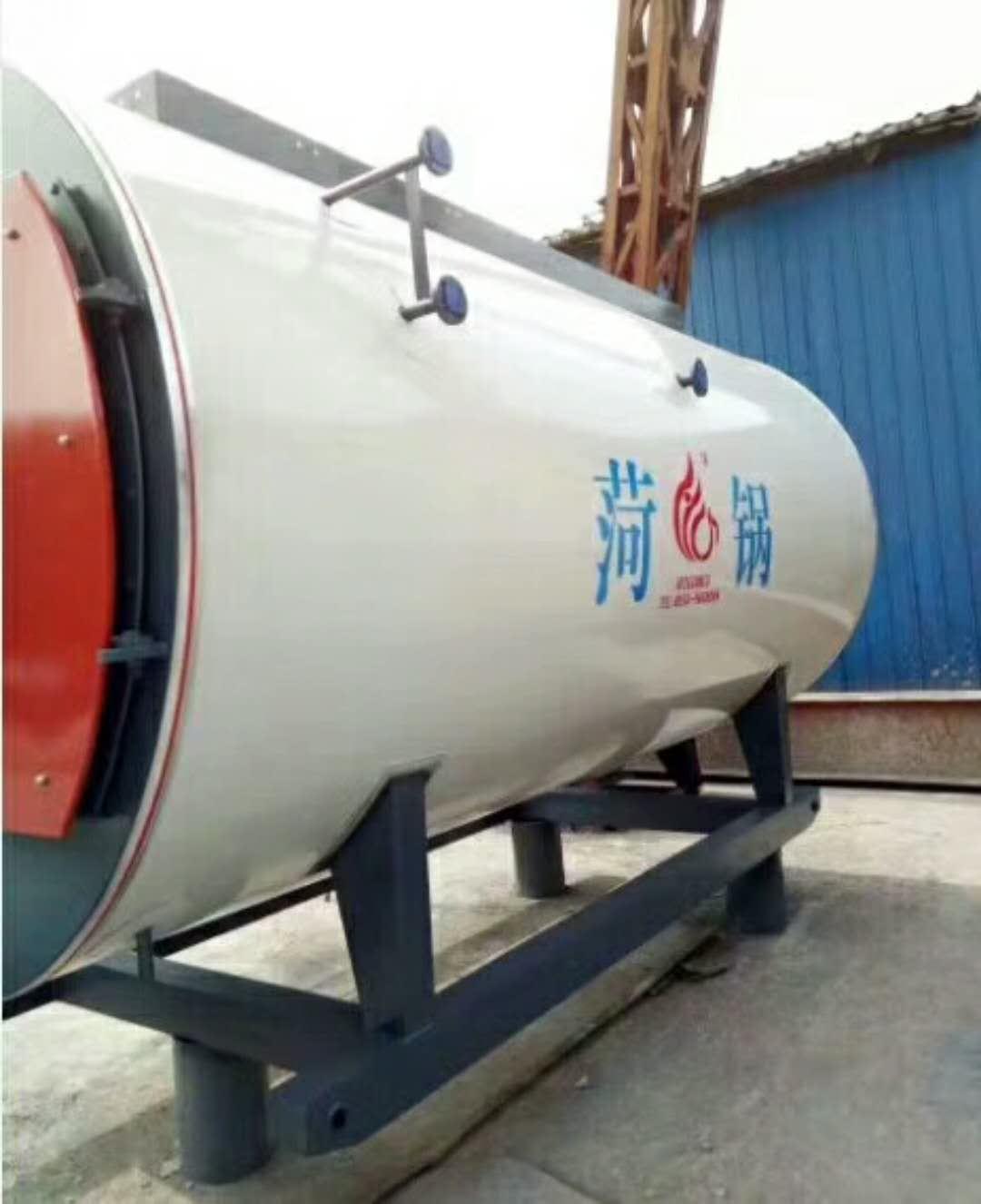


















Shandong Zhongjie Special Equipment's main products include: fuel (gas) boilers, organic heat carrier boilers, biomass boilers, waste heat boilers, and other boiler products; vacuum insulation cryogenic pressure vessels such as LNG tanks, oxygen/nitrogen/argon tanks, and CO2 tanks; pressure vessel products such as denitrification engineering equipment, heat storage and energy storage equipment, and complete chemical equipment; central air conditioning and ventilation equipment such as ground (water) source heat pumps, air source units, water-cooled screw units, and air-cooled modular units. Planned products include large-scale energy centers, LNG transport vehicles, LNG tank containers, and other green energy equipment.
To ensure proper safety procedures for industrial boilers, attention should be given to the following aspects:
- Adhere to laws and regulations: Understand and comply with relevant laws, regulations, and standards, including those governing boiler safety management and standards for boiler use and maintenance. Ensure compliance with legal requirements throughout the process.
- Establish a comprehensive management system: Develop a robust industrial boiler safety management system, clarify responsibilities and authorities, and standardize operational procedures and safety measures. Draft operational guidelines and emergency response plans to ensure orderly execution of safety procedures.
- Training and education: Provide training and education for personnel involved in industrial boiler safety procedures, enhancing their safety awareness and skill levels. This includes training for boiler operators, maintenance staff, and management personnel.
- Regular inspections and maintenance: Conduct regular inspections and maintenance of industrial boilers to ensure proper operation and safety performance. This includes checking and maintaining key components such as the combustion system, water level control, safety valves, and pressure gauges.
- Safety equipment and tools: Equip with necessary safety equipment and tools, such as safety valves, pressure gauges, water level indicators, and burners. Ensure the proper operation and effectiveness of these facilities and tools.
- Regular inspections and evaluations: Conduct regular inspections and evaluations of industrial boilers to ensure compliance with safety requirements. This includes routine pressure tests, water quality checks, and combustion efficiency assessments.
- Safety records and document management: Establish a comprehensive system for safety records and document management, documenting the operation, maintenance records, and accident reports of industrial boilers. Update and preserve relevant safety documents promptly.
- Regular drills and emergency response training: Organize regular safety drills and emergency response training to enhance the ability to respond to emergencies and improve efficiency in emergency handling.
These are some basic points to ensure the proper handling of industrial boiler safety procedures. Specific operations should be tailored according to actual circumstances and requirements.
The necessity of thermal oil furnace flow control is primarily reflected in the following aspects:
1. Heat Transfer Efficiency: The efficiency of heat transfer in thermal oil furnaces is closely related to the flow rate of the thermal oil. Appropriate flow rates ensure that heat is fully transferred in the heat exchanger, enhancing the efficiency of heat utilization. Excessively low flow rates may result in insufficient heat exchange, affecting the heat transfer effect; conversely, excessively high flow rates will increase energy consumption and operating costs.
2. Temperature Control: Flow control in thermal oil furnaces is also closely linked to temperature control. By adjusting the flow rate of the thermal oil, the internal temperature of the furnace can be controlled, ensuring stable operation within the set working temperature range. Too low a flow rate may lead to excessively high temperatures, while too high a flow rate may cause temperatures to drop too low, both of which can affect normal equipment operation.
3. System Stability: Proper thermal oil flow rates can enhance system stability. Flow control helps balance the supply and demand of heat energy, preventing overheating or cooling, and maintaining stable system operation. Stable operation contributes to extending the service life of the equipment and reducing the frequency of malfunctions and repairs.
4. Safety: Flow control in thermal oil furnaces is also closely related to safety. Appropriate flow control can prevent excessive accumulation of thermal oil in the system, reducing the risk of leaks and explosions. Additionally, flow control ensures that system pressure remains within safe limits, avoiding overpressure and other safety issues.
In summary, flow control for thermal oil furnaces is necessary for improving heat transfer efficiency, temperature control, system stability, and safety. Through reasonable flow control, the operation of thermal oil furnaces can be optimized, enhancing energy utilization efficiency, reducing operating costs, and ensuring safe and stable equipment operation.
To enhance the sensitivity and energy efficiency of a gas-fired hot water boiler, the following measures can be taken:
Regular maintenance and cleaning: Conduct regular maintenance and cleaning of the gas-fired hot water boiler, including cleaning the burner, flue, and heat exchanger components. This ensures the efficiency of the combustion process and heat transfer, reducing energy waste.
Smart control system: Install a smart control system to achieve automatic regulation and optimized operation of the gas-fired hot water boiler through temperature and pressure control. The smart control system can adjust the burner's operating status according to actual needs, avoiding excessive heating and energy waste.
Energy-saving equipment and technology: Utilize energy-saving equipment and technology, such as heat recovery units and flue gas waste heat recovery systems. These devices and technologies can recover and utilize the waste heat from the flue gas emissions of the boiler, enhancing energy utilization efficiency.
Water quality management: Manage the water quality of the gas-fired hot water boiler appropriately to prevent scale and sediment buildup. Scale and sediment can reduce the heat exchanger's heat transfer efficiency and increase energy consumption. Regular water quality testing and treatment help maintain clean water quality, contributing to improved boiler energy efficiency.
Good insulation and sealing: Ensure the boiler's good insulation and sealing performance. The selection and maintenance of insulation materials, as well as the sealing of pipes and valves, can reduce heat loss and improve the boiler's energy efficiency.
Regular monitoring and optimization: Regularly monitor the operation of the gas-fired hot water boiler, analyze energy consumption and efficiency indicators. Based on the monitoring results, make optimization adjustments to enhance the boiler's energy efficiency performance.
Through the comprehensive application of these measures, a gas-fired hot water boiler can achieve sensitive energy efficiency and improve energy utilization.
Before ignition, the preparation of the steam boiler involves the following steps:
1. Clean the boiler: First, you need to clean the internal and external dirt and impurities from the boiler. Remove ash, sediment, and dirt to ensure the efficiency of combustion and heat exchange.
2. Check fuel supply: Inspect the fuel supply system to ensure a smooth fuel supply. Check the fuel storage, conveyance pipes, and filters, clearing blockages and replacing damaged parts.
3. Inspect the burner: Check the operational status and cleanliness of the burner. Clean the burner's nozzle and flame detector to ensure proper functioning.
4. Check the gas system: If it's a gas boiler, inspect the gas supply system. Check the gas pipes, valves, and pressure regulators to ensure safe and stable gas supply.
5. Check water level and pressure: Inspect the boiler's water level and pressure. Ensure the water level is within the normal range, and pressure is stable and meets requirements. Add water and adjust pressure if necessary.
6. Check safety devices: Inspect the boiler's safety devices, such as safety valves, pressure switches, and water level controllers. Ensure these devices are functioning properly to guarantee safe boiler operation.
7. Prepare ignition tools: Prepare the tools and equipment needed for ignition, such as a matchstick, igniter, etc. Ensure these tools are in good working order and safe.
When performing these preparation tasks, follow relevant operational procedures and safety requirements to ensure safety and effectiveness. If unsure about the preparation process, consult with experts or seek advice from the boiler manufacturer.
Shandong Zhongjie Special Equipment, welcome customers to our factory for business discussions.
WeChat Official Account

Scan to follow Official Account



















