


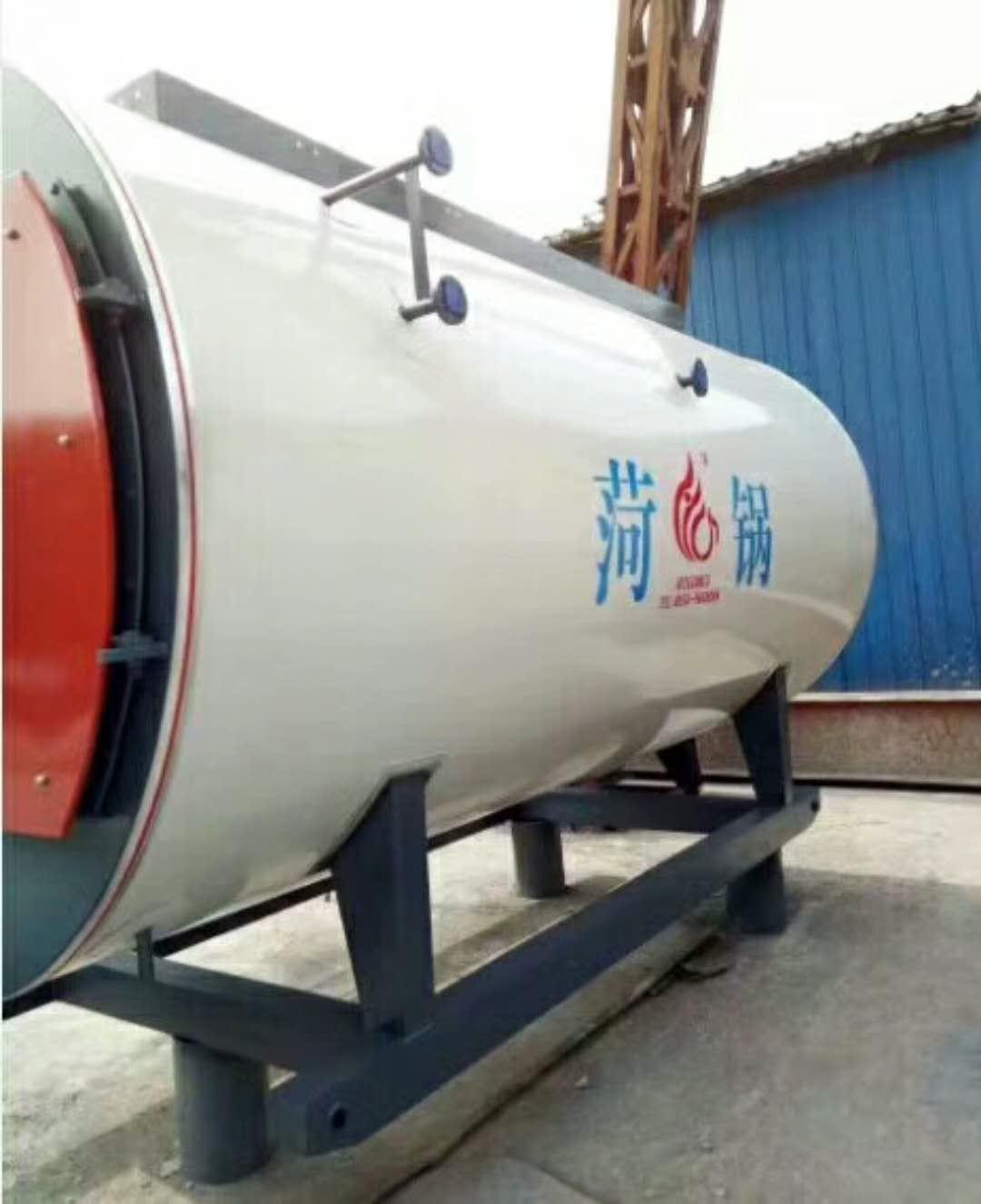

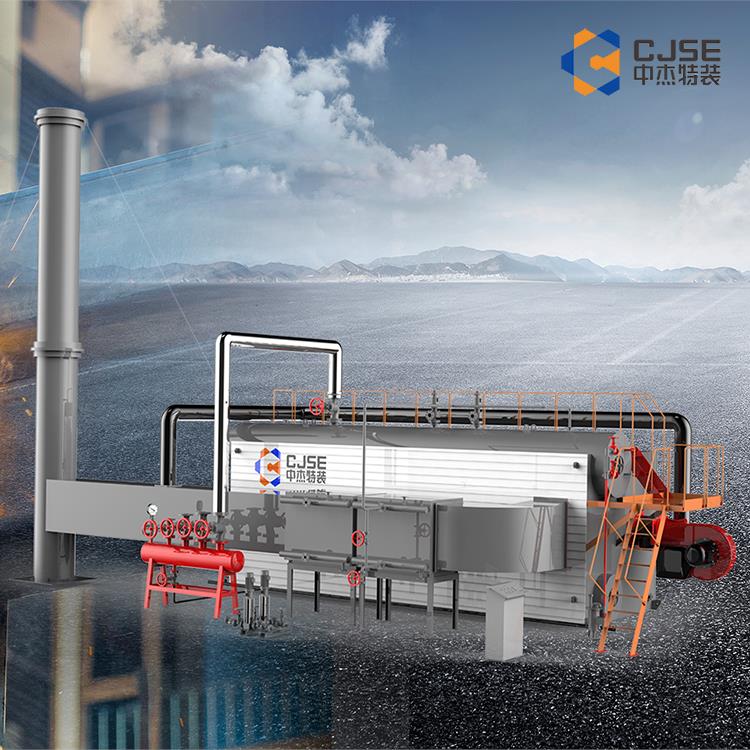
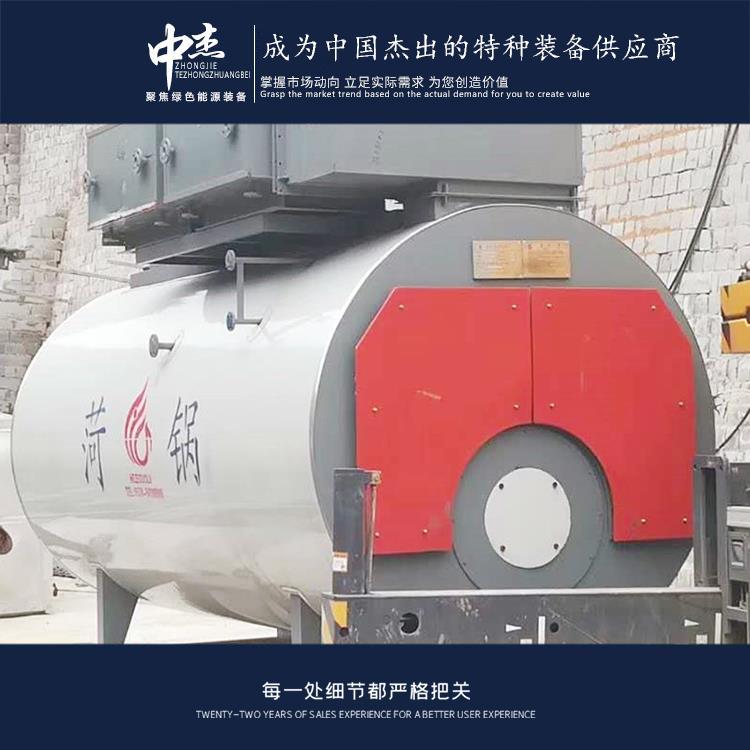


















Shandong Zhongjie Special Equipment (formerly Heze Boiler Factory Co., Ltd.) was established in 2001, located at No. 2218 Jinnan Road, Economic and Technological Development Zone, Heze City. With a registered capital of 50 million yuan and total assets of 500 million yuan, the company has seven business centers: boilers, deep-freezing vessels, pressure vessels, central air conditioning, engineering installation, international trade, and the Internet of Things. It has three factory areas on Jinnan Road, East Changjiang Road, and Bohai Road, covering a total area of 200,000 square meters, with the main workshop spanning 83,000 square meters. It currently employs 710 people, including 247 engineers and technicians and 82 intermediate-level technicians. In December 2016, it was recognized as a "High-tech Enterprise" by the Science and Technology Department. In June 2021, it was identified as a "Specialized and New Enterprise in Shandong Province" by the Ministry of Industry and Information Technology. In June 2022, it was recognized as a "Gazelle Enterprise in Shandong Province" and in August 2022, it was identified as a "Specialized and New Small Giant Enterprise" by the Ministry of Industry and Information Technology.
When designing a fuel-gas boiler room, the following points should be taken into consideration:
Safety Considerations: Ensure the design of the boiler room complies with relevant safety standards and regulations. Consider fire risks and set up appropriate firewalls, fire doors, and fire isolation facilities. Ensure good ventilation in the boiler room with suitable ventilation equipment and flue systems to expel harmful gases produced by combustion.
Space and Layout: Plan the space and layout of the boiler room based on the number and size of the boilers. Ensure there is sufficient space for operation, maintenance, and cleaning. Arrange the boilers, fuel storage equipment, flue systems, and pipeline layouts for ease of operation and maintenance.
Fuel Supply and Storage: Consider the requirements for fuel supply and storage. Ensure the safety and reliability of fuel supply pipelines and equipment to avoid leaks and contamination. Plan the capacity and location of fuel storage equipment reasonably to ensure an adequate fuel supply and compliance with relevant safety requirements.
Emission and Exhaust Gas Treatment: Consider the emission and treatment of exhaust gases produced by combustion. Set up appropriate flue systems and exhaust gas treatment equipment to minimize the impact of emissions on the environment. Ensure the design and layout of the flue system are reasonable and can effectively expel smoke and exhaust gases.
Control and Monitoring Systems: Design suitable control and monitoring systems to ensure the safety and operation of the boiler. This includes monitoring and control equipment for parameters such as temperature, pressure, and flow, as well as alarm and automatic shutdown devices. Ensure that operators can promptly understand the operating status of the boiler and take appropriate actions.
Prior to starting the heating gas hot water boiler, the following proper procedures must be followed:
- Check the gas supply system: Ensure the gas supply system is operating correctly, inspect gas pipes, valves, and pressure regulators, and confirm there are no leaks or blockages in the gas supply.
- Inspect the water system: Check the water circulation system of the heating system, including pumps, valves, and pipes, to ensure the waterway is clear with no leaks or blockages.
- Check the electrical system: Inspect the boiler's electrical system, including power connections, controllers, and sensors, to ensure the electrical equipment is functioning properly.
- Check the safety devices: Verify the boiler's safety devices, such as safety valves, pressure switches, and water level controllers, to ensure they are working correctly and guaranteeing safe operation of the boiler.
- Prepare for ignition: According to the boiler's operating instructions, prepare the tools and equipment needed for ignition, including an igniter and ignition electricity.
- Open the gas valve: Slowly open the gas valve to ensure a steady gas supply and avoid gas surges.
- Ignition start-up: Follow the boiler's operating instructions for ignition start-up. Perform the appropriate operations based on the boiler model and control system to ensure smooth ignition.
- Monitor operational status: After startup, closely monitor the boiler's operational status, including combustion, water level, and pressure, to ensure normal operation without any anomalies.
- Adjust parameters: Adjust the boiler's parameters, including temperature, pressure, and water level, as needed to meet the requirements of the heating system.
- Regular maintenance: After startup, perform regular maintenance, including cleaning the burner, checking water level and pressure, and replacing worn parts, to ensure normal operation and safety of the boiler.
- It is recommended to refer to the boiler's operation manual and manufacturer's guidance before starting the heating gas hot water boiler to ensure correct and safe operation. If necessary, personnel can be requested for operation and maintenance.
A gas heat transfer oil furnace is a device that uses gas as fuel and transfers heat energy through heat transfer oil. Its features include:
- High thermal efficiency: The furnace uses heat transfer oil as the heat conduction medium, which offers high heat transfer efficiency. The oil has high thermal conductivity and stability, allowing for rapid heat transfer and enhancing energy utilization.
- Temperature control: By regulating gas supply and the circulation of heat transfer oil, the furnace can control operating temperatures. This temperature control meets various process and production requirements, improving efficiency and product quality.
- Safety and reliability: The furnace employs a closed-loop system, with combustion occurring in an enclosed environment, reducing the risk of gas leakage. Additionally, the heat transfer oil has a high flash point and ignition point, making the combustion process relatively safe and reliable.
- Flexibility: Suitable for various industrial sectors such as chemicals, textiles, and food processing, the furnace can adapt to different process needs and working conditions, offering strong flexibility.
- Environmental protection and energy saving: The furnace emits relatively low amounts of exhaust during combustion, causing minimal environmental pollution. Thanks to its high thermal efficiency and temperature control, it can save energy and reduce energy costs.
- It is important to note that regular inspections and maintenance are required for the gas heat transfer oil furnace to ensure proper operation and prolong its lifespan. Additionally, selecting the appropriate model and supplier is crucial for ensuring its characteristics and performance.
Chemical cleaning of industrial boilers is a common method used to effectively remove dirt and sediments inside the boiler, enhancing heat exchange efficiency and extending the boiler's lifespan. Below are the general steps and procedures for industrial boiler chemical cleaning:
Preparation: Turn off the boiler's power and gas supply, drain the water and steam inside the boiler, ensuring the boiler is in a safe condition. Prepare the necessary chemical cleaning agents and cleaning equipment.
Cleaning Agent Selection: Choose suitable chemical cleaning agents based on the boiler's material and the nature of the dirt. Common cleaning agents include acidic, alkaline, and chelating agents.
Cleaning Agent Circulation: Dissolve the cleaning agent in an appropriate amount of water and pump it into the boiler. Determine the circulation time and temperature of the cleaning agent based on the boiler's size and the extent of the dirt.
Cleaning Agent Action: During circulation, the cleaning agent reacts chemically with the dirt inside the boiler, dissolving and decomposing it. Acidic cleaning agents can remove rust and scale, while alkaline cleaning agents can remove grease and organic matter.
Rinsing and Neutralizing: After the cleaning agent circulation is complete, rinse the boiler with clean water to flush out the cleaning agent and dissolved dirt. Simultaneously, use a neutralizing agent to neutralize any remaining acidic or alkaline substances, ensuring the boiler's neutrality.
Inspection and Maintenance: After cleaning, inspect the boiler to ensure the cleaning effect and normal operation. Perform the necessary maintenance and repair work as needed.
Points to Note During Industrial Boiler Chemical Cleaning:
- Adhere strictly to the usage instructions and safety operation procedures of chemical cleaning agents to ensure the safety of operators.
- Select appropriate cleaning agents and methods based on the boiler's material and the nature of the cleaning agents.
- Control the concentration, temperature, and circulation time of the cleaning agent to avoid unnecessary damage to the boiler.
- Monitor the concentration and pH value of the cleaning agent in a timely manner during the cleaning process, adjusting the cleaning conditions.
- Flush the boiler after cleaning to ensure that all cleaning agents and dirt are removed.
- Perform maintenance and repair on the boiler promptly after cleaning to ensure normal operation and long-term use.
Shandong Zhongjie Special Equipment, welcome customers to our factory for business discussions.
WeChat Official Account

Scan to follow Official Account



















