


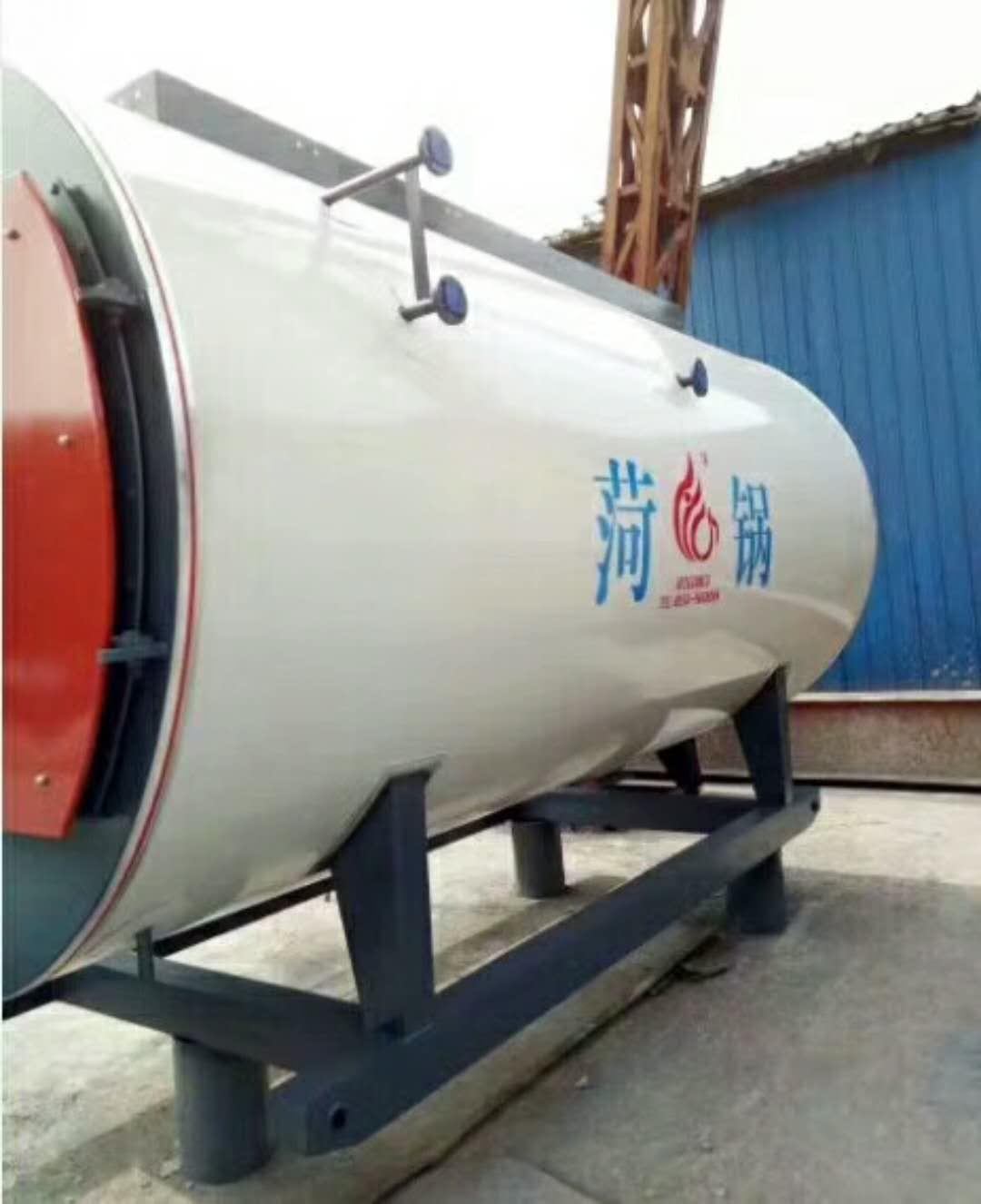

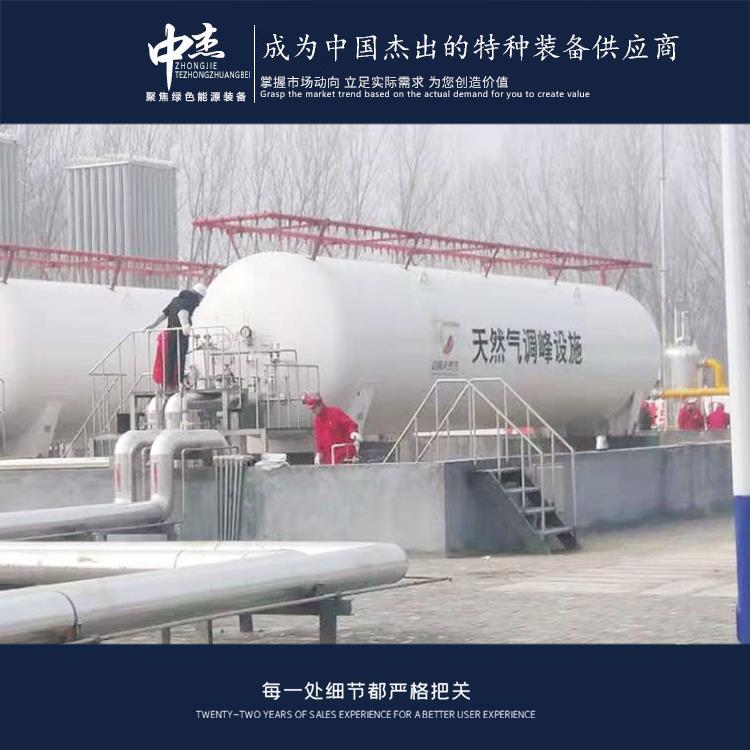
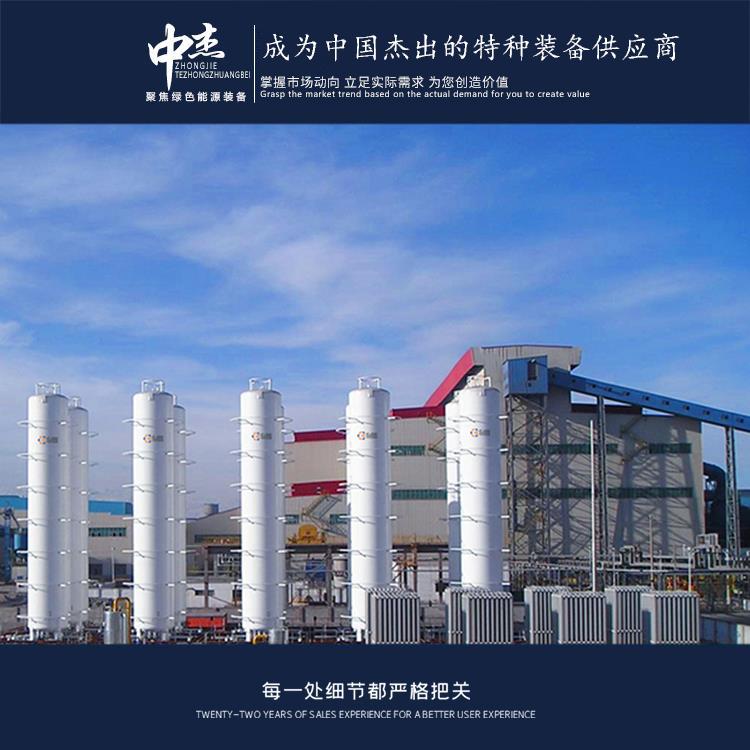


















Shandong Zhongjie Special Equipment Co., Ltd. (formerly Heze Boiler Factory Co., Ltd.) was established in 2001, located at No. 2218 Jinnan Road, Development Zone, Heze City, with a registered capital of 50 million yuan and total assets of 500 million yuan. The company has 7 business centers: boilers, deep-freeze containers, pressure vessels, central air conditioning, engineering installation, international trade, and Internet of Things. It has three factory sites on Jinnan Road, East Changjiang Road, and Bohai Road, covering a total of 200,000 square meters, with the main workshop spanning 83,000 square meters. It currently employs 710 people, including 247 engineers and technicians and 82 intermediate-level technicians. In December 2016, it was recognized as a "High-Tech Enterprise" by the Science and Technology Department. In June 2021, it was identified as a "Specialized and New Enterprise in Shandong Province" by the Department of Industry and Information Technology. In June 2022, it was recognized as a "Gazelle Enterprise in Shandong Province" and in August 2022, as a "Specialized and New Small Giant Enterprise" by the Ministry of Industry and Information Technology.
Additionally, the use of liquid carbon dioxide tanks must adhere to specific industry standards and regulations depending on the industry and application scenario. For instance, when using liquid carbon dioxide tanks in the food and beverage industry, compliance with food safety and hygiene standards is required. It's important to note that different regions may have varying standards and regulations for the use of liquid carbon dioxide tanks. Therefore, operations and usage should be conducted in accordance with local laws and standards.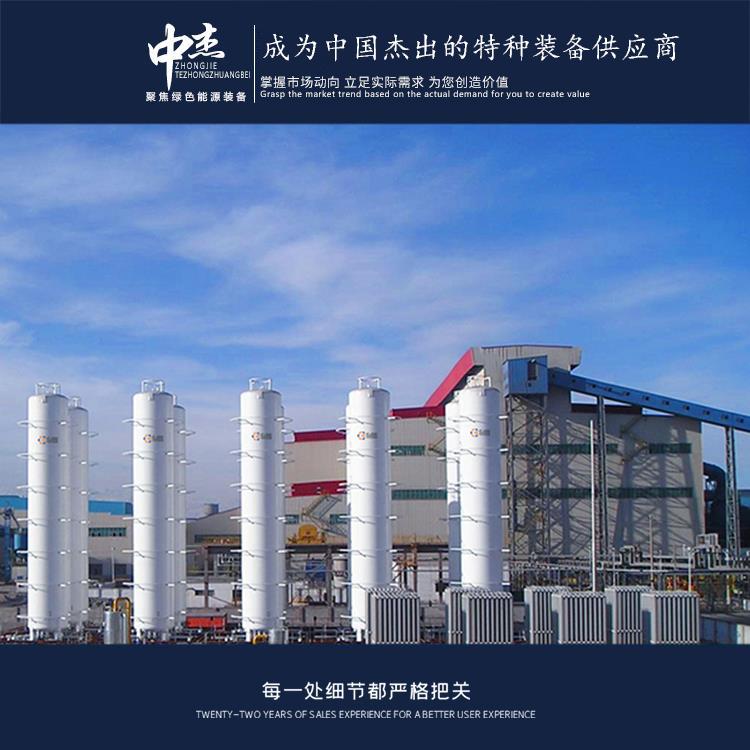
The internal structure of a carbon dioxide storage tank typically includes the following main components:
- Tank Shell: The tank shell is the primary container for storing carbon dioxide, usually made of carbon steel or stainless steel. It is designed with sufficient strength and sealing properties to withstand internal tank pressure and loads.
- Lining Layer: To prevent direct contact between carbon dioxide and the tank shell, avoiding corrosion and contamination, the interior of the tank is often coated with a lining layer. This lining is typically made from corrosion-resistant materials such as glass fiber reinforced plastic or polyester resin.
- Support Structure: To support the tank's weight and maintain stability, the interior usually features a support structure, such as support legs or frames, to bear the bottom and side walls of the tank.
- Internal Accessories: The tank is also equipped with essential accessories like level gauges, pressure sensors, temperature sensors, and safety valves. These are used to monitor and control the liquid level, pressure, and temperature inside the tank to ensure safe operation.
- Pressure Relief Device: To prevent excessive internal pressure, the tank is usually fitted with a pressure relief device, such as a safety valve. When the internal pressure exceeds the set value, the relief device automatically opens to release pressure, protecting the tank's safety.
- Inlet and Outlet Pipes: The tank also contains inlet and outlet pipes for injecting and discharging carbon dioxide. These pipes are typically connected to external supply or consumption systems to facilitate the storage and use of carbon dioxide.
- The above describes the general internal structure of carbon dioxide storage tanks. Specific structural design and configurations may vary depending on the tank's application and specifications. When using and maintaining the tank, it is necessary to...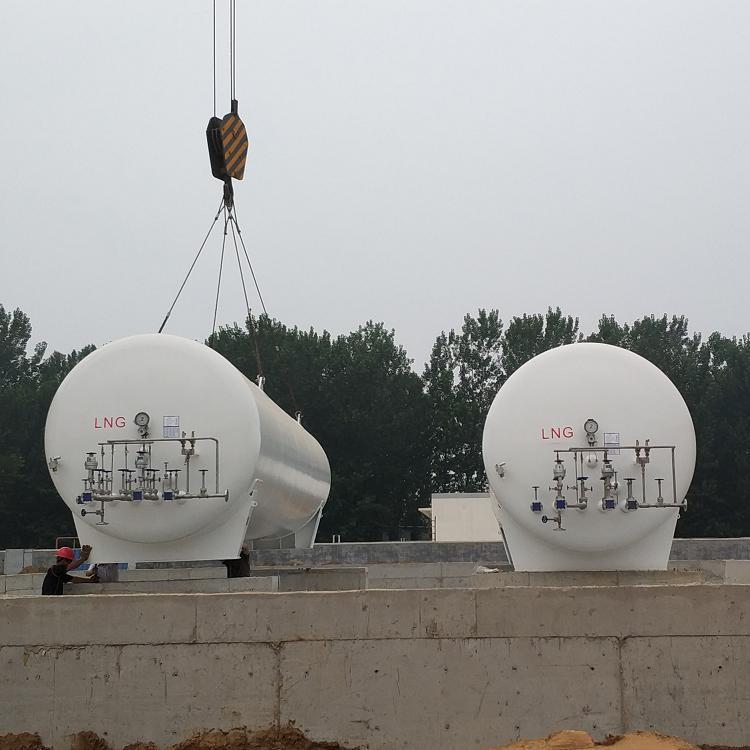
The testing and maintenance of liquid oxygen storage tanks are crucial for ensuring safe operation and extending their service life. Below is a general outline of the testing and maintenance procedures for liquid oxygen storage tanks:
- Visual Inspection: Regularly inspect the exterior of the liquid oxygen storage tank for signs of corrosion, wear, and cracks. If any abnormalities are found, promptly repair or replace them.
- Internal Cleaning: Regularly clean the interior of the liquid oxygen storage tank to remove accumulated impurities and dirt. Use appropriate cleaning agents and tools to avoid damaging the tank.
- Level Measurement: Regularly measure the level of liquid oxygen within the tank to ensure it remains within a safe range. Use a level gauge or other measuring equipment and record the results.
- Pressure Testing: Regularly conduct pressure tests to verify the tank's pressure resistance. Pay attention to controlling pressure and time during testing to ensure safety and accuracy.
- Leak Detection: Regularly perform leak detection to ensure the tank's sealing integrity. Use leak detection equipment such as gas detectors or foam leak detection agents.
- Valve and Pipeline Inspection: Regularly check the valves and pipeline connections of the liquid oxygen storage tank to ensure they are sealed properly with no leakage. If issues are found, repair or replace them promptly.
- Maintenance Records: Document the testing and maintenance activities of the liquid oxygen storage tank, including inspection dates, contents, and results. Records help track maintenance history and issue resolution.
- Scheduled Maintenance: Develop a regular maintenance plan based on the tank's usage and requirements. This includes lubrication, bolt tightening, and replacement of seals to ensure normal operation.
In recent years, the surge in the development of low-temperature liquid storage tanks can be attributed to the following factors:
1. Increased energy demand: With economic growth and population expansion, the demand for energy has been on the rise. Low-temperature liquid storage tanks are primarily used for storing liquefied natural gas (LNG), liquid oxygen (LOX), and liquid nitrogen (LIN) to meet the growing energy needs.
2. Greenhouse gas emission reduction: These tanks can store and transport liquid carbon dioxide (CO2) for carbon capture and storage (CCS) technologies, aiding in reducing greenhouse gas emissions. As environmental protection and climate change concerns intensify, the demand for low-temperature liquid storage tanks in CCS has also increased.
3. Industrial development needs: The application of low-temperature liquid storage tanks in the industrial sector is also expanding. For instance, in chemical, pharmaceutical, food, and beverage industries, there is a need to store and transport low-temperature liquid raw materials or products, such as liquid nitrogen, liquid oxygen, and liquid ethylene. With the development of these industries, the demand for low-temperature liquid storage tanks has also grown accordingly.
4. Technological advancement and innovation: In recent years, there have been continuous advancements and innovations in the design, manufacturing, and transportation of low-temperature liquid storage tanks. The application of new materials, optimization of tank structures, and improvements in safety control systems have made these tanks safer and more reliable, further propelling their peak development.
In summary, factors such as increased energy demand, greenhouse gas emission reduction, industrial development needs, and technological advancement and innovation have collectively driven the peak development of low-temperature liquid storage tanks in recent years. As related industries and technology continue to evolve,
Shandong Zhongjie Special Equipment, welcome customers to our factory for business discussions.
WeChat Official Account

Scan to follow Official Account



















