


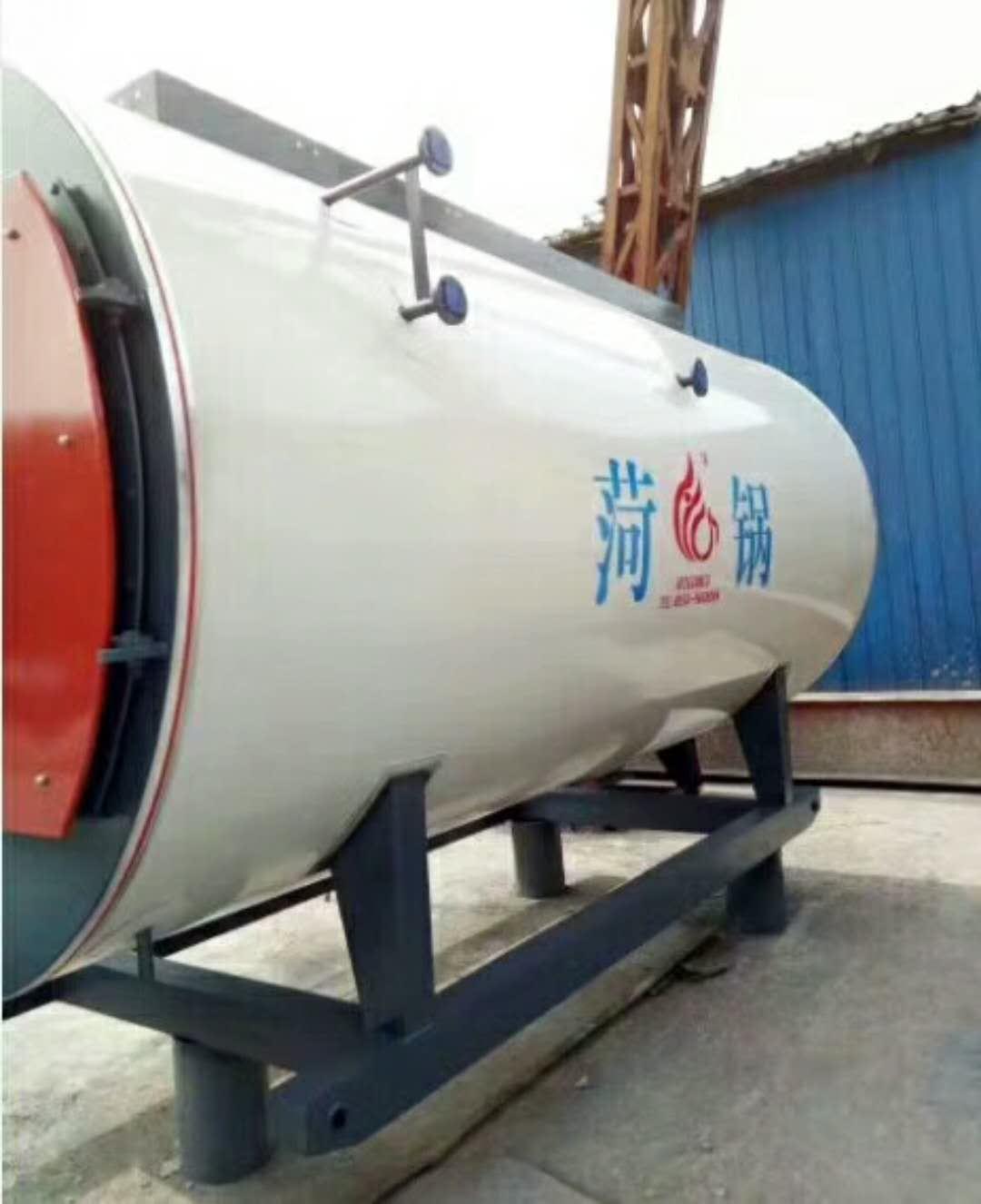

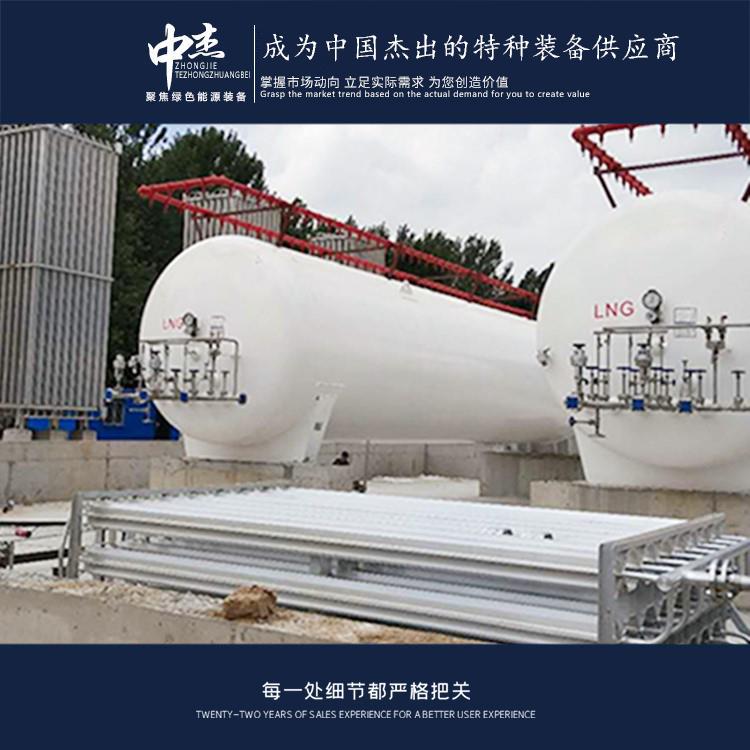
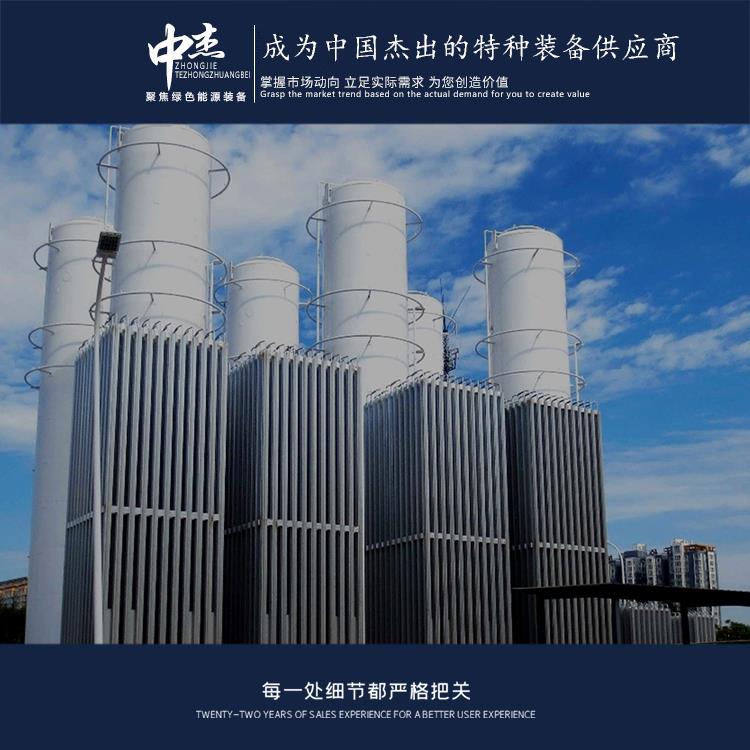


















Shandong Zhongjie Special Equipment (formerly Heze Boiler Factory Co., Ltd.) was established in 2001, located at No. 2218 Jinnan Road, Development Zone, Heze City. With a registered capital of 50 million yuan and total assets of 500 million yuan, the company has 7 business centers: boilers, deep-freeze containers, pressure vessels, central air conditioning, engineering installation, international trade, and Internet of Things. It has three factory sites on Jinnan Road, East Changjiang Road, and Bohai Road, covering a total of 200,000 square meters, with the main workshop spanning 83,000 square meters. It currently employs 710 people, including 247 engineers and technicians and 82 intermediate-level technicians. In December 2016, it was recognized as a "High-Tech Enterprise" by the Science and Technology Department. In June 2021, it was identified as a "Specialized and New Enterprise in Shandong Province" by the Ministry of Industry and Information Technology. In June 2022, it was recognized as a "Gazelle Enterprise in Shandong Province" and in August 2022, it was identified as a "Specialized and New Small Giant Enterprise" by the Ministry of Industry and Information Technology.
Liquid oxygen tanks are used for storing and supplying liquid oxygen as fuel and oxidizer, playing a crucial role in launch propulsion systems and more. Industrial Production: Liquid oxygen is used as an oxidizer in industrial production for processes such as combustion, oxidation, and oxygen supply. Liquid oxygen tanks are used to store and supply liquid oxygen to meet the needs of industrial applications like metal cutting, welding, and chemical reactions. Equipment: Liquid oxygen tanks are used to supply oxygen for applications such as oxygen therapy, oxygen inhalation, and operating rooms. These tanks provide high-purity oxygen while maintaining a low temperature to meet the equipment's oxygen requirements. Laboratory Research: Liquid oxygen tanks are used in scientific research and laboratories to provide liquid oxygen as experimental materials and reagents. The low temperature and high purity of liquid oxygen make it widely applicable in laboratories for fields such as materials science, chemical reactions, and biomedical research. In summary, liquid oxygen tanks are crucial in various fields including industrial production, equipment, and laboratory research, providing storage and supply functions for liquid oxygen at the application sites.
The normal pressure range for liquid oxygen tanks is typically between 2-5 bar. This range refers to the internal oxygen pressure within the tank, which is necessary to maintain the liquid oxygen in its liquid state. The design and manufacture of liquid oxygen tanks must comply with relevant standards and regulations to ensure the tank can safely withstand this pressure range under normal operating conditions. It should be noted that the pressure in liquid oxygen tanks can be affected by various factors, such as the temperature of the liquid oxygen, the tank's design, and materials. In actual use, the normal pressure range of the tank should be determined based on specific tank design and usage requirements, and operations and maintenance should adhere to relevant laws and standards. Additionally, liquid oxygen tanks should be equipped with pressure control devices, such as pressure valves or pressure relief devices, to ensure that the internal pressure remains within a safe range. These devices can automatically release gas when the pressure exceeds the set value, ensuring the safety of the tank. When using liquid oxygen tanks, regular inspection and maintenance of these pressure control devices should be conducted to ensure their proper functioning.
The leak treatment methods for liquid argon storage tanks mainly include the following steps:
Discovering Air Leaks: Air leaks in liquid argon tanks are identified through odors, gas detection instruments, or abnormal pressure in liquid argon storage tanks.
Confirm air leakage location: Use gas detection instruments or foam leak detection agents, etc., to pinpoint the exact location of the air leakage. Inspect tank interfaces, valves, pipe connections, and other areas to locate the air leakage points.
Seal Air Leaks: Take appropriate measures to stop air leaks based on their location. For instance, for leaks at joints, inspect and adjust gaskets or tighten bolts; for valve leaks, check and replace seals.
Isolate Air Leaks: During the process of dealing with air leaks, it is necessary to isolate the leaky areas to ensure personnel safety. Set up warning signs, restrict access to the area, and take necessary protective measures, such as wearing protective masks and gloves.
Emptying liquid argon: If a leak cannot be repaired immediately or the leak rate is high, consider emptying the liquid argon. By gradually reducing the pressure of liquid argon in the storage tank, it can be converted into gas, thereby reducing the risk of leakage.
Ventilation Treatment: During the air leakage treatment, ensure good ventilation and promptly exhaust the gases produced by the evaporation of liquid argon. Natural ventilation or the use of ventilation equipment can be employed to expel the vaporized gases of liquid argon outside.
Safety Assessment and Repairs: After completing the air leak treatment, conduct a safety assessment to ensure the tank's safety. Based on the assessment results, carry out necessary repairs and maintenance to prevent further air leaks.
Note that liquid argon is a low-temperature liquid with a low boiling and freezing point. Caution is required when dealing with air leaks to prevent contact with liquid argon and subsequent cold exposure. When handling air leaks in liquid argon storage tanks, the operation should be performed by personnel and in accordance with relevant safety operating procedures and standards.
The installation of the safety valve in liquid oxygen storage tanks is a crucial component to ensure that the tanks can release pressure in a timely manner during overpressure situations, protecting the tank and related equipment. The following are the steps for installing the safety valve in liquid oxygen storage tanks:
Determine the rated pressure of the safety valve: Based on the design pressure and flow requirements of the liquid oxygen storage tank, select an appropriate safety valve. Ensure the rated pressure of the safety valve meets the tank's specifications and complies with relevant safety standards and regulations.
Valve Installation Location: Select a suitable location for the safety valve installation. Typically, the safety valve should be mounted on the top or side of the liquid oxygen tank to allow for timely pressure release in the event of overpressure.
Preparation for installation interfaces: Prepare the corresponding interfaces based on the connection method of the safety valve. This may include welding interfaces, threaded interfaces, or flange interfaces, etc. Ensure the tightness and firmness of the connections.
Install the safety valve: Mount the safety valve onto the prepared interface. Follow the installation instructions for the safety valve to ensure proper connection and tightening.
Adjustment and Testing: After installation, adjust and test according to the requirements of the safety valve. Ensure that the opening and closing pressures of the safety valve meet the design specifications, and conduct a leakage test to ensure its sealing.
Connect the exhaust pipe: The exhaust pipe of the safety valve should be properly connected to the outlet of the safety valve. The exhaust pipe should have sufficient diameter and flow capacity to ensure effective exhaust of overpressure gas when the safety valve opens.
Identification and Record: Label safety valves and discharge pipes with relevant information such as rated pressure, flow rate, and installation date. Additionally, record the installation details and test results of the safety valves for future reference and maintenance.
When installing the liquid oxygen storage tank safety valve, it is imperative to follow relevant safety regulations and operational guidelines. If lacking in relevant experience and knowledge, it is advisable to seek assistance and guidance from professionals to ensure the correct installation and reliable operation of the safety valve.
Zhong Jie Special Equipment upholds the grand vision of "realizing employees' dreams, creating value for customers, and striving for the prosperity and strength of our motherland," and is dedicated to the development of the green energy equipment industry. We offer society products and services with high cost-performance!
WeChat Official Account

Scan to follow Official Account



















