


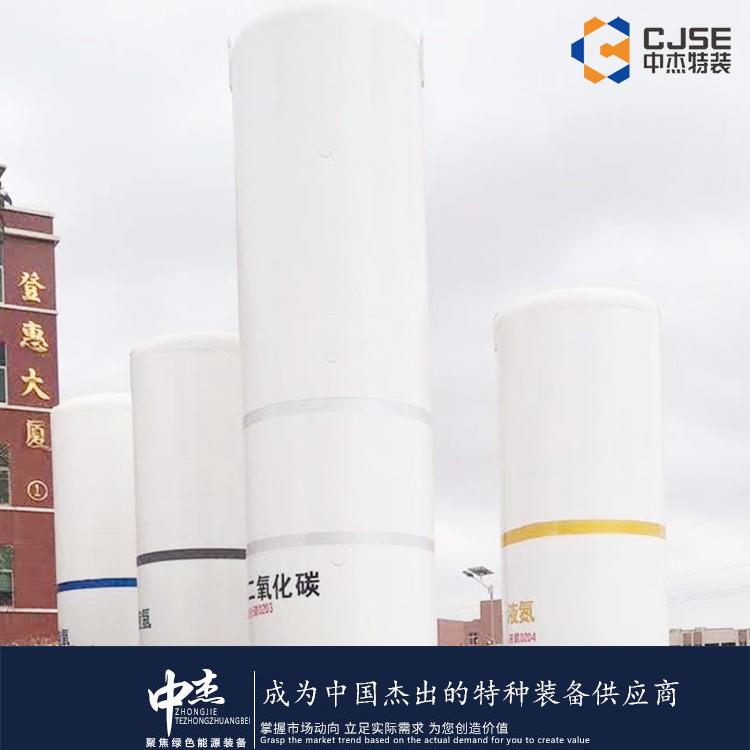

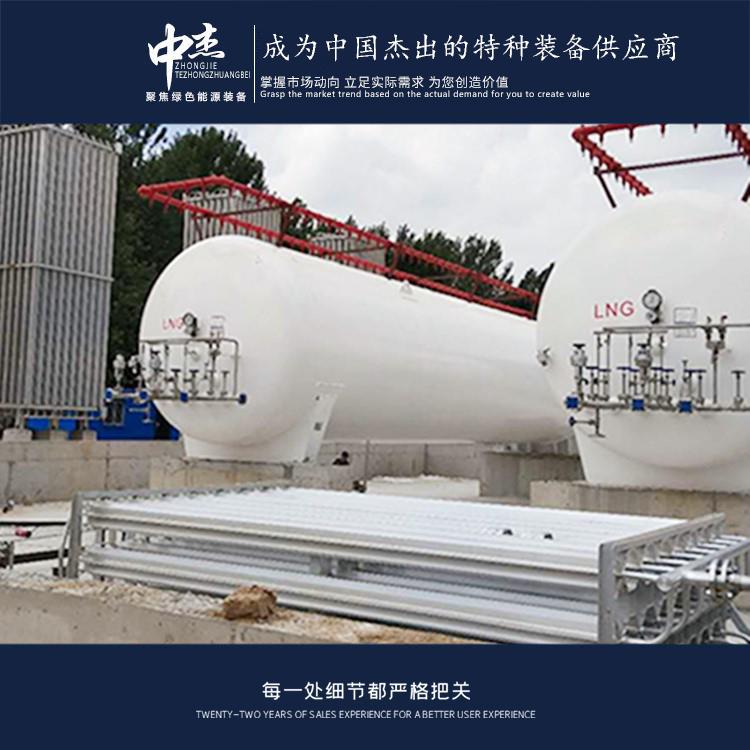
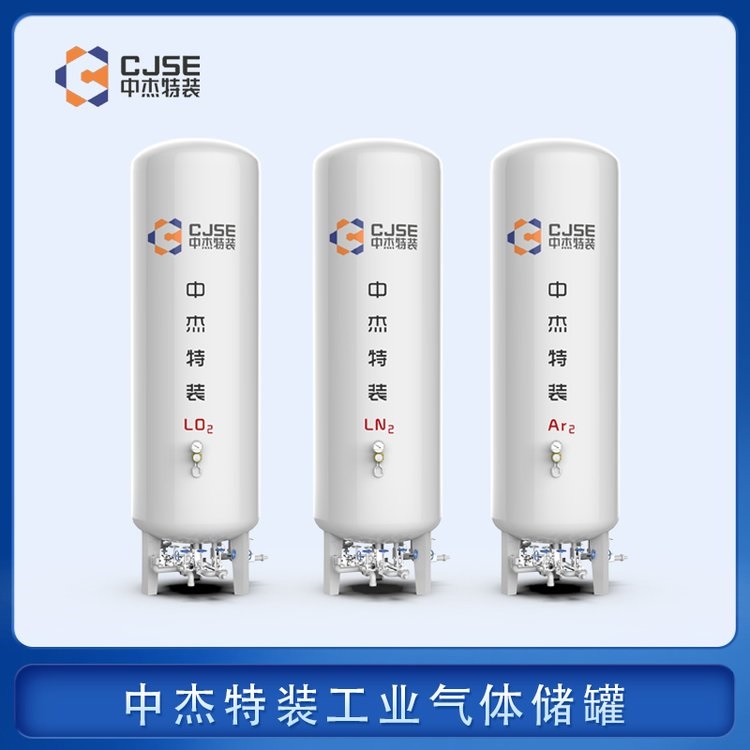


















Shandong Zhongjie Special Equipment Co., Ltd. specializes in the following products: fuel (gas) boilers, organic heat carrier boilers, biomass boilers, waste heat boilers, and other boiler products; vacuum insulation cryogenic pressure vessels such as LNG tanks, oxygen/nitrogen/argon tanks, and CO2 tanks; pressure vessel products including denitrification engineering equipment, heat storage and energy storage equipment, and complete chemical equipment; central air conditioning and ventilation equipment such as ground (water) source heat pumps, air source units, water-cooled screw units, and air-cooled modular units. Planned products include large-scale energy centers, LNG transport vehicles, LNG tank containers, and other green energy equipment.
Safety operation and transportation of liquid oxygen storage tanks should be mindful of the following points:
Safety Usage Methods:
Tanks Selection: Choose liquid oxygen tanks that meet specifications and standards, ensuring their quality and safety performance.
Tank Installation: Tanks should be installed on a solid foundation to ensure stability. Additionally, good ventilation should be maintained around the tank, and it should be kept away from flammable materials and heat sources.
Seal Integrity Inspection: Regularly inspect the storage tank's sealing performance to ensure there are no leakage issues at valve and pipeline connections.
Pressure Control: Tanks should be equipped with pressure gauges and safety valves, with regular inspections and maintenance to ensure pressure remains within safe limits.
Fire Protection Measures: Liquid oxygen contains a high concentration of oxygen and is prone to causing fires. Establish firewalls around the storage tanks, ban smoking and open flames, and ensure safety.
Static Protection: During the transportation and use of liquid oxygen, static electricity may cause sparks, increasing the risk of fire. Measures such as using static-conductive materials and anti-static equipment should be taken to reduce the accumulation and release of static electricity.
Shipping Precautions:
Transportation Tool Selection: Choose a vehicle that meets the transportation requirements for liquid oxygen, ensuring the vehicle's safety and seal integrity.
Loading and unloading: During the transportation of liquid oxygen, the following loading and unloading procedures should be adopted:
The materials used for making liquid oxygen tanks typically need to have excellent low-temperature resistance and corrosion resistance. The following are common materials for constructing liquid oxygen tanks:
Stainless Steel: Commonly used for making liquid oxygen tanks, stainless steel boasts excellent corrosion resistance and mechanical strength. Common stainless steel grades include 304 and 316.
Aluminum Alloy: Aluminum alloys are also commonly used in the manufacturing of liquid oxygen tanks, offering low density and excellent corrosion resistance. Common aluminum alloy materials include 5083 and 6061 aluminum alloys.
Fiberglass Reinforced Plastic (FRP): FRP is a composite material made up of glass fibers and resin. It boasts excellent corrosion resistance and mechanical strength, making it suitable for liquid oxygen storage tanks in some special environments.
Carbon Steel: Carbon steel is a common material for tank fabrication, known for its high strength and corrosion resistance. However, it is prone to oxidation in liquid oxygen environments, necessitating anti-corrosion measures.
It's important to note that the choice of materials for liquid oxygen storage tanks should be determined based on specific application requirements, working conditions, and safety standards. When selecting materials, consider the properties of liquid oxygen and the design requirements of the tank to ensure safety and reliability. Additionally, manufacturers and suppliers often provide material selection recommendations and technical support.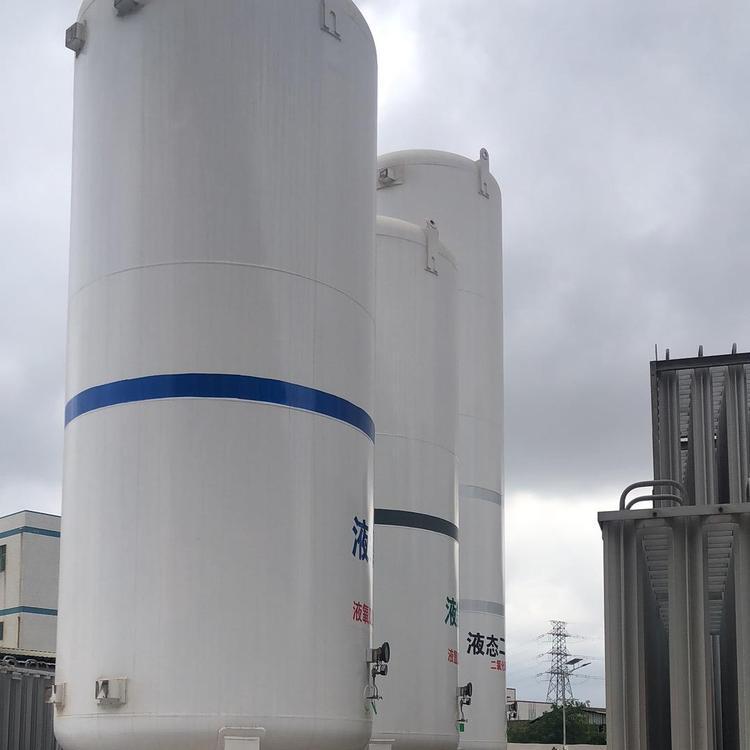
The daily inspection content for liquid nitrogen storage tanks primarily includes the following aspects:
Appearance Inspection: Inspect the tank for any obvious damage, deformation, corrosion, etc., including the tank walls, valves, pipes, and joints.
Sealability Inspection: Verify the sealing performance of the tank, including checking for leaks at valve and pipe connections, and ensuring the tank's exhaust valve and safety valve are functioning properly.
Pressure Check: Verify that the tank's pressure gauge is functioning properly and that the pressure is within the normal range to ensure the tank operates normally.
Level Check: Monitor the liquid nitrogen tank's level to ensure it stays within the normal range, avoiding issues caused by either excessive or insufficient levels.
Insulation Layer Inspection: Verify the integrity of the storage tank's insulation layer, checking for any damage or delamination to ensure effective insulation and minimize evaporation losses of liquid nitrogen.
Leak Inspection: Check for signs of liquid nitrogen leakage around the storage tank, including frost, ice, or liquid nitrogen stains on the ground.
Safety Equipment Inspection: Check that the safety equipment of the storage tank, such as leak detectors, alarm systems, and safety valves, are functioning properly to ensure the tank's safety.
Clean Inspection: Regularly clean the interior of the tank to remove accumulated impurities and dirt, maintaining the tank's cleanliness and hygiene.
The above outlines the daily inspection requirements for liquid nitrogen tanks. The specific inspection details should be adjusted and supplemented based on the tank's model, usage, and relevant regulations. During the inspection process, adhere strictly to the operational procedures and safety requirements to ensure the safe operation of the tank.
During the degreasing process in high vacuum pipelines of low-temperature liquid storage tanks, the following steps can be taken:
Preparation: Ensure the cleanliness and readiness of the defatting equipment and tools. Check the connections and sealing of the pipeline system to ensure there are no leaks.
Pipe Cleaning: Clean the pipes using suitable cleaning agents and tools to remove surface dirt and grease. Methods such as mechanical brushing, high-pressure water jetting, or chemical cleaning can be employed.
De-greasing Process: Select an appropriate de-greaser and inject it into the pipeline system. The de-greaser can be an organic solvent or an alkaline solution, the choice depending on the pipeline material and type of dirt. Ensure the de-greaser thoroughly covers the inner pipeline walls and maintains a certain contact time.
Flushing Pipelines: Drain the degreaser from the pipeline system and flush with clean water to remove any remaining degreaser and dirt. During flushing, high-pressure water or gas can be used for scouring to ensure the interior pipeline walls are clean.
Drying Pipeline: Utilize drying equipment or ventilation systems to evaporate or exhaust moisture within the pipeline, ensuring the interior wall remains dry. Drying can be achieved with hot air or nitrogen.
Inspection and Testing: After degreasing, inspect and test the pipeline to ensure cleanliness and sealing integrity. Visual inspection, pressure testing, or other relevant tests can be conducted.
Be mindful that when descaling high-vacuum pipelines of low-temperature liquid storage tanks, adhere to relevant safety operation procedures and guidelines. Ensure the operators are equipped with the necessary safety awareness and operational skills to prevent accidental incidents.
Zhongjie Special Equipment upholds the grand vision of "realizing employees' dreams, creating value for customers, and striving for the prosperity and strength of our motherland," and is dedicated to the development of the green energy equipment industry. We offer products and services with high cost-performance to contribute to society!
WeChat Official Account

Scan to follow Official Account



















