


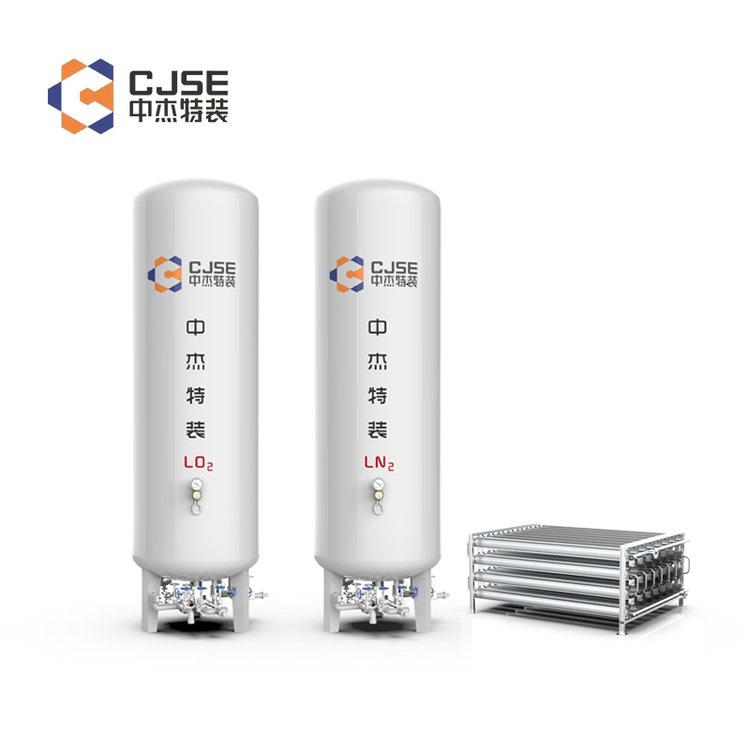

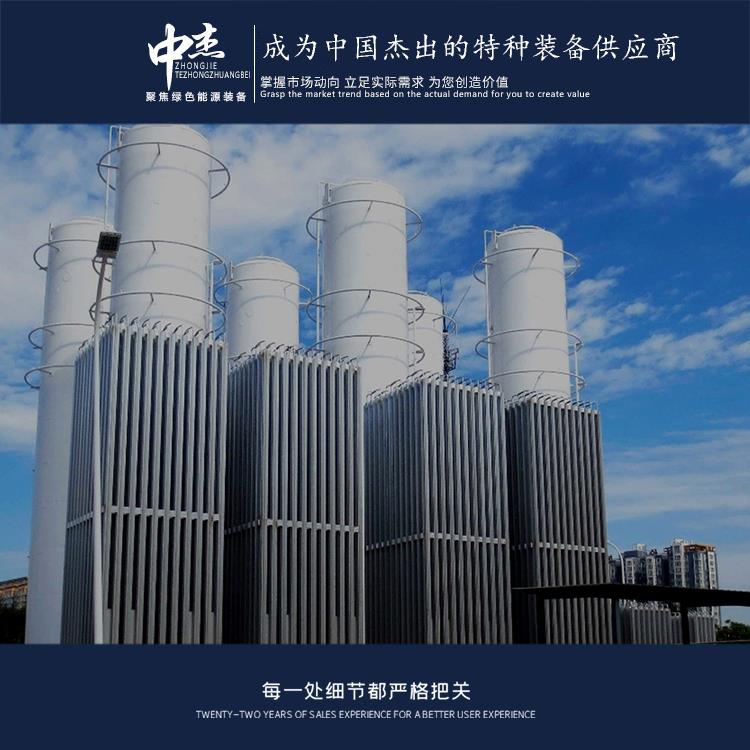
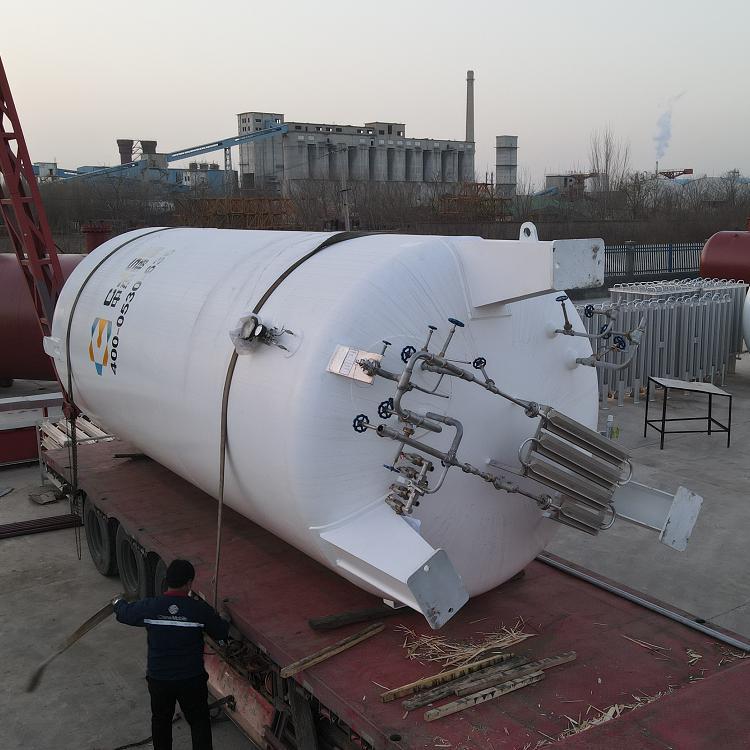


















Shandong Zhongjie Special Equipment's main products include: fuel (gas) boilers, organic heat carrier boilers, biomass boilers, waste heat boilers, and other boiler products; vacuum insulation cryogenic pressure vessels such as LNG tanks, oxygen/nitrogen/argon tanks, CO2 tanks; pressure vessel products like denitrification engineering equipment, heat storage and energy storage equipment, complete chemical equipment sets; central air conditioning and HVAC equipment such as ground (water) source heat pumps, air source units, water-cooled screw units, and air-cooled modular units. Planned products include large-scale energy centers, LNG transport vehicles, LNG tank containers, and other green energy equipment.
CO2 flooding is a commonly used增产 technology to enhance oil recovery in oilfields. It involves injecting CO2 gas into the reservoir to alter its physical and chemical properties, thereby promoting flow and increasing recovery rates. The working principle of CO2 flooding is as follows:
Dissolution Principle: CO2 has a high solubility in oil. When CO2 gas is injected into the reservoir, it dissolves in the oil, reducing its viscosity and surface tension, making it more fluid.
Expulsion Principle: After CO2 gas is injected into the reservoir, it expands to form a gas phase, increasing the internal pressure and pushing the oil towards the wellbore. Additionally, CO2's high permeability can improve the reservoir's permeability, enhancing flowability.
Chemical Reaction Principle: CO2 reacts with certain components in the oil, producing soluble substances that further lower viscosity and improve flowability.
CO2 flooding technology offers certain advantages in oilfield development, such as:
Environmental Friendliness: CO2 is a clean, non-toxic, and renewable gas, and using CO2 flooding can reduce environmental pollution.
Economic Efficiency: CO2 flooding can increase oil recovery rates and production, thus improving economic returns.
Sustainability: CO2 can be separated from air or captured and stored from industrial flue gases, enabling the cyclic use of CO2 and offering sustainability.
It is important to note that the application of CO2 flooding technology requires consideration of reservoir characteristics, geological conditions, and economic feasibility factors. Prior to implementing CO2 flooding, sufficient reservoir evaluation and engineering design must be conducted to ensure the effectiveness and safety of the technology.
Carbon dioxide storage tanks are devices used for storing carbon dioxide gas. They are typically made from high-strength materials with sealing capabilities to prevent the leakage of stored CO2. The design and capacity of the tanks can be adjusted as needed to fit various applications. Carbon dioxide storage tanks are widely used across various industries, including industrial production, food processing, and more. In the industrial sector, they are commonly used to store and supply CO2 gas for processes like welding, gas shielding, and fire extinguishing. In the food processing industry, they can be used to produce carbonated beverages and frozen foods. In the medical field, they are utilized to manufacture medical gases such as breathing gases and anesthetic gases. The development and manufacturing of carbon dioxide storage tanks involve multiple manufacturers and technologies. Different companies may employ various designs and manufacturing processes to meet different user requirements. Additionally, safety standards and regulations must be adhered to ensure the safe operation and use of the tanks.
For accessories of CO2 storage tanks, such as valves, pipes, and pressure relief devices, maintenance and protection are crucial. Here are some suggestions:
Regular Inspections: Regularly check the appearance and operational status of the accessories to ensure no damage, loose parts, or leaks. Pay special attention to the sealing performance and operational flexibility of valves.
Cleaning and Maintenance: Regularly clean the accessories to remove dirt and impurities on the surface. Use appropriate cleaning agents and tools, avoiding corrosive substances.
Lubrication Maintenance: For accessories requiring lubrication, such as the pistons and valve stems of valves, perform regular lubrication maintenance. Use the appropriate lubricant to ensure the normal operation and sealing performance of the valves.
Sealing Inspection: Regularly check the sealing performance of the accessories, such as the sealing rings and sealing surfaces of valves. Replace any damaged or aged sealing parts promptly.
Corrosion Protection: For accessories prone to corrosion, such as pipes and valves, take anti-corrosion measures, such as applying anti-corrosion coatings or wrapping with anti-corrosion materials.
Regular Calibration: Regularly calibrate measuring equipment such as level sensors and pressure sensors to ensure accuracy and reliability.
Regular Maintenance: Develop a regular maintenance plan based on the usage and requirements of the accessories, including cleaning, lubrication, and repairs. Ensure the long-term stable operation of the accessories.
Storage and Transportation Precautions: For spare parts or accessories that need replacement, pay attention to moisture-proof, shockproof, and damage-proof during storage and transportation to avoid affecting their normal use.
The above suggestions are for the maintenance and protection of CO2 storage tank accessories. Specific operations should be based on the characteristics and requirements of the accessories and follow relevant procedures.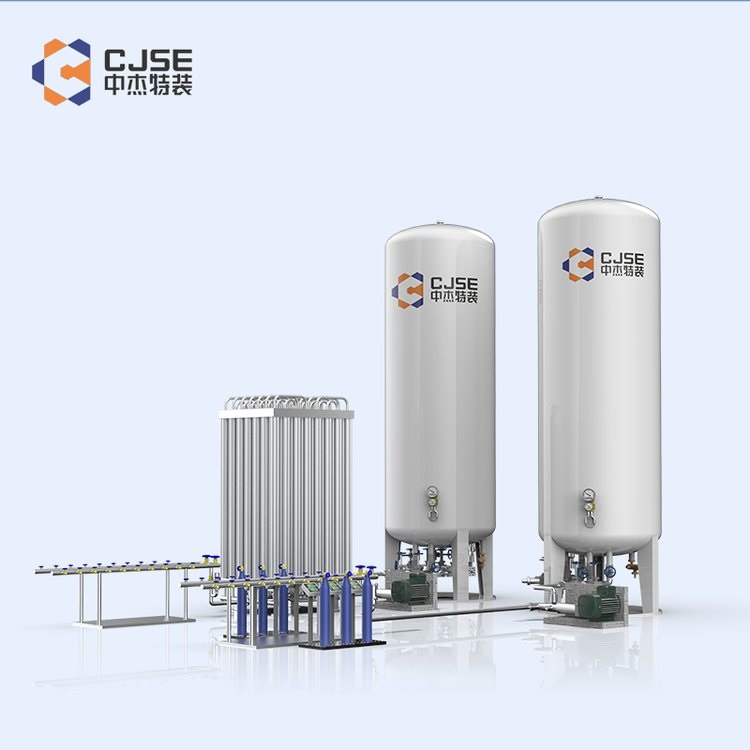
Carbon dioxide tanks are widely used in many industries. Here are some common sectors with examples of carbon dioxide tank usage:
- Beverage and Food Industry: Carbon dioxide is used as a carbonating agent for beverages and food, in the production of sodas, beers, soft drinks, etc. Tanks are used for storing and supplying carbon dioxide to meet production line demands.
- Industry: Carbon dioxide has various applications in the industry, such as anesthesia, respiration, tissue freezing, etc. Tanks are used for storing and supplying medical-grade carbon dioxide to meet facility needs.
- Fire Extinguishing: Carbon dioxide is extensively used in fire suppression systems, particularly in extinguishing electrical and sensitive equipment. Tanks are used for storing and supplying carbon dioxide for fire extinguishing purposes.
- Gas Industry: Carbon dioxide is also a significant product in the gas industry, used in the production of chemicals, metal processing, welding, gas shielding, etc. Tanks are used for storing and supplying industrial-grade carbon dioxide.
- Greenhouse Agriculture: Carbon dioxide can be used to promote plant growth in greenhouses, providing additional carbon dioxide concentration. Tanks are used to supply the required carbon dioxide for greenhouses.
- Automotive Industry: Carbon dioxide is used for tire inflation and airbag systems in cars. Tanks are used for storing and supplying carbon dioxide to meet the needs of car manufacturing and maintenance.
These are just some common industry examples. In reality, carbon dioxide tanks are also widely used in many other sectors, such as chemicals and frozen food. Specific applications may vary depending on industry needs and scenarios.
Shandong Zhongjie Special Equipment, welcome customers to visit our factory for business discussions.
WeChat Official Account

Scan to follow Official Account



















