


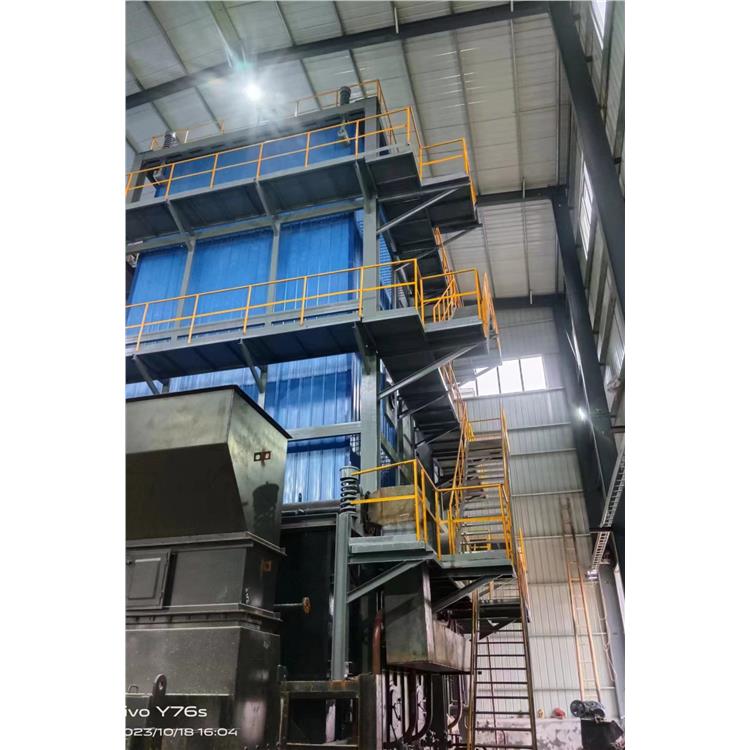

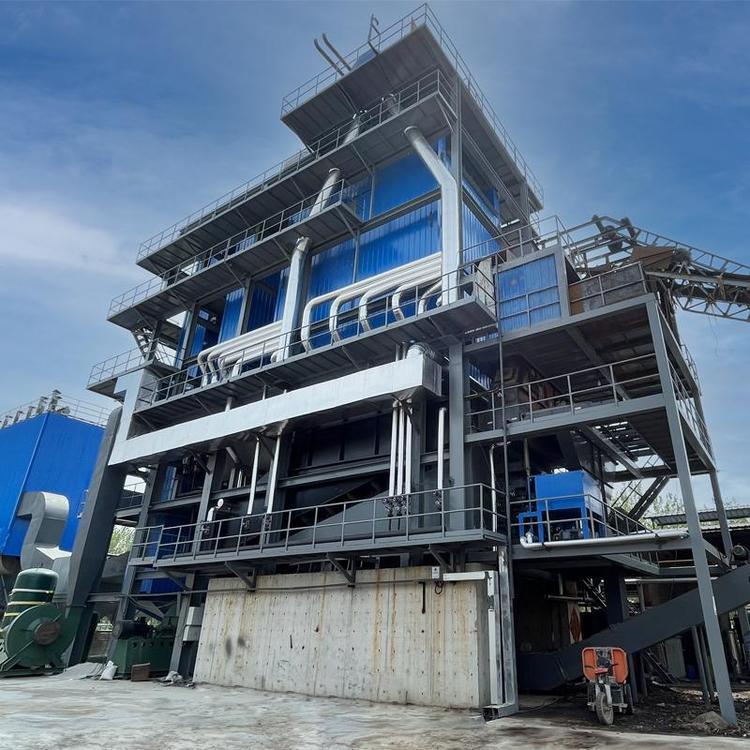
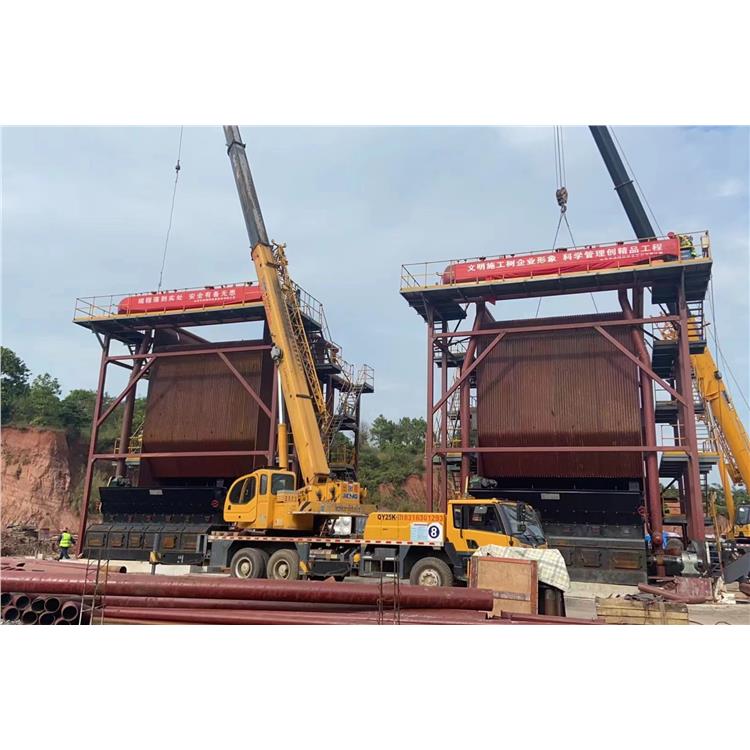


















Shandong Zhongjie Special Equipment specializes in: fuel (gas) boilers, organic heat carrier boilers, biomass boilers, waste heat recovery boilers, and other boiler products; vacuum insulated cryogenic pressure vessels such as LNG storage tanks, oxygen/nitrogen/argon storage tanks, CO2 storage tanks; pressure vessel products including denitrification engineering equipment, heat storage and energy storage equipment, complete chemical equipment sets; central air conditioning and HVAC equipment such as ground (water) source heat pumps, air source units, water-cooled screw units, and air-cooled modular units. Planned products include large-scale energy centers, LNG transport vehicles, LNG tank containers, and other green energy equipment.
Biomass boilers possess the following characteristics:
Fuel adaptable: Biomass boilers can utilize various biomass fuels such as wood chips, straw, etc., demonstrating strong fuel adaptability.
High combustion efficiency: The biomass boiler's combustion technology and equipment enable a combustion process that enhances efficiency.
Eco-friendly & Low Carbon: The carbon dioxide produced during biomass combustion can be absorbed by plants, forming a cycle and reducing the burden on the atmosphere. Moreover, emissions and pollutants during biomass combustion are relatively low, resulting in minimal environmental impact.
Heat Recovery Utilization: Biomass boilers transfer the heat energy generated from combustion to water or other working substances through heat exchangers, achieving heat recovery and utilization, and improving energy efficiency.
Versatility: Biomass boilers are not only used for heating but also for hot water supply and industrial heating in various applications.
Biomass boiler efficiency is influenced by various factors, including fuel quality, the design and adjustment of the combustion equipment, and the effectiveness of flue gas purification systems. Generally, biomass boiler efficiency can reach over 70%, and some biomass boilers can even exceed 80%. Improving efficiency can be achieved by optimizing the combustion process, enhancing the heat transfer efficiency of heat exchangers, and reducing flue gas emissions losses. Additionally, proper operation and maintenance play a crucial role in boosting efficiency.
Biomass boilers can generally be divided into two categories based on their applications:
Biomass Hot Water Boilers: Biomass hot water boilers are primarily used for heating and hot water supply. They transfer heat energy to water by burning biomass fuel, producing hot water. This type of boiler is widely used in heating and hot water systems in residential, office buildings, schools, hotels, and other locations.
Biomass Steam Boilers: Biomass steam boilers are primarily used for steam supply in industrial production processes. They generate high-pressure steam at high temperatures by burning biomass fuel, which is utilized to power machinery, heating, and processing in various industrial applications. This type of boiler is commonly found in industries such as pulp and paper, food processing, and chemical manufacturing.
These two types of biomass boilers differ in principle and design, catering to different application scenarios. Whether for hot water or steam boilers, they both utilize the heat energy from biomass fuel, achieving the use of renewable energy resources and featuring environmental protection and energy conservation.
The fully automatic biomass boiler features the following characteristics:
Automated Control: The fully automatic biomass boiler is equipped with an automated control system that enables automatic ignition, fuel supply, and automatic adjustment of combustion parameters. Through the coordination of sensors and controllers, intelligent control of the boiler and monitoring of its operating status are achieved.
Energy-saving: The fully automatic biomass boiler utilizes advanced combustion technology and heat recovery techniques to maximize the thermal energy of biomass fuel, enhancing energy efficiency. Additionally, the automated control system can intelligently adjust to actual needs, reducing energy waste.
Low Emission and Environmental Friendly: The combustion process of fully automatic biomass boilers produces relatively low levels of pollutants. Through reasonable combustion adjustment and supplementary pollution control equipment, such as dust collectors and nitrogen oxide control devices, the emission of pollutants like particulates and nitrogen oxides in flue gas can be further reduced.
Multiple Fuel Adaptability: The fully automatic biomass boiler boasts strong fuel adaptability, capable of using various biomass fuels such as wood chips, straw, wheat straw, fruit shells, etc. This allows for the selection of the appropriate fuel based on actual conditions, enhancing flexibility and sustainability.
Safety and Reliability: Our fully automatic biomass boilers are designed and manufactured with safety and reliability in mind, featuring multiple safety protection devices such as overheat protection, pressure protection, and burner failure protection. Additionally, the automated control system can monitor and alarm in real-time, ensuring the safe operation of the boiler.
Overall, fully automatic biomass boilers feature automated control, energy-saving, environmental protection with low emissions, versatility in fuel types, and safety and reliability.
To prevent high-temperature corrosion in biomass boilers, the following measures can be taken:
Select appropriate materials: Choose corrosion-resistant metal materials such as stainless steel and heat-resistant steel for boiler components. These materials offer excellent corrosion resistance and can maintain stability in high-temperature and corrosive environments.
Control combustion conditions: Reasonably control the parameters such as temperature, oxygen content, and combustion rate of biomass combustion to avoid excessive temperatures and oxygen levels, thereby reducing corrosion.
Pre-treatment fuel before combustion: Pre-process biomass fuel by methods such as drying, screening, and decontamination to reduce ash content and salt in the fuel, thereby minimizing the risk of corrosion.
Regulate acidic substances in flue gas: By adding corrosion inhibitors or flue gas treatment equipment, control the content of acidic substances in flue gas, and reduce the corrosive effect on metal surfaces.
Regular Cleaning and Maintenance: Regularly clean the internal soot and dirt in the boiler to keep it clean. During the cleaning process, use appropriate cleaning agents and tools to remove internal dirt from the boiler, preventing corrosion.
Regular inspections and maintenance: Regularly inspect and maintain biomass boilers to promptly identify and address corrosion issues. Delegate maintenance personnel for regular inspections and maintenance tasks.
Shandong Zhongjie Special Equipment, welcome customers to our factory for cooperation discussions.
WeChat Official Account

Scan to follow Official Account



















