


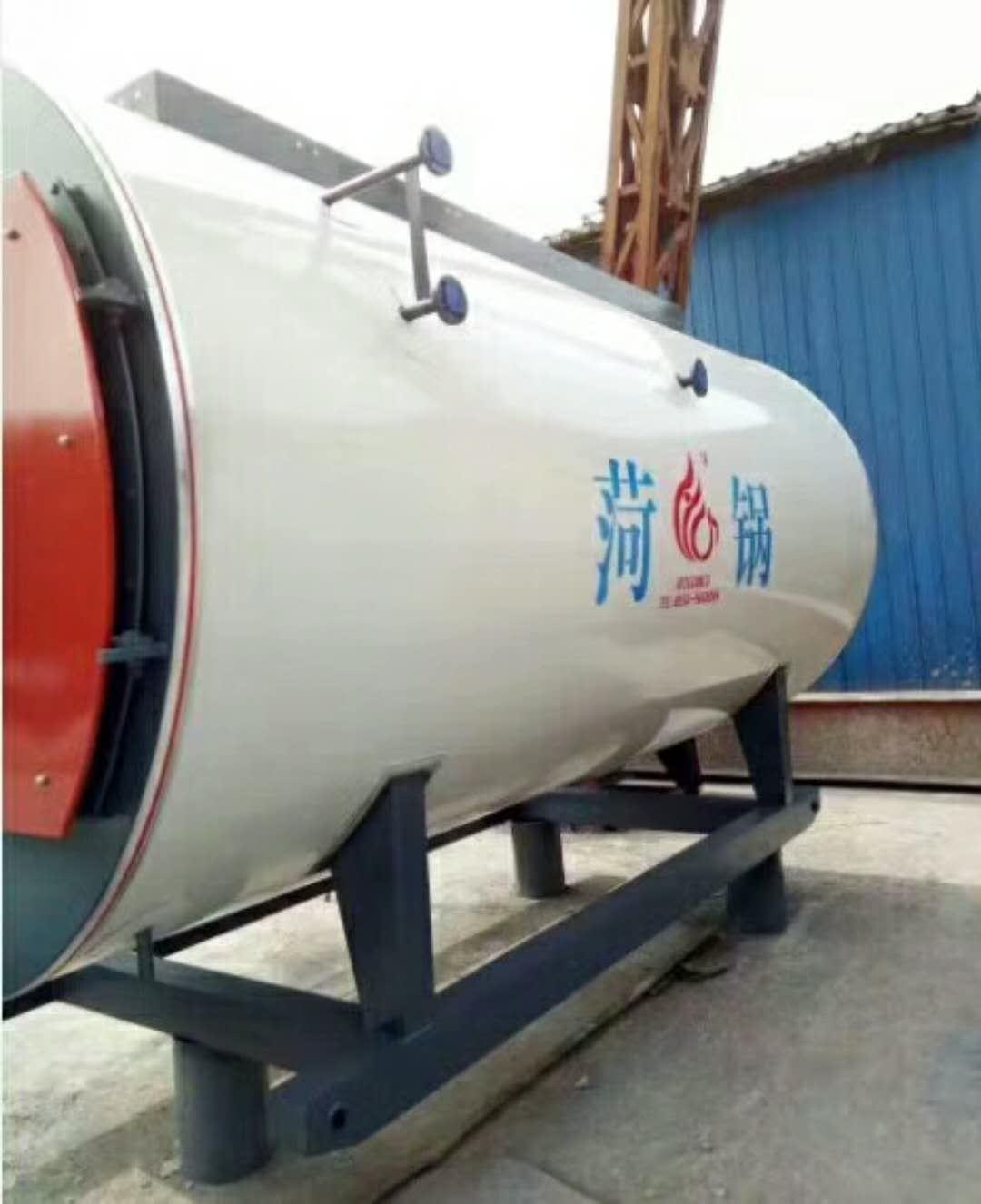

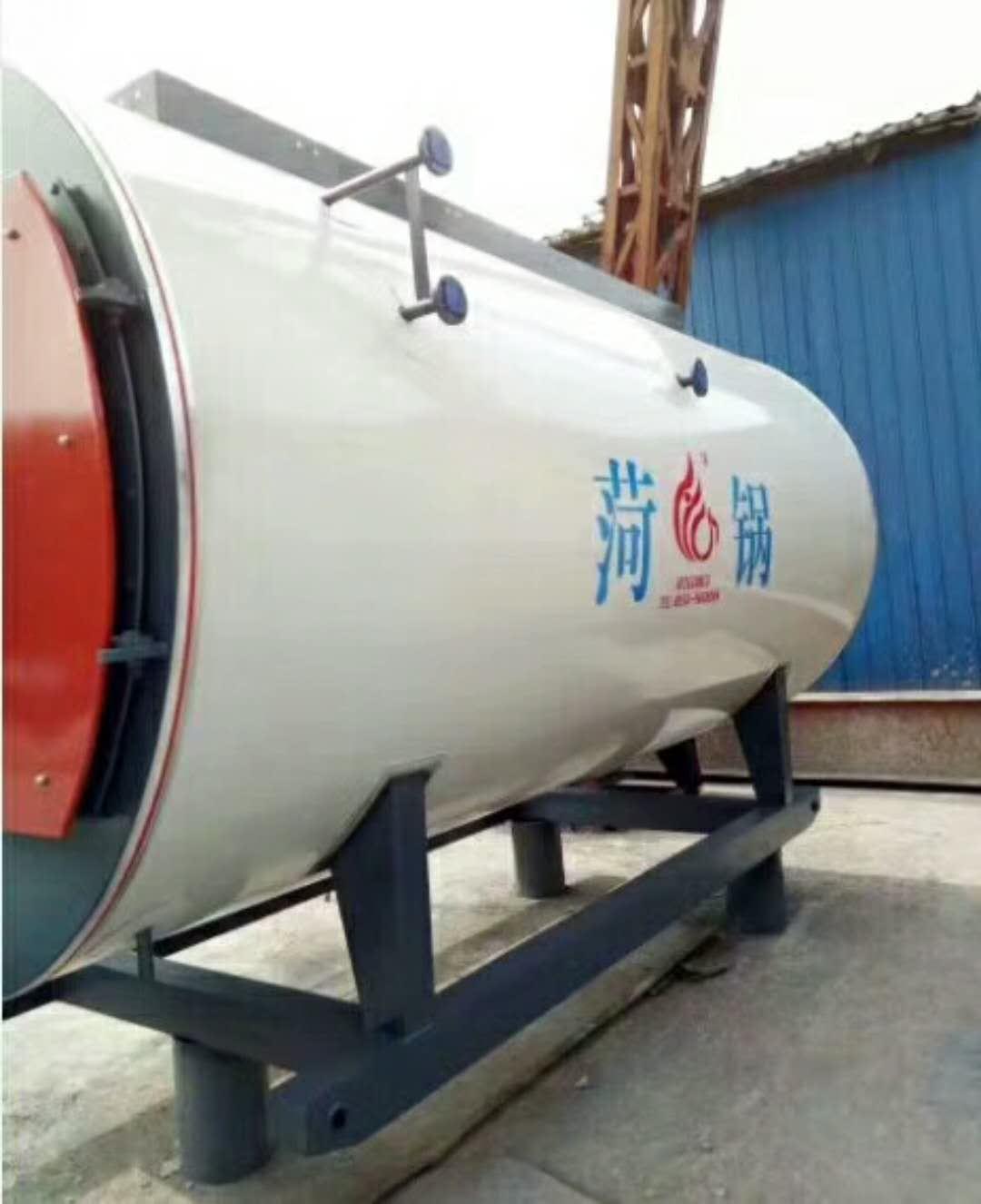


















Shandong Zhongjie Special Equipment (formerly Heze Boiler Factory Co., Ltd.) was established in 2001, located at No. 2218 Jinnan Road, Development Zone, Heze City, with a registered capital of 50 million yuan and total assets of 500 million yuan. The company has 7 business centers: boilers, deep-freeze containers, pressure vessels, central air conditioning, engineering installation, international trade, and Internet of Things. It has three factory sites on Jinnan Road, East Changjiang Road, and Bohai Road, covering a total of 200,000 square meters, with the main workshop spanning 83,000 square meters. It currently employs 710 people, including 247 engineers and technicians and 82 intermediate-level technicians. In December 2016, it was recognized as a "High-tech Enterprise" by the Science and Technology Department. In June 2021, it was identified as a "Specialized and New Enterprise in Shandong Province" by the Ministry of Industry and Information Technology. In June 2022, it was recognized as a "Gazelle Enterprise in Shandong Province" and in August 2022, it was identified as a "Specialized and New Small Giant Enterprise" by the Ministry of Industry and Information Technology.
Key measures to ensure the quality of CO2 storage tanks include the following aspects: Selecting qualified suppliers: Choose suppliers with good reputation and experience, ensuring that the tanks they provide meet relevant quality standards and regulations. This can be achieved by evaluating supplier qualifications, referring to customer reviews, and conducting on-site inspections to select the right supplier. Strict quality control: Implement strict quality control measures during the manufacturing process of the tanks. This includes selecting and inspecting raw materials, controlling production processes, monitoring process parameters, and conducting product testing and inspections to ensure the tanks meet quality requirements. Compliance with standards and regulations: The design, manufacturing, and installation of the tanks should comply with relevant standards and regulations, such as industry standards and regulations. These standards and regulations cover aspects such as structural design, material selection, welding processes, corrosion protection measures, safety valves, and configuration of pressure sensors. Regular inspections and maintenance: Tanks should undergo regular inspections and maintenance during use to ensure safety and reliability. This includes checking the tank's appearance, seals, valves, and pipe connections, conducting pressure tests and leak detections regularly, and addressing any abnormal situations promptly. Establishing a quality management system: Establish a comprehensive quality management system, including quality control processes, document records, quality training, and internal audits. By establishing a quality management system, the quality control and continuous improvement of the tanks can be ensured. Third-party testing and certification: Delegate tank testing and certification to third-party institutions to verify quality and compliance. Third-party testing and certification agencies typically possess independence and impartiality, providing objective evaluation and certification results. By implementing these measures, the quality of CO2 storage tanks can be effectively ensured, enhancing their safety and reliability.
Carbon dioxide storage tanks offer the following advantages:
- High Storage Density: These tanks can compress carbon dioxide gas into a liquid state, significantly increasing storage density. Compared to storing it in a gaseous state, liquid carbon dioxide can be stored in smaller tanks, saving space and costs.
- Environmental and Renewable: Carbon dioxide is an eco-friendly gas, and its increased concentration in the atmosphere contributes to warming and climate change. By storing and utilizing carbon dioxide, we can reduce its emissions into the atmosphere, promoting environmental protection and sustainable development.
- Multiple Application Areas: Carbon dioxide storage tanks are widely used in various fields, including the food and beverage industry, manufacturing, fire suppression, and gas supply. Carbon dioxide serves as a preservative, beverage effervescent agent, gas, and extinguishing agent, with a broad range of uses and market demand.
- Safe and Reliable: During design and manufacturing, these tanks typically use high-strength materials (such as carbon steel or stainless steel) for excellent pressure resistance and safety. They are usually equipped with safety valves, pressure gauges, level indicators, and other accessories to ensure safe operation. Additionally, carbon dioxide is non-flammable and non-explosive, making it relatively safe.
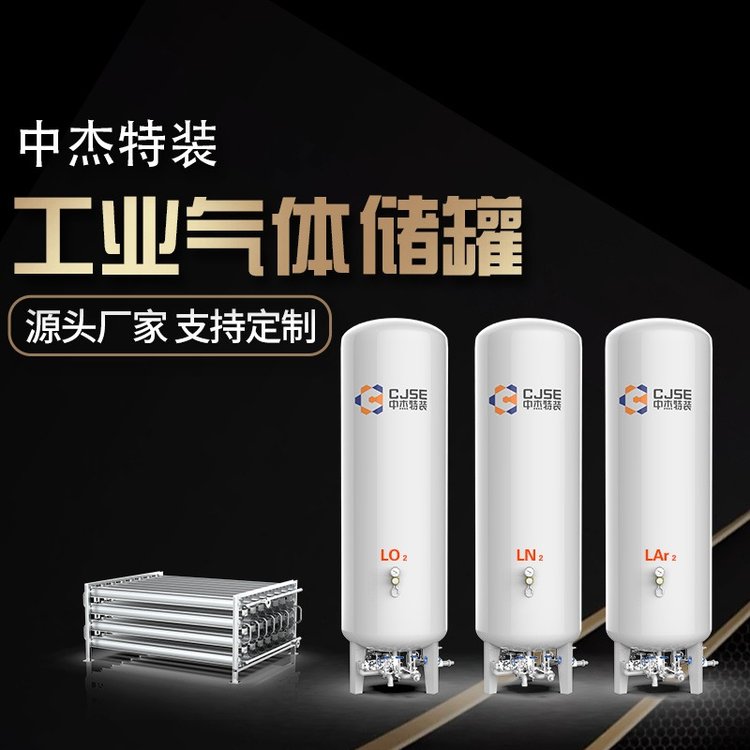
These advantages make carbon dioxide storage tanks a crucial storage and supply equipment, widely used in multiple industries. However, it is essential to follow relevant safety operation procedures and standards when using carbon dioxide storage tanks to ensure their safe operation and usage.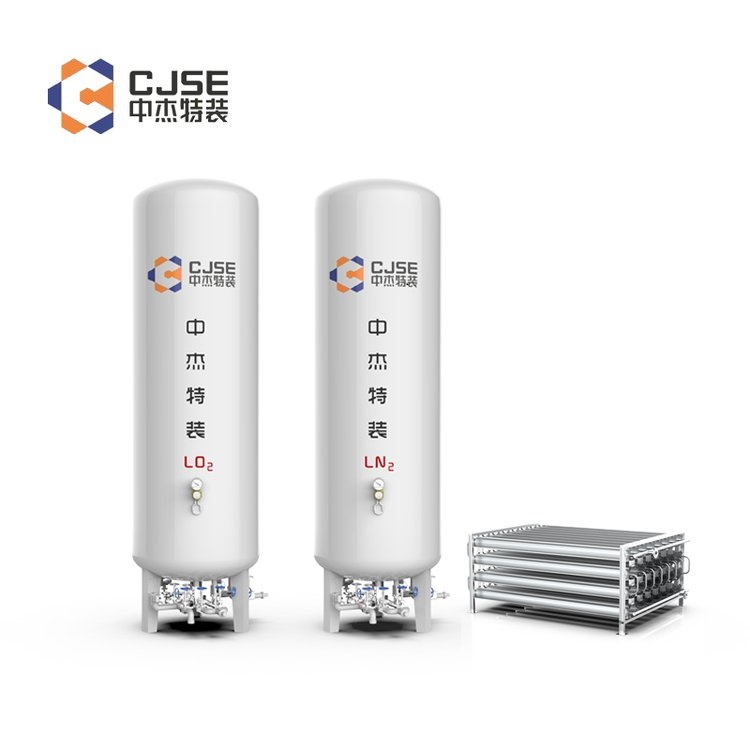
二氧化碳储罐在使用过程中可能会遇到一些常见问题,需要进行维修和处理。以下是一些常见的问题和相应的维修方法: 泄漏问题:储罐可能出现泄漏,导致二氧化碳的损失和安全隐患。维修方法包括检查和更换密封件、修复或更换泄漏的管道和阀门等。 腐蚀问题:储罐的外壁和内壁可能会受到腐蚀,影响储罐的结构和安全性。维修方法包括清洗和修复腐蚀部位,涂覆防腐涂层,或者更换受损的部件。 压力问题:储罐的压力可能出现异常,过高或过低,影响储罐的正常运行。维修方法包括检查和调整压力控制系统,修复或更换压力传感器、安全阀等。 温度问题:储罐的温度可能出现异常,过高或过低,影响二氧化碳的储存和使用。维修方法包括检查和调整温度控制系统,修复或更换温度传感器、冷却设备等。 控制系统问题:储罐的控制系统可能出现故障,导致无常控制和监测储罐的运行状态。维修方法包括检查和修复控制系统的电气元件、传感器、仪表等。 需要注意的是,对于二氧化碳储罐的维修和处理,应由的技术人员进行操作,并遵循相关的安全操作规程和标准。在维修过程中,应确保储罐的安全性和稳定性,以及维修过程的安全性。好咨询工程师或储罐制造商的建议和指导。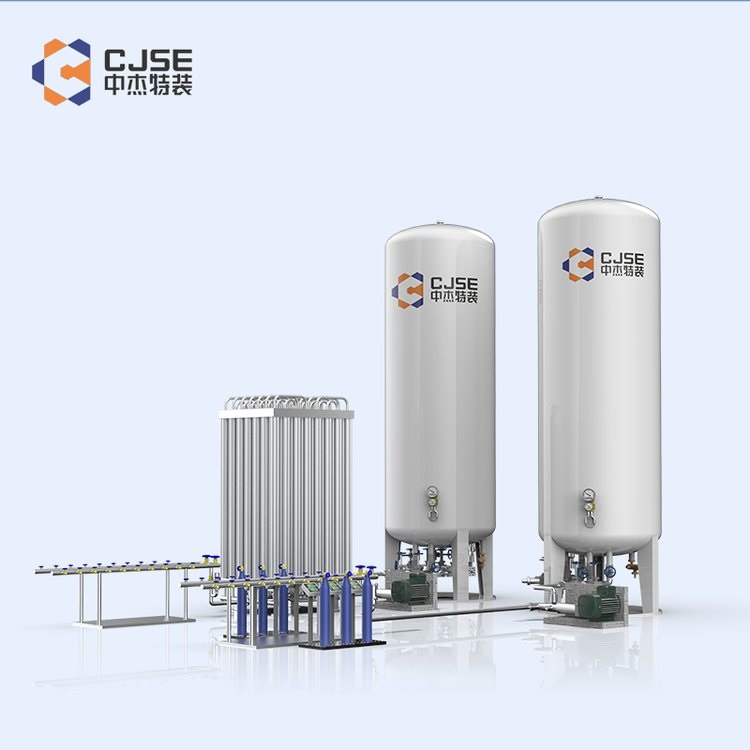
The primary reason for pre-cooling a carbon dioxide tank before use is to ensure that the carbon dioxide inside the tank remains in a liquid state and maintains a stable temperature during storage and supply. The pre-cooling process typically includes the following steps:
Tank Cooling: Before the tank is put into operation, it needs to be cooled to a sufficiently low temperature to convert the carbon dioxide from a gaseous to a liquid state. This can be achieved by injecting a cooling medium (such as liquid nitrogen) into the tank or by using an external cooling device.
Tank Pre-filling: After the tank has been cooled, liquid carbon dioxide needs to be pre-filled into the tank to fill it and maintain a certain pressure. The purpose of pre-filling is to provide sufficient carbon dioxide supply during storage and supply and to keep the tank pressure stable.
By pre-cooling, the liquid state of carbon dioxide in the tank can be ensured, preventing premature evaporation and energy loss. Moreover, pre-cooling helps to lower the tank temperature in advance, reducing carbon dioxide evaporation and pressure fluctuations, thereby improving the tank's operational efficiency and safety.
It is important to note that the specific methods and requirements for pre-cooling may vary due to different tank designs and usage scenarios. When performing pre-cooling operations, it is necessary to follow relevant safety operation procedures and standards to ensure the safety and effectiveness of the operation.
Zhongjie Special Equipment upholds the grand vision of "realizing employees' dreams, creating value for customers, and striving for the prosperity and strength of our motherland," and is dedicated to the development of the green energy equipment industry. We commit to society with high-quality products and services at competitive prices!
WeChat Official Account

Scan to follow Official Account



















