


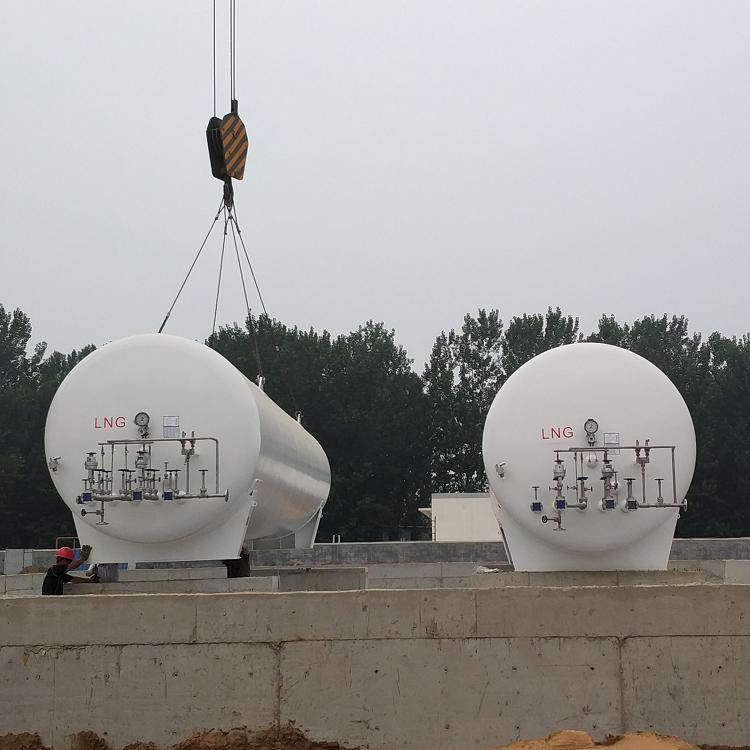

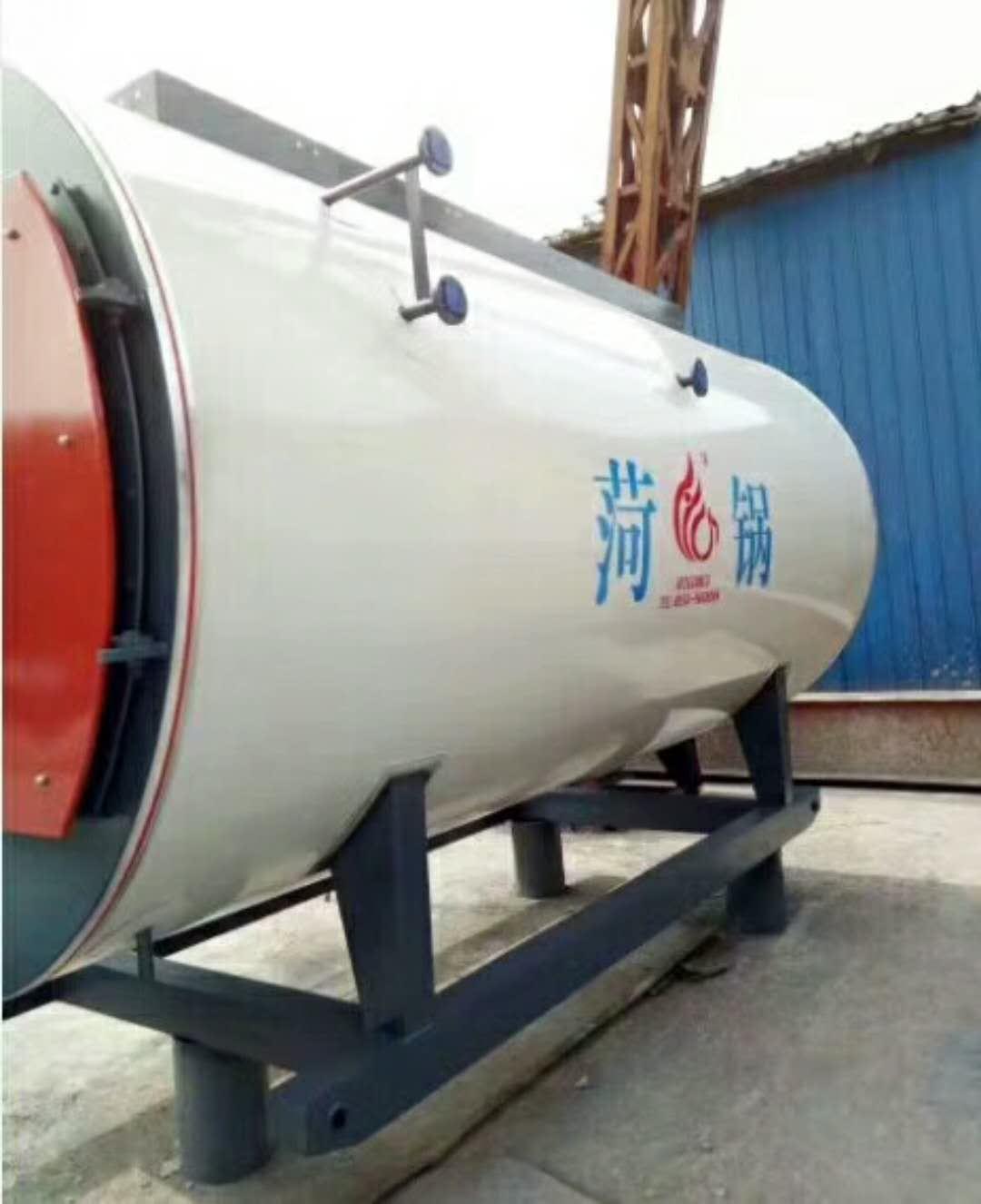
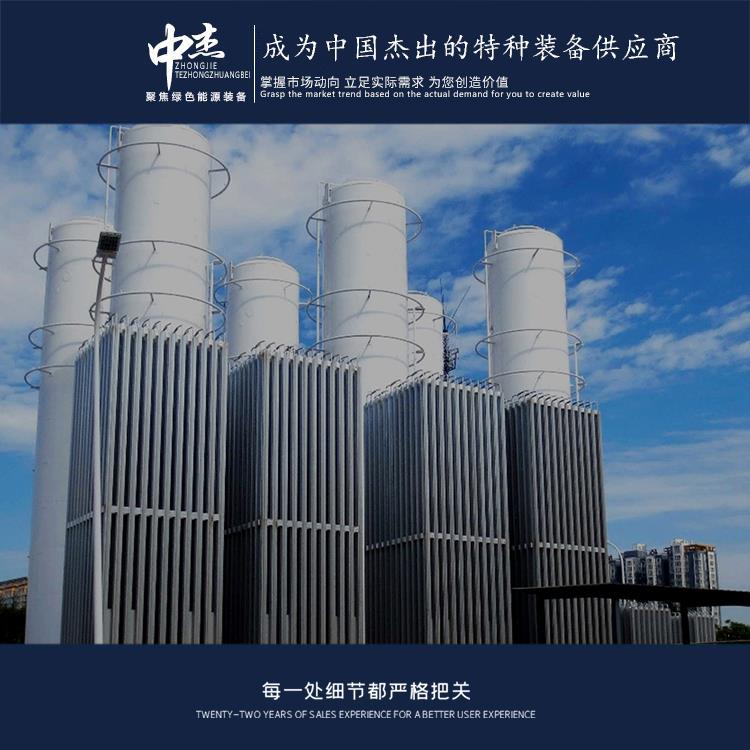


















Shandong Zhongjie Special Equipment's main products include: fuel (gas) boilers, organic heat carrier boilers, biomass boilers, waste heat boilers, and other boiler products; vacuum insulation cryogenic pressure vessels such as LNG tanks, oxygen/nitrogen/argon tanks, CO2 tanks; pressure vessel products like denitrification engineering equipment, heat storage and energy storage equipment, and complete chemical equipment; central air conditioning and HVAC equipment such as ground (water) source heat pumps, air source units, water-cooled screw units, and air-cooled modular units. Planned products include large-scale energy centers, LNG transport vehicles, LNG tank containers, and other green energy equipment.
During the operation of low-temperature storage tanks, it is indeed necessary to avoid the occurrence of wrinkling. Wrinkling refers to the phenomenon where the tank wall develops creases or deformations, which may lead to a decrease in the structural integrity of the tank, potentially causing leaks or even ruptures.
Here are some precautions to avoid tank squeezing in low-temperature storage:
Tank Design: Select an appropriate tank design that can withstand the pressure and weight of low-temperature liquids. The tank's wall thickness, support structure, etc., should comply with relevant standards and specifications.
Material Selection: Choose materials suitable for low-temperature environments with adequate strength and low-temperature resistance. Common materials include low-temperature steel, stainless steel, etc.
Insulation Layer for Storage Tanks: The design and construction of the insulation layer must meet requirements to ensure effective reduction of heat conduction and temperature variation. The material and thickness of the insulation layer should be selected based on specific conditions.
Tank Operation: During the loading and unloading of liquids in the tank, it is essential to avoid rapid or excessive liquid flow to minimize impact and stress concentration on the tank walls.
Tank Maintenance: Regularly inspect and maintain the structure and insulation of the tanks to ensure they remain intact. Any abnormalities or damage should be promptly repaired or replaced.
Temperature Control: During the operation of low-temperature liquid storage tanks, it is essential to strictly control the temperature difference between the inside and outside of the tank to avoid excessive temperature fluctuations and thermal stress.
In summary, preventing tank crushing in low-temperature storage hinges on rational design, material selection, insulation installation and maintenance, and strict control of temperature variations. Regular inspections and maintenance are crucial for ensuring safe tank operation.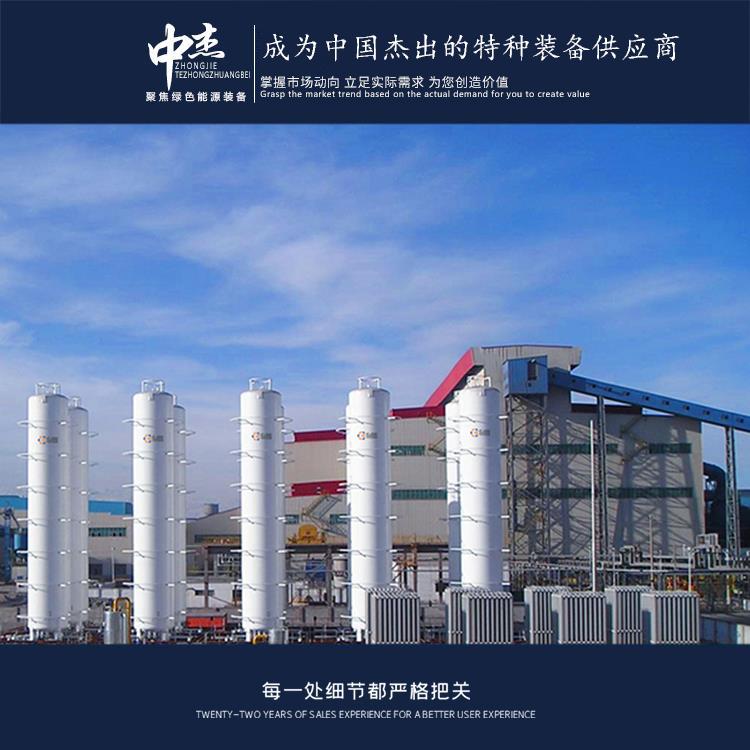
The stable pressure design of a 15-cubic-meter liquid argon tank requires consideration of the following aspects:
Storage Tank Pressure: Determine the design pressure of the storage tank to meet the storage and supply requirements of liquid argon. Establish an appropriate design pressure range based on the characteristics and operating conditions of liquid argon.
Pressure Regulation System: Choose an appropriate pressure regulation system to maintain stable pressure within the storage tank. The system typically includes components such as pressure regulators, pressure sensors, and control valves, which are used to monitor and adjust the pressure inside the tank.
Pressure Sensors: Install pressure sensors to monitor the pressure changes within the storage tank in real-time. The sensors transmit pressure signals to the voltage stabilization system, enabling timely adjustment of the control valve's opening to maintain stable pressure inside the tank.
Control Valve: Select an appropriate control valve for regulating the gas flow and pressure within the storage tank. The control valve should have excellent regulating performance and stability to ensure the pressure within the tank stays within the set range.
Safety Valve: Install a safety valve to automatically release gas when the pressure inside the storage tank exceeds the set value, preventing overpressure. The safety valve should be selected and installed based on the design pressure and capacity of the storage tank.
Voltage Regulation System Control: Configure an appropriate control system to monitor and manage the operation of the voltage regulation system. The control system enables automatic adjustments and alarm functions to ensure stable and safe pressure within the storage tank.
It's important to note that the design of the voltage regulation system should be tailored to the specific engineering requirements and operating conditions of the liquid argon storage tank, adhering to relevant local laws, regulations, and standards. When designing and installing the voltage regulation system, it is recommended to consult with a qualified engineer or seek guidance from relevant institutions to ensure the reliability and safety of the system.
The maintenance and protection of liquid argon cylinder accessories are crucial for ensuring the normal operation and extending the service life of the cylinders. The following are general methods for the maintenance and protection of liquid argon cylinder accessories:
Valve Maintenance: Regularly inspect and maintain valves within tank accessories, including inlet valves, exhaust valves, and safety valves. Ensure valves operate smoothly and reliably with no leaks or sticking. Regularly lubricate valves and remove any debris and dirt.
Pressure Relief Device Maintenance: The pressure relief devices (such as safety valves) in the accessories of liquid argon storage tanks are critical components for ensuring the safety of the internal pressure of the tank. Regularly inspect and test the operational status of the pressure relief devices to ensure proper functioning. Clean and repair as needed.
Sensor and Instrument Maintenance: Sensors and instruments in the liquid argon storage tank accessories are used to monitor and control parameters such as the tank's temperature and pressure. Regularly calibrate and inspect the accuracy and reliability of the sensors and instruments. Keep the sensors and instruments clean and in proper working order.
Insulation Protection: The insulation layer of liquid argon storage tank accessories is crucial for maintaining the low temperature of liquid argon. Regularly inspect the integrity and insulating performance of the insulation layer, and repair or replace damaged insulation materials. Avoid mechanical damage or contamination to the insulation layer.
Clean and Corrosion Protection: Regularly clean the accessories of the tank, removing impurities and dirt from the surfaces. Schedule regular inspections and maintenance of the corrosion protection layer on the accessories to prevent rust and oxidation.
Regular inspections and maintenance: Conduct comprehensive inspections and maintenance of liquid argon cylinder accessories on a regular basis, including the exterior, fittings, and seals. Promptly identify and address any damage, leaks, or other issues with the accessories.
Record and Document Management: Document each maintenance and service outcome, including the service date, content, issues found, and measures taken. Establish comprehensive management records and documents for tracking and managing the operational status of attachments.
Please note that maintenance and protection of liquid argon cylinder accessories should be performed by trained personnel, following relevant specifications and standards. Ensure safety during maintenance and operation, and consult with experts for accurate guidance.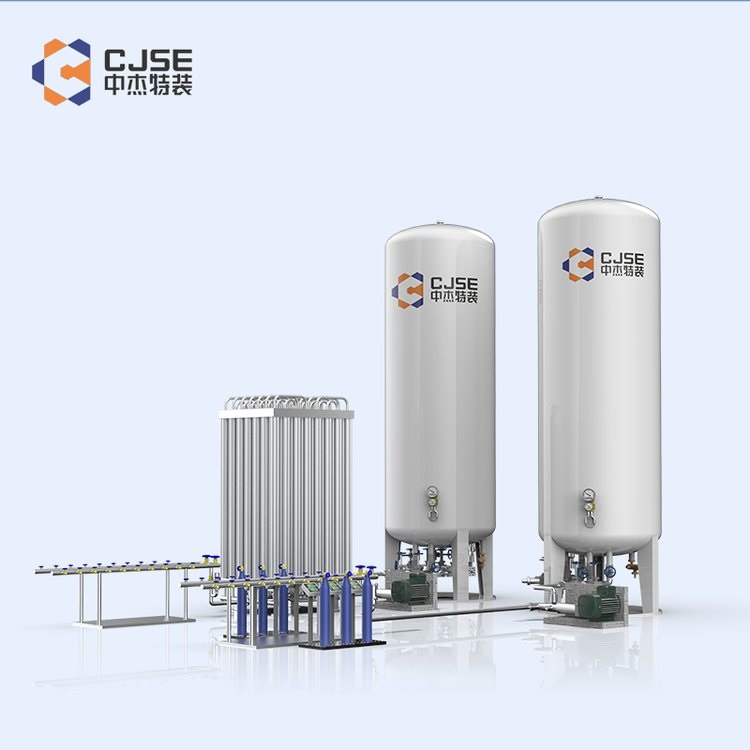
To prevent the explosion of liquid oxygen tanks, the following measures can be taken:
Regular Inspections and Maintenance: Conduct regular inspections and maintenance on liquid oxygen tanks, including checking the tank's exterior, welds, valves, and fittings, to ensure they are intact and undamaged. Regularly clean the tank to remove any impurities and dirt adhering to its surface.
Pressure Control: Storage tanks should be equipped with pressure control devices to ensure internal pressure remains within safe limits. Regularly inspect and adjust the pressure control devices to ensure proper operation.
Temperature Control: The liquid oxygen tank should be maintained within an appropriate temperature range to prevent excessive heat from causing pressure increase. Ensure the tank's insulation layer is intact to minimize heat conduction and loss.
Fire Prevention Measures: Liquid oxygen has a high oxygen content and flammability, so strict fire prevention measures must be taken. A fire separation zone should be established around the storage tank, and smoking and open flames are prohibited. Ensure that the storage tank maintains a proper fire separation distance from other facilities.
Pressure Relief Devices and Safety Valves: Liquid oxygen storage tanks should be equipped with pressure relief devices and safety valves to prevent overpressure and sudden pressure increases. Regularly inspect and test the operational status of the pressure relief devices and safety valves to ensure their proper functioning.
Tank Operation Standards: Adhere strictly to the operational specifications and safety requirements for liquid oxygen tanks. Operators must be trained and familiar with the tank's characteristics and operating techniques. Avoid operational errors and violations.
Emergency Preparedness: Establish emergency response plans and conduct drills to address potential accidents. Train operators in emergency response capabilities to ensure timely and effective responses.
Our company attaches great importance to technological innovation and R&D design. We have 1 municipal-level enterprise technology center in Heze City, equipped with non-destructive testing, physical and chemical testing, welding testing, hydrostatic testing, and other testing facilities. We have over 600 types of equipment, including CNC machine tools, X-ray flaw detectors, digital ultrasonic flaw detectors, mechanical property testing machines, chemical analyzers, spectrometers, tensile testing machines, plasma welding machines, and more. The key products and technologies we have developed, such as temperature and pressure vessel welding, biomass boiler emission reduction, and waste heat utilization, have successively been included in multiple Shandong Provincial Department of Industry and Information Technology science and technology innovation projects, Shandong Provincial key projects, and Heze City innovation and excellence projects. We have accumulated a total of 27 authorized utility models, 16 authorized inventions, participated in drafting 2 standards, 2 industry standards, and registered 15 trademarks. The technical team of our company, in collaboration with Professor Li Yajiang of Shandong University, has developed deep cryogenic container processing technology using the international plasma arc + wire filling tungsten inert gas arc welding (PAW-GTAW) technology. The provincial-level scientific and technological achievement identification has confirmed that the technology level in deep cryogenic container manufacturing has reached an international standard. Choose Zhongjie Special Equipment, and let's create brilliance together!
WeChat Official Account

Scan to follow Official Account



















