


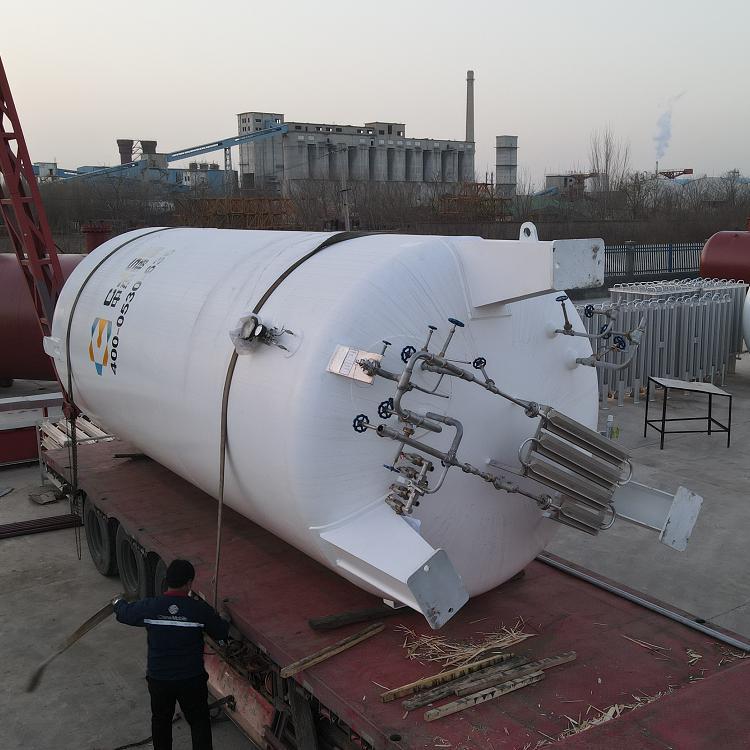

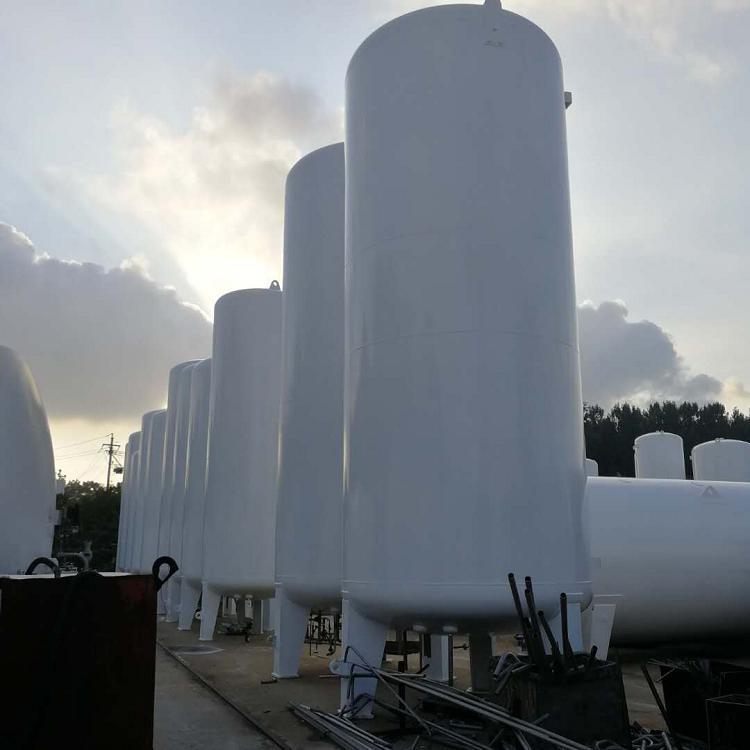
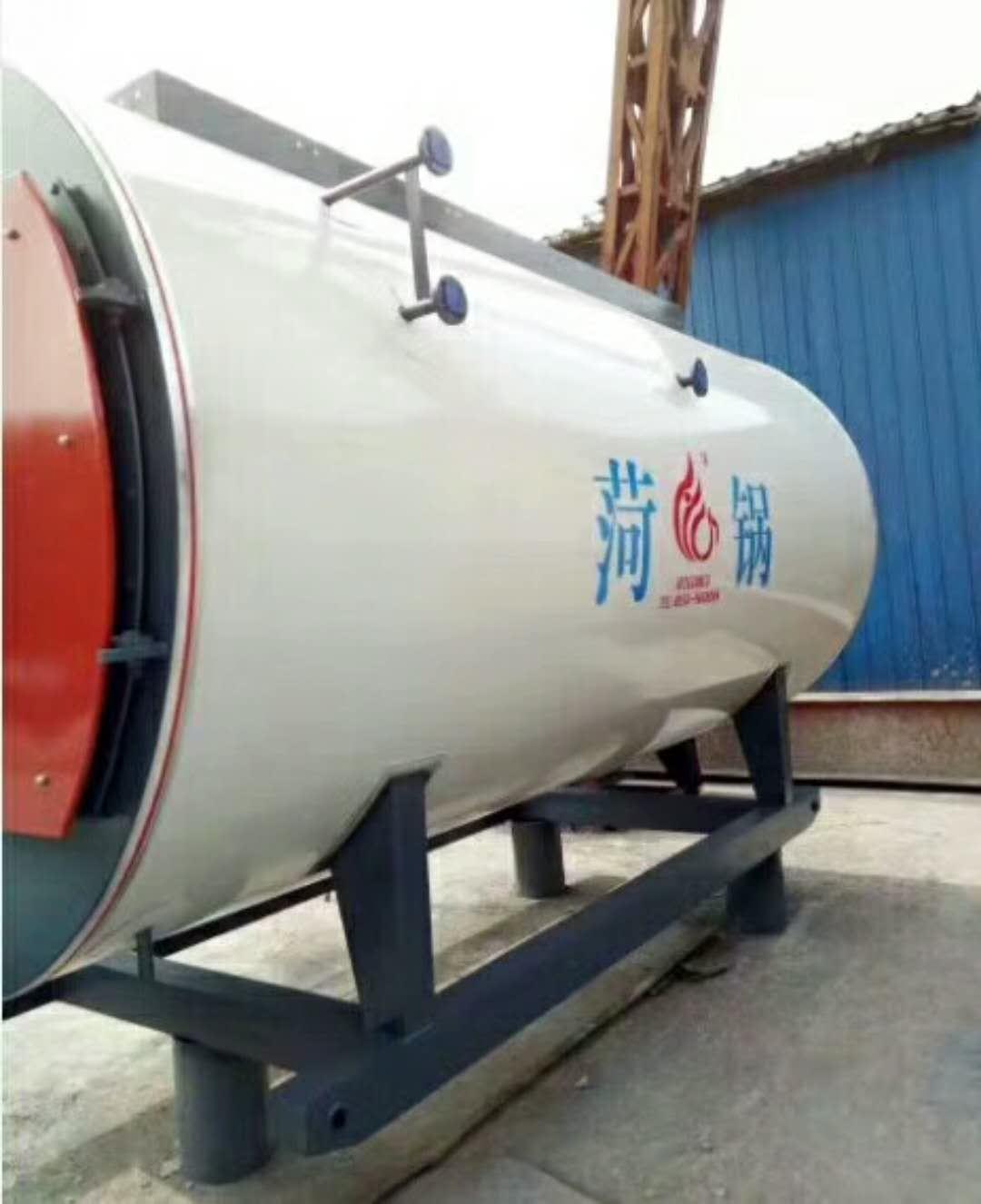


















Shandong Zhongjie Special Equipment specializes in products such as fuel (gas) boilers, organic heat carrier boilers, biomass boilers, waste heat recovery boilers, and other boiler products; vacuum insulation cryogenic pressure vessels like LNG, oxygen/nitrogen/argon tanks, and CO2 tanks; pressure vessel products including denitrification engineering equipment, heat storage and energy storage equipment, and complete chemical equipment sets; central air conditioning and ventilation equipment such as ground (water) source heat pumps, air source units, water-cooled screw units, and air-cooled modular units. Planned products include large-scale energy centers, LNG transport vehicles, LNG tank containers, and other green energy equipment.
Routine inspections and maintenance of liquid oxygen tanks are crucial for their safe operation. Here are general steps for the daily inspections and maintenance of liquid oxygen tanks:
Visual Inspection: Regularly inspect the tank's exterior, including the shell, welds, valves, and fittings. Pay attention to any signs of cracks, corrosion, or deformation.
Leak Detection: Utilize appropriate leak detection equipment to inspect for leaks in tanks and connections. Leak detection can be conducted using methods such as gas detectors or liquid oxygen detection agents.
Pressure Testing: Conduct regular pressure tests to inspect the tank's sealing and pressure resistance. Perform pressure tests according to relevant standards and regulations, and record the test results.
Valve and Fitting Inspection: Check that the valves and fittings on the tank are functioning properly and for any signs of loosening or damage. Ensure the valves operate smoothly and reliably.
Insulation Layer Inspection: Verify that the storage tank's insulation layer is intact and free from damage or detachment. Repair or replace any damaged insulation material to ensure effective insulation.
Cleaning and Drainage: Regularly clean the interior of the tank to remove accumulated impurities and dirt. Regularly drain to prevent contaminants and sediments in liquid oxygen from damaging the tank.
Safety Equipment Inspection: Check the safety equipment around the storage tank, such as fire separation zones and alarm systems, to ensure they are functioning properly.
Record and Document Management: Document the results of each inspection and maintenance, including the inspection date, contents, issues found, and measures taken. Establish comprehensive management records and documents for tracking and managing the storage tank's operational status.
Note that inspections and maintenance of liquid oxygen tanks should be conducted by trained personnel and in accordance with relevant specifications and standards. Ensure safety during maintenance and operation, and consult experts for accurate guidance.
Low-temperature industrial gas filling stations are equipment used to fill liquid low-temperature industrial gases (such as liquid oxygen, liquid nitrogen, liquid argon, etc.) into gas storage tanks. Here is some basic information about low-temperature industrial gas filling stations:
Storage Tank Type: Low-temperature industrial gas storage tanks commonly use double-walled vacuum insulated storage tanks, with the inner wall for storing liquid gas and the outer wall for insulation and heat preservation to minimize heat transfer and evaporation loss of the liquid gas.
Filling Equipment: Low-temperature industrial gas storage tank filling stations include liquid-gas filling pumps, filling pipelines, flowmeters, pressure sensors, and other equipment. The liquid-gas filling pump is used to extract liquid gas from storage tanks or gas storage tanks and fill it into the target storage tank.
Filling Process: The operational procedure at the filling station typically includes the following steps: Preparations (checking equipment, preparing filling medium), Equipment Connection (connecting filling pumps, pipes, etc.), Equipment Activation (starting the filling pump, adjusting flow and pressure), Filling Operation (filling liquid gas into the target storage tank), Monitoring and Control (monitoring parameters such as pressure and flow during the filling process to ensure safety and quality), and Completion of Operation (shutting down equipment, cleaning the work area).
Safety Measures: Strict adherence to relevant safety operation procedures and standards is required during the operation of low-temperature industrial gas storage tank filling stations. Operators must undergo training to understand the properties and safety precautions of liquefied gases. Additionally, filling stations should be equipped with safety equipment such as pressure sensors and safety valves to ensure safety during the filling process.
Quality Control: During the filling process, quality control at the filling station is essential, including monitoring the flow, pressure, and temperature of the filling medium to ensure accuracy and quality of the filling.
It's important to note that the operation of low-temperature industrial gas filling stations must be conducted by trained personnel and strictly adhere to the relevant operational procedures and safety measures. Additionally, the design and manufacture of the filling station should comply with applicable standards and regulations to ensure the safety and reliability of the equipment.
Prior to using the liquid oxygen tank, the following preparations must be made:
Safety Inspection: Ensure the tank and its surrounding environment are safe. Check for any damage, leaks, or other potential hazards to the tank. Make sure there are no flammable materials or other hazardous items in the vicinity of the tank.
Tank Preparation: Inspect the tank's exterior, including the shell, welds, valves, and fittings. Ensure there are no visible damages or corrosion. Check that the insulation layer is intact and undamaged.
Liquid Oxygen Filling: Utilize liquid oxygen delivery equipment to fill the storage tank. Ensure that the flow rate and pressure of liquid oxygen are maintained within a safe range during the filling process.
Pressure Control: Storage tanks should be equipped with pressure control devices to ensure internal pressure remains within safe limits. Inspect and adjust the pressure control devices to ensure proper operation.
Valve Operation: Check that the valves and connecting parts of the storage tank are functioning properly. Ensure the valves open and close smoothly and reliably. Adjust the opening and closing status of the valves as required.
Safety Equipment: Inspect the safety equipment around the storage tank, such as fire isolation zones and alarm systems, to ensure they are functioning properly.
Operator Training: Ensure operators are proficient in the safe operation of liquid oxygen storage tanks.
Several factors need to be considered when determining the design pressure and calculated pressure of a liquid oxygen storage tank:
Design Pressure: Design pressure refers to the maximum pressure a tank can withstand under normal operating conditions. When determining the design pressure, factors such as the working pressure range of liquid oxygen, the material strength of the tank, and safety factors need to be considered. Generally, the design pressure should be slightly higher than the high working pressure of liquid oxygen to ensure the tank's safety and reliability within the normal operating range.
Calculation Pressure: Calculation pressure refers to the actual working pressure of the tank under the design pressure. It is calculated based on factors such as the characteristics of liquid oxygen, the geometric shape of the tank, and the material strength. The calculation pressure should take into account factors like the expansion coefficient of liquid oxygen, temperature changes, and pressure fluctuations to ensure the safety and stability of the tank under actual operating conditions.
Determining the design pressure and calculation pressure for liquid oxygen storage tanks typically requires referring to relevant standards and specifications, such as Standard GB150 "Steel Pressure Vessels" and GB18442 "Technical Conditions for Storage Tanks of Liquid Oxygen, Liquid Nitrogen, and Liquid Argon." These standards and specifications provide detailed design and calculation methods to ensure the safety and reliability of the tanks.
In practical application, the design pressure and calculated pressure of liquid oxygen storage tanks should be calculated and determined by pressure vessel designers. They will consider various factors such as specific engineering requirements, tank dimensions, and materials to ensure that the tank's design and use comply with relevant safety standards and regulations.
Shandong Zhongjie Special Equipment, welcome customers to our factory for business discussions.
WeChat Official Account

Scan to follow Official Account



















