


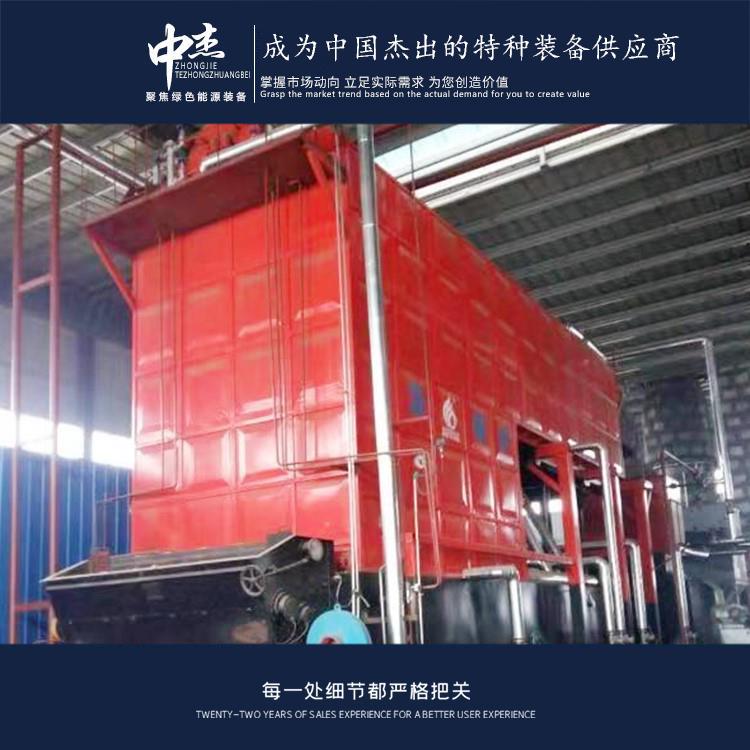

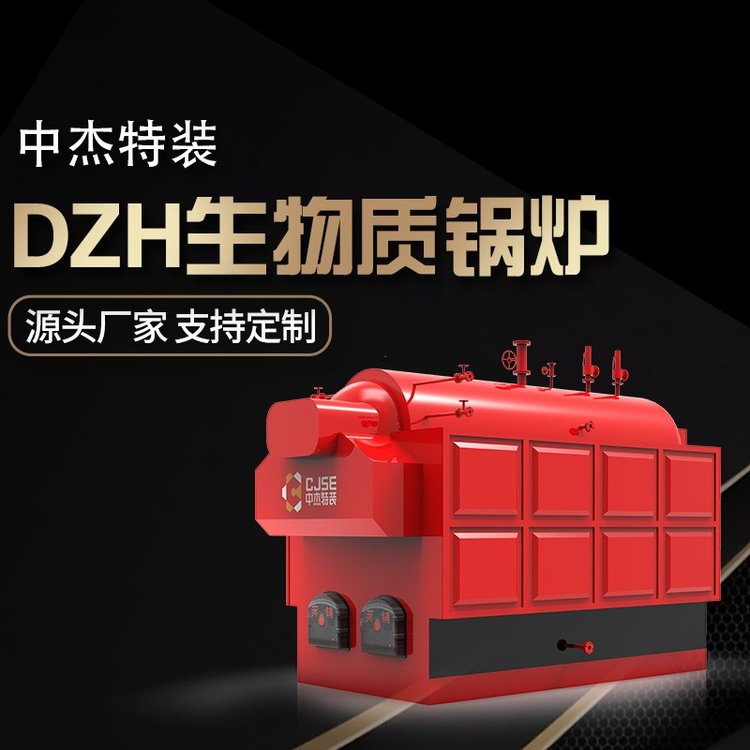
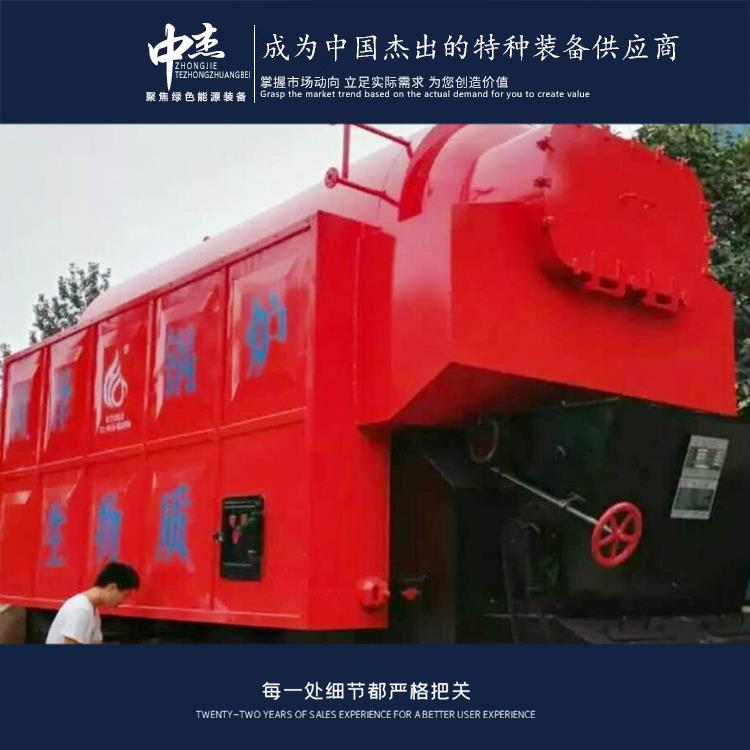


















Shandong Zhongjie Special Equipment (formerly Heze Boiler Factory Co., Ltd.) holds an A-grade boiler manufacturing license, an A2-grade pressure vessel manufacturing license, an A2-grade pressure vessel design license, a B-grade boiler installation license, and GB2/Class and GC2/Class pressure pipeline installation licenses, as well as a mechanical and electrical equipment installation contracting qualification. It is a member of the China Boiler and Water Treatment Association, the China Chemical Equipment Association, and the council unit of the Shandong Equipment Manufacturing Association. The company has also passed the ISO9001 Quality Management System, ISO14001 Environmental Management System, OHSAS18001 Occupational Health and Safety Management System certifications, and the American ASME/U2 certification.
slagging in biomass boilers refers to the solid residues formed by ash and other impurities from the fuel during the combustion process at high temperatures. Slagging is a common issue in biomass boiler operation that may affect the boiler's heat transfer and combustion efficiency. Here is a brief discussion on biomass boiler slagging:
Coke Formation Causes: The biomass fuel contains a high ash content, and the ash may include some sticky substances. These substances can melt and adhere to the heat exchange surface of the boiler at high temperatures, forming coke. Additionally, certain elements in the biomass fuel, such as calcium, can also promote the formation of coke.
Slagging Impact: Slagging obstructs heat transfer in boilers, reducing combustion efficiency and increasing energy consumption. It may also raise the temperature of the boiler, accelerate corrosion of metallic materials, and shorten the boiler's service life.
Preventive and remedial measures: To prevent and address the slagging issue in biomass boilers, the following measures can be taken:
Fuel Pretreatment: Pre-treat biomass fuel by processes such as drying, screening, and de-dusting to reduce ash and salt content in the fuel, and minimize slagging risks.
Control combustion conditions: Reasonably control the parameters such as temperature, oxygen content, and combustion rate of biomass combustion, to avoid excessive combustion temperature and excessive oxygen, and reduce slagging.
Cleaning and Maintenance: Regularly clean the boiler's interior of accumulated dust and dirt to maintain cleanliness. During the cleaning process, use appropriate cleaning agents and tools to remove interior dirt and prevent slagging from forming.
The YGL series organic heat carrier boiler is a boiler equipment that utilizes organic heat carriers to transfer heat energy. Its main components and features are as follows:
Composition:
Furnace Body: The furnace body is the main component of the organic heat carrier furnace, including the furnace chamber, combustion chamber, and flue, etc. Made of steel, the furnace body boasts excellent high-temperature resistance properties.
Combustion System: The combustion system encompasses burners, combustion fans, and combustion control systems. The burners are responsible for injecting fuel into the furnace for combustion, the combustion fans supply the oxygen required for combustion, and the combustion control system achieves automatic control of the combustion process.
Heat Exchange System: The heat exchange system includes heat carrier circulating pumps, heat carrier heaters, and heat carrier coolers, etc. The heat carrier circulating pump is responsible for circulating the heat carrier to the heater, returning to the furnace after heating to transfer heat energy. The heat carrier cooler is used to cool the heat carrier, ensuring the stability of the heat carrier circulation.
Control System: The control system encompasses temperature controllers, pressure controllers, and safety protection devices. The temperature controller is used for monitoring and adjusting the furnace temperature, the pressure controller for monitoring and adjusting the pressure of the heat carrier, and the safety protection device for ensuring the safe operation of the furnace and heat exchange system.
Features:
High Heat Efficiency: The YGL series organic heat carrier boiler utilizes organic heat carriers as the heat transfer medium, offering a high heat transfer efficiency. Organic heat carriers can achieve liquid-phase heat transfer at low temperatures, resulting in minimal heat loss and allowing for more efficient fuel utilization.
When selecting biomass boilers, consider the following factors:
Fuel Adaptability: Different types of biomass boilers are suitable for various fuels, such as wood chips, straw, and waste crops. When selecting a biomass boiler, consider the availability and cost of the required fuel to ensure the boiler can accommodate the fuel type used.
Boiler Power and Heat Load: Select an appropriate biomass boiler power based on the heated area and the heat load required. An undersized boiler power may not meet heating needs, while an oversized one would result in energy waste.
Combustion Efficiency: Combustion efficiency is a crucial indicator of a boiler's energy utilization efficiency. Choosing biomass boilers with high combustion efficiency can reduce energy consumption and carbon emissions.
Equipment Quality and Reliability: Choose a biomass boiler manufacturer with an excellent reputation to ensure reliable equipment, stable operation, and reduced downtime and maintenance costs.
Environmental Performance: Focus on the environmental performance of biomass boilers, including emission standards and flue gas treatment systems. The selected boilers reduce environmental pollution.
Control systems and automation levels: Our control systems and automation levels enhance the operational efficiency and stability of biomass boilers, while reducing labor and management costs.
After-sales Service & Technical Support: Choose suppliers with excellent after-sales service and technical support to ensure prompt technical assistance and maintenance services during use.
In summary, when selecting biomass boilers, consider fuel compatibility, boiler power and heat load, combustion efficiency, equipment quality and reliability, environmental performance, control systems, and level of automation.
To enhance the thermal efficiency of biomass boilers, consider the following aspects:
Optimize the combustion system: Reasonably adjust the combustion system of biomass boilers, including parameters such as combustion air volume, combustion temperature, and combustion time, to ensure complete combustion and utilization of the fuel. Adopting combustion technologies like fluidized bed combustion and gasification combustion can enhance combustion efficiency.
Regulate Excess Air: Reasonably control the air supply during the combustion process of biomass boilers to prevent excessive air from entering the furnace, thereby reducing fuel oxidation and heat loss. Adjust the combustion air flow and air distribution to achieve optimal fuel-air mixing, enhancing combustion efficiency.
Enhanced Waste Heat Recovery: Flue gases from biomass boiler combustion contain a significant amount of heat energy. This can be recovered and utilized through waste heat recovery systems such as economical air preheaters and economizers, thereby improving the boiler's thermal efficiency.
Optimize boiler operating parameters: Reasonably adjust the operating parameters of biomass boilers, such as boiler water temperature and steam pressure, to enhance thermal efficiency. Adjust the boiler's operating mode based on actual needs and load changes to avoid over-heating or under-heating, improving energy utilization efficiency.
Regular Cleaning and Maintenance: Perform regular cleaning and maintenance on biomass boilers to remove ash and accumulated soot from the furnace chamber, maintaining the efficiency of heat exchange and reducing thermal resistance and losses.
Utilize equipment and materials: Selected biomass boiler equipment and materials, such as burners and heat exchangers, to enhance thermal conduction and heat exchange efficiency.
By integrating these measures, the thermal efficiency of biomass boilers can be significantly improved, achieving energy utilization.
Shandong Zhongjie Special Equipment, welcome customers to our factory for business discussions.
WeChat Official Account

Scan to follow Official Account



















