


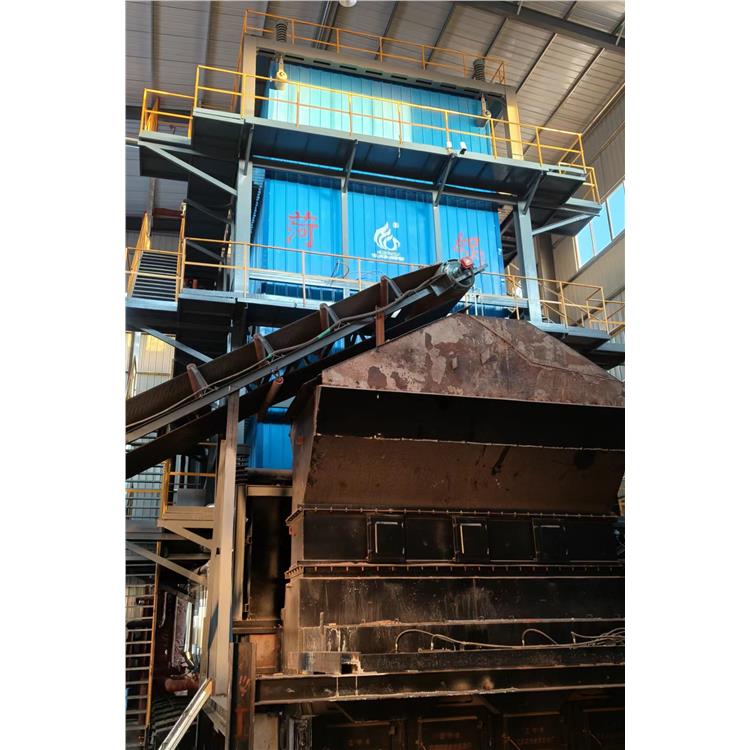

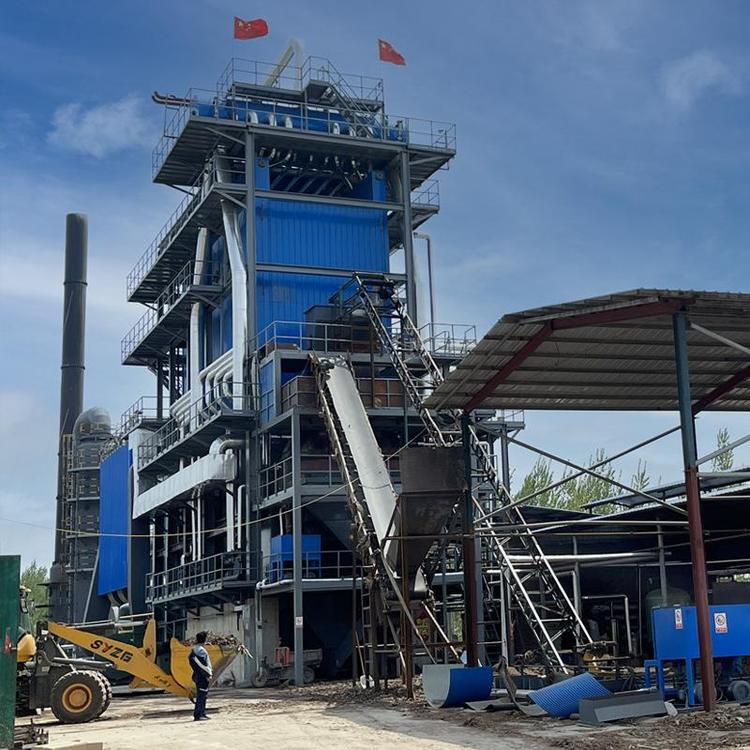
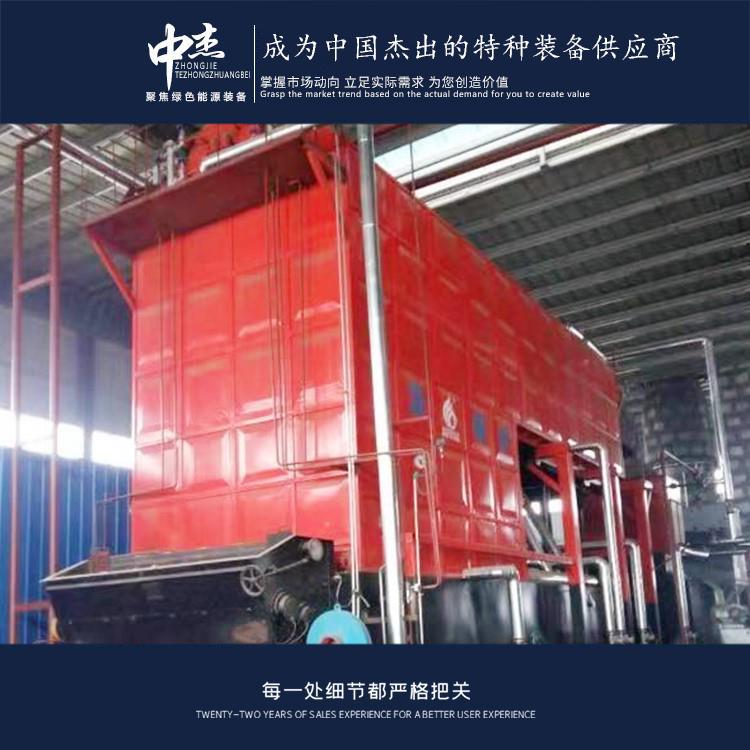


















Shandong Zhongjie Special Equipment's main products include: fuel (gas) boilers, organic heat carrier boilers, biomass boilers, waste heat recovery boilers, and other boiler products; vacuum insulation cryogenic pressure vessels such as LNG tanks, oxygen/nitrogen/argon tanks, and CO2 tanks; pressure vessel products such as denitrification engineering equipment, heat storage and energy storage equipment, and complete chemical equipment; central air conditioning and HVAC equipment such as ground (water) source heat pumps, air source units, water-cooled screw units, and air-cooled modular units. Planned products include large-scale energy centers, LNG transport vehicles, LNG tank containers, and other green energy equipment.
Possible reasons for incomplete combustion of fuel in biomass boilers may include the following aspects:
Inappropriate combustion conditions: If the combustion temperature is too low, oxygen supply is insufficient, or combustion time is inadequate during the burning process, incomplete combustion of the fuel may occur. This could be due to improper burner settings, an unreasonable ventilation system, or inaccurate adjustment of combustion parameters.
Fuel Quality Issue: The quality of fuel can also affect combustion efficiency. If the fuel contains excessive moisture, impurities, or ash, it can impact the calorific value and combustion performance during the combustion process, leading to incomplete combustion.
Improper combustion chamber design: The design of the combustion chamber significantly affects the combustion efficiency. An impractical structure, insufficient combustion space, or uneven airflow distribution within the combustion chamber can lead to incomplete fuel combustion.
Combustion System Failure: Faults in the combustion system can also lead to incomplete fuel combustion. For instance, issues such as clogged burner nozzles, malfunctions in the ignition system, or abnormal operation of the combustion fan can all affect the combustion efficiency.
Lack of maintenance and cleaning: Regular maintenance and cleaning of biomass boilers are crucial for maintaining combustion efficiency. Issues such as accumulated ash, slagging, or blockages inside the boiler can affect the normal combustion of fuel, leading to incomplete combustion.
To address the issue of incomplete fuel combustion, the following measures can be taken: Adjust combustion parameters to ensure appropriate combustion temperature, oxygen supply, and combustion time; select the correct amount of fuel and ensure that its storage and handling meet requirements; perform regular maintenance and cleaning of the boiler to maintain the normal operation of the combustion system. Additionally, depending on the specific situation, it may be necessary to consult with boiler maintenance personnel or manufacturers for more detailed and accurate solutions.
Biomass boilers, as equipment that converts thermal energy from biomass fuel, offer the following advantages:
Renewable Energy: Biomass fuel is a renewable energy source that can be continually replenished through cultivation and planting. Its use has a smaller environmental impact compared to fossil fuels, which is conducive to sustainable development.
Environmental Protection and Energy Saving: Biomass combustion produces relatively little waste gas and residue, with low emissions of pollutants. Biomass fuel inherently has low sulfur and low nitrogen characteristics, and the residue after combustion can be reused as organic fertilizer or biomass fuel, reducing environmental pollution.
Diversity and Flexibility: Biomass fuel options are abundant, including wood chips, straw, and more. Different fuels can be chosen based on specific circumstances, enhancing their substitutability and adaptability.
Utilization: The biomass boiler employs advanced combustion technology and heat conversion equipment, enabling maximum utilization of the thermal energy from biomass fuel and enhancing thermal efficiency. Additionally, equipped with economizers and flue gas recirculation systems, it further boosts thermal efficiency.
Economic Efficiency: Biomass fuel is more stable and cost-effective compared to fossil fuels. The investment and operational costs of biomass boilers are relatively low, offering good economic benefits.
Widely Applicable: Biomass boilers are suitable for various fields, including industrial production, heating, and power generation. They can meet the thermal energy demands in different scenarios.
In summary, biomass boilers offer advantages such as renewable energy, environmental protection, energy conservation, versatility, flexibility, utilization, cost-effectiveness, and wide application, making them a sustainable thermal energy conversion solution.
As a renewable energy boiler, biomass boilers offer several advantages:
Eco-friendly Energy Saving: Biomass boilers utilize biomass fuels such as wood chips, straw, and husks, which are renewable. Compared to traditional fossil fuels, these fuels offer lower carbon emissions and environmental friendliness. The combustion process of biomass boilers generates relatively fewer emissions, causing less environmental impact. Moreover, through optimized combustion and heat recovery, biomass boilers achieve high energy utilization efficiency, saving energy.
Diverse fuel options: Biomass boilers are suitable for a variety of biomass fuels such as wood chips, straw, and husks, offering strong fuel adaptability. This allows for widespread application of biomass boilers in different regions and industries. Additionally, the supply of biomass fuel is relatively stable, unaffected by international oil price fluctuations and other factors.
Flexible operating modes: Biomass boilers can be adjusted to meet actual requirements.
When installing a biomass boiler, attention should be given to the following aspects:
Safety Distance: Biomass boilers should maintain adequate safety distances from other equipment, buildings, etc., to prevent fires and safety accidents.
Ventilation and Exhaust: Biomass boilers require an effective ventilation and exhaust system to ensure that flue gases produced during the combustion process are promptly discharged, preventing indoor accumulation and health hazards.
Fuel Storage: Biomass boilers require appropriate fuel storage facilities, such as fuel silos or storage areas. The fuel storage area should be dry, well-ventilated, and fire prevention measures should be taken to prevent spontaneous combustion and fires.
Pipe Connections: Pipe connections for biomass boilers should be sturdy and reliable to ensure normal operation of fuel supply, flue gas排放, and water circulation. Suitable sealing materials should be used at the pipe connection points to prevent leaks and energy loss.
Control System: The control system for biomass boilers should be reliable and stable, capable of accurately controlling and adjusting parameters such as temperature, pressure, and fuel supply. The control system should have safety protection features, such as overheat protection and low water level protection.
Regular Maintenance: Biomass boilers require regular maintenance and upkeep, including cleaning the combustion chamber, inspecting pipes and valves, and clearing the flue and dust removal equipment. Regular maintenance ensures the normal operation and combustion of biomass boilers.
Regulatory Requirements: When installing biomass boilers, it is necessary to comply with relevant laws, regulations, and standards, such as safety production regulations and environmental protection requirements. Ensure that the installation of biomass boilers meets specifications, guaranteeing safety and environmental protection.
Above are some things to note when installing biomass boilers to ensure safe and environmentally friendly operation. During the installation process, be
Our company highly values technological innovation and R&D, boasting one city-level technical center in Heze City. We have established testing facilities for non-destructive testing, physical and chemical testing, welding testing, hydrostatic testing, and more. We are equipped with over 600 types of equipment, including CNC machine tools, X-ray flaw detectors, digital ultrasonic flaw detectors, mechanical property testing machines, chemical analyzers, spectrometers, tensile testing machines, plasma welding machines, and others. Our key products and technologies, such as temperature and pressure vessel welding, biomass boiler emission reduction, and waste heat recovery, have been selected for multiple Shandong Provincial Department of Industry and Information Technology Science and Technology Innovation Projects, key projects of Shandong Province, and Heze City Innovation and Excellence Projects. We have accumulated 27 authorized utility model patents, 16 authorized invention patents, participated in drafting 2 standards, 2 industry standards, and registered 15 trademarks. The technical team, in collaboration with Professor Li Yajiang of Shandong University, has developed deep cryogenic vessel processing technology using the international plasma arc + filler wire argon arc welding (PAW-GTAW) technology, which has reached an international level in the deep cryogenic vessel manufacturing field, as certified by the provincial science and technology achievement assessment. Choose ZJ Special Equipment, let's join hands to create brilliance together!
WeChat Official Account

Scan to follow Official Account



















