


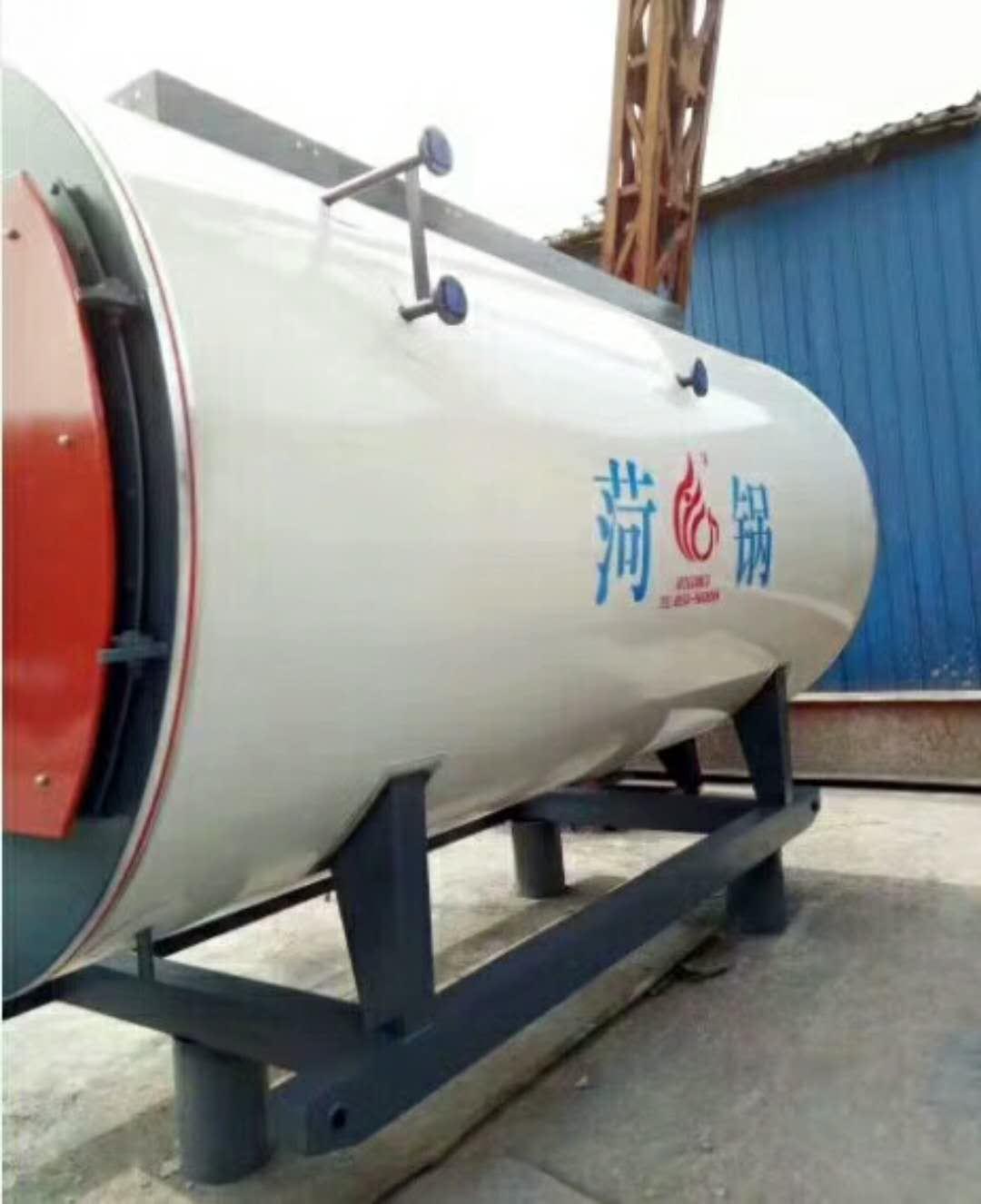

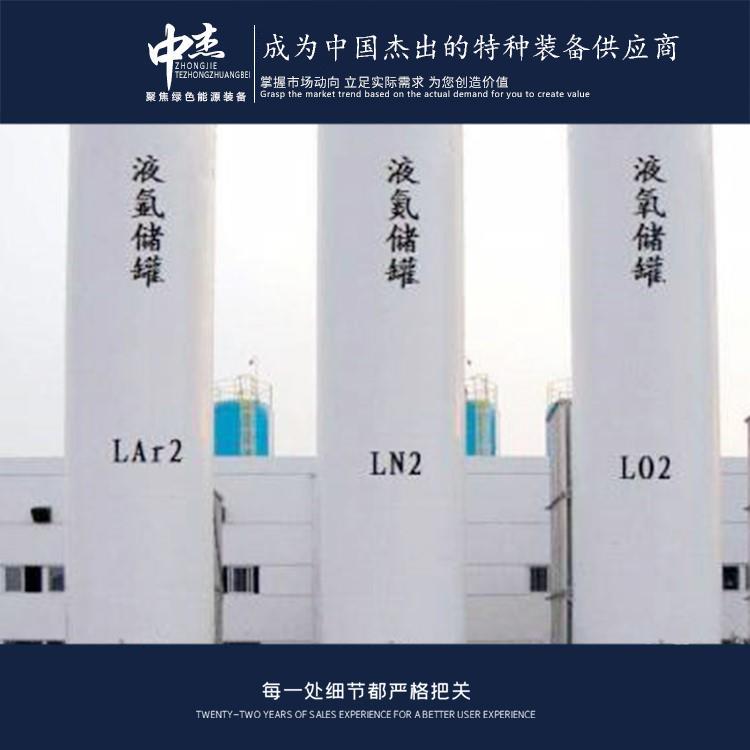
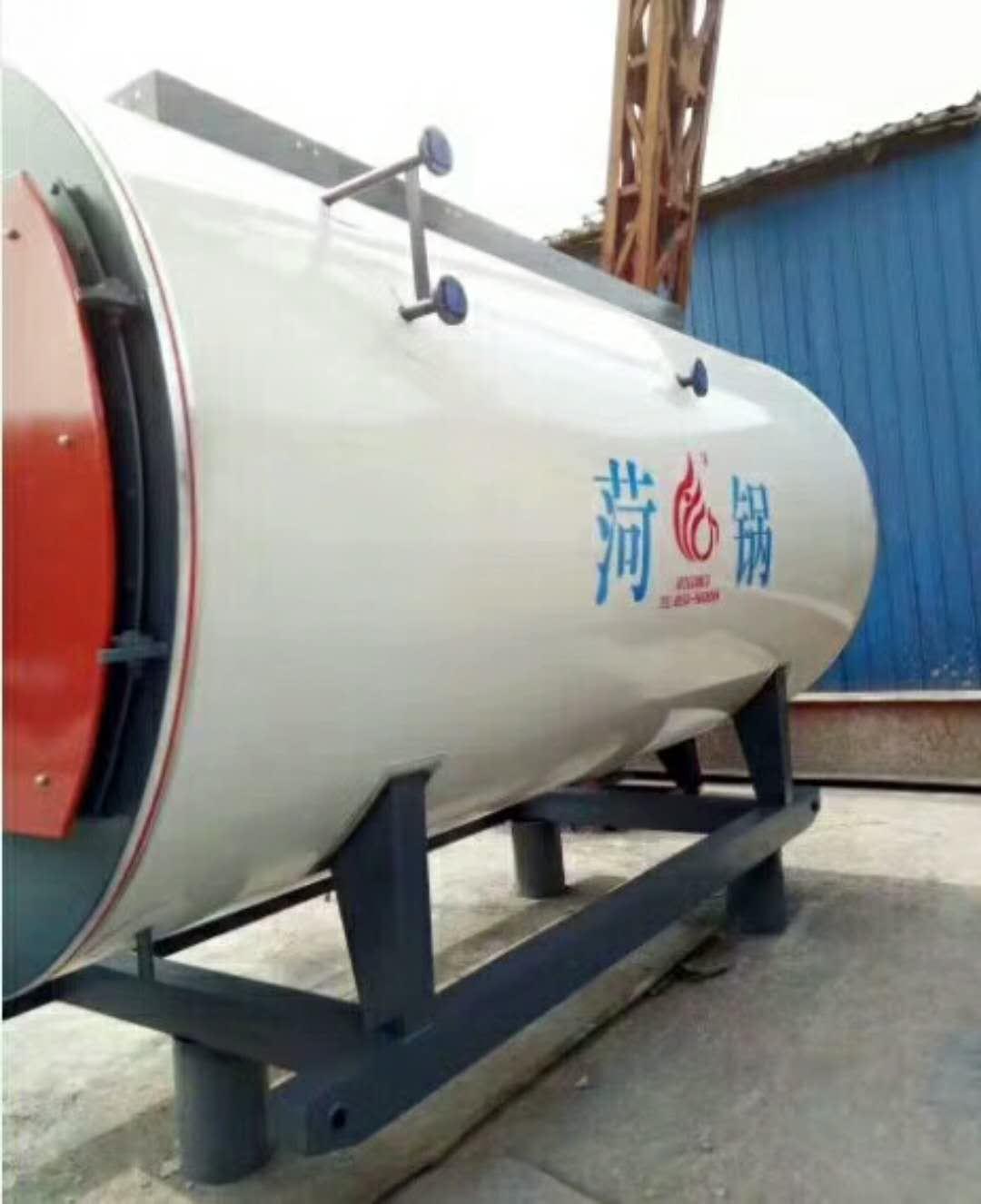


















Shandong Zhongjie Special Equipment's main products include: fuel (gas) boilers, organic heat carrier boilers, biomass boilers, waste heat boilers, and other boiler products; vacuum insulation cryogenic pressure vessels such as LNG tanks, oxygen-nitrogen-aragonite tanks, and CO2 tanks; pressure vessel products such as denitrification engineering equipment, heat storage equipment, and complete chemical equipment sets; central air conditioning and HVAC equipment such as ground (water) source heat pumps, air-source units, water-cooled screw units, and air-cooled modular units. Planned products include large-scale energy centers, LNG transport vehicles, LNG tank containers, and other green energy equipment.
Carbon dioxide serves several key applications in carbonated beverages:
- Bestowing Bubbles and Texture: Carbon dioxide is the crucial component responsible for creating bubbles and effervescence in carbonated drinks. When dissolved in the beverage, it forms bicarbonate ions, resulting in a foamy and bubbly texture. This bubble and texture contribute to the unique taste and mouthfeel of carbonated drinks.
- Adjusting pH Levels: Carbon dioxide reacts with water to produce carbonic acid, thereby regulating the pH levels of carbonated beverages. By controlling the amount of dissolved carbon dioxide, the acidity of the drink can be adjusted to achieve a suitable taste and mouthfeel.
- Providing a Refreshing Feel: The carbon dioxide bubbles in carbonated drinks can impart a refreshing sensation. As you sip on a carbonated beverage, the bubbles stimulate the taste buds on your tongue, creating a cool and tingling sensation, enhancing the drink's taste and mouthfeel.
- Extending Shelf Life: Carbon dioxide plays a certain preservative role in carbonated drinks. Due to its acidity and properties, it can inhibit the growth of microorganisms, extending the shelf life of carbonated beverages.
- Note that excessive consumption of carbonated drinks may have adverse health effects, such as tooth erosion and osteoporosis. Therefore, it is important to consume carbonated drinks in moderation.
二氧化碳储罐的检验频率应根据当地的法规、标准和制造商的建议来确定。一般来说,以下几个因素会影响二氧化碳储罐的检验频率: 法规和标准要求:不同和地区可能有不同的法规和标准,规定了储罐的检验要求和频率。例如,美国的DOT标准要求液化气体储罐每5年进行一次外部检验和每10年进行一次内部检验。 制造商建议:储罐的制造商通常会提供关于检验频率的建议。这些建议基于储罐的设计、材料和使用寿命等因素,可以作为制定检验计划的参考。 使用环境和条件:储罐的使用环境和条件也会影响检验频率。例如,如果储罐暴露在腐蚀性环境中或经常受到机械应力,可能需要更频繁的检验。 一般来说,液化气体储罐的外部检验通常是通过目视检查、超声波检测、磁粉检测等方法进行的,以评估储罐的外部状况和可能存在的缺陷。内部检验可能需要排空储罐,并通过内部检查、厚度测量、焊缝检测等方法来评估储罐的内部状况。 重要的是,储罐的检验应由经过培训和有经验的人员进行,并严格按照相关的法规、标准和制造商的建议进行。定期的检验和维护可以确保储罐的安全性和可靠性,减少事故的风险。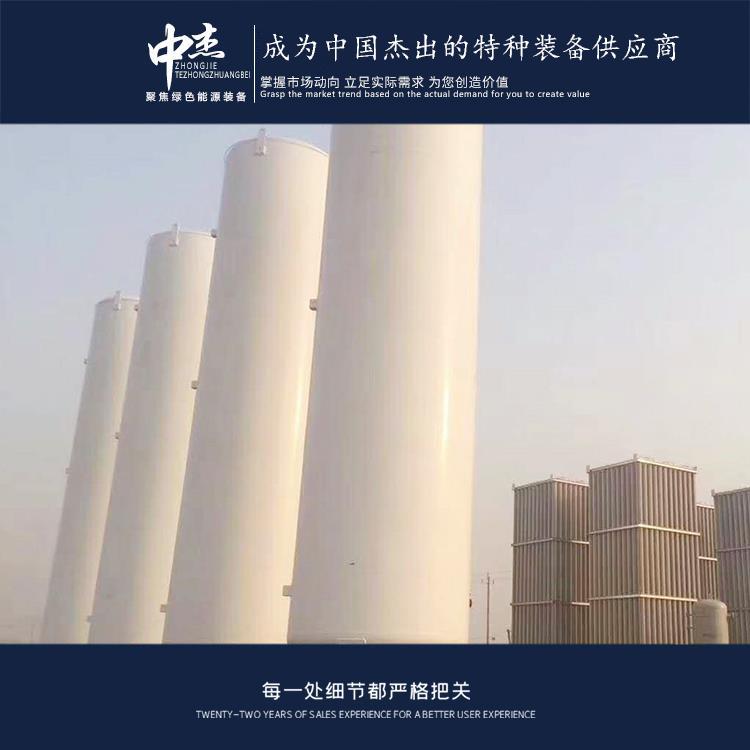
The reasons for not leaving a CO2 storage tank empty for extended periods are mainly as follows:
1. Safety Risks: CO2 is a high-pressure gas that remains liquid only under certain internal pressures in the tank. Releasing CO2 from the tank into the atmosphere over a long period can lead to a drop in tank pressure, potentially causing structural failure or explosions, posing safety hazards.
2. Resource Wastage: CO2 is a valuable resource with widespread applications in industries and other sectors. Keeping the CO2 storage tank empty for long durations is a waste of resources and does not align with sustainable development principles.
3. Environmental Impact: CO2 is a greenhouse gas, and releasing it into the atmosphere over a long period increases its concentration, exacerbating climate change and environmental issues.
Therefore, to ensure safety, conserve resources, and protect the environment, CO2 storage tanks should be used and managed in accordance with specified procedures and requirements, avoiding extended periods of emptiness. When CO2 in the tank is no longer needed, appropriate disposal methods should be employed, such as recycling, reuse, or safe discharge.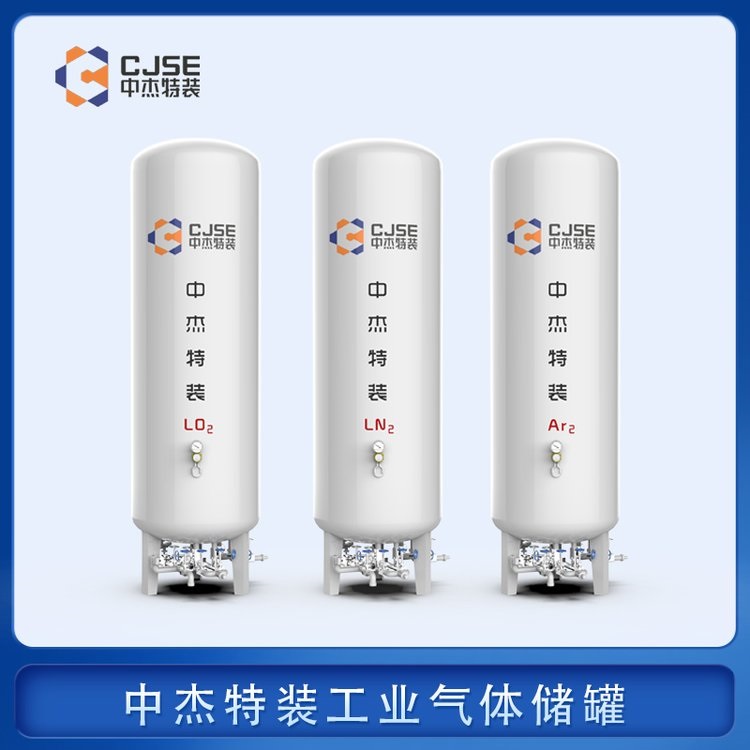
Dry ice is a frozen agent formed by directly converting carbon dioxide gas into a solid under high pressure. It has several applications:
- Refrigeration of food and pharmaceuticals: Dry ice is widely used for the transportation and storage of food and pharmaceuticals. Its low temperature and rapid cooling rate effectively maintain the freshness and quality of the products.
- Special effects and stage performances: Dry ice is also extensively used in special effects and stage performances. When it comes into contact with environmental heat, it quickly turns into gas, producing a large amount of white smoke, creating a mysterious and dramatic atmosphere.
- Cleaning and disinfection: Dry ice can also be used for cleaning and disinfection. When it comes into contact with surfaces, the low temperature and physical impact of the vaporization process can effectively remove dirt, bacteria, and viruses without leaving residues.
- Laboratories and scientific research: Dry ice is also applied in laboratories and scientific research. It can be used to freeze samples, prepare low-temperature experimental environments, and create cold traps and condensers.
It is important to note that safety should be a priority when using dry ice. Avoid direct contact with skin and eyes, and do not use it in enclosed spaces to prevent the accumulation of carbon dioxide, which can lead to oxygen deficiency.
Our company attaches great importance to technological innovation and research and development. We have one municipal-level enterprise technology center in Heze City, equipped with testing facilities for non-destructive testing, physical and chemical testing, welding testing, hydrostatic testing, etc. We have over 600 types of equipment, including CNC machine tools, X-ray flaw detectors, digital ultrasonic flaw detectors, mechanical property testing machines, chemical analyzers, spectrometers, tensile testing machines, plasma welding machines, and more. The key products and technologies we have developed, such as welding for temperature and pressure vessels, biomass boiler emissions reduction, and waste heat utilization, have successively been included in multiple Shandong Provincial Department of Industry and Information Technology science and technology innovation projects, Shandong key projects, and Heze City innovation and excellence projects. We have accumulated a total of 27 authorized utility models, 16 authorized inventions, participated in drafting 2 standards, 2 industry standards, and registered 15 trademarks. The technical team of our company, in collaboration with Professor Li Yajiang of Shandong University, has developed deep cryogenic container processing technology using the internationally recognized plasma arc + wire filling argon arc welding (PAW-GTAW) technology. The provincial-level scientific and technological achievement identification has confirmed that our technology level in deep cryogenic container manufacturing has reached international standards. Choose Zhongjie Special Equipment, let's join hands to create brilliance together!
WeChat Official Account

Scan to follow Official Account



















