


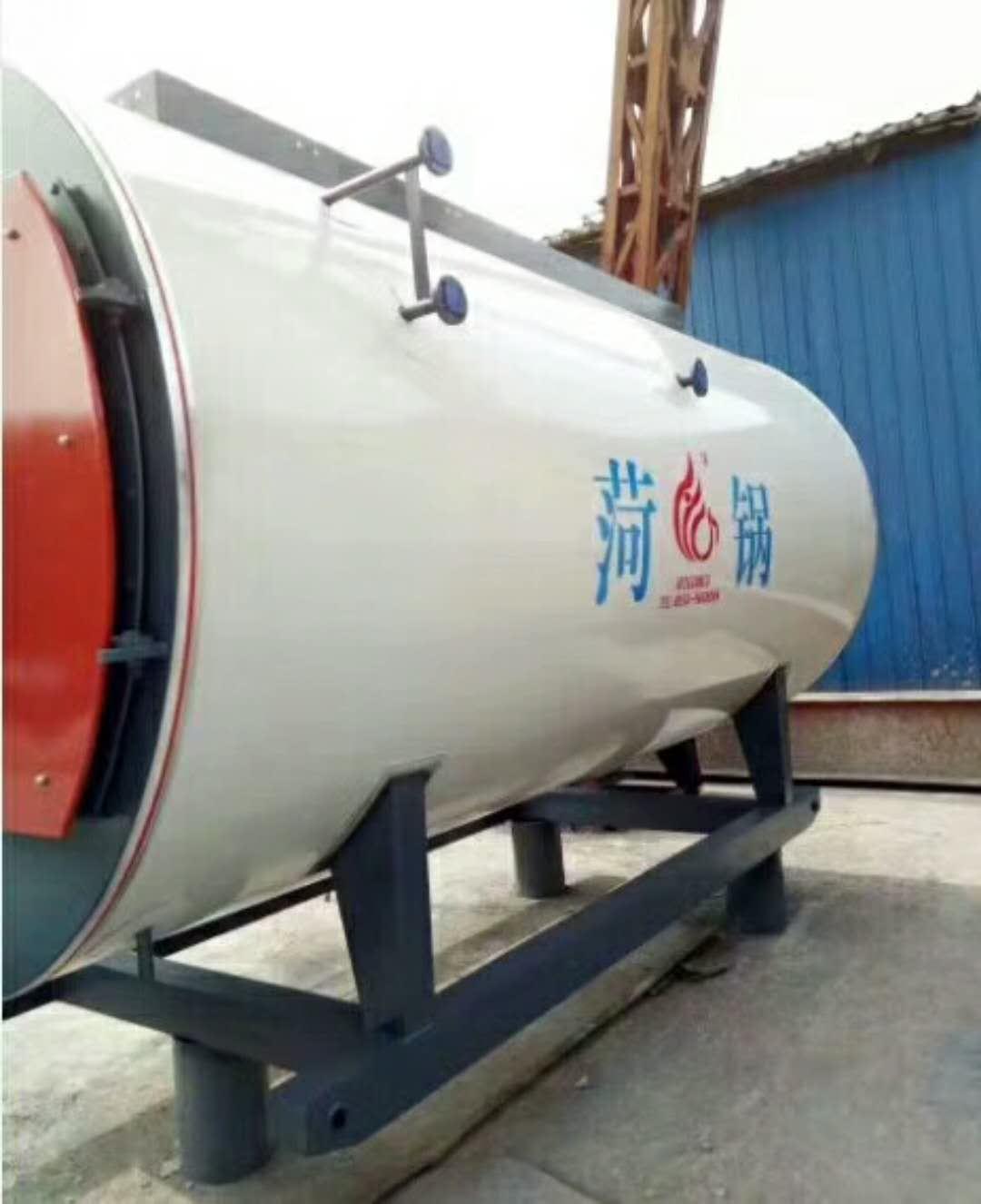

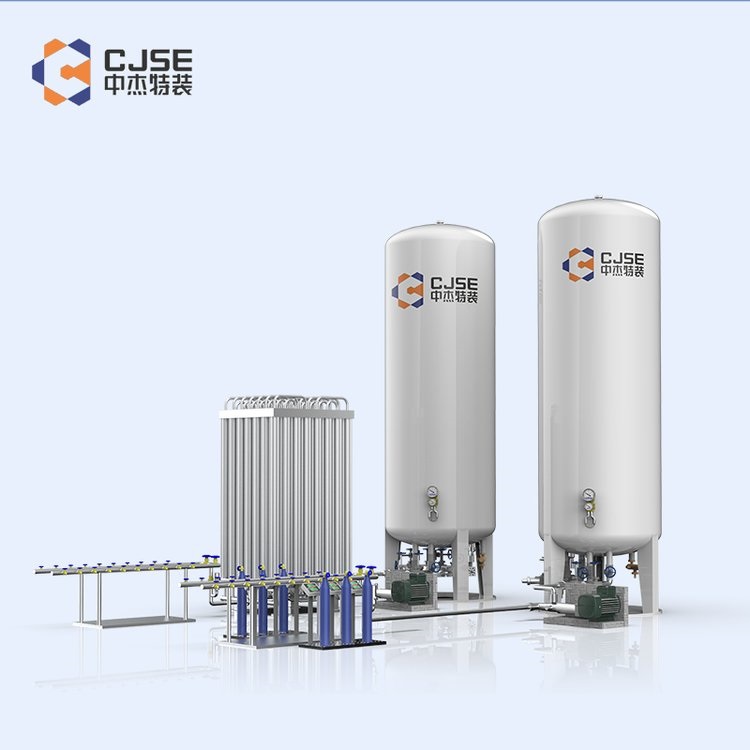
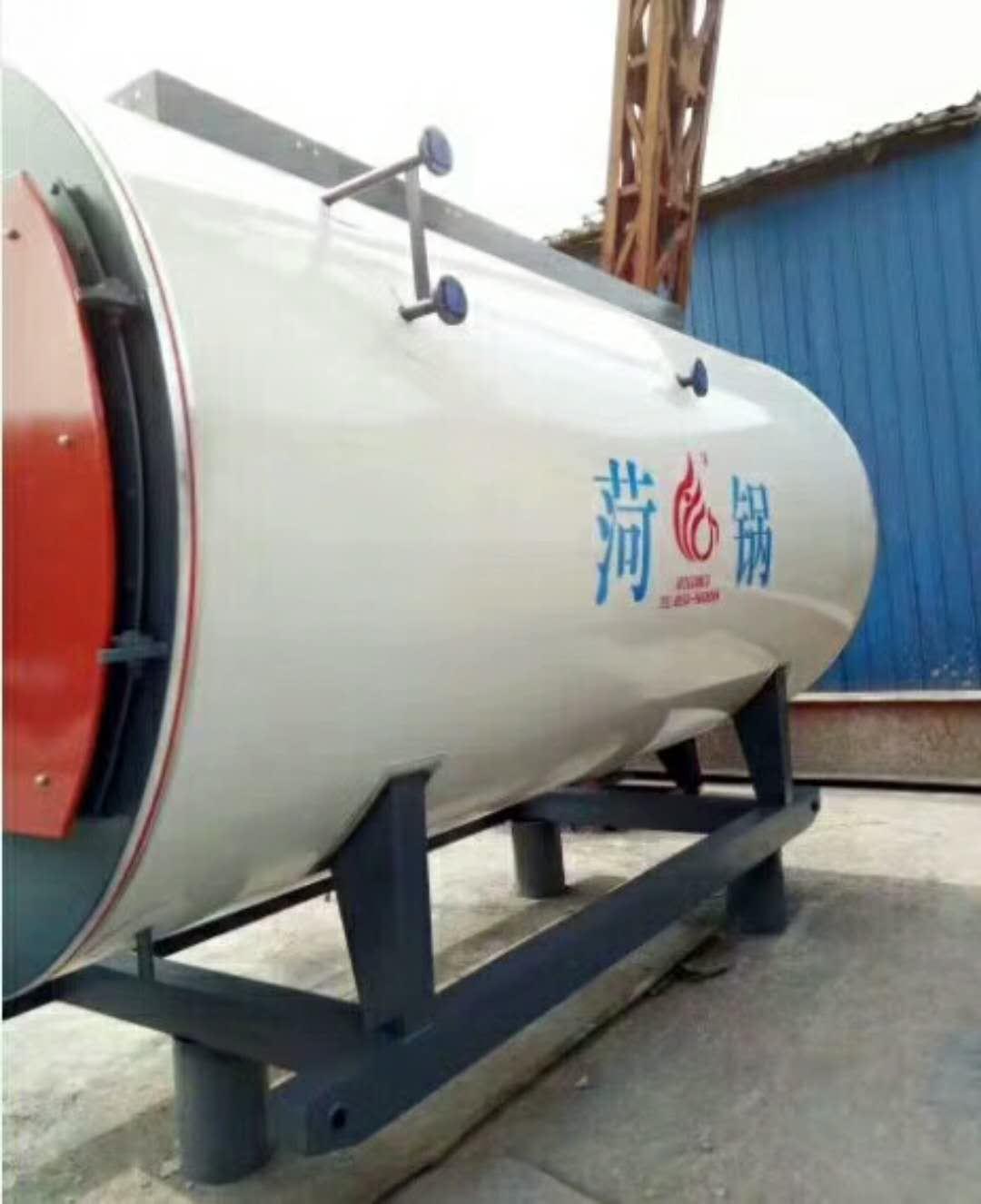


















Shandong Zhongjie Special Equipment Co., Ltd. specializes in: fuel (gas) boilers, organic heat carrier boilers, biomass boilers, waste heat recovery boilers, and other boiler products; vacuum insulation cryogenic pressure vessels such as LNG storage tanks, oxygen/nitrogen/argon storage tanks, and CO2 storage tanks; pressure vessel products including denitrification engineering equipment, heat storage and energy storage equipment, and complete chemical equipment; central air conditioning and ventilation equipment such as ground (water) source heat pumps, air source units, water-cooled screw units, and air-cooled modular units. Planned products include large-scale energy centers, LNG transport vehicles, LNG tank containers, and other green energy equipment.
Carbon dioxide capture and recovery is a technology designed to capture carbon dioxide from industrial emission sources or the atmosphere and store or utilize it to reduce CO2 emissions. Here are some common carbon dioxide recovery technologies:
Coal-fired power plant CO2 recovery: In coal-fired power plants, the CO2 produced by burning coal can be captured and recovered. Common methods involve carbon capture technologies to separate CO2 from flue gases and then store or utilize it.
Industrial emission source CO2 recovery: CO2 produced by many industrial processes can be treated through capture and recovery techniques. For instance, CO2 generated during the production processes in steel, cement, chemical industries, etc., can be recovered to reduce emissions.
Atmospheric CO2 capture: CO2 in the atmosphere can also be recovered using direct air capture technologies. This technology uses adsorbents or chemical reactions to capture and separate CO2 from the atmosphere, followed by storage or utilization.
CO2 utilization: Captured CO2 can be used to produce valuable chemicals and fuels. For example, through CO2 catalytic conversion technology, CO2 can be converted into fuels like ethanol or other chemical raw materials.
The development of CO2 recovery technologies aims to reduce greenhouse gas emissions and mitigate climate change. However, these technologies are still in continuous development and research, requiring further technological breakthroughs and practical verification for large-scale application.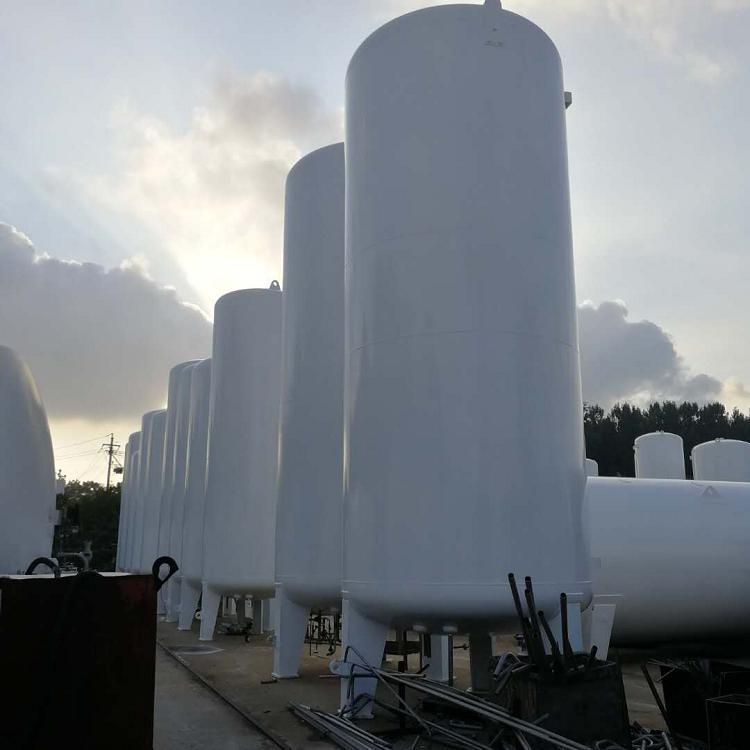
The inspection frequency of carbon dioxide storage tanks should be determined based on local regulations, standards, and manufacturer recommendations. Generally, several factors can influence the inspection frequency of carbon dioxide storage tanks:
- Regulatory and Standard Requirements: Different regions may have varying regulations and standards that specify the inspection requirements and frequency for tanks. For instance, the U.S. DOT standards require liquefied gas tanks to undergo external inspections every 5 years and internal inspections every 10 years.
- Manufacturer Recommendations: Manufacturers typically provide recommendations for inspection frequency, which are based on tank design, materials, and service life, and can serve as a reference for establishing an inspection plan.
- Usage Environment and Conditions: The storage tank's environment and conditions of use also affect the inspection frequency. For example, tanks exposed to corrosive environments or subjected to frequent mechanical stress may require more frequent inspections.
- Generally, external inspections of liquefied gas tanks are conducted through visual inspections, ultrasonic testing, magnetic particle testing, and other methods to assess the tank's external condition and potential defects. Internal inspections may require emptying the tank and using methods such as internal inspections, thickness measurements, and weld inspections to evaluate the tank's internal condition.
- It is crucial that inspections be carried out by trained and experienced personnel and strictly in accordance with relevant regulations, standards, and manufacturer recommendations. Regular inspections and maintenance can ensure the safety and reliability of the tanks, reducing the risk of accidents.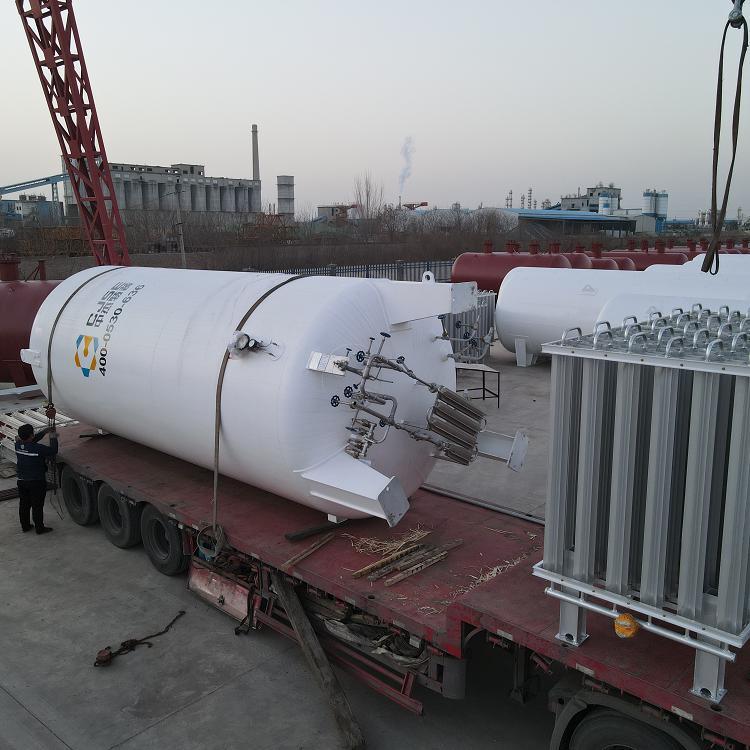
When using carbon dioxide tanks, be mindful of the following aspects:
- Safe Operation: Adhere to relevant safety operating procedures and standards, ensuring operators possess necessary safety knowledge and skills. When using the tank, be vigilant against risks such as leaks, explosions, and fires.
- Pressure Control: Monitor and control the tank's pressure to ensure it remains within safe limits. Avoid exceeding the tank's rated pressure to prevent破裂 or leakage.
- Level Monitoring: Regularly check the liquid level inside the tank to ensure adequate carbon dioxide supply. Avoid overfilling or underfilling to maintain an appropriate level.
- Static Control Measures: Implement static control measures to prevent static buildup and discharge. Use anti-static equipment and tools to ensure static safety during operations.
- Tank Maintenance: Regularly inspect and maintain the tank, including its exterior, valves, and fittings. Ensure the tank is intact and prevent leaks and damage.
- Emission Control: Handle the emissions from carbon dioxide tanks to avoid environmental pollution. Adopt appropriate emission control measures, such as collecting and treating emissions.
- Storage Records: Document the tank's usage, including filling dates, quantities, and inspection records. Regularly conduct tank inspections and maintenance, and retain relevant records.
- Training and Awareness: Train operators to enhance their awareness and ability in safely operating carbon dioxide tanks. Conduct regular safety training and drills to respond to emergencies.
- Note: The above are common considerations, and specific precautions may vary depending on the tank type and application. When using carbon dioxide tanks, operate according to relevant regulations and standards, and consult experts to ensure safety and effectiveness.
The cooling process for carbon dioxide storage tanks can vary depending on specific application requirements and process design. Below is an example of a general cooling process for a carbon dioxide storage tank:
Initial Cooling: When carbon dioxide enters the tank, it is typically subjected to initial cooling to lower its temperature. This can be achieved by passing the carbon dioxide through a condenser or cooler. The cooling medium can be cold water or refrigerant.
Tank Cooling: After the carbon dioxide enters the tank, it is necessary to continue cooling the tank itself to maintain the liquid state of the carbon dioxide. This can be done by installing coolers or cooling pipes externally and circulating the cooling medium (such as cold water or refrigerant) through them.
Temperature Control: During the tank cooling process, the temperature inside the tank needs to be controlled to ensure that the carbon dioxide remains within an appropriate temperature range. This can be achieved through temperature sensors and control systems, which automatically adjust according to the set temperature range.
Insulation: To reduce heat transfer and energy loss, the tank is often insulated. This can be done by installing insulating materials (such as polyurethane foam or glass wool) externally to minimize heat conduction.
Regular Inspection and Maintenance: In the cooling process of the tank, regular inspection and maintenance of cooling equipment and insulating materials are required to ensure their proper operation and effectiveness. This includes cleaning coolers and inspecting the integrity and effectiveness of insulating materials.
It should be noted that the specific cooling process for carbon dioxide storage tanks may vary due to different application scenarios and process requirements. In practice, process design and operation should be based on specific conditions to ensure the safety and performance of the tank. Consult with engineers or storage professionals.
Shandong Zhongjie Special Equipment, welcome clients to visit our factory for cooperation discussions.
WeChat Official Account

Scan to follow Official Account



















