


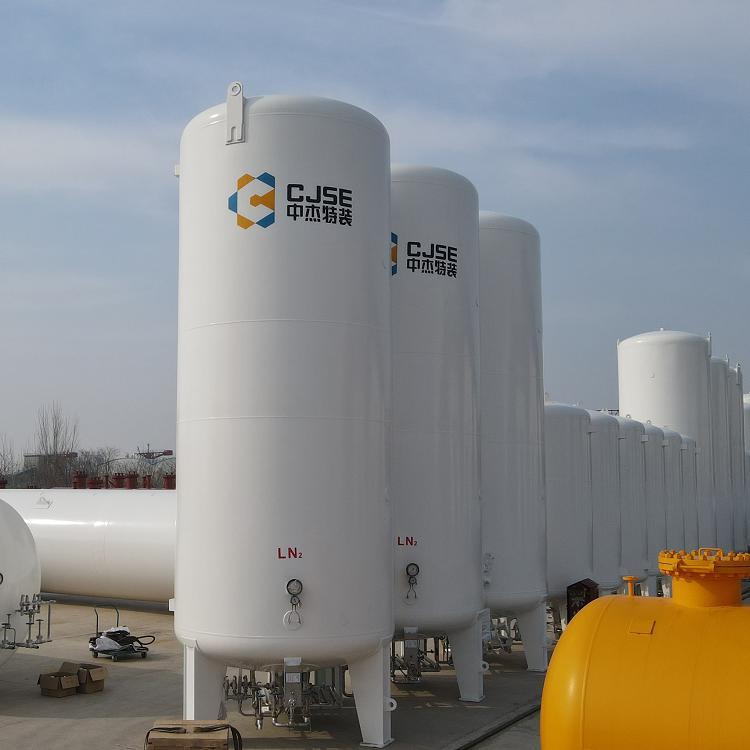

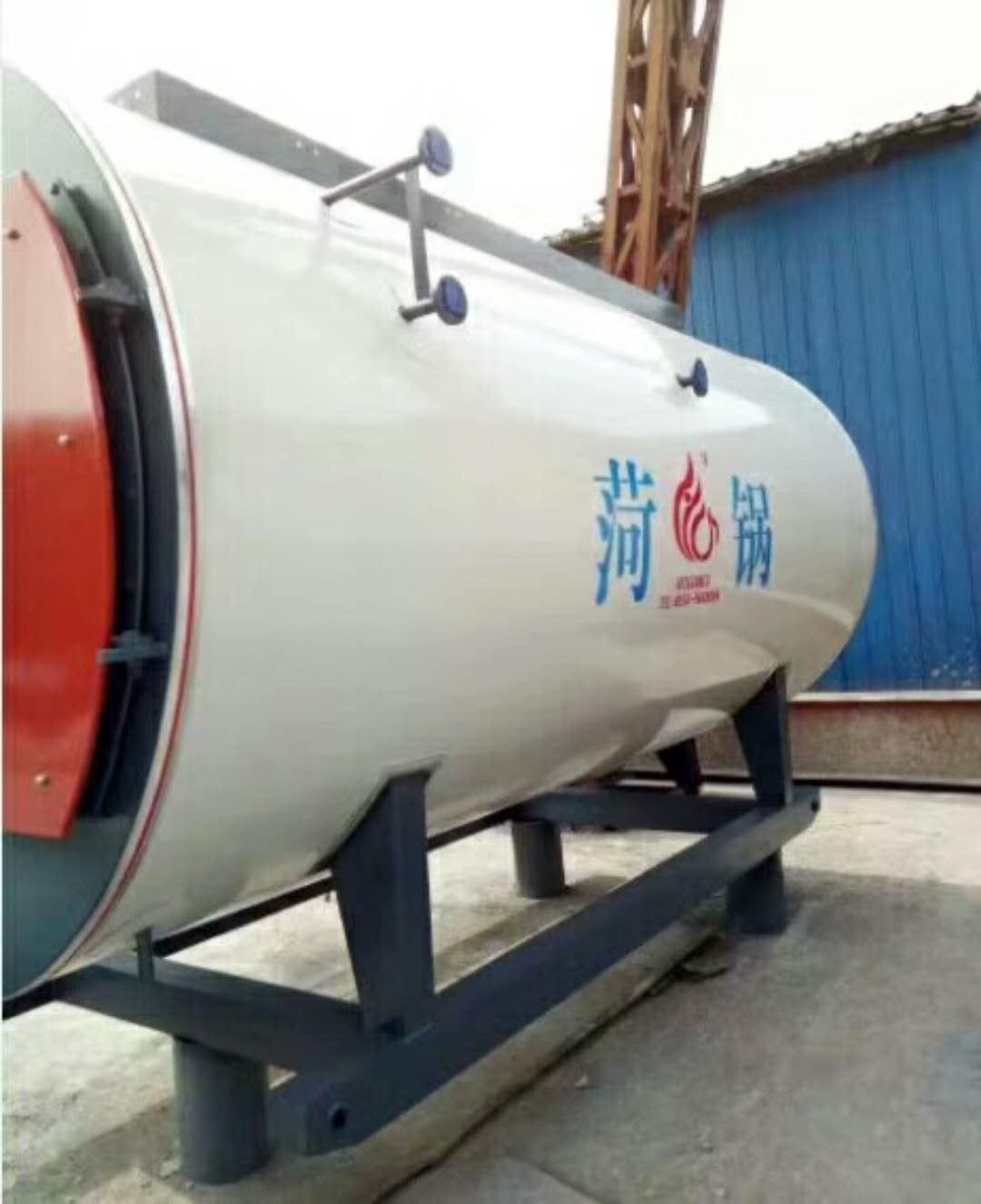
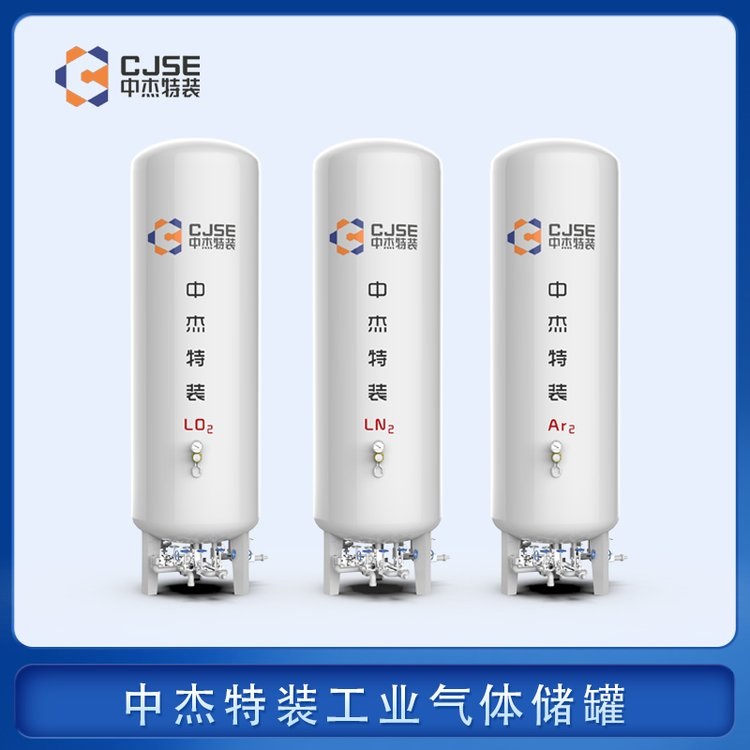


















Shandong Zhongjie Special Equipment (formerly Heze Boiler Factory Co., Ltd.) holds an A-grade boiler manufacturing license, an A2-grade pressure vessel manufacturing license, an A2-grade pressure vessel design license, a B-grade boiler installation license, and GB2/Class GC2 pressure pipeline installation licenses, as well as a qualification for electromechanical equipment installation contracting. It is a member of the China Boiler and Water Treatment Association, the China Chemical Equipment Association, and the director unit of the Shandong Equipment Manufacturing Association. The company has also passed certifications for the ISO9001 Quality Management System, ISO14001 Environmental Management System, OHSAS18001 Occupational Health and Safety Management System, and the American ASME/U2 certification.
Prior to using the liquid oxygen tank, the following preparatory steps must be taken:
Safety Inspections: Ensure the tank and its surrounding environment are secure. Check for any damage, leaks, or other safety hazards on the tank. Make sure there are no flammable substances or other hazardous materials nearby.
Tank Preparation: Inspect the tank's exterior, including the shell, welds, valves, and fittings. Ensure there are no visible damages or corrosion. Check that the insulation layer is intact and undamaged.
Liquid Oxygen Filling: Utilize liquid oxygen transfer equipment to fill the tank with liquid oxygen. Ensure that the flow rate and pressure of the liquid oxygen are maintained within safe limits during the filling process.
Pressure Control: Storage tanks should be equipped with pressure control devices to ensure internal pressure remains within safe limits. Inspect and adjust the pressure control devices to ensure proper operation.
Valve Operation: Check that the valves and connections on the tank are functioning properly. Ensure the valves open and close smoothly and reliably. Adjust the opening and closing status of the valves as needed.
Safety Protection Facilities: Inspect the safety protection facilities around the storage tanks, such as fire separation zones and alarm systems, to ensure they are functioning properly.
Operator Training: Ensure operators are knowledgeable in the safe operation of liquid oxygen storage tanks.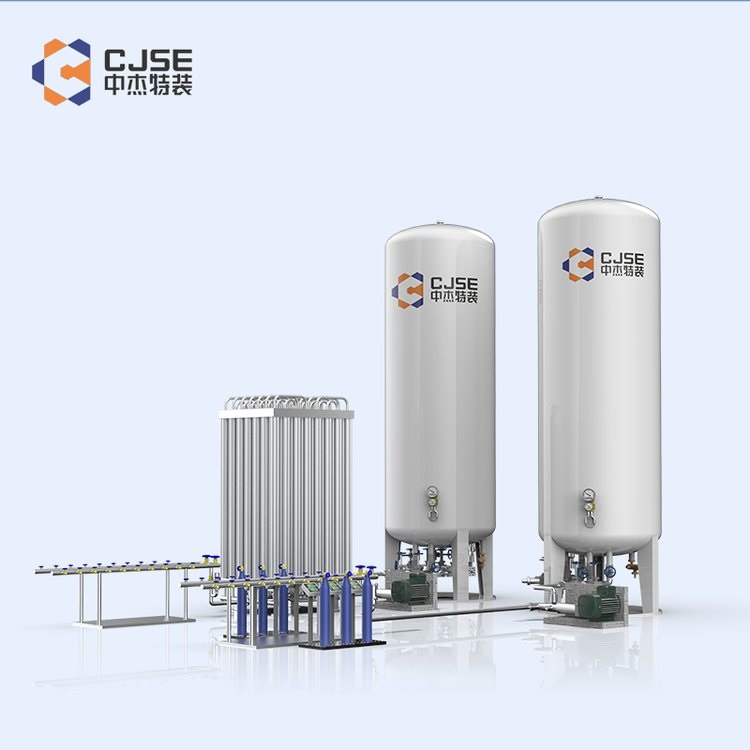
Before filling the liquid nitrogen tank, the following checks must be performed:
Tank exterior inspection: Check for any visible damage, deformation, corrosion, etc., on the tank's exterior, including the tank wall, valves, pipes, and joints.
Sealability Inspection: Check the storage tank's sealing performance, including inspecting for any leakage at valves and pipe connections, to ensure the tank maintains good sealing integrity.
Pressure Check: Verify that the tank's pressure gauge is functioning properly and that the pressure is within the normal range to ensure the tank operates normally.
Level Check: Inspect the liquid level of the storage tank to ensure it is within the normal range, avoiding issues caused by either excessive or insufficient levels.
Insulation Layer Inspection: Check for any damage or detachment in the storage tank's insulation layer to ensure its thermal insulation effectiveness and minimize evaporation loss of liquid nitrogen.
Leak Inspection: Check for signs of liquid nitrogen leakage around the storage tank, including frost, ice, or liquid nitrogen stains on the ground.
Safety Equipment Inspection: Verify that the storage tank's safety equipment, such as leak detectors, alarm systems, and safety valves, are functioning properly to ensure the tank's safety.
Clean Inspection: Ensure the interior of the tank is clean, removing accumulated impurities and dirt to maintain the tank's cleanliness and hygiene.
The above lists the checks required prior to filling the liquid nitrogen tank, ensuring the safe operation of the tank and proper storage of liquid nitrogen. During the inspection, strict adherence to the relevant operational procedures and safety standards must be maintained to ensure operational safety.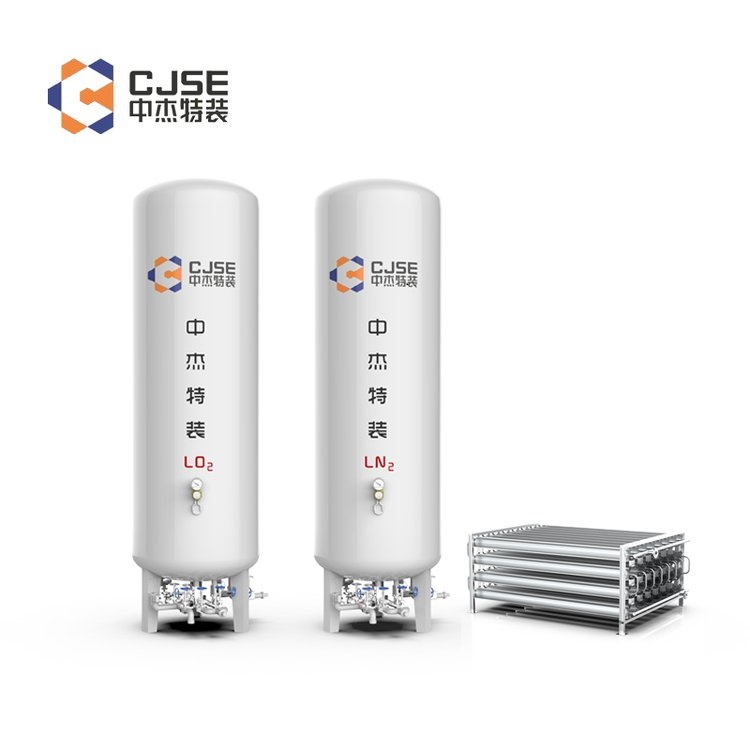
To safely utilize liquid oxygen tanks, attention should be given to the following aspects:
Training: Operators of liquid oxygen tanks must undergo training to understand the properties of liquid oxygen, safety operating procedures, and emergency response measures. Only trained personnel are authorized to handle liquid oxygen tanks.
Safety Operating Procedures: Establish and adhere to the safety operating procedures for liquid oxygen tanks, including proper operational procedures, protective measures, and emergency response plans. Ensure that operators follow the procedures to minimize accident risks.
Equipment Inspection and Maintenance: Regularly inspect the status of liquid oxygen tanks and related equipment, including valves, pipes, pressure gauges, etc. Ensure that the equipment is in perfect condition without any damage, and promptly repair or replace any damaged parts.
Leakage Control: Equipped with leak detection and alarm systems to promptly identify and control leaks in liquid oxygen storage tanks. Upon detection of a leak, immediate measures should be taken to contain the source of the leak and proceed with repairs.
Fire Prevention Measures: Liquid oxygen has a high oxygen content and is prone to causing fires. To prevent and contain fires, firewalls are set up around liquid oxygen storage tanks, and fire-retardant coatings are used.
Static protection: The accumulation of static electricity in liquid oxygen tanks may cause sparks, increasing the risk of fire. Measures such as using static-conductive materials and anti-static equipment are taken to reduce the accumulation and release of static electricity.
Ventilation Requirements: Ensure adequate ventilation within the enclosed space of the liquid oxygen storage tank to expel gases produced by the evaporation of liquid oxygen. Avoid excessive oxygen concentration and reduce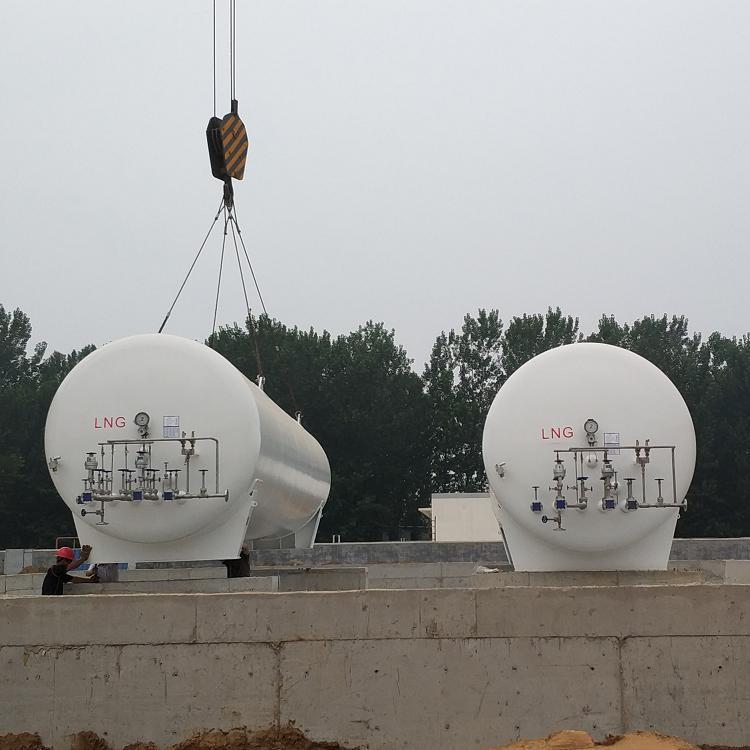
Routine inspection of liquid nitrogen storage tanks refers to regular checks and maintenance to ensure safe operation and efficient use. Here is a common introduction to the inspection of liquid nitrogen storage tanks:
Appearance Inspection: Regularly inspect the exterior of the storage tank, including the tank body, insulation layer, valves, and pipes, etc. Note any cracks, corrosion, wear, or other damage. Also, check that the insulation layer is intact and not damaged or detached.
Level Inspection: Regularly check the liquid nitrogen tank's level to ensure it remains within the normal range. This can be done using a level gauge or a level ruler, among other equipment.
Pressure Check: Inspect the tank's pressure to ensure it's within the safe range. Pressure gauges or pressure sensors can be used for the inspection.
Leakage Inspection: Check for signs of liquid nitrogen leakage around the tank, such as vapor mist, frost, or freezing. If leakage is detected, take immediate measures to repair it.
Valve and pipeline inspection: Verify that the valves and pipelines of the tank are functioning properly without any gas leaks or blockages. Ensure the tightness and unobstructed flow of the valves and pipelines.
Safety Device Inspection: Examine the safety devices of the storage tank, such as pressure relief valves, temperature sensors, and level alarms, to ensure they are functioning properly.
Maintenance Records: Timely record the inspection results and maintenance records of the storage tank, including liquid level, pressure, insulation status, and leakage conditions. These records aid in monitoring the tank's operational status and identifying issues promptly.
It's important to note that the inspection of liquid nitrogen tanks should adhere to relevant safety regulations and operating guidelines. Liquid nitrogen is highly flammable at low temperatures, so operators must wear appropriate personal protective equipment and ensure the operation environment is free of ignition sources. Regular inspections help identify issues promptly and take corrective measures, ensuring the safe and efficient operation of the tank.
Shandong Zhongjie Special Equipment, welcome customers to our factory for business discussions.
WeChat Official Account

Scan to follow Official Account



















