


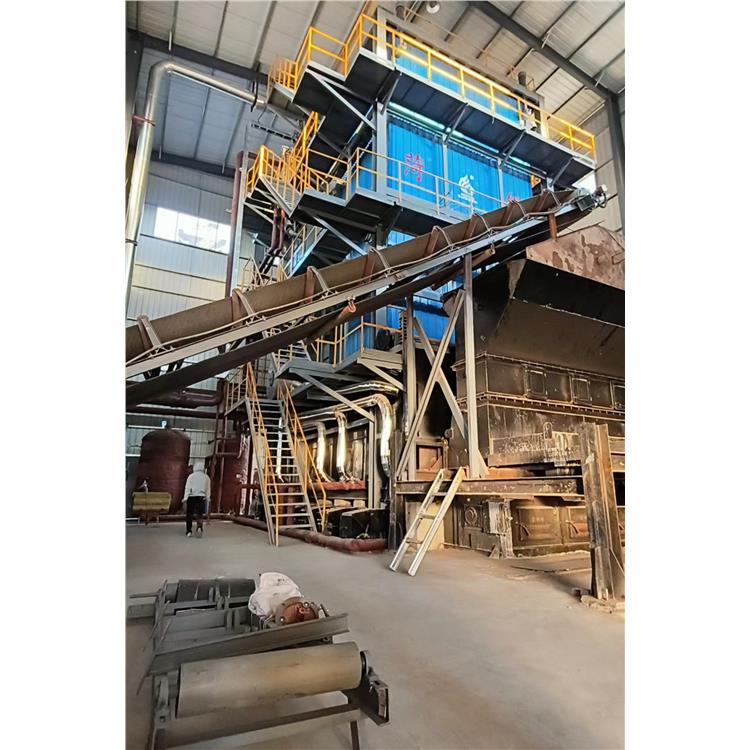



















Shandong Zhongjie Special Equipment (formerly Heze Boiler Factory Co., Ltd.) holds an A-grade boiler manufacturing license, an A2-grade pressure vessel manufacturing license, an A2-grade pressure vessel design license, a B-grade boiler installation license, and GB2/Class and GC2/Class pressure pipeline installation licenses, as well as a mechanical and electrical equipment installation contracting qualification. It is a member of the China Boiler and Water Treatment Association, the China Chemical Equipment Association, and the理事 member of the Shandong Equipment Manufacturing Association. The company has also passed the ISO9001 Quality Management System, ISO14001 Environmental Management System, OHSAS18001 Occupational Health and Safety Management System certifications, and the American ASME/U2 certification.
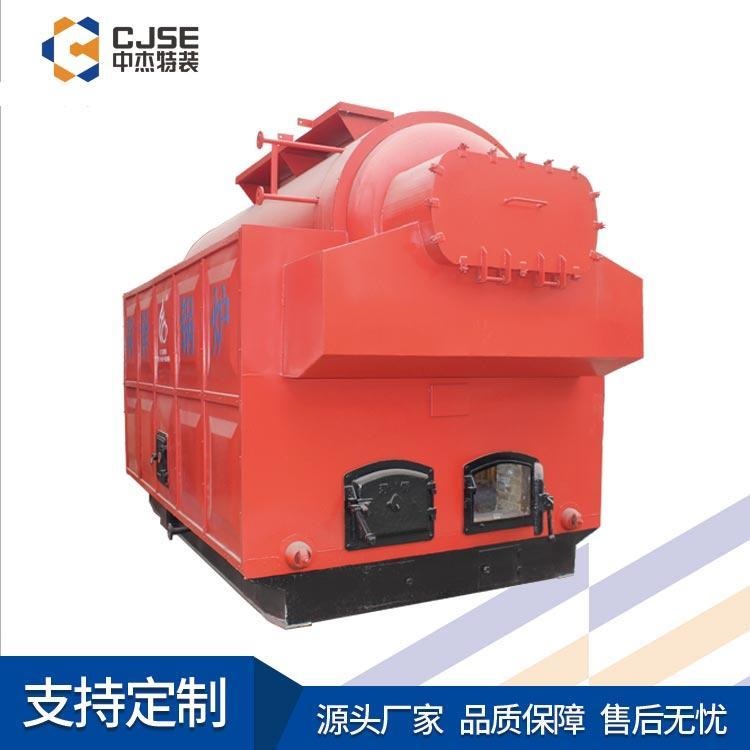
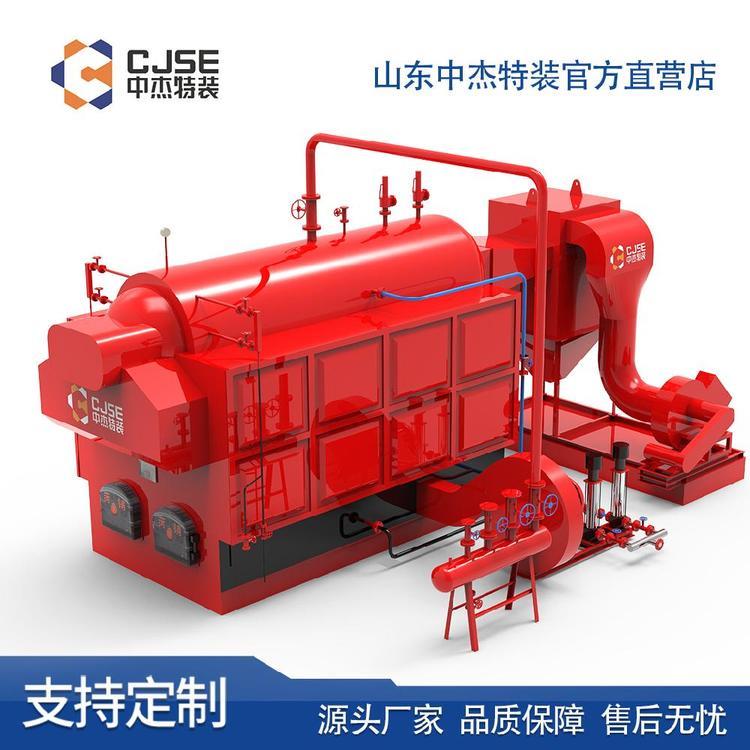
Biomass boilers can generally be divided into two categories based on their applications:
Biomass Hot Water Boiler: Biomass hot water boilers are primarily used for heating and hot water supply. They transfer heat energy to water by burning biomass fuel, producing hot water. This type of boiler is widely used in heating and hot water systems in homes, office buildings, schools, hotels, and other locations.
Biomass Steam Boilers: Biomass steam boilers are primarily used for steam supply in industrial production processes. They generate high-pressure steam at high temperatures by burning biomass fuel, which is utilized to drive machinery, heating, and processing in various industrial applications. This type of boiler is commonly found in industries such as pulp and paper, food processing, and chemicals.
These two types of biomass boilers differ in principle and design, catering to different application scenarios. Whether for hot water or steam boilers, they both utilize the heat energy from biomass fuel, achieving the utilization of renewable energy with environmental protection and energy-saving features.
A biomass boiler safety valve is a device used to ensure the safety of the boiler system. Its primary function is to automatically open and release excessive pressure when the internal pressure of the boiler exceeds the set value, preventing the boiler from exploding or causing other safety incidents.
Biomass boiler safety valves typically consist of a valve body, cover, spring, valve core, and seals. When the internal pressure of the boiler exceeds the set value, the spring is subjected to pressure, pushing the valve core upwards to allow pressure to be discharged through the valve body. Once the pressure drops below the set value, the spring will re-close the valve core, preventing further pressure release.
The set pressure of safety valves is typically determined based on the boiler's design pressure and usage requirements. They should be selected and installed according to relevant standards and regulations, and be inspected and maintained regularly to ensure proper operation and reliability.
The presence of a biomass boiler safety valve effectively safeguards the boiler system's safety, preventing hazardous situations caused by excessive pressure. It is one of the crucial safety devices in the biomass boiler system.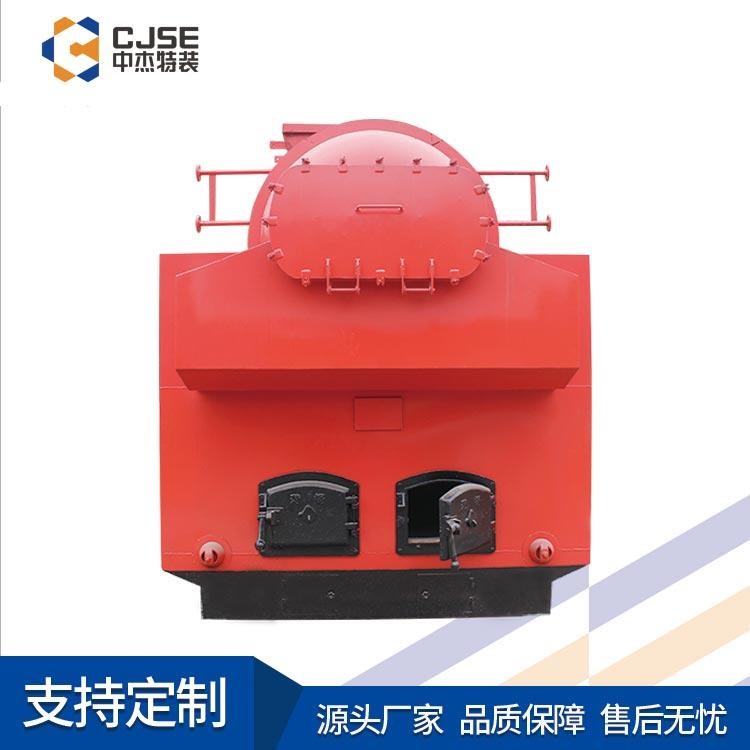
Biomass boilers may experience issues with ash accumulation and slagging during prolonged operation. These problems can affect the boiler's combustion efficiency and safety. Here are methods to address ash accumulation and slagging in biomass boilers:
Regular Cleaning: Regularly cleaning the ash and carbon deposits from the boiler is crucial for preventing scale and slag buildup. Cleaning schedules can be tailored based on the boiler's usage, including the combustion chamber, flue, and heat exchanger. During the cleaning process, appropriate tools and cleaning agents should be used to ensure the removal of ash and carbon deposits.
Adjust combustion parameters: Properly adjusting the combustion parameters of biomass boilers can reduce the occurrence of ash accumulation and slagging. For instance, adjusting the combustion temperature, oxygen supply, and combustion duration can enhance combustion efficiency and decrease ash and slag formation.
Utilize additives: During biomass combustion, special additives like ash and slag inhibitors, and coking inhibitors can be added. These additives reduce the formation of ash and carbon buildup, enhancing the boiler's cleanliness and combustion efficiency. The use of additives should be based on specific circumstances and the manufacturer's recommendations.
Regular Inspections and Maintenance: Regularly inspect and maintain all components of the biomass boiler, including burners, fans, flues, and heat exchangers, to promptly identify and address issues like ash accumulation and coking. During inspections, you can clear clogged parts and repair damaged components, ensuring the boiler operates smoothly.
Note that dealing with biomass boiler ash and slagging issues requires a case-by-case approach. Consult with boiler maintenance personnel or manufacturers for more detailed and accurate advice. Additionally, regular cleaning and maintenance are crucial measures to prevent ash and slagging problems.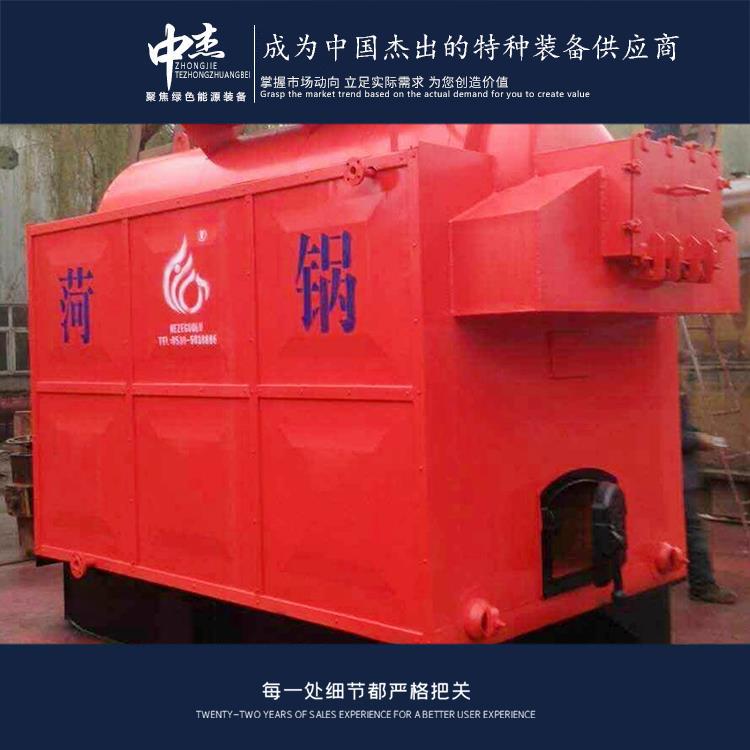
When using biomass boilers, it is important to adhere to the following safety precautions:
Familiarize with the operation manual: Before using the biomass boiler, carefully read and familiarize yourself with the operation manual to understand the boiler's usage, precautions, and safety requirements.
Regular inspections and maintenance: Conduct regular checks on all components and equipment of the biomass boiler to ensure proper operation. Promptly clean the combustion chamber, flue, and ash, maintaining the boiler's cleanliness and unobstructed flow.
Note fuel quality: Select biomass fuel, avoiding damp, contaminated, or harmful fuel. Ensure the fuel quality meets requirements to prevent damage to the boiler and the environment.
Control the combustion process: Reasonably control the combustion process of biomass boilers to ensure stable and efficient combustion. Adhere to proper ignition and shutdown procedures to avoid incomplete combustion or overheating issues.
Prevent overheating and overpressure: Monitor and control the temperature and pressure of biomass boilers to avoid overheating and overpressure. Install and maintain safety valves, pressure gauges, and thermometers, etc., to ensure the safe operation of the boiler.
Prevent Gas Leaks: Regularly inspect and maintain the biomass boiler's gas pipelines and valves to ensure proper sealing and prevent gas leaks. In case of gas leakage, take immediate action to cease use and repair promptly.
Prevent fires: Keep the biomass boiler area clean and tidy, and prevent堆积物 and ignition sources from getting close to the boiler. Install and maintain fire alarms and extinguishing equipment to enhance fire safety.
Training and Awareness Enhancement: Conduct necessary training for operators to improve their operational skills and safety awareness for biomass boilers. Ensure operators are knowledgeable and adhere to relevant safety regulations and procedures.
Here are some safety precautions for the operation of biomass boilers. Adhering to these precautions ensures the safe operation of biomass boilers.
Shandong Zhongjie Special Equipment, welcome customers to visit our factory for business discussions.
WeChat Official Account

Scan to follow Official Account



















