


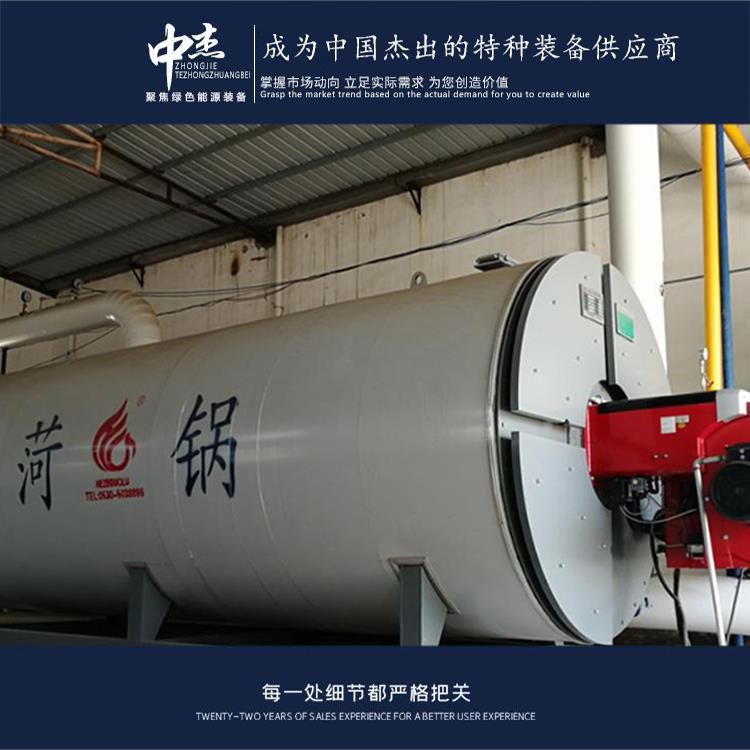

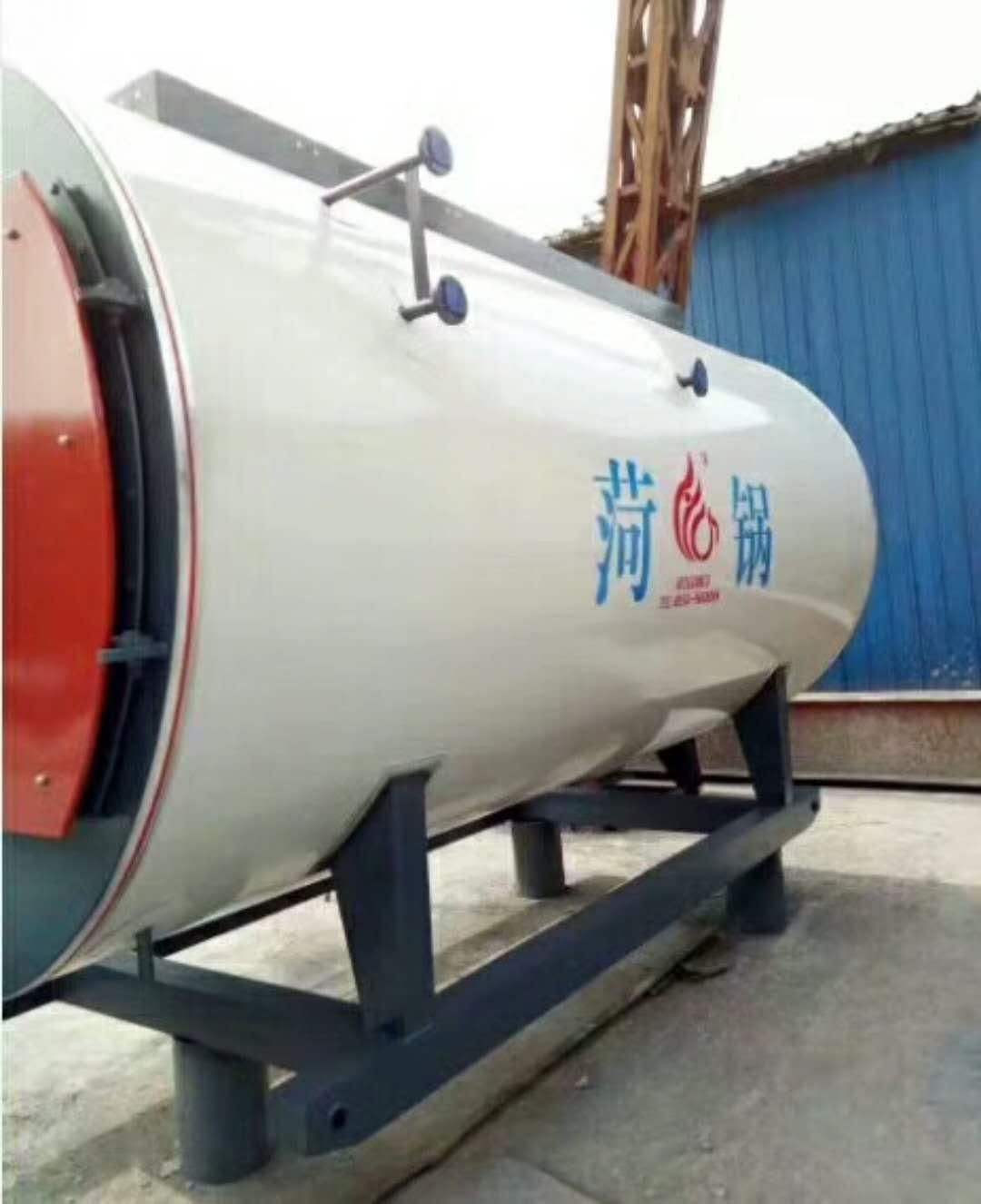
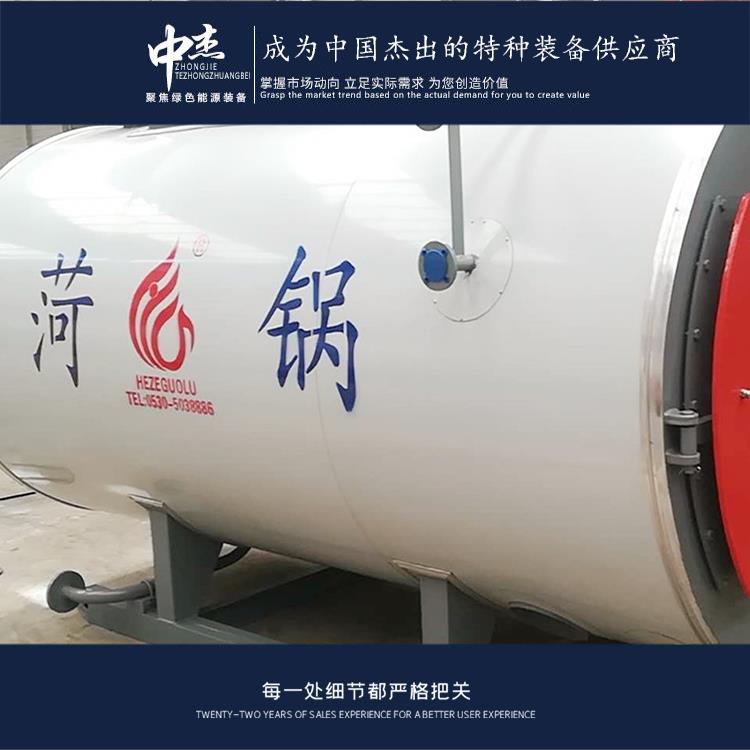


















Shandong Zhongjie Special Equipment (formerly Heze Boiler Factory Co., Ltd.) holds an A-grade boiler manufacturing license, A2-grade pressure vessel manufacturing license, A2-grade pressure vessel design license, B-grade boiler installation license, and GB2/Class, GC2/Class pressure pipeline installation license, as well as equipment and machinery installation contracting qualifications. It is a member of the China Boiler and Water Treatment Association, the China Chemical Equipment Association, and the director unit of the Shandong Equipment Manufacturing Association. The company has also passed the ISO9001 Quality Management System, ISO14001 Environmental Management System, OHSAS18001 Occupational Health and Safety Management System certifications, and the American ASME/U2 certification.
When selecting steam boilers, several key factors should be taken into account:
- Steam Requirements: First, determine the steam requirements of the factory or project, including steam pressure, flow rate, and quality. Choose the appropriate model and specification of steam boiler based on actual needs to ensure it meets the process and production requirements.
- Boiler Type: There are various types of steam boilers, such as fire-tube boilers, water-tube boilers, and gas boilers. Select the suitable type based on the factory's actual conditions and needs. Also, consider the fuel type, such as coal, gas, or biomass, to choose a fuel type that complies with the factory's energy supply and environmental protection requirements.
- Boiler Efficiency: The efficiency of a boiler directly impacts energy utilization efficiency and operating costs. Understand the boiler's thermal and combustion efficiency and select a steam boiler with high efficiency to reduce energy consumption and operating costs.
- Supplier Reputation: Choose suppliers with a good reputation to ensure the quality and reliability of the steam boiler. Refer to customer reviews, industry certifications, and third-party assessments to understand the supplier's reputation and product quality.
- Technical Support and After-Sales Service: Select a supplier that can provide comprehensive technical support and after-sales service. Ensure the supplier can provide installation guidance, training, maintenance, and troubleshooting support to ensure the normal operation and maintenance of the steam boiler.
- Cost and Budget: Finally, based on the budget and economic considerations, choose a steam boiler that meets budget requirements. Consider the purchase cost, operating cost, and maintenance cost to select a steam boiler with a high cost-performance ratio.
It is important to note that the above factors are just some of the key considerations when purchasing a steam boiler, and the specific selection should be determined based on the actual conditions and needs of the factory. It is recommended to communicate and compare with multiple suppliers to obtain more information and advice for an informed decision.
In industrial boiler systems, the critical functional parameters of pumps include the following aspects:
- Flow Rate: The flow rate of a pump refers to the volume of liquid it pumps per unit of time. In industrial boilers, pumps must provide sufficient flow rate to meet the water requirements of the boiler. The flow rate depends on the boiler's rated evaporation capacity and the design requirements of the circulating water system.
- Head: The head of a pump is its ability to overcome fluid resistance and lift the liquid to a certain height. In industrial boilers, pumps must have adequate head to ensure water flows smoothly to all parts of the boiler, including the feed water system and circulating water system.
- Power: The power of a pump is the electrical or mechanical energy required to drive the pump. In industrial boilers, the power of the pump must be determined based on the flow rate and head to meet the needs of the boiler system.
- Efficiency: The efficiency of a pump is the ratio of the energy input to the output fluid energy. Efficient pumps can reduce energy consumption and operating costs. In industrial boilers, choosing an efficient pump can improve the energy efficiency performance of the system.
- Operating Stability and Reliability: Pumps in industrial boiler systems must have good operating stability and reliability. They should be able to run stably for extended periods without being affected by external disturbances or fluctuations, and should be adaptable to different operating conditions.
- It is necessary to select the appropriate pump based on the specific industrial boiler system and design requirements, ensuring that the functional parameters of the pump meet the system's needs. At the same time, the selection and operation of the pump must adhere to relevant standards and specifications to ensure safe and reliable operation.
The gas steam boiler's annual gas consumption for a 1-ton capacity unit depends on various factors, including the efficiency of the boiler, load conditions, and operating hours. Generally, it can be estimated using the following formula: Gas Consumption (m) = Boiler Efficiency × Rated Thermal Power × Operating Hours. Here, the boiler efficiency refers to the boiler's thermal energy utilization efficiency, typically expressed as a percentage; the rated thermal power indicates the boiler's rated thermal output, usually in kilowatts (kW); and operating hours are the duration of the boiler's operation, commonly measured in hours. It's important to note that the boiler's efficiency and rated thermal power can be determined based on the specific model and parameters of the boiler, while the operating hours need to be estimated based on actual usage. Therefore, to accurately calculate the annual gas consumption of a 1-ton gas steam boiler, it is recommended to refer to the technical specifications and operating records of the boiler, or consult the boiler manufacturer or engineer.
Clean and eco-friendly gas boilers offer several advantages:
- Low emissions: The exhaust from gas combustion has relatively low emissions, containing fewer pollutants such as nitrogen oxides and particulates. Compared to coal or oil-fired boilers, gas boilers have lower emission levels and cause less environmental pollution.
- High thermal efficiency: Gas combustion has a high thermal efficiency, allowing for full utilization of fuel energy and reducing energy waste. Compared to other traditional fuels like coal and oil, gas combustion is more efficient, providing more heat energy.
- Clean combustion: Gas combustion does not produce ash or soot, reducing carbon deposits and dirt in the boiler and flue. This reduces cleaning and maintenance work for the boiler, extending its lifespan.
- Combustion stability: The combustion performance of gas is stable, with minimal flame fluctuations and explosion risks during combustion. This makes gas boilers safer and more reliable in operation.
- Quick start and stop: Gas boilers have a faster and more flexible start-up and shutdown process compared to other fuels. This makes them suitable for applications requiring frequent start and stop, such as seasonal heating and hot water needs.
- Renewable energy integration: As a clean fuel, gas can be combined with renewable energy sources, such as solar hot water systems and biomass fuel. This integration can further enhance energy utilization efficiency and environmental friendliness.
Zhongjie Special Equipment adheres to the great vision of "realizing employee dreams, creating customer value, and striving for the prosperity and strength of our motherland," focusing solely on the development of green energy equipment, and devoting products and services with high cost-performance to society!
WeChat Official Account

Scan to follow Official Account



















