


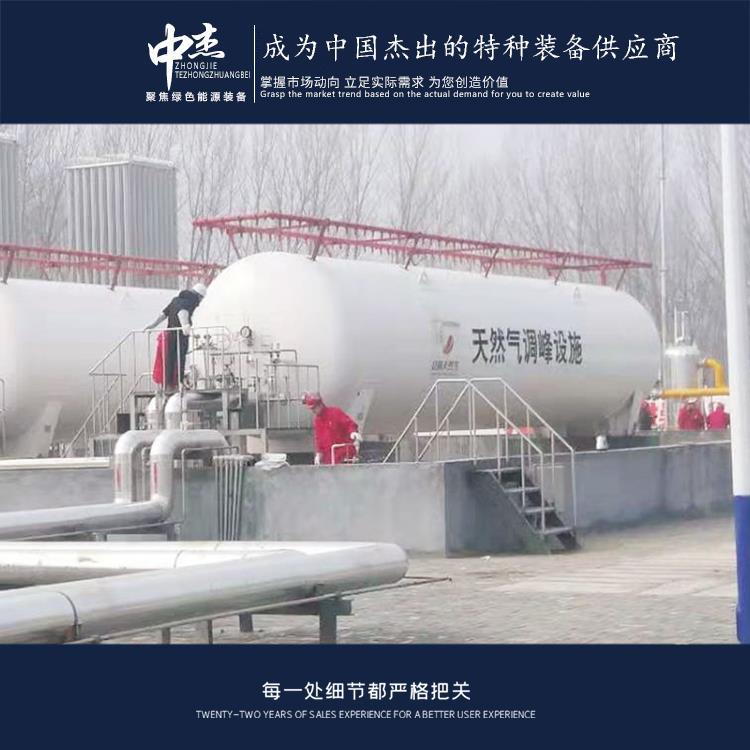

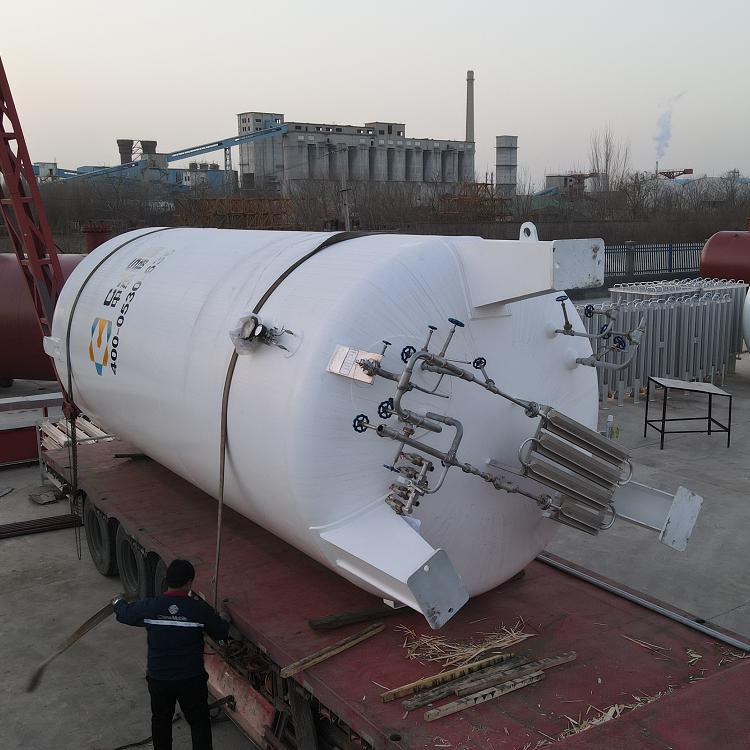
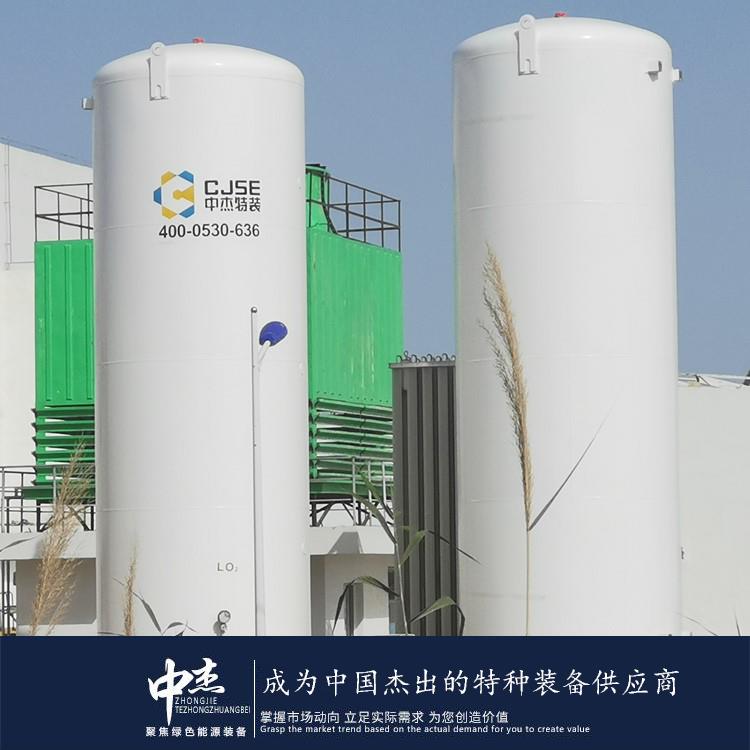


















Shandong Zhongjie Special Equipment's main products include: fuel (gas) boilers, organic heat carrier boilers, biomass boilers, waste heat boilers, and other boiler products; vacuum insulation cryogenic pressure vessels such as LNG tanks, oxygen/nitrogen/argon tanks, and CO2 tanks; pressure vessel products such as denitrification engineering equipment, heat storage and energy storage equipment, and complete chemical equipment; central air conditioning and ventilation equipment such as ground (water) source heat pumps, air source units, water-cooled screw units, and air-cooled modular units. Planned products include large-scale energy centers, LNG transport vehicles, LNG tank containers, and other green energy equipment.
Urea synthesis from carbon dioxide is a significant chemical reaction with several applications: Urea Production: Urea is a vital nitrogen fertilizer and chemical, widely used in both agricultural and industrial sectors. Carbon dioxide synthesis is one of the commonly used methods for urea production. In this process, carbon dioxide reacts under high temperature and pressure to form urea. This method utilizes carbon dioxide resources, reducing reliance on fossil fuels used in traditional urea production methods. Urea Fuel: Urea can also serve as a urea fuel for internal combustion engines and combustion equipment. By heating and decomposing urea, energy is released, which then reacts with oxygen in the air to produce combustion heat. This combustion process only produces water vapor and nitrogen as by-products, reducing environmental pollution. Chemical Synthesis: Urea is an essential raw material for the synthesis of many chemicals. The carbon dioxide synthesis of urea provides a sustainable supply for the chemical industry, used in the production of other chemicals like plastics, resins, paints, etc. Energy Storage: Urea can also act as a medium for energy storage. By synthesizing urea from carbon dioxide, energy can be stored in the form of chemical bonds. When energy is needed, it can be released by decomposing urea, which then reacts with oxygen in the air to produce combustion heat and release the stored energy. The development of carbon dioxide synthesis technology aims to reduce dependence on fossil fuels used in traditional urea production methods, lower greenhouse gas emissions, and promote the development of sustainable agriculture and the chemical industry. However, this technology is still in continuous development and research, requiring further technological breakthroughs and practical verification for large-scale application.
The spacing requirements for carbon dioxide storage tanks are typically governed by relevant safety regulations and standards, with specific spacing demands potentially varying due to factors like location, usage, and tank capacity. Here are some common spacing rules:
- Small spacing between tanks: Generally, the small spacing between adjacent tanks should comply with the requirements of relevant safety regulations and standards. This spacing ensures that if one tank leaks or has an accident, the adjacent tank is not affected.
- Spacing between tanks and buildings: The spacing between tanks and buildings also needs to meet the requirements of relevant regulations and standards. This spacing ensures that buildings are not affected in case of a tank leak or accident.
- Spacing between tanks and equipment: The spacing between tanks and other equipment (such as pipelines, pumps, etc.) should also comply with relevant regulations and standards. This spacing ensures the proper operation and maintenance of the equipment.
- Safety and evacuation routes: Sufficient safety and evacuation routes should be provided around and between tanks to allow for safe evacuation of personnel in emergencies.
It should be noted that specific spacing rules may vary depending on different regions and industries. Therefore, when installing and using carbon dioxide storage tanks, it is essential to refer to local safety regulations and standards and consult with experts to ensure compliance with the relevant requirements.
Additionally, the use of liquid carbon dioxide tanks must adhere to specific industry standards and regulations based on the particular industry and application scenario. For instance, when using liquid carbon dioxide tanks in the food and beverage industry, compliance with food safety and hygiene standards is required. It is important to note that different regions may have varying standards and regulations applicable to the use of liquid carbon dioxide tanks. Therefore, operations and usage should be conducted in accordance with local laws and standards.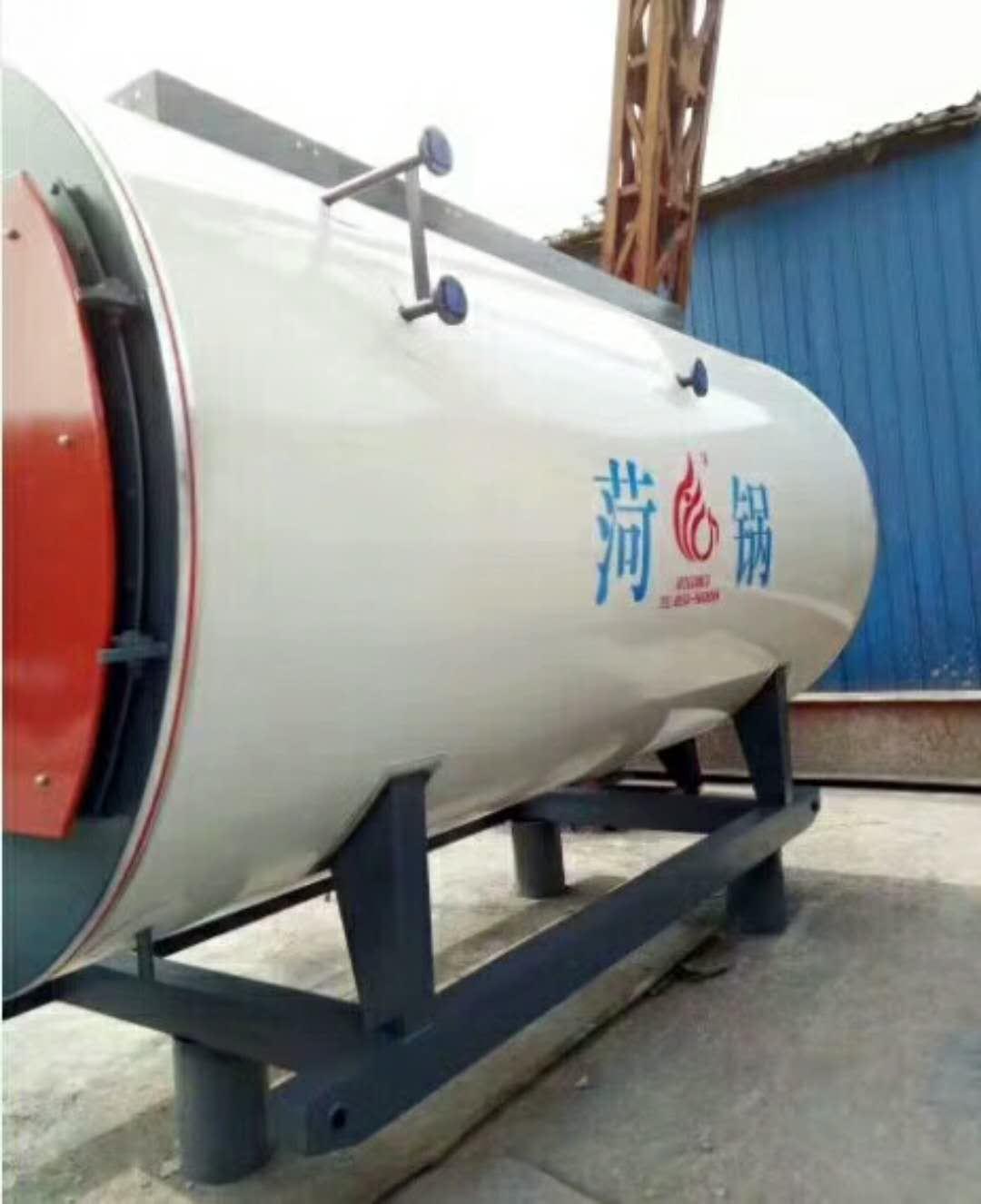
A carbon dioxide storage tank pressure maintenance system is a system designed to maintain the internal pressure of a carbon dioxide storage tank. Since carbon dioxide is a gas at room temperature, it needs to be compressed into a liquid state for storage to increase density. The primary function of the pressure maintenance system is to monitor and regulate the pressure inside the tank, ensuring that the carbon dioxide remains within a safe and stable pressure range. The system typically consists of the following components:
- Pressure Sensors: Installed inside the tank, these sensors monitor the pressure in real-time and transmit pressure signals to the control system.
- Control System: Receives signals from the pressure sensors and controls them based on a pre-set pressure range. When the tank's pressure exceeds or falls below the set range, the control system triggers corresponding control measures.
- Pressure Regulating Valve: Adjusts the pressure inside the tank according to the control system's instructions. When pressure is too high, the valve opens to release some gas and lower the pressure. When pressure is too low, the valve closes to prevent further gas release and increase the pressure.
- Pressure Reserve Device: Generally a pressure vessel used to store additional gas for providing extra pressure support when needed. When the tank's pressure drops, the reserve device releases gas to maintain the tank's pressure.
Through the coordinated operation of these components, the carbon dioxide storage tank pressure maintenance system ensures that the pressure inside the tank remains within a safe and stable range, which is crucial for the normal operation and safety of the tank.
Shandong Zhongjie Special Equipment, welcome customers to our factory for business discussions.
WeChat Official Account

Scan to follow Official Account



















