



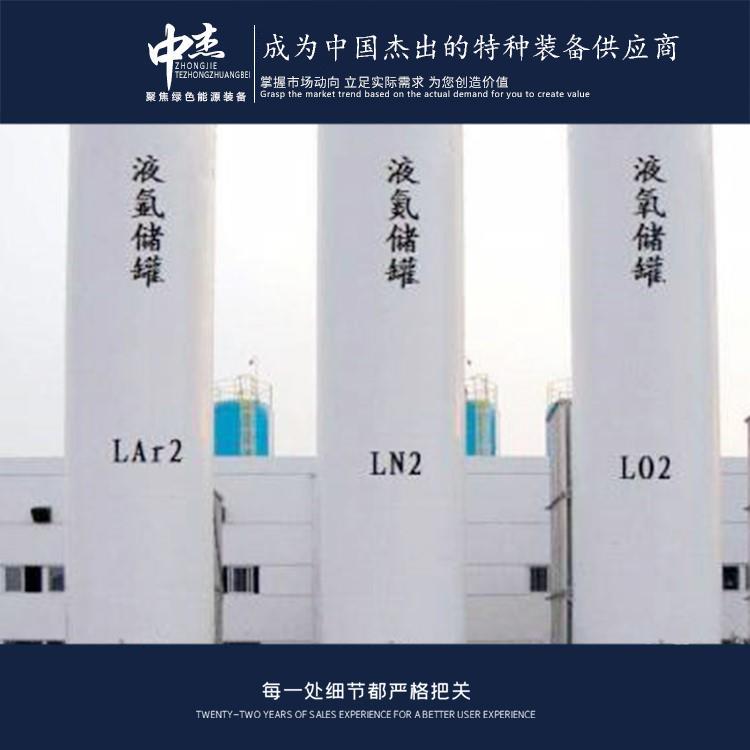
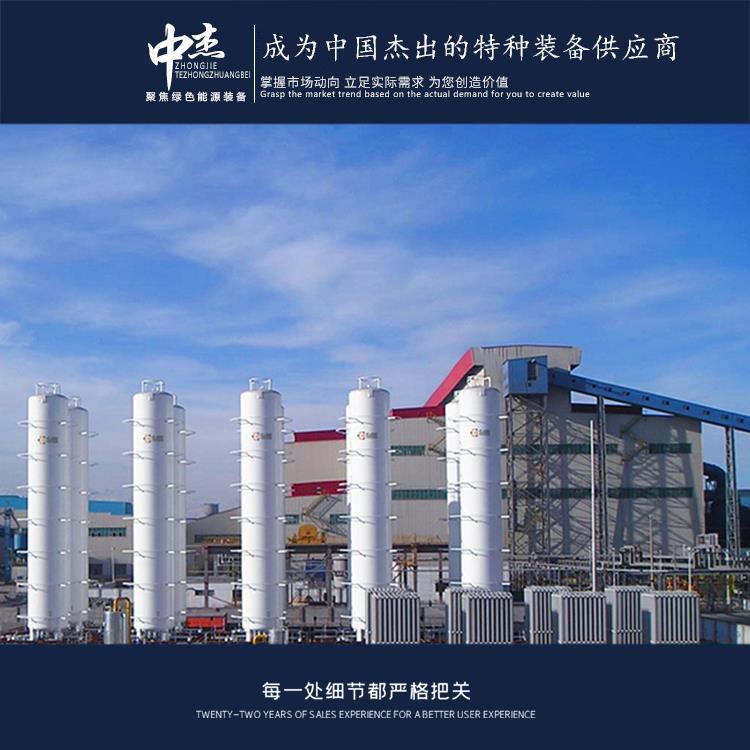


















Shandong Zhongjie Special Equipment (formerly Heze Boiler Factory Co., Ltd.) was established in 2001, located at No. 2218 Jinnan Road, Development Zone, Heze City, with a registered capital of 50 million yuan and total assets of 500 million yuan. The company has 7 business centers: boilers, deep-freeze containers, pressure vessels, central air conditioning, engineering installation, international trade, and Internet of Things. It has three factory sites on Jinnan Road, East Changjiang Road, and Bohai Road, covering a total area of 200,000 square meters, with the main workshop spanning 83,000 square meters. It currently employs 710 people, including 247 engineers and technicians, and 82 intermediate-level technicians. In December 2016, it was recognized as a "High-tech Enterprise" by the Science and Technology Department. In June 2021, it was identified as a "Specialized and New Enterprise in Shandong Province" by the Ministry of Industry and Information Technology. In June 2022, it was recognized as a "Gazelle Enterprise in Shandong Province" and in August 2022, as a "Specialized and New Small Giant Enterprise" by the Ministry of Industry and Information Technology.
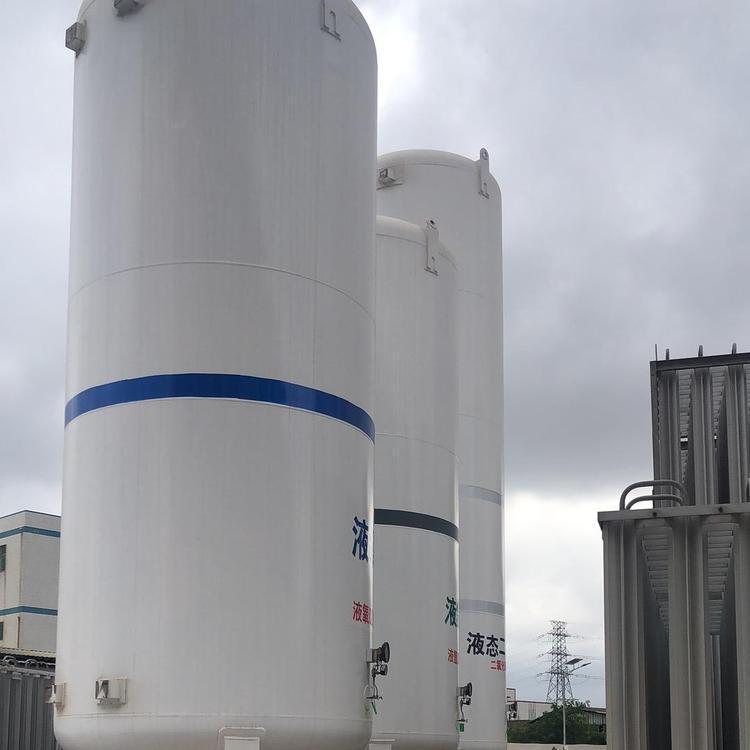
Proper installation of a CO2 storage tank requires the following steps:
Site Preparation: Select an appropriate site for installation, ensuring it is level, stable, and meets safety distance requirements. Clear the site to ensure there are no obstructions or ignition sources.
Foundation Construction: Construct a foundation based on the tank's size and weight. The foundation must have sufficient strength and stability to support the tank's weight and pressure.
Tank Installation: Place the tank on the foundation, ensuring there is adequate cushioning and fastening between the tank and foundation. Connect and secure the tank according to its design requirements.
Pipe Connection: Connect the tank to the piping system as needed. Ensure the connections are sealed properly to prevent leaks.
Safety Equipment Installation: Install the necessary safety equipment for the tank, such as safety valves, pressure sensors, and temperature sensors. Ensure these devices are properly installed and connected.
System Testing: After installation, conduct system tests, including pressure and leak tests, to ensure the tank and piping system operate safely and properly.
Identification and Warning Signs: Set up necessary identification and warning signs on the tank and piping system, including tank capacity and pressure information, to remind operators to be cautious.
Tank Maintenance: After installation, perform regular maintenance and care for the tank, including cleaning, lubrication, and inspections, to ensure normal operation and extend the tank's lifespan.
Installation of CO2 storage tanks should be carried out by qualified installers and in accordance with relevant safety operation procedures and standards. Seek advice and guidance from experts.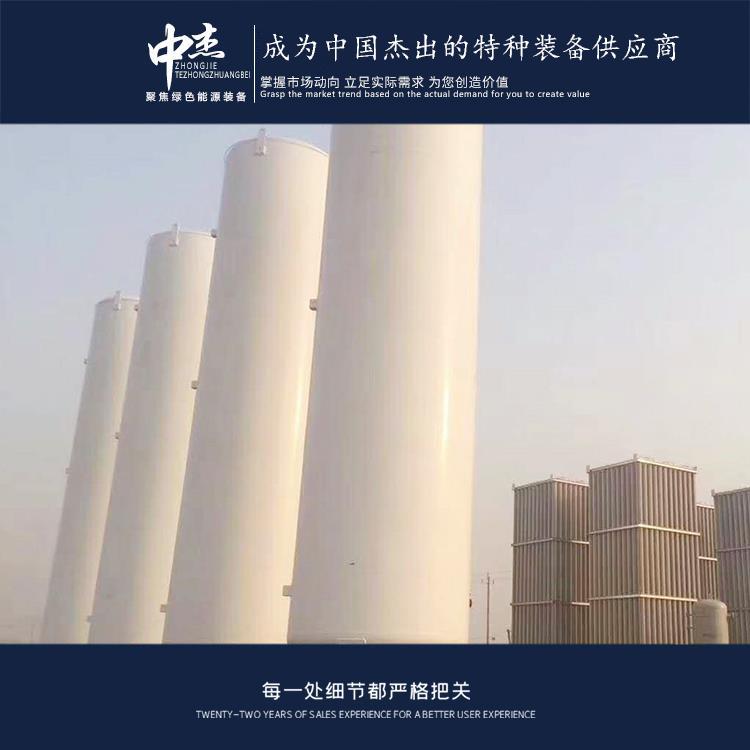
When using carbon dioxide storage tanks, pay attention to the following aspects:
- Safe Operation: Adhere to relevant safety operation procedures and standards, ensuring operators possess necessary safety knowledge and skills. When using the tank, be mindful of safety risks such as leaks, explosions, and fires.
- Pressure Control: Monitor and control the tank's pressure to ensure it remains within a safe range. Avoid exceeding the tank's rated pressure to prevent破裂 or leakage.
- Level Monitoring: Regularly monitor the liquid level within the tank to ensure adequate carbon dioxide. Avoid overfilling or underfilling to maintain an appropriate level.
- Static Electricity Measures: Implement anti-static measures to prevent static buildup and discharge. Use anti-static equipment and tools to ensure static safety during operations.
- Tank Maintenance: Regularly inspect and maintain the tank, including its appearance, valves, and connections. Ensure the tank remains intact to prevent leaks and damage.
- Waste Gas Treatment: Handle waste gases produced by the carbon dioxide storage tank to avoid environmental pollution. Take appropriate waste gas treatment measures, such as collecting and processing the waste gases.
- Storage Records: Document the tank's usage, including filling dates, quantities, and inspection records. Regularly conduct tank inspections and maintenance, and retain relevant records.
- Training and Awareness: Train operators to enhance their awareness and ability in safe carbon dioxide tank operation. Conduct regular safety training and drills to prepare for emergencies.
- Note: The above are common precautions; specific considerations may vary depending on tank types and applications. When using carbon dioxide storage tanks, operate according to relevant specifications and standards, and consult experts to ensure safety and effectiveness.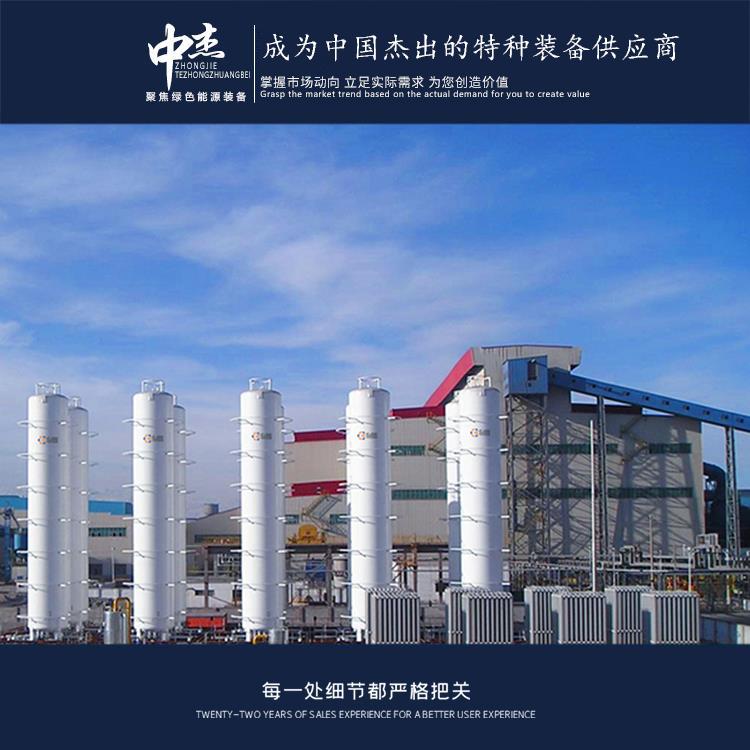
Liquid carbon dioxide filling is the process of injecting liquid carbon dioxide into the storage tank. Here are some precautions to consider when filling a carbon dioxide storage tank:
Safety Operation: Adhere to the relevant safety operation procedures during the filling process. Operators should be trained to understand the characteristics and safety considerations of the tank to ensure safe operation.
Tank Capacity Control: Ensure that the filling process does not exceed the tank's rated capacity. Exceeding the rated capacity can lead to excessive tank pressure, increasing safety risks.
Filling Rate Control: Maintain a moderate filling rate to avoid both too fast and too slow filling. A too rapid filling rate can cause excessive internal tank pressure, while a too slow rate can lead to extended filling times.
Temperature Control: Control the temperature of the liquid carbon dioxide during the filling process. Excessive heat can cause rapid evaporation, while low temperatures can lead to solidification.
Pressure Control: Monitor and control the internal pressure of the tank during filling. Excessive pressure can cause tank rupture or leakage, while low pressure can result in incomplete filling.
Level Monitoring: Regularly monitor the tank's level during filling to ensure accurate measurements and avoid overfilling or underfilling.
Pressure Relief Devices: The tank should be equipped with pressure relief devices, such as safety valves, to control internal tank pressure. The set pressure of these devices should meet relevant requirements and be inspected and maintained regularly.
Environmental Protection: Pay attention to environmental protection during the filling process, avoiding leaks and pollution of liquid carbon dioxide. Take appropriate protective measures, such as using sealed connections and protective devices.
The above precautions should be followed when filling a carbon dioxide storage tank. Adhere to relevant safety regulations and standards during filling operations and consult with experts to ensure safety and effectiveness.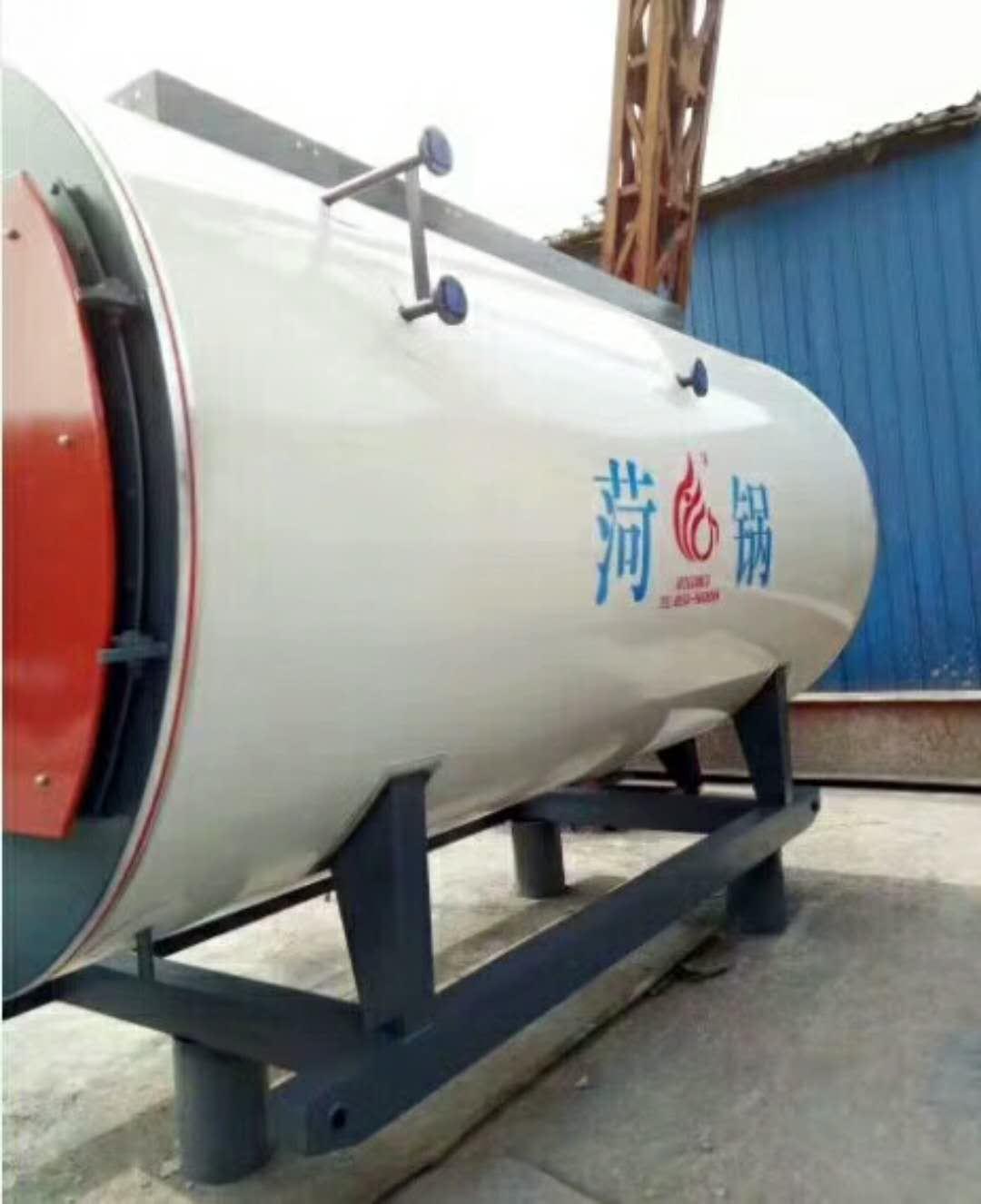
Common defects in carbon dioxide storage tanks during use may include deformation. Some causes of tank deformation include: Overpressure: When the internal pressure of the tank exceeds its design pressure, deformation may occur. This could be due to operational errors, system failures, or other reasons. Temperature Changes: Carbon dioxide tanks expand and contract with temperature changes, and if the temperature changes are too great or too rapid, deformation may result. Internal Corrosion: If there is internal corrosion in the tank, it can damage the structural integrity of the tank, leading to deformation. External Damage: External impacts, compressions, or other physical damages can cause tank deformation. Incorrect Installation or Use: Incorrect installation or usage methods can lead to uneven stress on the tank, causing deformation. Tank deformation can reduce the structural integrity of the tank and even pose risks of leakage or rupture. Therefore, it is important to regularly inspect and maintain the integrity of the tank, as well as to follow proper operational and installation procedures. If tank deformation or other defects are detected, the tank should be immediately discontinued from use and professional assistance sought for inspection and repair. Do not attempt to repair or continue using a defective tank to ensure operational safety.
Shandong Zhongjie Special Equipment, welcome customers to our factory for business discussions.
WeChat Official Account

Scan to follow Official Account



















