


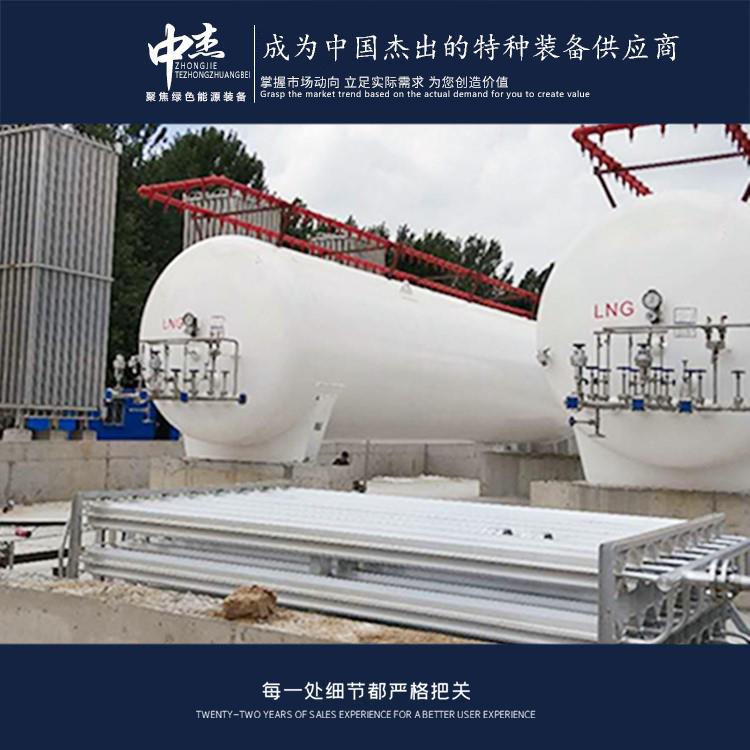

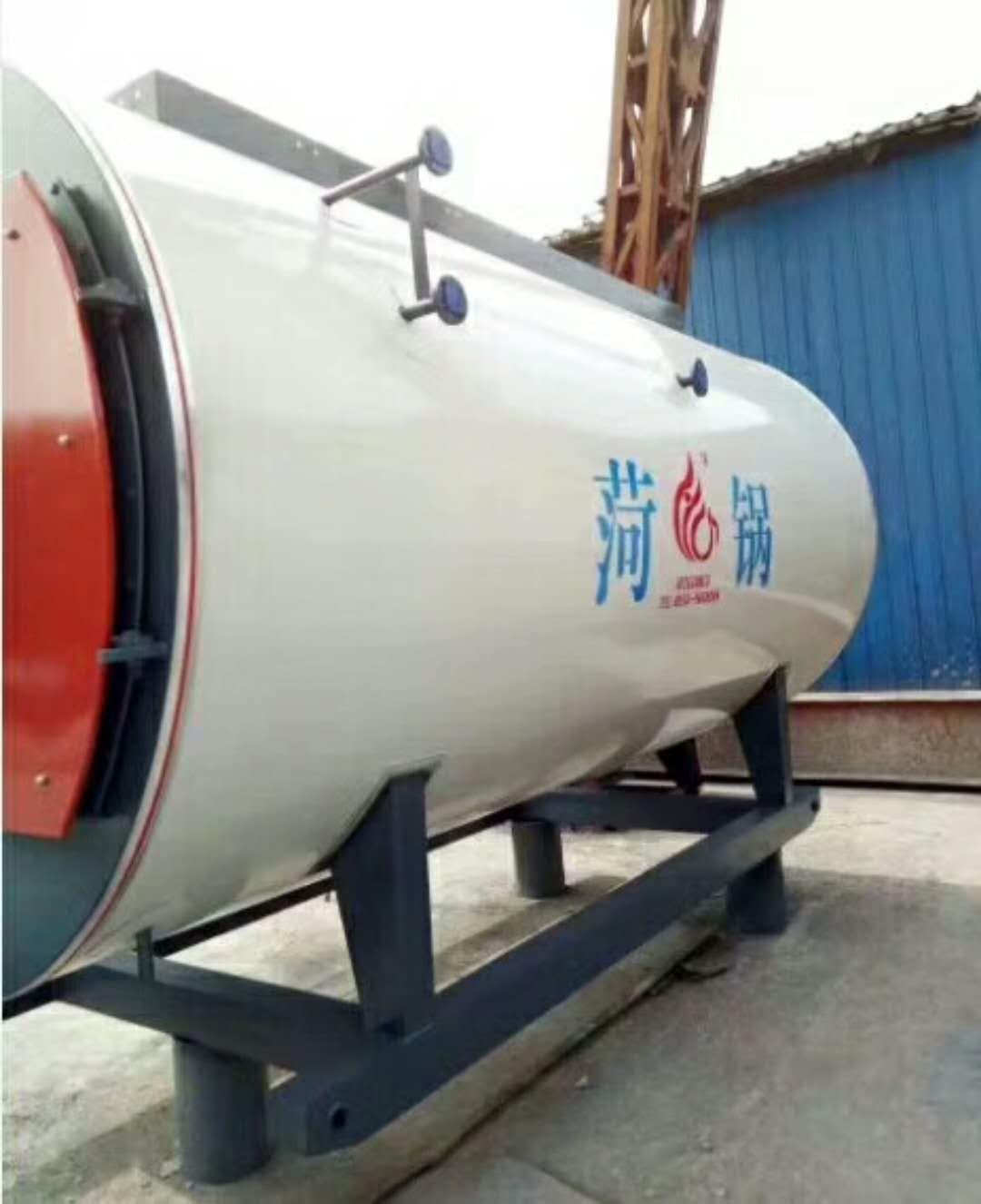
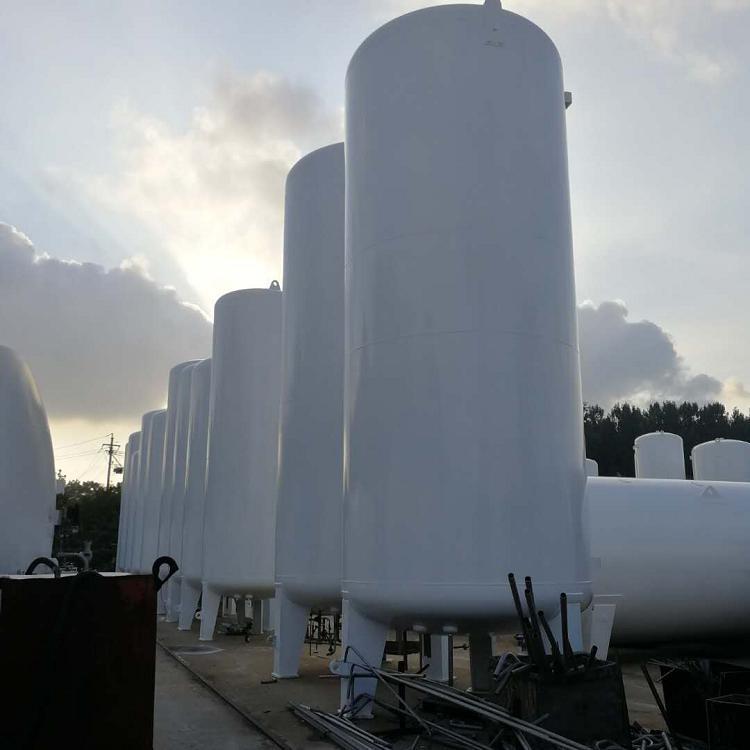


















Shandong Zhongjie Special Equipment Co., Ltd. (formerly Heze Boiler Factory Co., Ltd.) holds an A-grade boiler manufacturing license, an A2-grade pressure vessel manufacturing license, an A2-grade pressure vessel design license, a B-grade boiler installation license, and GB2/Class GC2 pressure pipeline installation licenses, as well as a mechanical and electrical equipment installation contracting qualification. It is a member of the China Boiler and Water Treatment Association, the China Chemical Equipment Association, and the council unit of the Shandong Equipment Manufacturing Association. The company has also passed the ISO9001 Quality Management System, ISO14001 Environmental Management System, OHSAS18001 Occupational Health and Safety Management System certifications, and the American ASME/U2 certification.
When using CO2 storage tanks, the following precautions should be taken:
Safety Operation: Prior to operating a CO2 storage tank, it is mandatory to familiarize yourself with and adhere to the relevant safety operating procedures and guidelines. Ensure that operators have received necessary training and understand the tank's working principle, operating procedures, and emergency measures.
Tank Inspection: Regularly inspect the external and internal conditions of the CO2 storage tank, including checking for corrosion, leaks, and welds on the tank walls. If any abnormalities or damage are found, take immediate corrective or replacement actions.
Tank Pressure Control: Maintain the internal pressure of the tank within a safe range. Monitor and control the tank's pressure to prevent damage or safety risks from excessive or low pressure.
Fire Prevention Measures: CO2 is a flammable gas, so fire prevention measures must be observed when using it. Avoid open flame operations near the tank and ensure the surrounding environment is flame-free.
Leakage Handling: In the event of a CO2 leak, appropriate emergency measures should be taken immediately. Promptly notify relevant personnel, ensure safe evacuation, and take steps to prevent the spread of the leak.
Tank Maintenance: Regularly perform maintenance and upkeep on the tank, including cleaning, lubrication, and corrosion prevention. Follow the manufacturer's recommendations and guidelines to ensure the tank operates normally and has a long service life.
Compliance: Adhere to local regulations, standards, and specifications to ensure that the tank's design, manufacturing, installation, and use meet the corresponding requirements.
It is crucial to strictly follow safety operating procedures when using CO2 storage tanks and to cooperate with relevant personnel to ensure the tank's safety and reliability.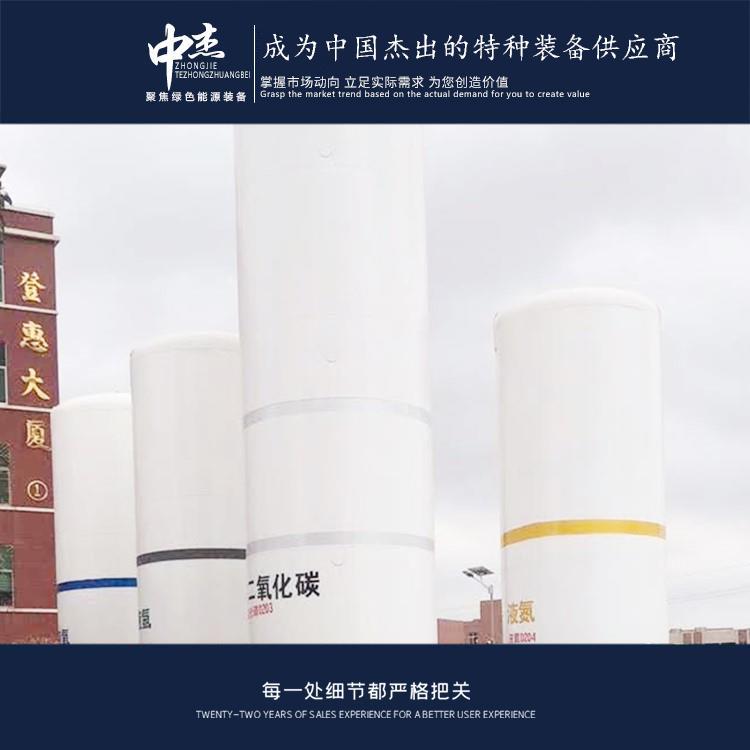
The safe operation of low-temperature carbon dioxide storage tanks is primarily crucial in the following aspects: Design and Manufacturing: The tank's design and construction must comply with relevant standards and regulations to ensure they can withstand working conditions under low temperatures and high pressures. The tank should have sufficient strength and sealing performance to prevent leaks and ruptures. Safety Valves and Pressure Control: The tank should be equipped with safety valves and pressure control devices to ensure the internal pressure remains within a safe range. Safety valves should be regularly inspected and tested to ensure proper functioning. Temperature Control: Effective temperature control is necessary for low-temperature carbon dioxide storage tanks to prevent freezing or embrittlement due to excessively low temperatures. Appropriate insulation materials and equipment should be used to maintain the tank and pipeline temperatures within a safe range. Leak Detection and Alarm: The tank should be fitted with leak detection devices and alarm systems, along with corresponding monitoring equipment. These devices can detect leaks promptly and trigger alarms for appropriate action. Safe Operation and Training: Operators should receive relevant training to understand the safe operation procedures and standards for low-temperature carbon dioxide storage tanks. Operators should be familiar with the tank's characteristics, working principles, and emergency response measures. Regular Inspection and Maintenance: Tanks should be regularly inspected and maintained, including visual inspections, anti-corrosion coating maintenance, and leak detection. Regular inspections can identify potential issues early and allow for timely repair measures. Emergency Preparedness: Establish an emergency response plan and equip with appropriate fire-fighting and first-aid equipment. Operators should be familiar with emergency procedures and capable of responding swiftly to emergencies. Please note that the above points are general recommendations. Specific safe operation should be based on the design and usage requirements of the low-temperature carbon dioxide storage tanks. It is recommended to refer to the relevant safety operation manuals and guidelines before using the tank to ensure operational safety.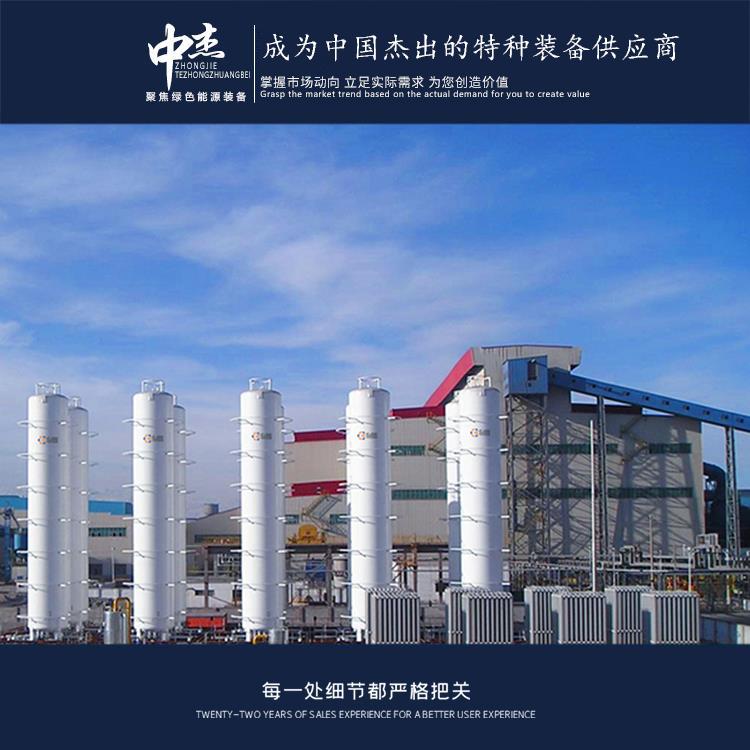
When using carbon dioxide tanks, the following safety procedures must be adhered to ensure safety:
Tank Operator Training: All operators must receive training to understand the characteristics, operational requirements, and safety measures of carbon dioxide tanks. Training should include safe tank operation, leak handling, emergency response plans, etc.
Safety Operating Procedures: Establish and comply with relevant safety operating procedures, including tank start-up, shutdown, inspection, and maintenance. Operators should operate in accordance with the procedures to ensure safe tank operation.
Leak Handling: Establish a leak handling program, including leak detection, emergency shutdown, and isolation of the leak source. Operators should be familiar with the leak handling procedures and able to respond quickly and correctly to leak incidents.
Fire Prevention Measures: Carbon dioxide is flammable; therefore, fire prevention measures must be observed when using the tank. Smoking, open flame operations, or the placement of flammable materials are prohibited near the tank. Ensure that fire protection facilities around the tank are in good condition and that fire drills are conducted regularly.
Waste Gas Emission: Properly discharge waste gases generated during the use of carbon dioxide tanks to avoid the accumulation of carbon dioxide in enclosed spaces, which can lead to asphyxiation and safety risks. Ensure the smooth and proper operation of the waste gas emission system.
Regular Inspection and Maintenance: Regularly inspect the tank's appearance, sealing, valves, and pipe connections. If any abnormalities or damage are found, repair or replacement should be done promptly. Additionally, regularly inspect and maintain safety valves, pressure sensors, and other accessories.
Emergency Response Plan: Develop and implement an emergency response plan, including handling leak incidents, evacuation procedures, and first aid measures. Operators should be familiar with the emergency response plan and conduct drills regularly.
Monitoring and Alarm Systems: Install and maintain the tank's monitoring and alarm systems.
The filling process for carbon dioxide tanks typically includes the following steps:
Preparation: Ensure the tank and filling equipment are in good working condition. Inspect the tank's appearance and valves for any damage or leaks. Check the filling equipment's connecting pipes and valves for loose or leaking connections.
Prepare liquid carbon dioxide: Extract liquid carbon dioxide from the supply source and transfer it to the tank of the filling equipment. Ensure the quality and purity of the liquid carbon dioxide meet the required standards.
Connect filling equipment: Attach the outlet pipe of the filling equipment to the tank's inlet valve. Ensure the connection is secure and there are no leaks.
Open valves: Activate the corresponding valves on the filling equipment and the tank to allow liquid carbon dioxide to flow into the tank. Adjust the valves as needed to control the filling speed and pressure.
Monitor liquid level: Use a level sensor or other level measuring device to continuously monitor the liquid level of carbon dioxide inside the tank. Ensure the level remains within a safe range and avoid overfilling.
Filling complete: Once the liquid level in the tank reaches the predetermined filling quantity, close the corresponding valves on the filling equipment and the tank to stop the filling of liquid carbon dioxide.
Inspection and cleanup: Check the valves and pipe connections during the filling process for leaks. Clean up any remaining liquid carbon dioxide around the filling equipment and tank.
Documentation and reporting: Record relevant information about the filling process, including the filling date, quantity, and level monitoring results. Submit filling reports to relevant departments or management as required.
The above is a general process for filling carbon dioxide tanks. Specific operations should be tailored to the tank's characteristics and requirements. When performing filling operations, follow relevant safety procedures and have trained professionals conduct the work.
ZJ Special Equipment adheres to the great vision of "realizing employees' dreams, creating value for customers, and striving for the prosperity and strength of our motherland," focusing on the development of green energy equipment industry, and dedicating high-value products and services to society!
WeChat Official Account

Scan to follow Official Account



















