


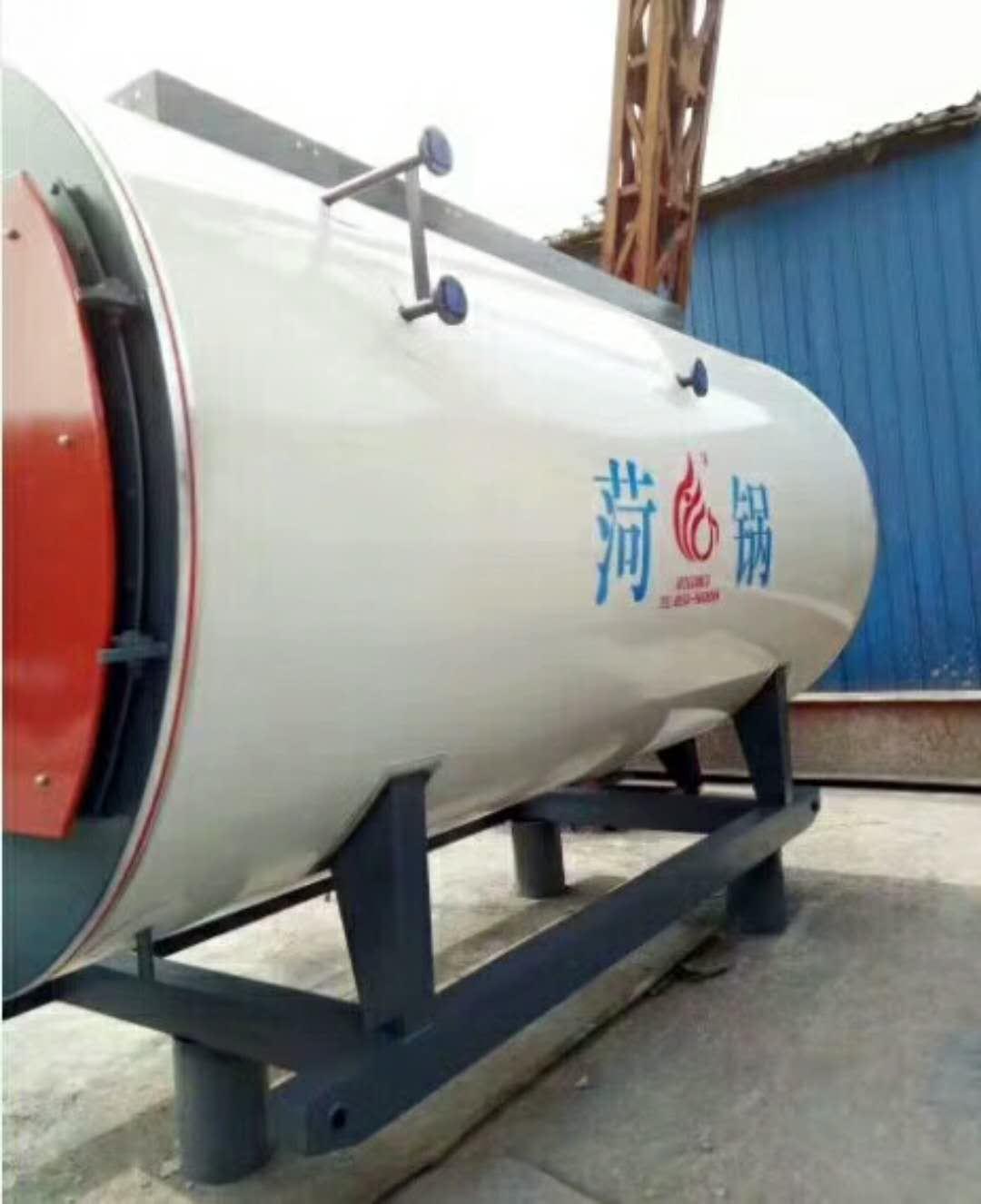

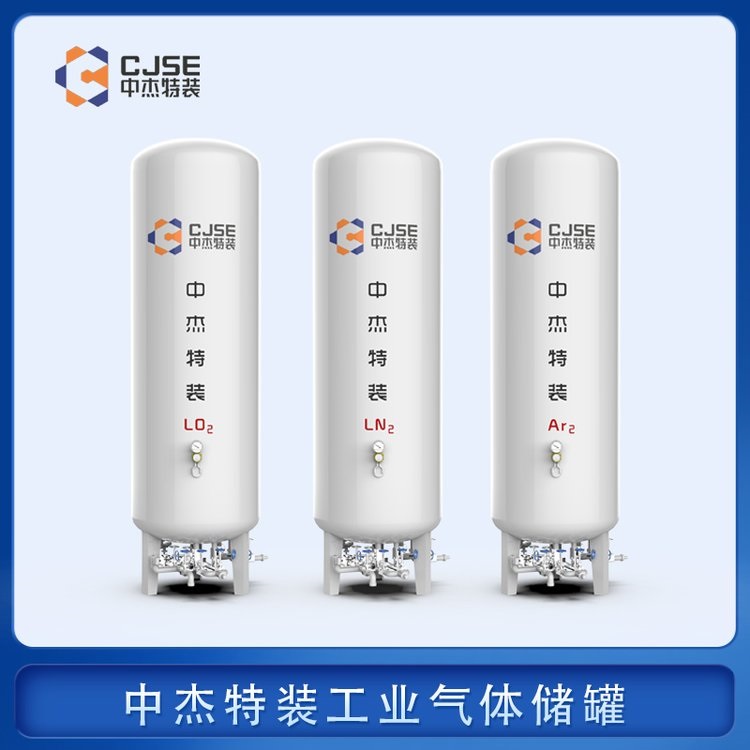


















Shandong Zhongjie Special Equipment (formerly Heze Boiler Factory Co., Ltd.) holds an A-grade boiler manufacturing license, an A2-grade pressure vessel manufacturing license, an A2-grade pressure vessel design license, a B-grade boiler installation license, and GB2/Class, GC2/Class pressure pipeline installation licenses, as well as an electromechanical equipment installation contracting qualification. It is a member of the China Boiler and Water Treatment Association, the China Chemical Equipment Association, and the director unit of the Shandong Equipment Manufacturing Association. The company has also passed the ISO9001 Quality Management System, ISO14001 Environmental Management System, OHSAS18001 Occupational Health and Safety Management System certifications, and the American ASME/U2 certification.
When using carbon dioxide tanks, attention should be given to the following aspects:
Safety Operation: Operators must receive training to understand the characteristics, operational requirements, and safety measures of carbon dioxide tanks. Adhere to relevant safety operation procedures and standards to ensure operational safety.
Tank Inspection: Regularly inspect the tank's appearance, sealing, valves, and pipe connections before use. If any abnormalities or damage are found, repair or replacement should be done promptly.
Tank Placement: Place the tank in a well-ventilated, dry, and fire-free area. Avoid direct sunlight and high-temperature environments to prevent overheating of the tank.
Leak Prevention: Ensure that the valves and pipe connections of the tank are sealed properly to prevent carbon dioxide leaks. Regularly inspect and replace seals, and promptly address any leaks.
Pressure Control: The internal pressure of the tank should be within a safe range. Check the tank's pressure gauge and safety valve before use to ensure proper functioning. Avoid excessive or low pressure to prevent safety accidents.
Fire Prevention: Carbon dioxide is flammable, so fire prevention measures should be taken during use. Smoking, open flame operations, or placing flammable items near the tank are prohibited.
Exhaust Emission: Properly discharge exhaust gases generated during the use of carbon dioxide tanks to avoid carbon dioxide accumulation in enclosed spaces, which can lead to asphyxiation and safety risks.
Emergency Preparedness: Develop and implement an emergency response plan, including procedures for leak incidents, evacuation, and first aid measures. Operators should be familiar with the emergency plan and conduct drills regularly.
Note that carbon dioxide tanks should only be used by trained operators and in accordance with relevant safety operation procedures and standards. Seek advice and guidance from experts.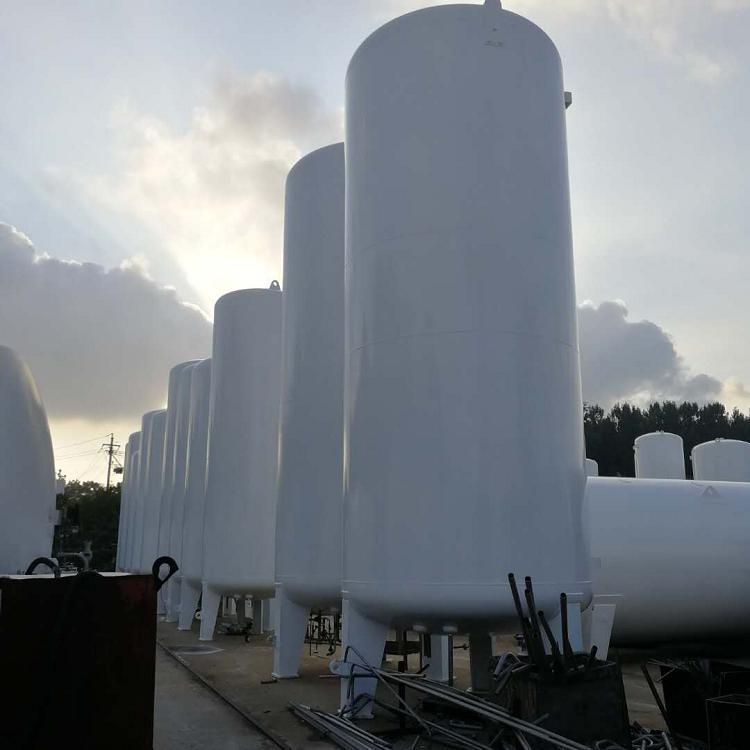
Low Temperature Carbon Dioxide Storage Tank Related Knowledge
1. Structure of Low Temperature Carbon Dioxide Storage Tank
The low temperature carbon dioxide storage tank typically features a double-layered cylindrical structure. The inner cylinder is made of 6MnDR alloy steel, while the outer cylinder is constructed from Q245R or Q345R pressure vessel steel plates. The piping is made of austenitic stainless steel, and the insulation space is filled with high vacuum pearlite sand or wrapped with multiple layers for thermal insulation. The storage tank is equipped with valves for operation, which are strategically placed for ease of use. It also includes a pressure gauge and a level gauge for monitoring the internal pressure and liquid level of the tank.
2. Key Features of Low Temperature Carbon Dioxide Storage Tank
(1) The tank is equipped with a liquid filling connection for tanker trucks, allowing for supply to vaporizers, tanker trucks, and pumps.
(2) Both the inner and outer cylinders of the tank are equipped with safety devices to ensure safe operation for users.
(3) The insulation material of the tank is specially treated to provide a longer vacuum life, and it is also equipped with a vacuum gauge for measuring the insulation space vacuum when necessary.
3. Transportation of Low Temperature Carbon Dioxide Storage Tank
(1) During road transportation, the tank should be securely fastened to the vehicle, travel at moderate speeds, and avoid collisions with other objects.
(2) After the tank arrives, the unloading crew should work with the equipment supervisor to develop a scientific and reasonable unloading plan.
4. Installation of Low Temperature Carbon Dioxide Storage Tank
(1) Upon arrival at the installation site, the tank can be positioned when installation conditions are met. During the installation process, avoid impacts and hits, and pay special attention to the explosion-proof equipment on the outer cylinder and the vacuum valve, which should not be touched.
(2) Perform a gas-tightness test on the inner cylinder system of the tank using nitrogen to the working pressure. After confirming that valves, pipes, flanges, etc., have no leaks, the installation is complete.
(3) The installation dimensions of the tank are specified in the supply materials. When considering liquid filling and emptying with tanker trucks, account for the vehicle's travel path.
二氧化碳储罐的检验频率应根据当地的法规、标准和制造商的建议来确定。一般来说,以下几个因素会影响二氧化碳储罐的检验频率: 法规和标准要求:不同和地区可能有不同的法规和标准,规定了储罐的检验要求和频率。例如,美国的DOT标准要求液化气体储罐每5年进行一次外部检验和每10年进行一次内部检验。 制造商建议:储罐的制造商通常会提供关于检验频率的建议。这些建议基于储罐的设计、材料和使用寿命等因素,可以作为制定检验计划的参考。 使用环境和条件:储罐的使用环境和条件也会影响检验频率。例如,如果储罐暴露在腐蚀性环境中或经常受到机械应力,可能需要更频繁的检验。 一般来说,液化气体储罐的外部检验通常是通过目视检查、超声波检测、磁粉检测等方法进行的,以评估储罐的外部状况和可能存在的缺陷。内部检验可能需要排空储罐,并通过内部检查、厚度测量、焊缝检测等方法来评估储罐的内部状况。 重要的是,储罐的检验应由经过培训和有经验的人员进行,并严格按照相关的法规、标准和制造商的建议进行。定期的检验和维护可以确保储罐的安全性和可靠性,减少事故的风险。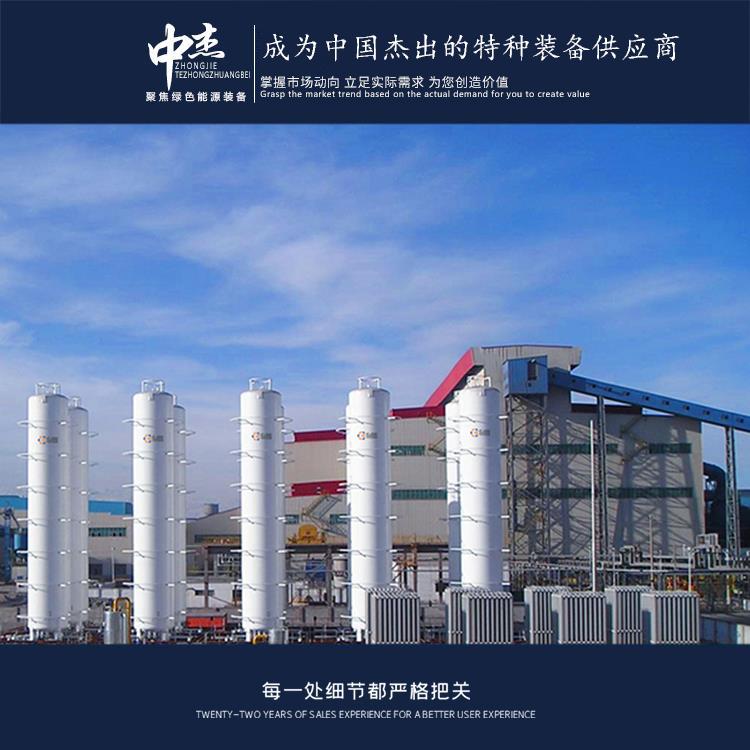
Technical specifications for carbon dioxide storage tanks can be formulated based on different application fields and/or regional standards. Below are some common technical specifications and standards for reference:
ASME Standards: The American Society of Mechanical Engineers (ASME) has issued a series of standards for pressure vessels, including specifications for carbon dioxide storage tanks such as ASME BPVC Section VIII Division 1 and ASME BPVC Section VIII Division 2.
ISO Standards: The International Organization for Standardization (ISO) has published some standards related to pressure vessels, such as ISO 9809-1 and ISO 9809-2, covering design, manufacturing, and inspection requirements for steel cylinders.
GB Standards: The China National Committee for Standardization has issued a series of standards related to pressure vessels, such as GB 150 "Pressure Vessels" and GB 5099 "Steel Cylinders," including design, manufacturing, and inspection requirements for carbon dioxide storage tanks.
DOT Standards: The United States Department of Transportation (DOT) has issued some standards related to pressure vessels and cylinders, such as DOT-3AA and DOT-4BA, covering design, manufacturing, and transportation requirements for liquefied gas storage tanks.
EN Standards: The European Committee for Standardization (CEN) has published some standards related to pressure vessels, such as EN 13445 and EN 14382, covering design, manufacturing, and inspection requirements for liquefied gas storage tanks.
Additionally, other industry standards and specifications may apply to carbon dioxide storage tanks based on specific application needs, such as those related to the food and beverage industry or specific industry standards.
When using carbon dioxide storage tanks, it is essential to select appropriate technical specifications based on specific application requirements and local regulations, ensuring that the design, manufacturing, and use of the tanks comply with the relevant standards and specifications.
Zhongjie Special Equipment adheres to the great vision of "realizing employees' dreams, creating customer value, and striving for the prosperity and strength of our motherland," devoting itself to the development of green energy equipment, and dedicating products and services with high cost-performance to society!
WeChat Official Account

Scan to follow Official Account



















