


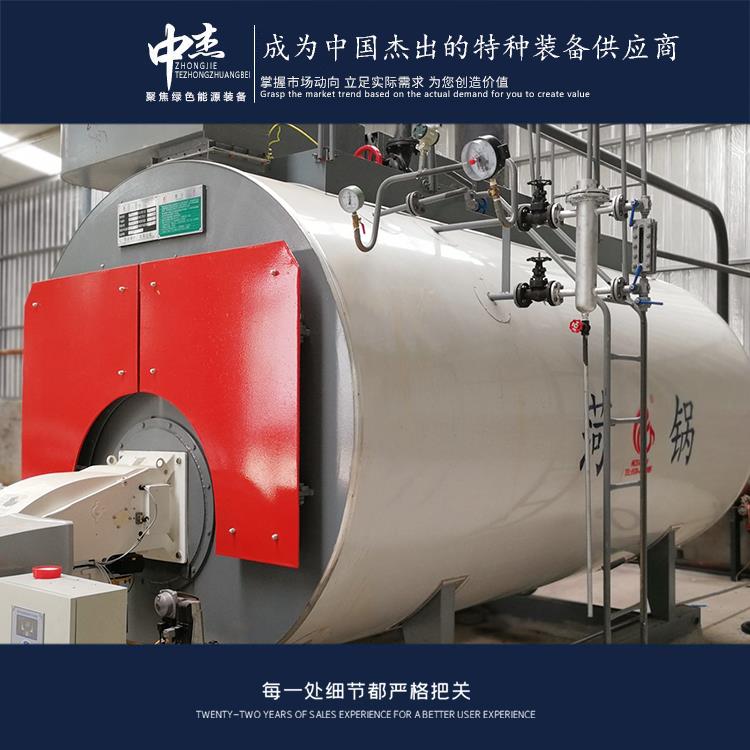

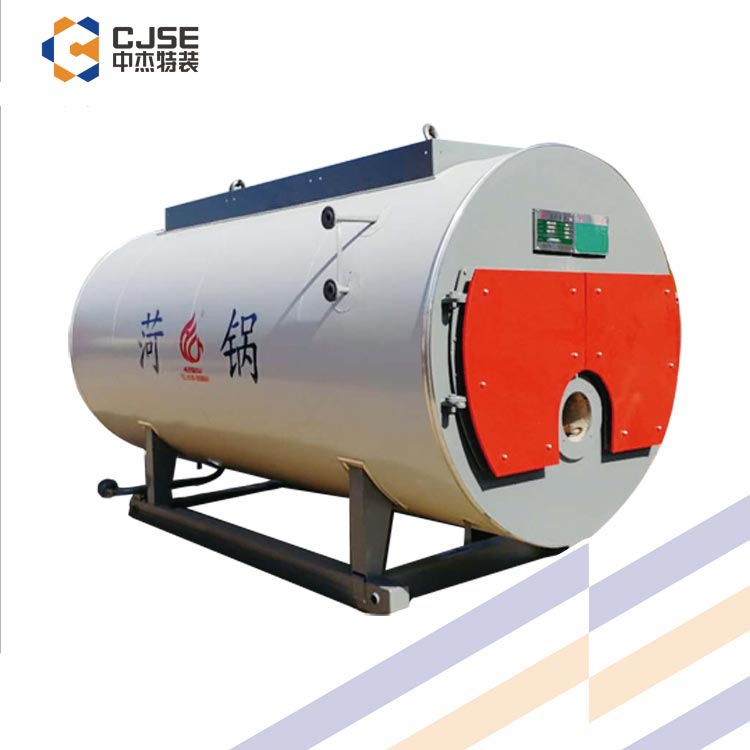
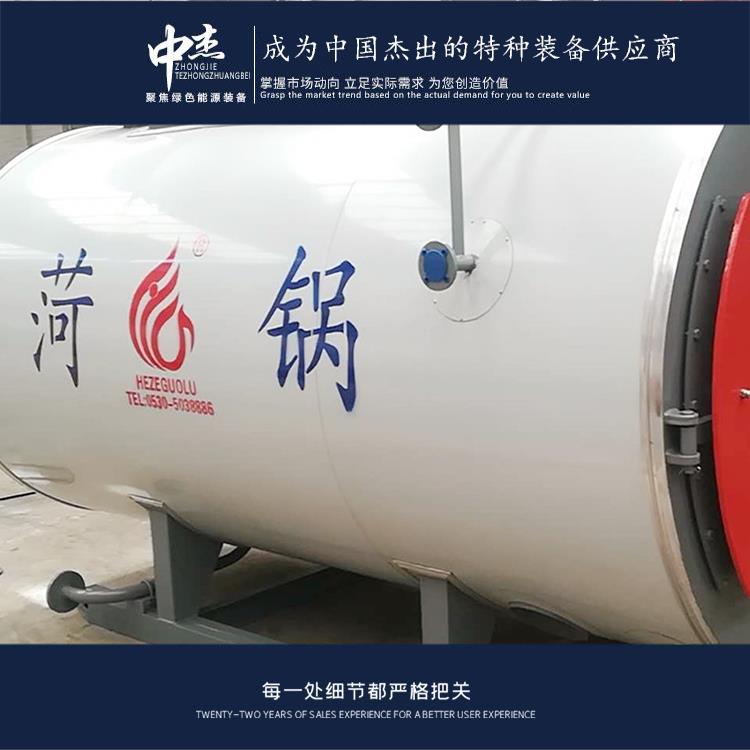


















Shandong Zhongjie Special Equipment (formerly Heze Boiler Factory Co., Ltd.) was established in 2001, located at No. 2218 Jinnan Road, Development Zone, Heze City, with a registered capital of 50 million yuan and total assets of 500 million yuan. The company has 7 business centers: boilers, deep-freeze containers, pressure vessels, central air conditioning, engineering installation, international trade, and Internet of Things. It has three factory sites on Jinnan Road, East Changjiang Road, and Bohai Road, covering a total of 200,000 square meters, with the main workshop spanning 83,000 square meters. It currently employs 710 people, including 247 engineers and technicians, and 82 intermediate-level technicians. In December 2016, it was recognized as a "High-tech Enterprise" by the Science and Technology Department. In June 2021, it was identified as a "Specialized and New Enterprise in Shandong Province" by the Ministry of Industry and Information Technology. In June 2022, it was recognized as a "Gazelle Enterprise in Shandong Province" and in August 2022, it was identified as a "Specialized and New Small Giant Enterprise" by the Ministry of Industry and Information Technology.
The decline in the consumption of thermal oil boilers can be attributed to several factors:
- Combustion Technology: Modern thermal oil boilers employ advanced combustion technologies such as premixed combustion and flame stabilization, enabling complete fuel combustion and enhancing thermal energy utilization, thereby reducing energy consumption.
- Heat Recovery: Thermal oil boilers typically generate a significant amount of excess heat during flue gas emissions. By utilizing heat recovery systems like flue gas heat recovery boilers or heat exchangers, the excess heat in flue gases can be recovered and reused, improving energy efficiency and reducing consumption.
- Intelligent Control Systems: Contemporary thermal oil boilers are equipped with intelligent control systems capable of real-time monitoring and adjustment of operating parameters such as temperature, pressure, and flow rate. This ensures optimal boiler operation, preventing energy waste and loss.
- Energy-saving Retrofitting and Optimization: Older thermal oil boilers can be retrofitted and optimized for energy savings. This includes installing energy-saving equipment like variable frequency drives and modified burners to enhance equipment efficiency. Additionally, optimizing the boiler system, such as improving pipe insulation and reducing leaks, can reduce energy loss.
- Energy Management and Maintenance: Effective energy management and regular equipment maintenance are crucial factors in reducing energy consumption. Implementing energy management measures such as energy monitoring, metering, and fostering energy-saving awareness can identify and address energy waste issues. Regular maintenance and upkeep ensure the smooth operation of equipment, avoiding unnecessary energy loss.
In summary, the decrease in energy consumption of thermal oil boilers can be achieved through combustion technology, heat recovery, intelligent control, energy-saving retrofitting, and effective energy management.
In addressing issues with gas boilers during the heating process, consider the following aspects:
- Check gas supply: Ensure the gas supply is normal and inspect for any blockages or leaks in the gas pipeline. If any issues are found, repair or replace the gas pipeline promptly.
- Clean burners and combustion chambers: Regularly clean burners and combustion chambers to remove dust and grime. This improves combustion efficiency and reduces gas waste.
- Check and adjust the gas-to-air ratio: Ensure the gas-to-air ratio is appropriate for optimal combustion. An incorrect ratio can lead to incomplete combustion or excessive exhaust emissions.
- Inspect and clean heat exchangers: Regularly inspect and clean heat exchangers to remove dust and grime. This enhances heat exchange efficiency and ensures effective heat transfer to the heating system.
- Check and maintain circulating pumps and valves: Ensure the circulating pumps and valves are operating properly to allow smooth flow of hot water or steam into the heating system.
- Inspect and maintain the control system: Ensure the gas boiler's control system is functioning correctly, with accurate control over parameters such as temperature, pressure, and flow. If problems arise, repair or replace the controller promptly.
- Regular maintenance: Conduct regular maintenance on gas boilers, including cleaning, lubricating, and tightening bolts. This extends the boiler's lifespan and reduces the occurrence of malfunctions.
- Training and awareness: Provide employee training to enhance awareness of operating and maintaining gas boilers. Improved knowledge and skills help in effective management and problem-solving during the heating process.
- If issues cannot be resolved or safety concerns arise:
Selecting a reputable gas boiler supplier is crucial. Here are some considerations:
- Reputation: Understand the reputation and market feedback of the gas boiler supplier. Gather information by reviewing customer reviews, industry reports, and certifications from institutions.
- Quality and Performance: The quality and performance of gas boilers directly impact their reliability and efficiency. Learn about the supplier's quality control system, product certifications, and technical support capabilities to ensure their products meet standards and factory requirements.
- Technical Support and After-Sales Service: Choosing a supplier that offers comprehensive technical support and after-sales service is vital. Ensure the supplier can provide training, installation guidance, maintenance, and troubleshooting support to ensure smooth operation of the gas boiler.
- Cost-Effectiveness: Beyond quality and performance, consider the cost-effectiveness of the gas boiler. Consider the purchase, operational, and maintenance costs to select a supplier offering reasonable pricing and value.
Ultimately, choosing a trusted gas boiler supplier requires considering these factors and making a decision based on the specific needs and conditions of your factory. It is recommended to communicate and compare with multiple suppliers to gather more information and advice for an informed choice.
To optimize and improve the planning of gas boiler systems, consider the following aspects:
1. Energy Audit and Assessment: Conduct a comprehensive energy audit and assessment to understand the energy consumption of the gas boiler system and identify potential energy-saving opportunities. Through data analysis and energy measurement, determine the main sources of energy consumption and bottlenecks, providing a basis for subsequent optimization.
2. Combustion System Optimization: Optimize the combustion system of the gas boiler, including adjustments and cleaning of burners, control of the ratio of gas to air, and maintenance of the combustion chamber. Ensure high combustion efficiency and gas utilization, reducing energy waste.
3. Heat Recovery Utilization: Consider installing heat recovery devices such as waste heat recovery units or flue gas heat exchangers. These devices can utilize the excess heat from the flue gas emitted by the gas boiler to heat water or other equipment requiring heat, improving energy efficiency.
4. Pipe Insulation and Leak Inspection: Ensure that the insulation of gas and hot water pipes is effective to reduce energy loss. Regularly inspect for leaks in the pipes and repair them promptly to avoid energy waste and safety hazards.
5. Control System Upgrade: Consider upgrading the control system of the gas boiler to adopt automated control technology. Through precise control and adjustment, achieve optimal operation of the gas boiler.
ZJ Special Equipment adheres to the great vision of "realizing employees' dreams, creating value for customers, and striving for the prosperity and strength of our motherland," and is dedicated to the development of the green energy equipment industry. We commit to society with high-value products and services!
WeChat Official Account

Scan to follow Official Account



















