


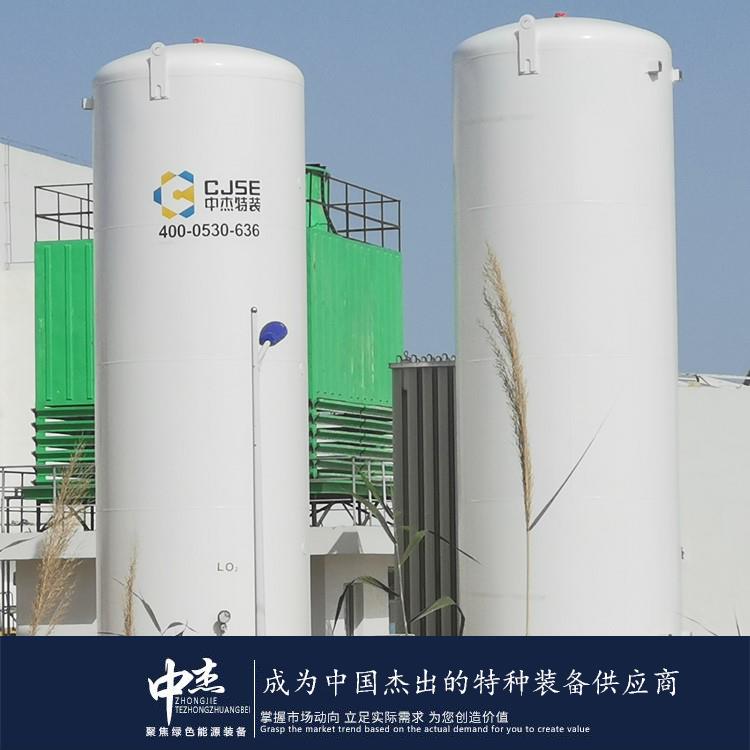


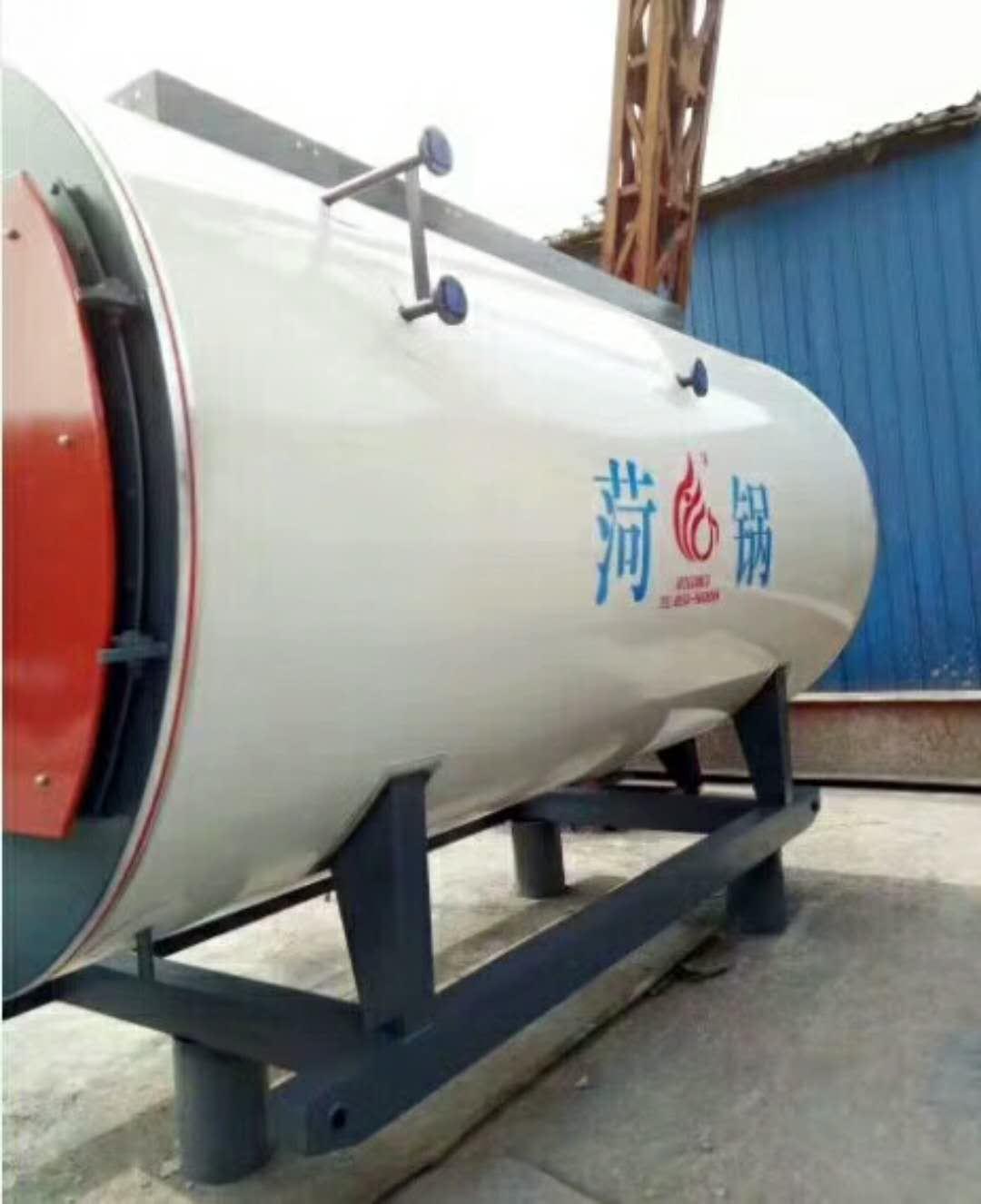


















Shandong Zhongjie Special Equipment (formerly Heze Boiler Factory Co., Ltd.) was established in 2001, located at No. 2218 Jinnan Road, Development Zone, Heze City. With a registered capital of 50 million yuan and total assets of 500 million yuan, the company operates seven business centers: boilers, deep-freeze containers, pressure vessels, central air conditioning, engineering installation, international trade, and the Internet of Things. It has three factory sites on Jinnan Road, East Changjiang Road, and Bohai Road, covering a total of 200,000 square meters. The main workshop spans 83,000 square meters. Currently, there are 710 employees, including 247 engineering and technical personnel and 82 intermediate-level technicians. In December 2016, it was recognized as a "High-Tech Enterprise" by the Science and Technology Department. In June 2021, it was identified as a "Specialized, Fine, and New Enterprise in Shandong" by the Ministry of Industry and Information Technology. In June 2022, it was named a "Gazelle Enterprise in Shandong" and in August 2022, it was recognized as a "Specialized, Fine, and New Small Giant Enterprise" by the Ministry of Industry and Information Technology.
The safe operation of low-temperature liquid storage tanks is primarily crucial in the following aspects:
Tank Design and Material Selection: The tank design must comply with relevant safety standards and regulations, capable of withstanding the pressure and temperature of low-temperature liquids. Select suitable materials, such as stainless steel, aluminum alloy, etc., to ensure the tank's corrosion resistance and low-temperature performance.
Insulation and Protection Measures: Low-temperature liquid storage tanks should be equipped with effective insulation to reduce heat transfer and liquid evaporation. The selection and installation of the insulation should comply with relevant standards and requirements. Additionally, protective measures such as anti-freezing and explosion-proof measures should be implemented to ensure the safe operation of the tank.
Pressure Control and Safety Valves: Low-temperature liquid storage tanks should be equipped with a reliable pressure control system and safety valves to ensure the pressure inside the tank remains within a safe range. The pressure control system should be capable of timely detecting and adjusting the pressure inside the tank, preventing safety risks caused by excessive or insufficient pressure.
Leak and Fire Protection: Low-temperature liquids are highly flammable, so measures must be taken to prevent leaks and fires. Storage tanks and related pipelines should have good sealing and be regularly inspected and maintained to prevent leaks. Additionally, appropriate fire protection equipment and fire-fighting materials should be provided to address fire risks.
Safety Operations and Training: Operators must undergo relevant safety training, familiarize themselves with the safe operation procedures and emergency response measures for low-temperature liquid storage tanks. Adhere to proper operational steps to ensure safe handling.
Regular inspections and
The daily inspection of liquid nitrogen tanks primarily includes the following aspects:
Visual Inspection: Check for any visible damage, deformation, or corrosion on the tank's exterior, including the tank walls, valves, pipes, and joints.
Sealability Inspection: Verify the sealing performance of the storage tank, including checking for any leaks at valve and pipeline connections, and ensuring that the exhaust and safety valves of the tank are functioning properly.
Pressure Check: Verify that the tank's pressure gauge is functioning properly and that the pressure is within the normal range to ensure the tank operates normally.
Level Inspection: Check the liquid nitrogen tank's level to ensure it's within the normal range, avoiding issues caused by either too high or too low levels.
Insulation Layer Inspection: Verify that the tank's insulation is intact, free of damage or detachment, to ensure effective insulation and reduce evaporation losses of liquid nitrogen.
Leak Inspection: Check for signs of liquid nitrogen leakage around the storage tank, including frost, ice, or liquid nitrogen stains on the ground.
Safety Equipment Inspection: Verify that the storage tank's safety equipment, such as leak detectors, alarm systems, and safety valves, are functioning properly to ensure the tank's safety.
Cleaning Inspection: Regularly clean the interior of tanks to remove accumulated impurities and dirt, maintaining cleanliness and hygiene of the tanks.
The above outlines the daily inspection requirements for liquid nitrogen tanks. The specific inspection items should be adjusted and supplemented based on the tank's model, usage, and relevant regulations. During the inspection process, strict adherence to operational procedures and safety requirements is essential to ensure the safe operation of the tank.
Maintenance and protection of liquid argon tank accessories are crucial for ensuring the normal operation and extending the service life of the tank. The following are general methods for maintaining and protecting liquid argon tank accessories:
Valve Maintenance: Regularly inspect and maintain valves within tank accessories, including inlet valves, exhaust valves, and safety valves. Ensure valves operate smoothly and reliably, free of leaks and jamming. Regularly lubricate the valves and remove any debris and dirt on them.
Pressure Relief Device Maintenance: The pressure relief devices (such as safety valves) in the liquid argon storage tank accessories are critical components ensuring the safety of internal tank pressure. Regularly inspect and test the operational status of the pressure relief devices to ensure proper functioning. Clean and repair as needed.
Sensor and Instrument Maintenance: Sensors and instruments within the liquid argon storage tank accessories are used to monitor and control parameters such as tank temperature and pressure. Regularly calibrate and inspect the accuracy and reliability of the sensors and instruments. Keep sensors and instruments clean and in proper working condition.
Insulation Protection: The insulation layer of liquid argon storage tank accessories is crucial for maintaining the low temperature state of liquid argon. Regularly inspect the integrity and insulation performance of the insulation layer, and repair or replace damaged insulation materials. Avoid mechanical damage or contamination to the insulation layer.
Cleanliness and Anti-corrosion Protection: Regularly clean the tank accessories and remove impurities and dirt from their surfaces. Periodically inspect and maintain the anti-corrosion coating on accessories to prevent rust and oxidation.
Regular inspections and maintenance: Conduct comprehensive inspections and maintenance of the liquid argon tank accessories on a regular basis, including appearance, fasteners, and seals. Promptly identify and address any damage, leaks, or other issues with the accessories.
Record and Document Management: Document each maintenance and service outcome, including the maintenance date, services performed, issues found, and corresponding measures. Establish comprehensive management records and documents for tracking and managing the operation of accessories.
Note that maintenance and protection of liquid argon cylinder accessories should be performed by trained personnel, adhering to relevant specifications and standards. Ensure safety during maintenance and operation, and consult with experts for accurate guidance.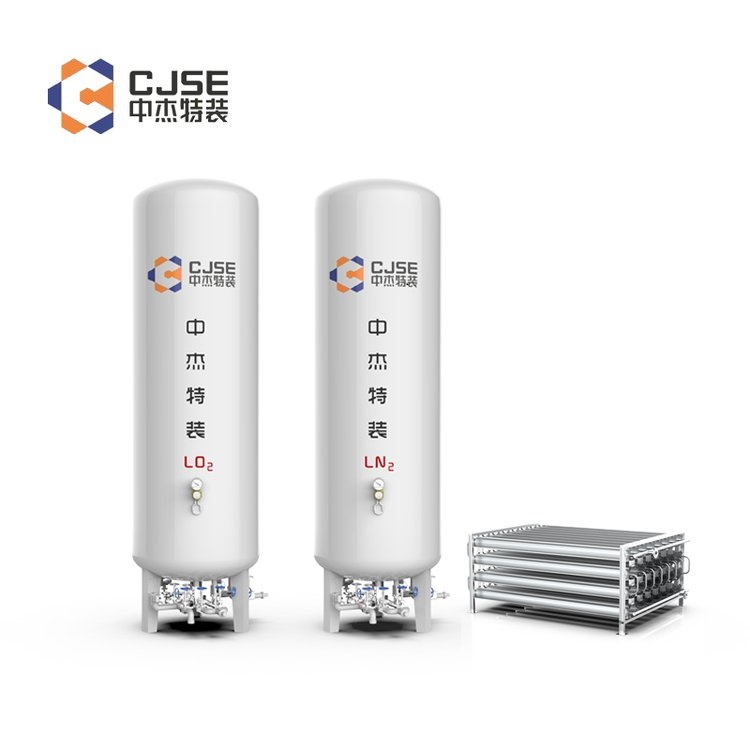
Daily inspections of liquid nitrogen tanks should include the following aspects:
Level Check: Regularly inspect the liquid nitrogen tank's level to ensure it is within the normal range. This can be done using a level gauge or a level ruler, etc.
Pressure Check: Inspect the tank's pressure to ensure it is within the safe range. Pressure gauges or pressure sensors can be used for the check.
Insulation Layer Inspection: Verify that the storage tank's insulation layer is intact, without any damage or detachment. The integrity of the insulation layer is crucial for reducing heat transfer and the evaporation of liquid nitrogen.
Leakage Inspection: Check for signs of liquid nitrogen leakage around the tank, such as evaporated mist, frosting, or freezing. If a leak is detected, take immediate action to repair it.
Valve and Pipe Inspection: Verify that the valves and pipes of the tank are functioning properly without any gas leaks or blockages. Ensure the tightness and free flow of the valves and pipes.
Safety Device Inspection: Examine the safety devices of the storage tank, such as pressure relief valves, temperature sensors, and level alarms, to ensure they are functioning properly.
Tank External Cleaning: Regularly clean the external surfaces of the tank to remove dust, dirt, and debris. Maintain the tank's appearance for easy inspection and maintenance.
Tank Records and Documentation: Timely record the inspection results and maintenance records of the tank, including liquid levels, pressure, insulation status, and leakage conditions. These records aid in monitoring the tank's operational status and in identifying issues promptly.
Above are the daily inspection items for liquid nitrogen tanks. Regularly performing these checks ensures the safe operation and effective use of the tanks. At the same time, follow relevant safety regulations and operational guidelines to ensure the safety of personnel and equipment.
Shandong Zhongjie Special Equipment, welcome customers to our factory for business discussions.
WeChat Official Account

Scan to follow Official Account



















