



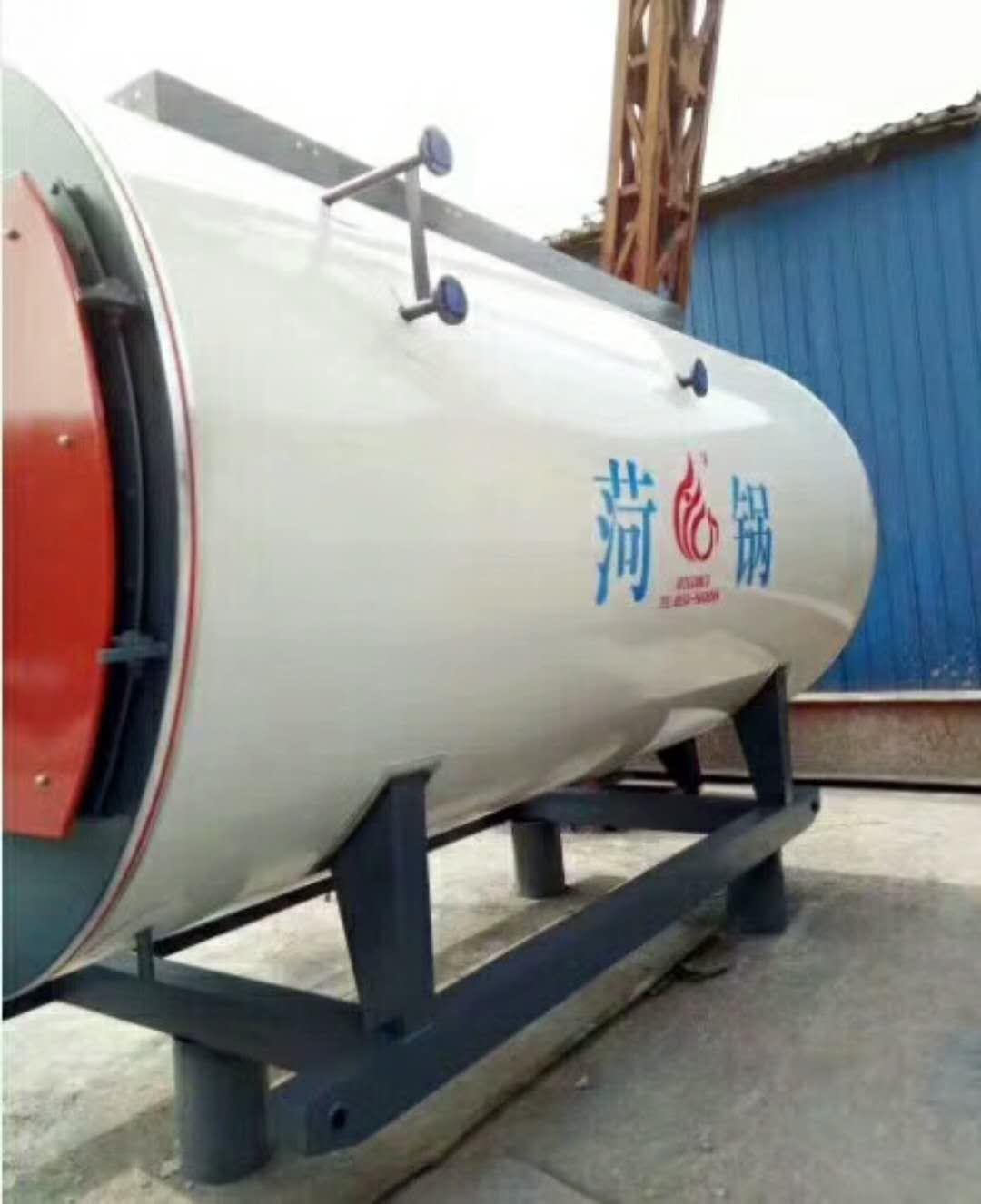


















Shandong Zhongjie Special Equipment (formerly Heze Boiler Factory Co., Ltd.) holds an A-grade boiler manufacturing license, A2-grade pressure vessel manufacturing license, A2-grade pressure vessel design license, B-grade boiler installation, and GB2/Class, GC2/Class pressure pipeline installation licenses, as well as mechanical and electrical equipment installation contracting qualifications. It is a member of the China Boiler and Water Treatment Association, the China Chemical Equipment Association, and a council member of the Shandong Equipment Manufacturing Association. The company has also passed the ISO9001 Quality Management System, ISO14001 Environmental Management System, OHSAS18001 Occupational Health and Safety Management System certifications, and the American ASME/U2 certification.
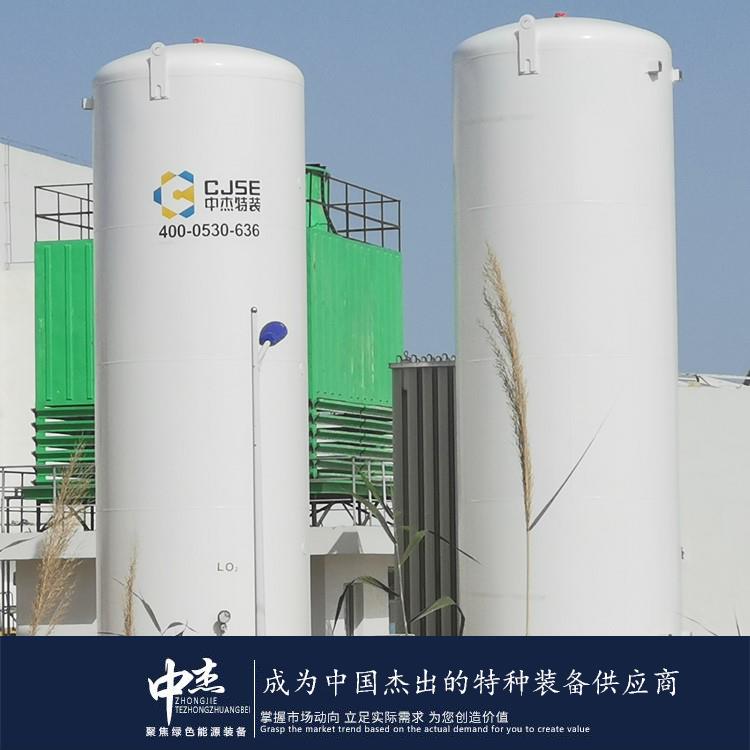
When using a 50-cubic-liter liquid oxygen storage tank, the following safety concerns should be noted:
Tank Pressure Control: Ensure the liquid oxygen pressure within the tank remains within a safe range. Monitor and control the tank's pressure to avoid risks posed by excessive or low pressure.
Leakage and Fire Prevention: Regularly inspect the tank and associated pipelines for tightness to prevent liquid oxygen leakage. Liquid oxygen is highly flammable and fire prevention measures must be taken to ensure there are no ignition sources around the tank.
Explosion-proof measures: Oxygen in the liquid oxygen storage tank may cause an explosion upon contact with flammable materials. Ensure there are no flammable items around the tank and implement explosion-proof measures, such as explosion-proof electrical equipment and static grounding.
Safety valves and exhaust systems: Tanks should be equipped with safety valves and exhaust systems to prevent overpressure conditions. Ensure the proper operation of the safety valves and the unobstructed flow of the exhaust system.
Routine Maintenance and Inspection: Regularly maintain and inspect the storage tank, including cleaning, coating protection, and anti-corrosion treatment. Ensure the structural integrity and safety of the tank.
Safety Operation and Training: Operators must undergo relevant safety training to understand the safe operation procedures and emergency response measures for liquid oxygen tanks. Adhere to correct operational steps to ensure safe operation.
Environmental Monitoring: Regularly monitor environmental parameters such as oxygen concentration and temperature around the storage tanks to ensure safety.
Emergency Preparedness: Develop an emergency response plan, including measures for leaks, fires, and explosions. Equip with appropriate emergency equipment and firefighting gear to handle unexpected incidents.
Above are some safety issues to be aware of when using a 50-cubic-liter liquid oxygen storage tank. To ensure safety, it is recommended to follow relevant safety regulations and operation guidelines, and seek assistance and guidance from experts when necessary.
Proper management regulations for the use of low-temperature liquid storage tanks encompass the following aspects:
Tank Selection and Installation: Choose an appropriate low-temperature liquid storage tank and ensure it complies with relevant standards and regulations. The installation of the tank should be carried out by personnel and operated in accordance with the manufacturer's instructions and requirements to ensure stability and safety.
Safety Operating Procedures: Establish and implement safety operating procedures for liquid storage tanks, including startup, shutdown, filling, and venting procedures. Operators must receive training to understand the characteristics of liquid storage tanks, safety precautions, and emergency response measures.
Safety Equipment and Protective Measures: Tanks should be equipped with necessary safety devices, such as pressure sensors, safety valves, and leak detectors, to monitor and control the pressure and temperature of the tank. Additionally, operators should wear appropriate personal protective equipment, like insulated gloves and protective suits, to ensure their safety.
Regular Inspections and Maintenance: Conduct regular checks and maintenance on low-temperature liquid storage tanks, including examining the tank's appearance, seals, and corrosion protection. In case of any issues, promptly repair or replace the tank to ensure its proper operation and safety.
Waste Management: Abandoned low-temperature liquid storage tanks should be disposed of in accordance with relevant environmental protection regulations. The residual liquids in the abandoned tanks should be handled properly to prevent environmental pollution.
Tank Record and Tracking: Establish tank usage records, including filling dates, filling volumes, usage status, etc. Additionally, it is recommended to set up a tank tracking system for monitoring and managing tank usage and maintenance.
Here are some common management regulations for low-temperature liquid storage tanks, with specific regulations varying by industry and region. When using low-temperature liquid storage tanks, adhere to relevant laws and standards and establish suitable management measures based on the actual situation.
The installation of the safety valve in a liquid oxygen storage tank is a crucial component to ensure that the tank can release pressure in a timely manner during overpressure situations, protecting the tank and associated equipment. Below are the steps for installing the safety valve in a liquid oxygen storage tank:
Determine the rated pressure of the safety valve: Select an appropriate safety valve based on the design pressure and flow requirements of the liquid oxygen storage tank. Ensure that the rated pressure of the safety valve meets the tank's specifications and complies with relevant safety standards and regulations.
Installation Location Selection: Choose a suitable location to install the safety valve. Typically, the safety valve should be mounted on the top or side of the liquid oxygen storage tank to ensure timely pressure release in the event of overpressure.
Prepare installation interfaces: Prepare the corresponding interfaces based on the connection method of the safety valve. This may include welding interfaces, threaded interfaces, or flange interfaces, etc. Ensure the sealing integrity and secure connection of the interfaces.
Install the safety valve: Mount the safety valve onto the prepared interface. Follow the installation instructions for the safety valve to ensure it is properly connected and secured.
Adjustment and Testing: After installation, adjust and test the safety valve according to its specifications. Ensure that the opening and closing pressures of the safety valve meet the design requirements, and conduct a leakage test to verify its sealing integrity.
Connect discharge piping: The discharge piping of the safety valve should be properly connected to the outlet of the safety valve. The discharge piping must have sufficient diameter and flow capacity to ensure effective discharge of overpressure gas when the safety valve is activated.
Identification and Record: Label safety valves and discharge pipes with relevant information such as rated pressure, flow rate, and installation date. Additionally, document the installation details and test results of the safety valves for future reference and maintenance.
When installing the safety valve on the liquid oxygen storage tank, it is essential to follow the relevant safety regulations and operation guidelines. If you lack the necessary experience and knowledge, it is advisable to seek assistance and guidance from a professional to ensure the correct installation and reliable operation of the safety valve.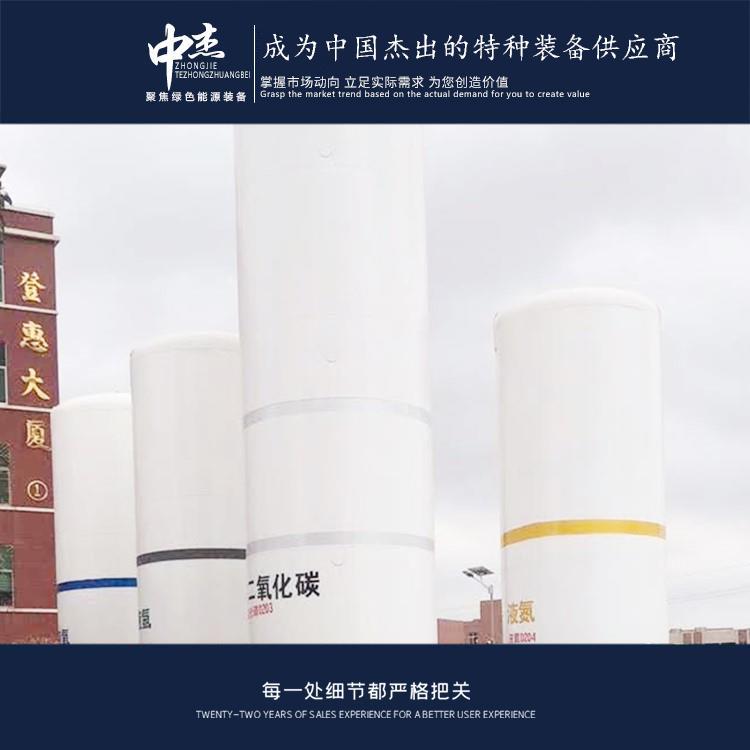
The Zhongjie Liquid Oxygen Storage Tank boasts the following significant advantages:
Material: Made of stainless steel, offering excellent corrosion and high-temperature resistance, ensuring the tank's long-term stable operation.
Our manufacturing process: Utilizing advanced manufacturing techniques and equipment ensures the high quality and precision of the tank's construction, meeting all process requirements.
Safety & Reliability: Tanks are designed and manufactured to stringent standards, equipped with safety valves, pressure sensors, and other safety devices to ensure operation within normal working pressure ranges and to handle emergencies.
Energy-saving: Storage tanks feature optimized insulation design and materials to minimize energy loss and enhance energy utilization efficiency.
High Capacity: The storage tank features a large capacity design, capable of meeting the liquid oxygen storage needs of various scales and requirements.
Flexible and Adjustable: The tank features a design that allows for capacity adjustments and expansions to meet actual needs.
Easy to operate and maintain: The tank features a simple and user-friendly interface and control system, facilitating operation and maintenance for the operators.
Longevity: The tank boasts excellent durability and corrosion resistance, ensuring long-term stable operation and reducing the frequency of replacements and maintenance.
Environmental Protection and Energy Efficiency: Tanks are made with eco-friendly materials and processes, minimizing environmental impact. Additionally, through energy-saving design and operation, energy consumption is reduced.
Customized Services: Zhejiang Jieteng provides customized design and services for liquid oxygen storage tanks, tailored to meet the specific requirements and needs of customers, ensuring personalized satisfaction.
These advantages make ZheJie Liquid Oxygen Storage Tanks a reliable and safe solution for liquid oxygen storage, widely used in industries, scientific research, and other fields.
Shandong Zhongjie Special Equipment, welcome customers to our factory for business talks.
WeChat Official Account

Scan to follow Official Account



















