


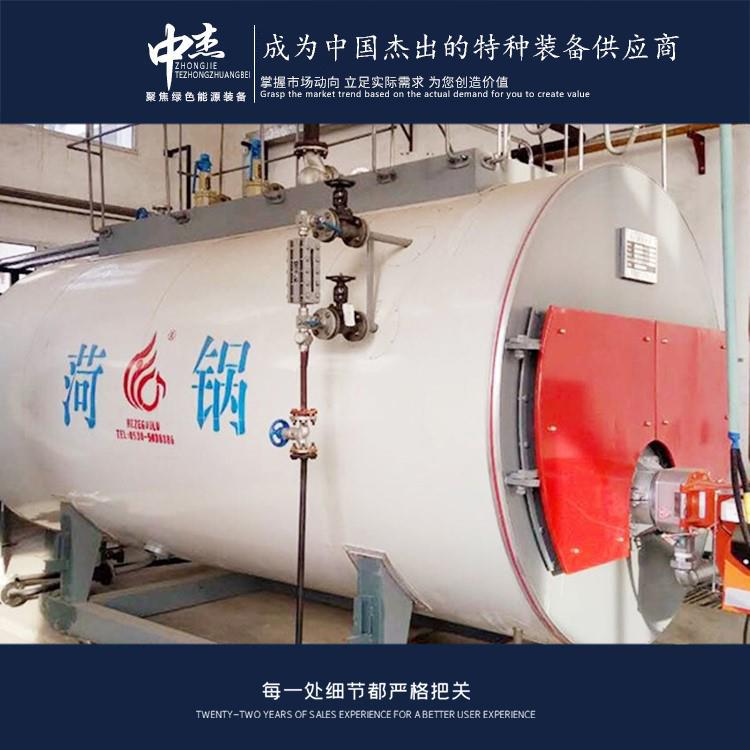

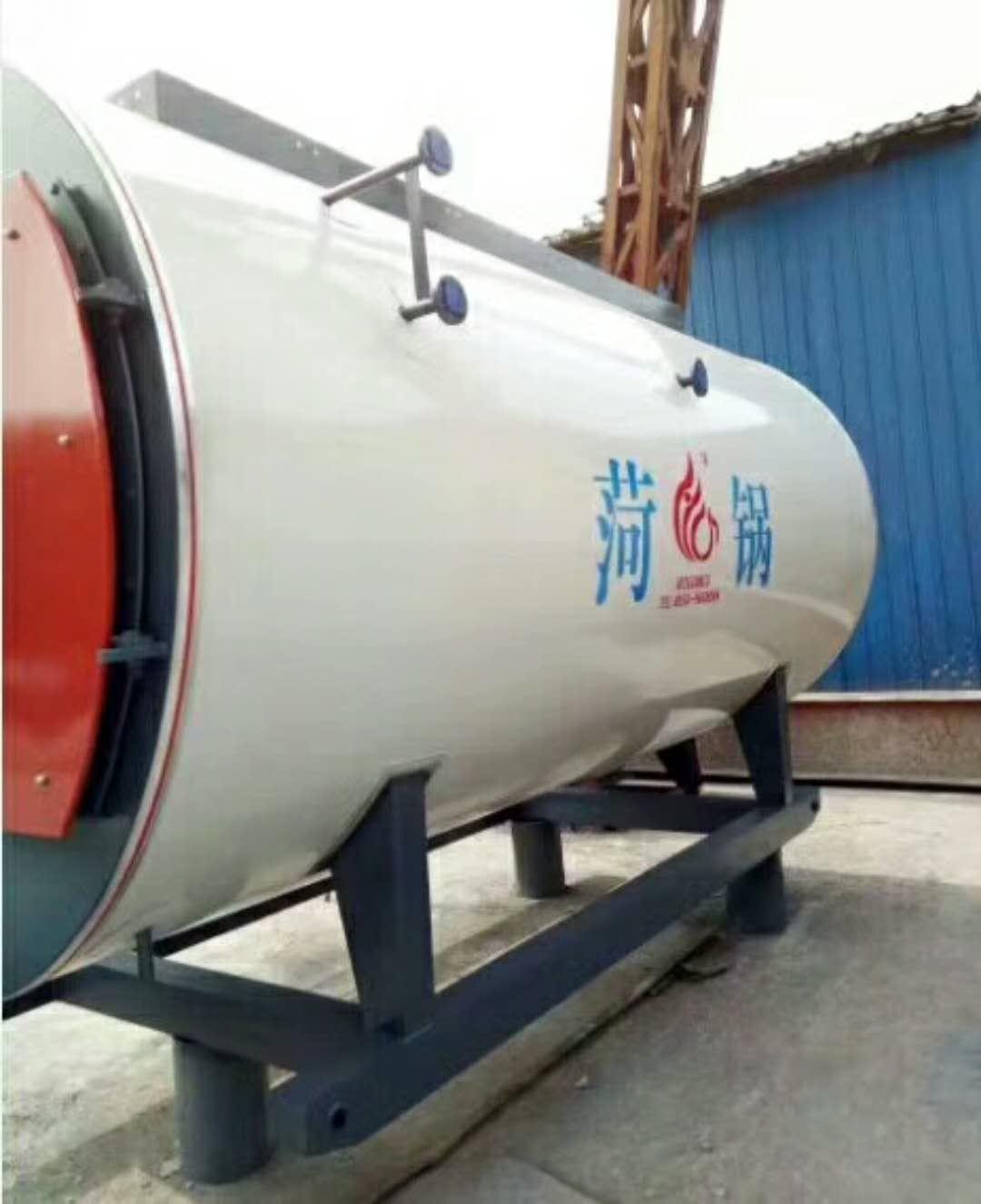
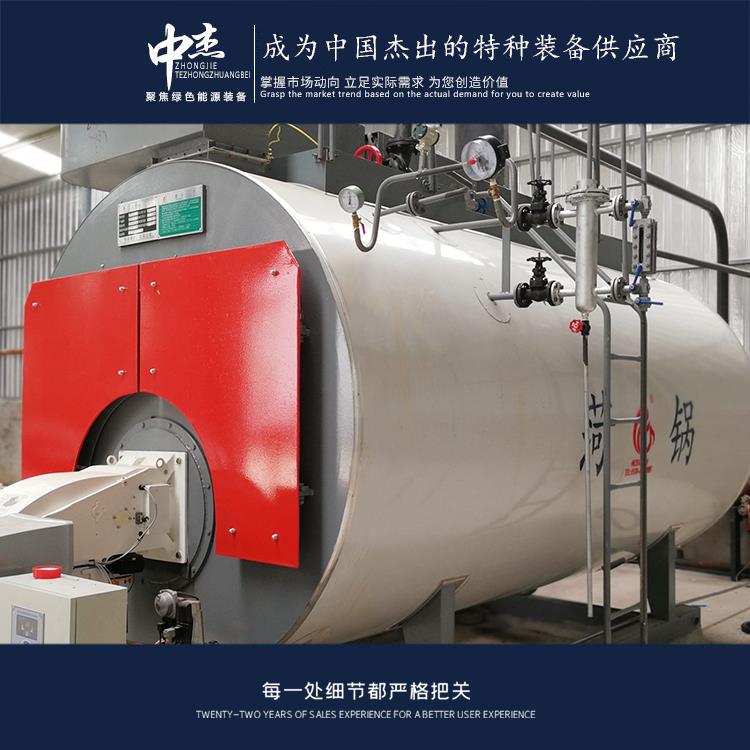


















Shandong Zhongjie Special Equipment (formerly Heze Boiler Factory Co., Ltd.) was established in 2001, located at No. 2218 Jinnan Road, Economic and Technological Development Zone, Heze City, with a registered capital of 50 million yuan and total assets of 500 million yuan. The company has 7 business centers: boiler, deep-freezing container, pressure vessel, central air conditioning, engineering installation, international trade, and Internet of Things. It has three factory sites on Jinnan Road, East Yangtze Road, and Bohai Road, covering a total of 200,000 square meters, with the main workshop spanning 83,000 square meters. It currently employs 710 people, including 247 engineering and technical staff and 82 intermediate-level technical personnel. In December 2016, it was recognized as a "High-Tech Enterprise" by the Science and Technology Department. In June 2021, it was identified as a "Specialized and New Enterprise in Shandong Province" by the Department of Industry and Information Technology. In June 2022, it was recognized as a "Gazelle Enterprise in Shandong Province" and in August 2022, it was identified as a "Specialized and New Small Giant Enterprise" by the Ministry of Industry and Information Technology.
Yes, durable thermal oil boilers generally have a longer lifespan. Here are some reasons:
Material Quality: Thermal oil boilers are made from materials such as high-temperature and corrosion-resistant steel and alloys. These materials can withstand high temperatures and pressure, offering good durability and corrosion resistance, thereby extending the boiler's lifespan.
Design and Manufacturing Process: Long-lasting thermal oil boilers typically utilize designs and manufacturing processes that ensure durability. Rational structural design and precise manufacturing techniques reduce stress concentration and thermal stress, enhancing the boiler's stability and durability.
Regular Maintenance and Care: Regular maintenance and care are crucial for extending the lifespan of thermal oil boilers. Regularly cleaning and inspecting the internal pipes, flues, and burners, and promptly replacing worn-out parts, can minimize malfunctions and damage, extending the boiler's lifespan.
Proper Operation and Management: Correct operation and management are also key factors in ensuring the longevity of thermal oil boilers. Operators should follow the manual and procedures, avoid overloading and improper operation, and ensure the boiler operates safely and stably.
It is important to note that even durable thermal oil boilers require regular inspections and maintenance to ensure proper operation and extend their lifespan. Moreover, the boiler's lifespan is influenced by factors such as the operating environment, load conditions, and operational methods. Therefore, reasonable use and maintenance are critical to ensuring the longevity of thermal oil boilers.
The necessity of flow control in thermal oil heaters is primarily reflected in the following aspects:
1. Heat Transfer Efficiency: The efficiency of heat transfer in thermal oil heaters is closely related to the flow rate of the thermal oil. An appropriate flow rate ensures that heat is fully transferred in the heat exchanger, enhancing the efficiency of heat utilization. Insufficient flow may result in incomplete heat exchange and affect the heat transfer effect; excessive flow, on the other hand, will increase energy consumption and operating costs.
2. Temperature Control: Flow control in thermal oil heaters is also closely related to temperature control. By adjusting the flow rate of the thermal oil, the temperature inside the furnace can be controlled to ensure stable operation within the set working temperature range. Insufficient flow may lead to excessive temperatures, while excessive flow may cause temperatures to drop too low, both of which can affect the normal operation of the equipment.
3. System Stability: Appropriate flow rates of thermal oil can enhance system stability. Through flow control, the supply and demand of heat can be balanced, preventing overheating or cooling, and maintaining stable system operation. Stable operation helps extend the service life of the equipment and reduce the frequency of failures and repairs.
4. Safety: Flow control in thermal oil heaters is also closely related to safety. Proper flow control can prevent excessive accumulation of thermal oil in the system, reducing the risk of leaks and explosions. Additionally, flow control ensures that the system pressure remains within a safe range, avoiding overpressure and other safety issues.
In summary, flow control in thermal oil heaters is necessary for improving heat transfer efficiency, temperature control, system stability, and safety. Through reasonable flow control, the operation of thermal oil heaters can be optimized, enhancing energy utilization efficiency, reducing operating costs, and ensuring safe and stable equipment operation.
Steam boiler blowdown devices mainly include the following types: Blowdown Valve: A blowdown valve is commonly installed on steam boilers to discharge wastewater and impurities from within the boiler. Typically located at the bottom or side of the boiler, opening the valve allows wastewater to be expelled, maintaining internal cleanliness. Blowdown Pump: For large steam boilers or situations requiring long-distance wastewater discharge, a blowdown pump may be used. The pump can extract wastewater from the boiler and transport it through pipes to designated discharge points. Automatic Blowdown System: Some steam boilers may be equipped with an automatic blowdown system. These systems can automatically discharge wastewater from the boiler based on set time intervals or wastewater concentrations, enhancing efficiency and accuracy. Wastewater Treatment Equipment: In certain cases, steam boilers may require wastewater treatment equipment. These devices process discharged wastewater, removing impurities and pollutants to meet environmental protection requirements. It is important to note that the selection and use of steam boiler blowdown devices should be determined by the specific type, scale, and operating environment of the boiler. When using blowdown devices, relevant operational procedures and safety requirements should be followed to ensure a safe and effective blowdown process.
The key to maintaining a hot water boiler is regular maintenance and inspections. Here are some common maintenance steps and precautions:
* Clean the burner and flue: Regularly clean the burner and flue to remove accumulated ash and dirt, maintaining combustion and heat exchange efficiency. Use cleaning tools and equipment as per the operation manual.
* Check water level and pressure: Regularly inspect the water level and pressure of the hot water boiler to ensure safe operation within the specified range. Refill water and adjust pressure to avoid issues caused by low or high water levels.
* Check water quality: Regularly conduct water quality tests to assess hardness, alkalinity, and oxygen content. Take appropriate water treatment measures based on test results, such as descaling and replenishing missing chemicals, to prevent scale and corrosion damage to the boiler.
* Inspect safety devices: Regularly check the safety devices of the hot water boiler, including safety valves, pressure switches, and water level controllers, to ensure proper functioning and safe operation.
* Check the electrical system: Regularly inspect the boiler's electrical system, including power connections, controllers, and sensors, to ensure the proper operation of electrical equipment and avoid electrical failures.
* Regularly drain: Regularly drain the wastewater and impurities from the boiler to avoid their impact on the boiler. Develop a reasonable drainage plan based on the boiler's usage and water quality conditions.
* Keep records and monitor: Record the boiler's operating parameters, maintenance records, and fault situations, and regularly monitor and analyze them to identify and address issues promptly.
* Train operators: Ensure that operators are adequately trained.
Shandong Zhongjie Special Equipment, welcome customers to our factory for business talks.
WeChat Official Account

Scan to follow Official Account



















