


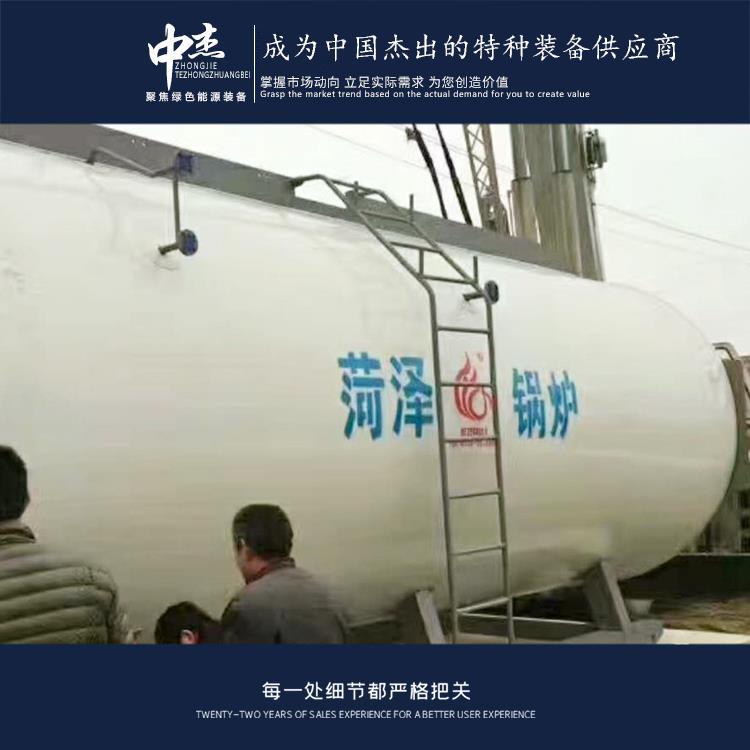

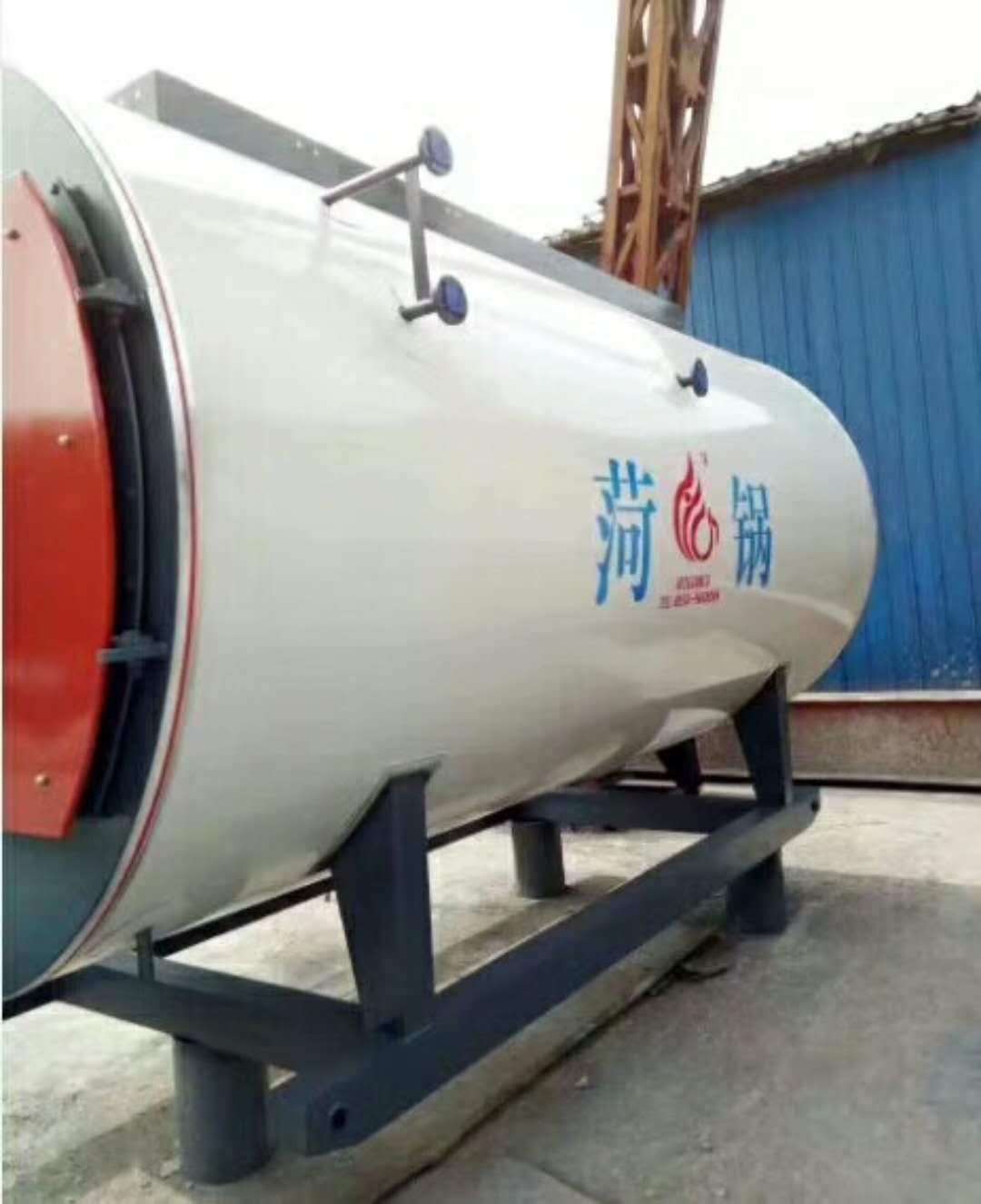
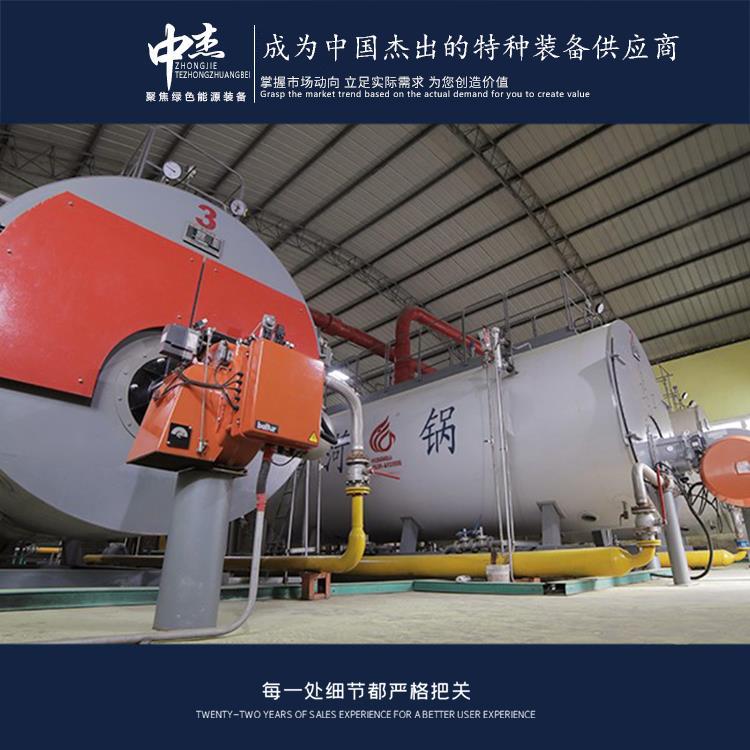


















Shandong Zhongjie Special Equipment (formerly Heze Boiler Factory Co., Ltd.) was established in 2001, located at No. 2218 Jinnan Road, Economic and Technological Development Zone, Heze City, with a registered capital of 50 million yuan and total assets of 500 million yuan. The company has 7 business centers: boilers, deep-freezing vessels, pressure vessels, central air conditioning, engineering installation, international trade, and Internet of Things. It has three factory areas on Jinnan Road, East Changjiang Road, and Bohai Road, covering a total of 200,000 square meters, with the main workshop area at 83,000 square meters. Currently, there are 710 employees, including 247 engineers and technicians, and 82 intermediate-level technicians. In December 2016, it was recognized as a "High-tech Enterprise" by the Science and Technology Department. In June 2021, it was identified as a "Specialized and New Enterprise in Shandong Province" by the Department of Industry and Information Technology. In June 2022, it was recognized as a "Gazelle Enterprise in Shandong Province" and in August 2022, as a "Specialized and New Small Giant Enterprise" by the Ministry of Industry and Information Technology.
Fuel and gas boiler combustion safety and explosion prevention are crucial. Here are some related safety measures:
1. Burner Selection and Adjustment: Choose burners that meet standards and specifications, and ensure they are installed correctly. The burner's parameters and adjustments should align with design requirements to ensure a stable and safe combustion process.
2. Fuel Supply System: The fuel supply system of fuel and gas boilers should possess safe and reliable characteristics. Equipment such as fuel storage tanks, transport pipelines, and filters should be regularly inspected and maintained to prevent leaks and blockages.
3. Combustion Control System: The combustion control system of fuel and gas boilers should have the capability to control. The control system should be able to monitor and adjust combustion parameters, such as fuel supply quantity and combustion air volume, to ensure a stable and safe combustion process.
4. Safety Valves and Pressure Switches: Safety valves and pressure switches should be installed on fuel and gas boilers to protect their safe operation. Safety valves can automatically open when exceeding the set pressure, releasing over-pressured gas or steam to prevent boiler explosions.
5. Gas Leak Detection: For gas boilers, gas leak detection devices should be installed. These devices can detect gas leaks in a timely manner and trigger alarms to prevent gas accumulation and explosions.
6. Regular Inspection and Maintenance: Regularly inspect and maintain fuel and gas boilers, including cleaning burners, checking the combustion system, and adjusting combustion parameters. Promptly repair and replace damaged parts to ensure the normal operation and safety performance of the equipment.
7. Training and Operating Procedures: Train operators to...
In the burner of a thermal oil furnace, adjusting the air door in low flame conditions is crucial. Here are some common sense and precautions:
Function of the air door: The air door is a key component in the burner that controls the supply of combustion air. By adjusting the opening of the air door, the flow of combustion air can be controlled, thereby influencing the oxygen supply and combustion effect during the combustion process.
Adjustment in low flame conditions: In low flame conditions, the burner needs to maintain stable combustion to ensure combustion efficiency and heat output. In this case, the opening of the air door should be adjusted appropriately to maintain a suitable supply of combustion air. Typically, the opening of the air door in low flame conditions is relatively small to maintain an appropriate oxygen supply and avoid incomplete combustion or instability.
Ratio of combustion air to fuel: In low flame conditions, it is necessary to ensure the appropriate ratio of combustion air to fuel. Excessive combustion air can lead to incomplete combustion and energy waste, while insufficient combustion air can cause instability and the production of harmful gases. By adjusting the opening of the air door, the ratio of combustion air to fuel can be controlled to achieve stable combustion.
Burner adjustment and optimization: During the installation and adjustment of the burner in a thermal oil furnace, appropriate adjustment and optimization are required. Through actual operation and monitoring, adjust the opening of the air door and other parameters to achieve the best combustion effect and energy efficiency performance. This requires...
When operating gas boilers, there are three important points to note:
1. Safe Operation: Gas boilers are heat energy equipment, and safety must be a priority. First, ensure that operators have the relevant skills and knowledge, and understand the boiler's working principle and operating procedures. Second, strictly prohibit storing flammable materials around the boiler and maintain good ventilation. Additionally, regularly inspect and maintain the safety devices such as the safety valve and pressure gauge to ensure they function properly.
2. Proper Gas Supply Adjustment: The combustion of gas boilers requires an appropriate amount of gas supply. During operation, adjust the gas supply according to actual needs to ensure stable combustion. At the same time, regularly check the tightness of the gas pipeline and valves to prevent gas leaks.
3. Regular Maintenance and Cleaning: Regular maintenance and cleaning of gas boilers are crucial for maintaining their normal operation and extending their lifespan. Regularly inspect all parts of the boiler, clean the burner, flue, and heat exchanger to remove soot and dirt, ensuring efficient heat transfer and combustion. Moreover, regularly replace filters and clean water treatment equipment to ensure clean water quality and prevent scale and corrosion.
It should be noted that the above three points are just basic operational guidelines, and specific operation and maintenance requirements may vary depending on the model and specifications of the gas boiler. Therefore, before operating a gas boiler, it is advisable to refer to the boiler's operation manual or consult with experts to ensure correct and safe operation.
One ton natural gas steam boiler's gas consumption over a year depends on various factors, including the efficiency of the boiler, the load conditions, and operating hours. Generally, it can be estimated using the following formula: Gas Consumption (m) = Boiler Thermal Efficiency x Boiler Rated Thermal Power x Operating Hours. Here, the boiler thermal efficiency refers to the boiler's energy utilization efficiency, usually expressed as a percentage; the boiler rated thermal power indicates the boiler's rated thermal output, typically in kilowatts (kW); and operating hours are the time the boiler is in operation, usually measured in hours.
It's important to note that the boiler's thermal efficiency and rated thermal power can be determined based on the specific model and parameters of the boiler, while operating hours need to be estimated based on actual usage. Therefore, for an accurate calculation of the gas consumption for a one-ton natural gas steam boiler over a year, it is recommended to refer to the technical specifications and operating records of the boiler, or consult the boiler manufacturer or engineer.
Shandong Zhongjie Special Equipment, welcome customers to our factory for business discussions.
WeChat Official Account

Scan to follow Official Account



















