


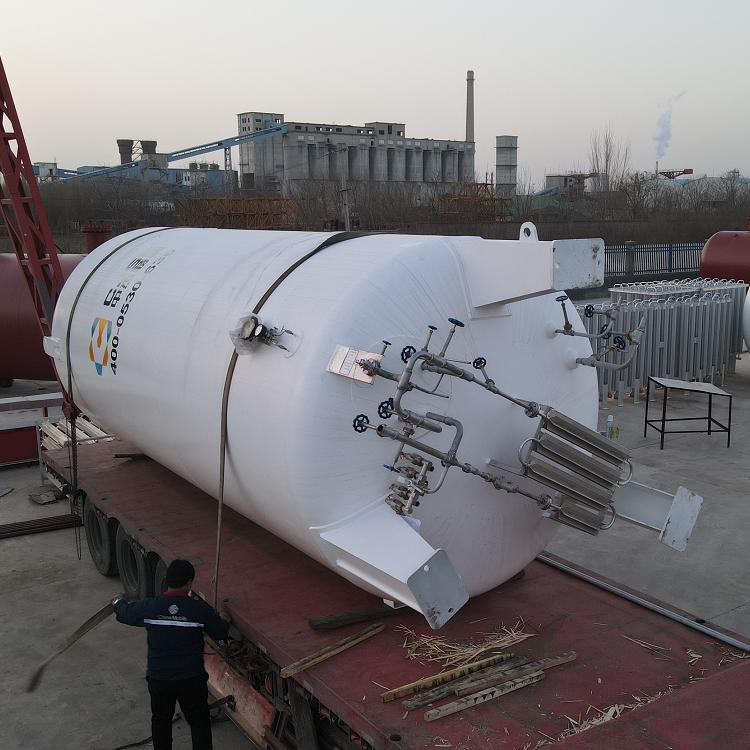

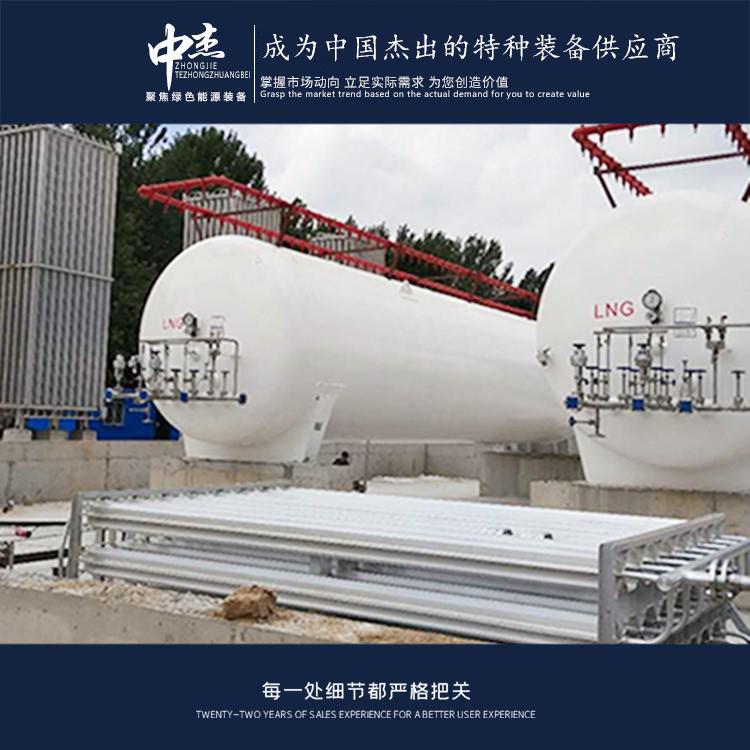
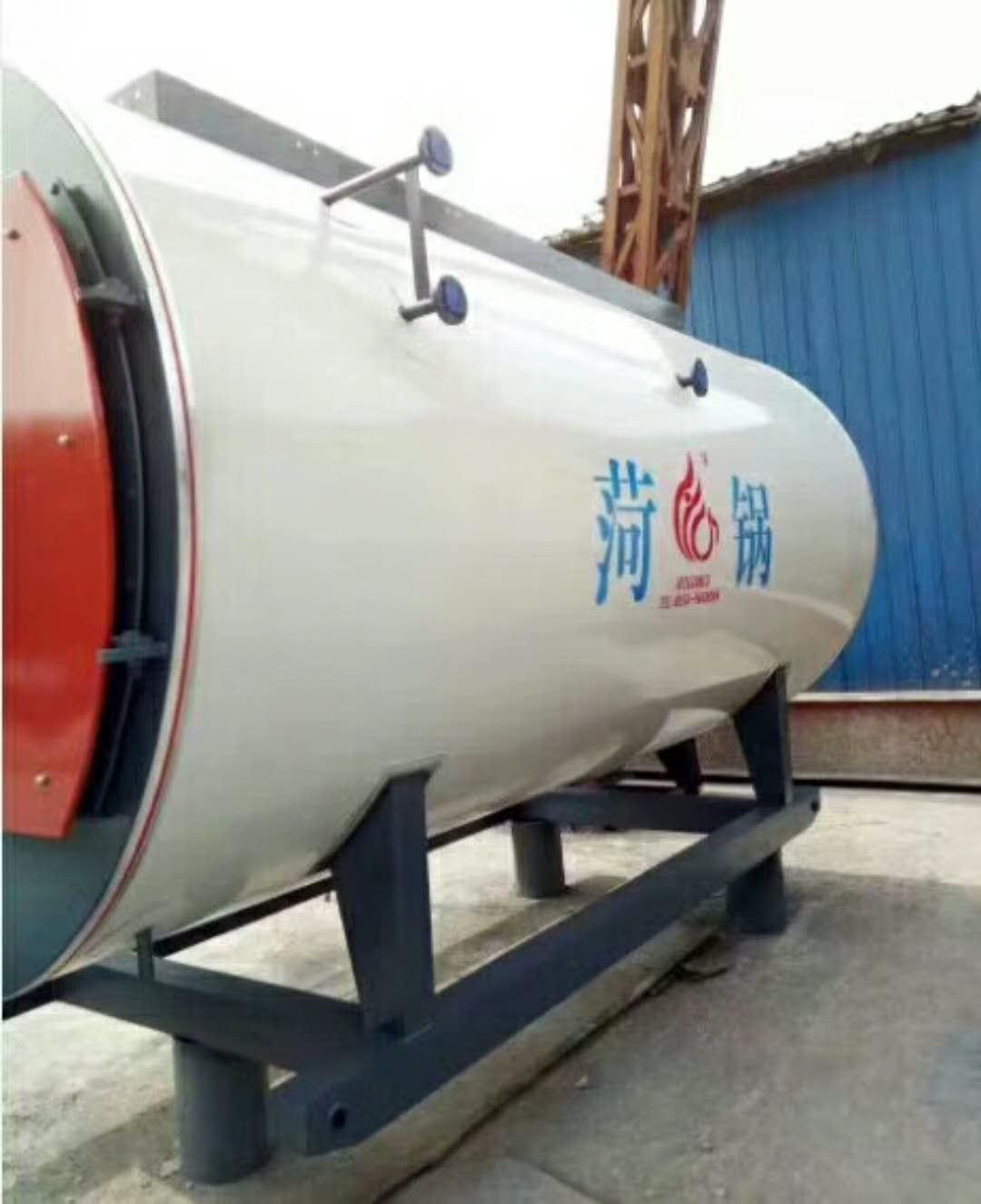


















Shandong Zhongjie Special Equipment (formerly Heze Boiler Factory Co., Ltd.) holds an A-grade boiler manufacturing license, an A2-grade pressure vessel manufacturing license, an A2-grade pressure vessel design license, a B-grade boiler installation license, and GB2/Class, GC2/Class pressure pipeline installation licenses, as well as a mechanical and electrical equipment installation contracting qualification. It is a member of the China Boiler and Water Treatment Association, the China Chemical Equipment Association, and the council member of the Shandong Equipment Manufacturing Association. The company has also passed the ISO9001 Quality Management System, ISO14001 Environmental Management System, OHSAS18001 Occupational Health and Safety Management System certifications, and the American ASME/U2 certification.
Carbon dioxide tanks and liquid oxygen tanks are containers used for storing different gases; they have some distinct physical properties:
Physical State: Carbon dioxide is a gas at room temperature and pressure, and it must be cooled and pressurized to become a liquid. Liquid oxygen is also a liquid at room temperature, but it solidifies only at low temperatures.
Boiling and freezing points: The boiling point of carbon dioxide is -78.5 degrees Celsius, and its freezing point is -56.6 degrees Celsius. The boiling point of liquid oxygen is -183 degrees Celsius, and its freezing point is -218.8 degrees Celsius. The boiling and freezing points of liquid oxygen are significantly lower than those of carbon dioxide.
Density: The density of liquid oxygen is high, approximately 1.14 grams per cubic centimeter. The density of carbon dioxide is lower, around 0.00198 grams per cubic centimeter. The density of liquid oxygen is about 570 times that of carbon dioxide.
Pressure: Liquid oxygen has a higher pressure, typically ranging from tens to hundreds of MPa (megapascals). Carbon dioxide has a lower pressure, usually within a few MPa (megapascals).
Safety: Liquid oxygen has a high oxygen content and is prone to cause fires and explosions. Carbon dioxide also poses asphyxiation and suffocation risks at certain concentrations.
Note that carbon dioxide and liquid oxygen are both highly flammable and explosive substances. Strict adherence to relevant safety operating procedures and standards, along with necessary safety measures, is required during storage and use to ensure the tank's safety and stability.
The leak treatment methods for liquid argon storage tanks mainly include the following steps:
Identified Air Leaks: Detected through odors, gas detection equipment, or abnormal pressure in liquid argon storage tanks, air leaks in the liquid argon storage tanks are identified.
Confirm air leakage location: Use gas detection equipment or foam leak detection agents, etc., to pinpoint the exact location of air leakage. Inspect tank interfaces, valves, pipe connections, and other areas to locate the air leakage points.
Cease Air Leaks: Take appropriate measures to stop the air leak source based on its location. For instance, for leaks at joints, inspect and adjust sealing gaskets or tighten bolts; for valve leaks, check and replace sealing components.
Isolate Air Leaks: During the process of dealing with air leaks, it is necessary to isolate the leaky areas to ensure personnel safety. Set up warning signs, restrict access to the area, and take necessary protective measures, such as wearing protective masks and gloves.
If air leakage cannot be repaired immediately or the leakage is substantial, consider venting liquid argon. By gradually reducing the pressure of liquid argon in the storage tank, it can be converted into gas, minimizing the risk of air leakage.
Ventilation Treatment: During the air leakage treatment, ensure adequate ventilation and promptly exhaust the gases produced by the evaporation of liquid argon. Natural ventilation or the use of ventilation equipment can be employed to expel the evaporated gases of liquid argon outdoors.
Safety Assessment and Repairs: After completing the air leakage treatment, conduct a safety assessment to ensure the tank's safety. Based on the assessment results, perform necessary repairs and maintenance to prevent recurrence of air leakage.
Be mindful that liquid argon is a low-temperature liquid with low boiling and freezing points. Caution is required when dealing with air leaks to prevent exposure that could cause coldness. When handling air leaks in liquid argon storage tanks, the operation should be carried out by personnel, following relevant safety operating procedures and standards.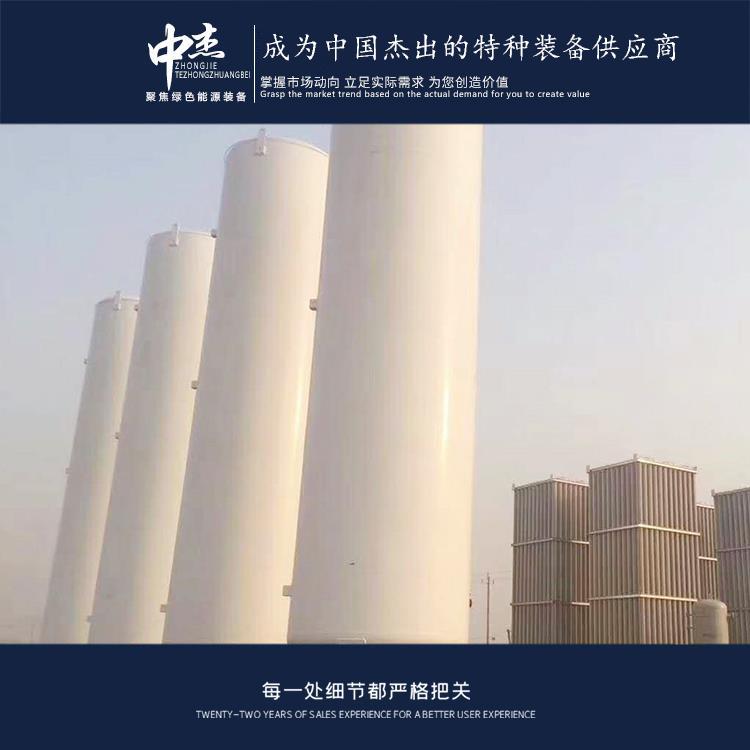
The safety distance for liquid oxygen storage tanks refers to the distance that must be maintained around the tank to ensure the safety of personnel and equipment. The specific requirements for the safety distance may vary depending on the region and application, and the following are some common principles for safety distances:
Buildings and Equipment: Liquid oxygen tanks should be kept at a certain distance from buildings, equipment, and other storage tanks to prevent the spread of fires, explosions, and leaks. The specific safety distance requirements should be assessed and determined according to local regulations and standards.
Fire and Heat Sources: Liquid oxygen is highly oxidizing and can easily cause fires and explosions. Therefore, liquid oxygen tanks should be kept at a sufficient distance from fire and heat sources and flammable materials to prevent fires and explosions.
Ventilation and Exhaustion: Good ventilation and exhaust should be maintained around liquid oxygen storage tanks to prevent the accumulation of evaporated oxygen and the formation of explosive mixtures. The design and operation of the ventilation and exhaust systems should comply with relevant safety standards and specifications.
Personnel and Traffic: Personnel and traffic around liquid oxygen storage tanks should be restricted and controlled to ensure personnel safety and the normal operation of the tank. Warning signs, safety fences, and restricted areas should be established to prevent unauthorized personnel from entering the tank area.
It should be noted that the safety distance for liquid oxygen storage tanks should be assessed and determined based on the specific application and safety requirements. When designing, installing, and operating liquid oxygen storage tanks, relevant regulations, standards, and safety guidelines should be followed to ensure the safety and reliability of the tank.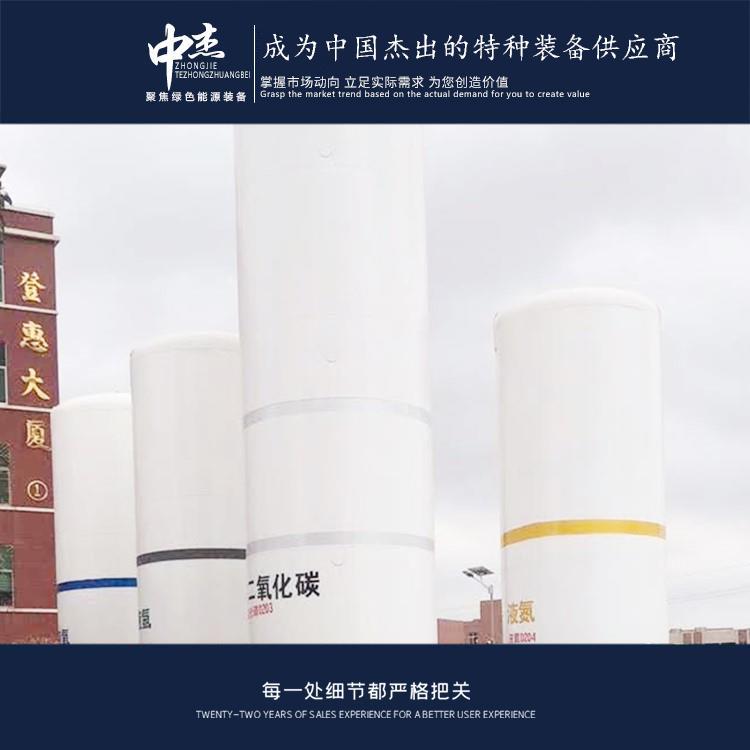
In pressure vessel design, several common "thickness" parameters need to be considered:
Wall Thickness: Refers to the actual thickness of the pressure vessel wall. The selection of wall thickness should consider factors such as the design pressure of the vessel, the strength of the material, and its corrosion resistance, to ensure the strength and safety of the container.
Bend Allowance: The bend allowance refers to the additional thickness added to the wall thickness during the manufacturing process to ensure the strength and shape of the container's bending section. The calculation and selection of the bend allowance must consider factors such as the container's bending radius and the material's bendability.
Corrosion Allowance: The corrosion allowance refers to the additional thickness added to the wall to account for internal or external corrosion effects on the container. The selection of the corrosion allowance must consider the working environment of the container and the corrosive properties of the medium it encounters, to ensure the container can withstand the effects of corrosion throughout its service life.
These "thickness" parameters play a crucial role in pressure vessel design, affecting the container's strength, corrosion resistance, and safety. During the design process, it is necessary to select and calculate these thickness parameters reasonably, based on relevant standards and specifications, in conjunction with the container's usage conditions and requirements, to ensure that the design and manufacturing meet the standards.
ZJ Special Equipment adheres to the grand vision of "realizing employees' dreams, creating value for customers, and striving for the prosperity and strength of our motherland," and is dedicated to the development of the green energy equipment industry. We offer society high-quality products and services at competitive prices!
WeChat Official Account

Scan to follow Official Account



















